
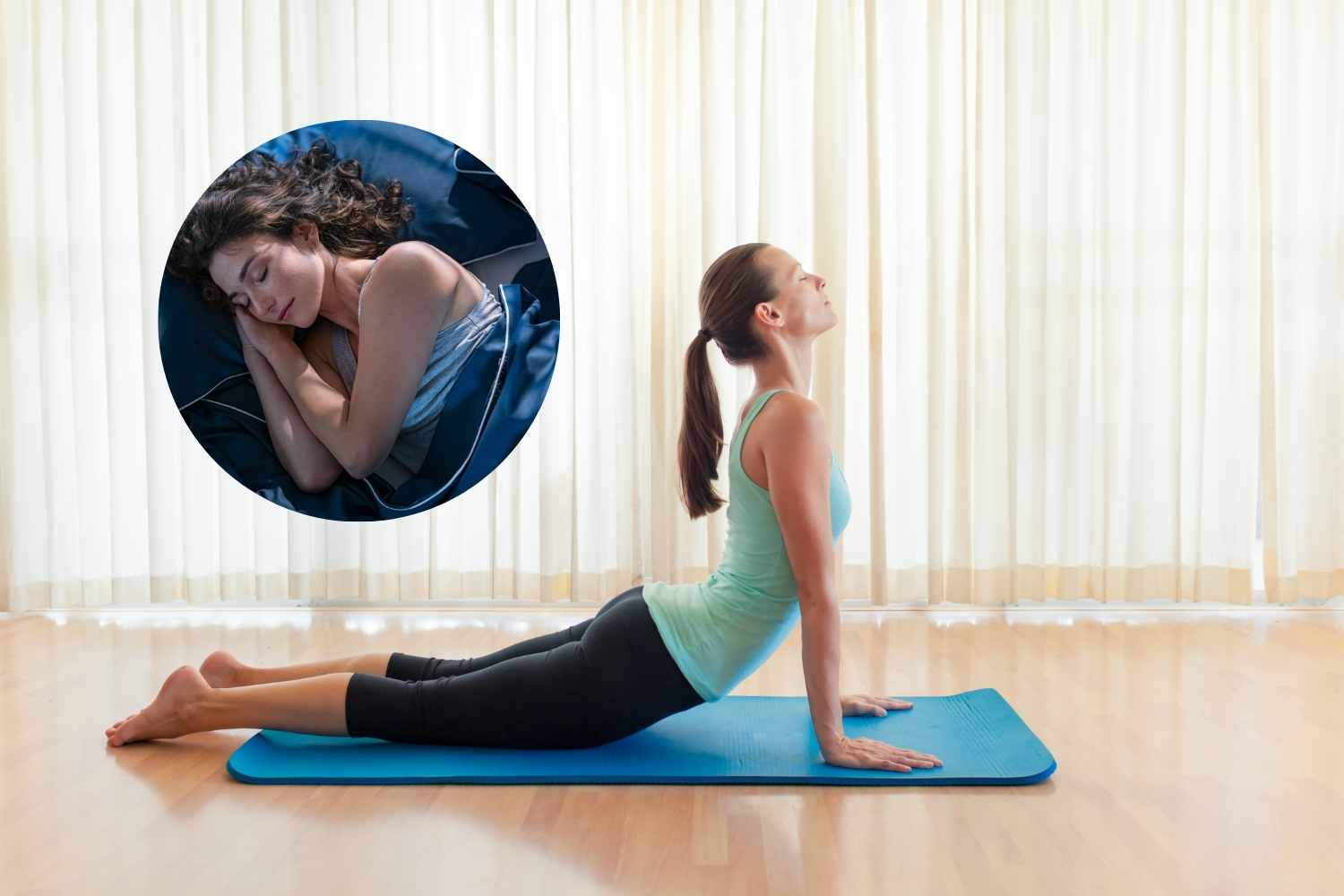
Who has never experienced that feeling of physical tiredness accompanied by an inexplicable inability to relax in bed? Contracted shoulders, a stiff neck, restless legs: these are signs that the body has accumulated tension during the day. The daily routine, whether we are sitting at a desk or in constant movement, subjects the muscles to constant stress, and when the evening arrives, they remain in a constant state of alert, which will end up hindering sleep.
Science has identified evening stretches as a simple and effective strategy to address this problem. A study has shown that stretching regularly before bedtime significantly reduces falling asleep times, increases sleep efficiency and reduces nocturnal awakenings. The researchers also observed a reduction in tension-anxiety in subjects who practiced evening stretches compared to the control group.
The mechanism of action is twofold. From a physiological point of view, stretching promotes the release of accumulated muscle tension, improves blood circulation and promotes tissue oxygenation. On a neurological level, it activates the parasympathetic nervous system – the one responsible for relaxation – and helps modulate the secretion of cortisol, the stress hormone. A scientific review has shown how the evening practice of stretches can contribute to sleep through the triggering of a series of mechanisms, such as modulation of the autonomic nervous system, relief of muscle tension, regulation of cortisol, improvement of blood circulation and psychological benefits, including stress reduction and mood improvement.
The neck and shoulders: the trap of daily tension
The cervical area and the upper trapezius are the first target of accumulated tension, especially for those who work at a computer. The lateral neck stretch represents an immediate and effective solution, which can be performed while sitting or standing, maintaining a correct posture. Tilting the head towards one shoulder, accompanied by the opposite hand gently reaching the floor, creates a progressive lengthening of the lateral neck muscles.
The key lies in the gentleness of the movement, so don’t force it and accompany the body towards a relaxed position. The hand on the head guides the movement, without pushing, and each side must be held for 20-30 seconds, breathing deeply. Breathing becomes an integral part of the stretch: inhalation prepares the muscle, exhalation allows you to deepen the position.
The spine and total release
Child’s Pose – one of the simplest asanas in yoga – offers a complete benefit to the back. Starting from a four-legged position, slowly move your pelvis towards your heels, letting your forehead come closer to the floor. The arms can extend forward or rest at the sides.
This is a very simple position, the aim of which is to encourage the lengthening of the spine and the relaxation of the lumbar muscles – you must not touch the floor with your head at all costs. If you have little flexibility, use pillows, placed under your knees or under your forehead. The position must be maintained for 30 seconds, focusing attention on the movement of the pelvis towards the heels and on the natural lengthening of the back.
The hips and the opening that frees
The third fundamental stretch involves the hips, areas where often invisible but persistent tensions accumulate. The butterfly position represents an elegant solution: sitting on the ground, bring the soles of your feet together in front of you, letting your knees open laterally. The hands can grasp the feet or rest on the ankles.
The spine remains elongated, the chest open, the shoulders relaxed. There is no need to push your knees down: the force of gravity will do its job while your breathing accompanies the progressive relaxation of the groin and hip muscles. This position is particularly useful for those who spend many hours sitting, as it counteracts the shortening of the hip flexor muscles.
The evening ritual
The ideal time to practice these stretches is between 30 and 60 minutes before bed. Bringing bedtime earlier helps integrate the practice into a broader sleep preparation routine, without reducing it to the last activity before turning off the light. Five or ten minutes may be enough, as long as the practice is regular.
The consistency with which to apply what has been said is very important, because over time the body will learn to recognize these signals and respond with progressively deeper relaxation. Remember to perform the exercises slowly, without rushing, breathing naturally.
