

Staying 100 days in total isolation or 60 days in bed to contribute to space research: it is not science fiction, but one of the most ambitious projects of the DLR, the German aerospace center, in collaboration with ESA and NASA. These studies simulate extreme conditions similar to those faced by astronauts during long-duration missions to the Moon and Mars, to understand the impact on the body and mind.
View this post on Instagram
SOLIS100: 100 days without contact with the outside world
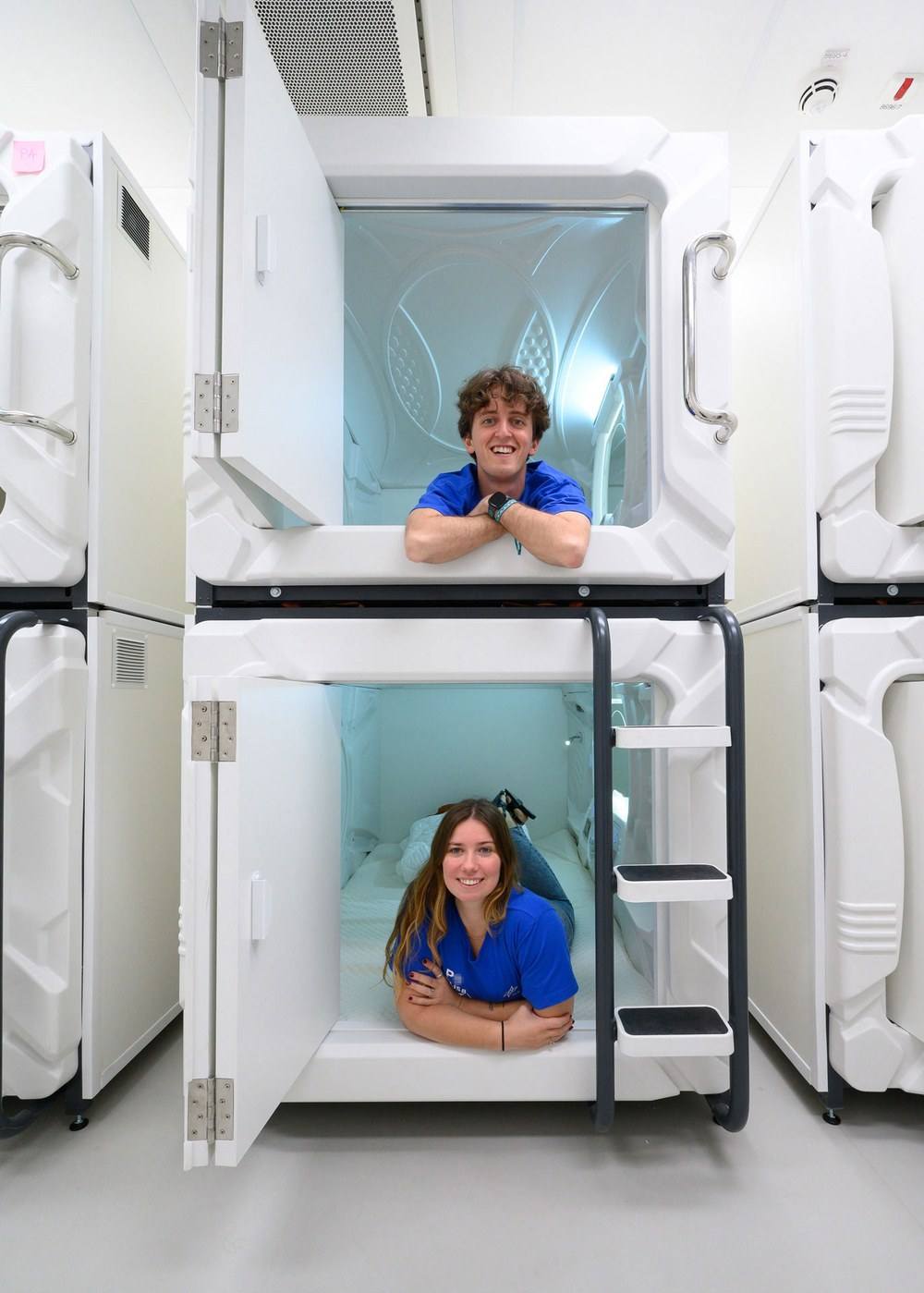
The SOLIS100 study will analyze the effects of prolonged isolation in closed, controlled environments. Six participants will live for over three months inside a simulated space station, following strict routines, work shifts, scientific activities and physical exercise. The objective is to evaluate psychological stress, cooperation capacity, emotional well-being and cognitive performance, crucial elements for future interplanetary missions. Every detail is monitored, except private spaces such as sleeping modules, designed to guarantee a minimum of privacy.
60 days in bed to simulate microgravity
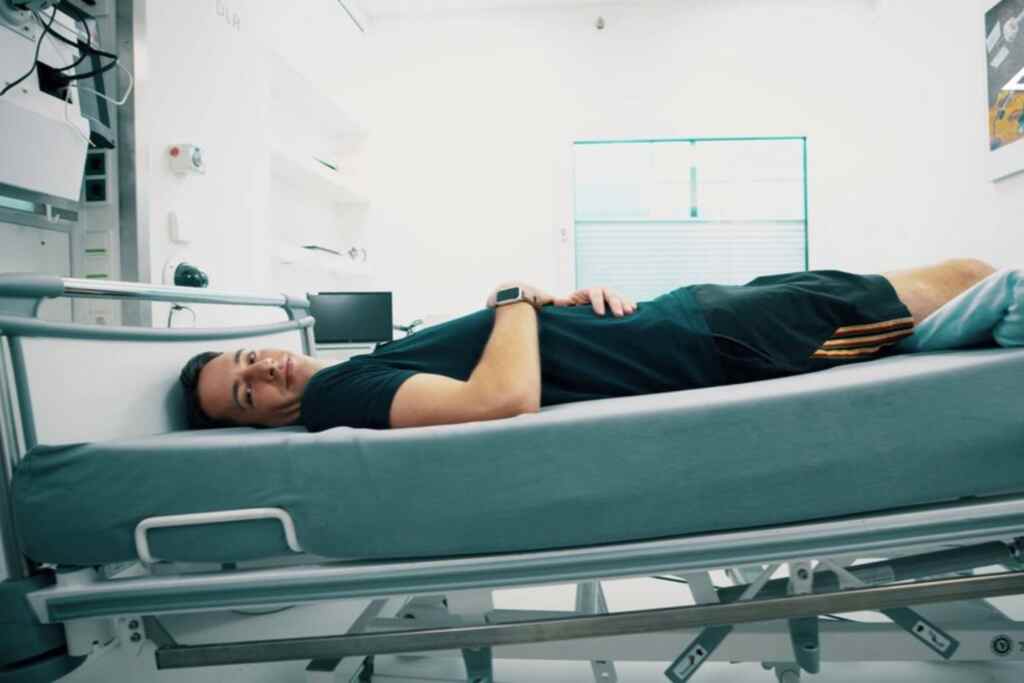
SMC3 is taking place in parallel, a study dedicated to the effects of microgravity on the human body. Volunteers spend 60 consecutive days in bed rest, lying with a 6-degree inclination towards their head, a position that reproduces the movement of body fluids typical of space. This causes progressive muscle loss, alterations in balance and changes in circulation, allowing researchers to observe dynamics similar to those experienced by astronauts.
Experimental workouts to protect the body
During SMC3, some participants test innovative countermeasures to counteract the effects of microgravity. These include balance exercises on systems that simulate weightlessness and muscle training through electrical stimulation. These solutions are designed to be lightweight and compact, ideal for future space stations where training space will be limited.
The requirements to become “terrestrial astronauts”
Applicants must be in good health, between 24 and 55 years old, within precise height and BMI parameters, and pass rigorous medical and psychological checks. In addition to physical endurance, discipline, adaptability and the ability to follow complex protocols are also assessed. It is not a holiday, but a concrete contribution to space medicine.
A more than serious search
Behind the curious idea of “staying in bed for science” lies fundamental research to ensure the safety of astronauts on future missions. The data collected will serve to improve living conditions in space and protect the human body in extreme environments, paving the way for a new era of exploration.
You might also be interested in:
