
With temperatures set to drop, many gardening enthusiasts may think that the time has come to abandon taking care of their green space until spring. Yet winter is a unique opportunity to transform the garden into a corner of unexpected beauty, capable of defying the cold and frost with surprising blooms. In fact, there are several particularly resistant floral species that not only survive low temperatures, but even manage to produce their most beautiful flowers just when the rest of nature seems asleep.
Hellebores
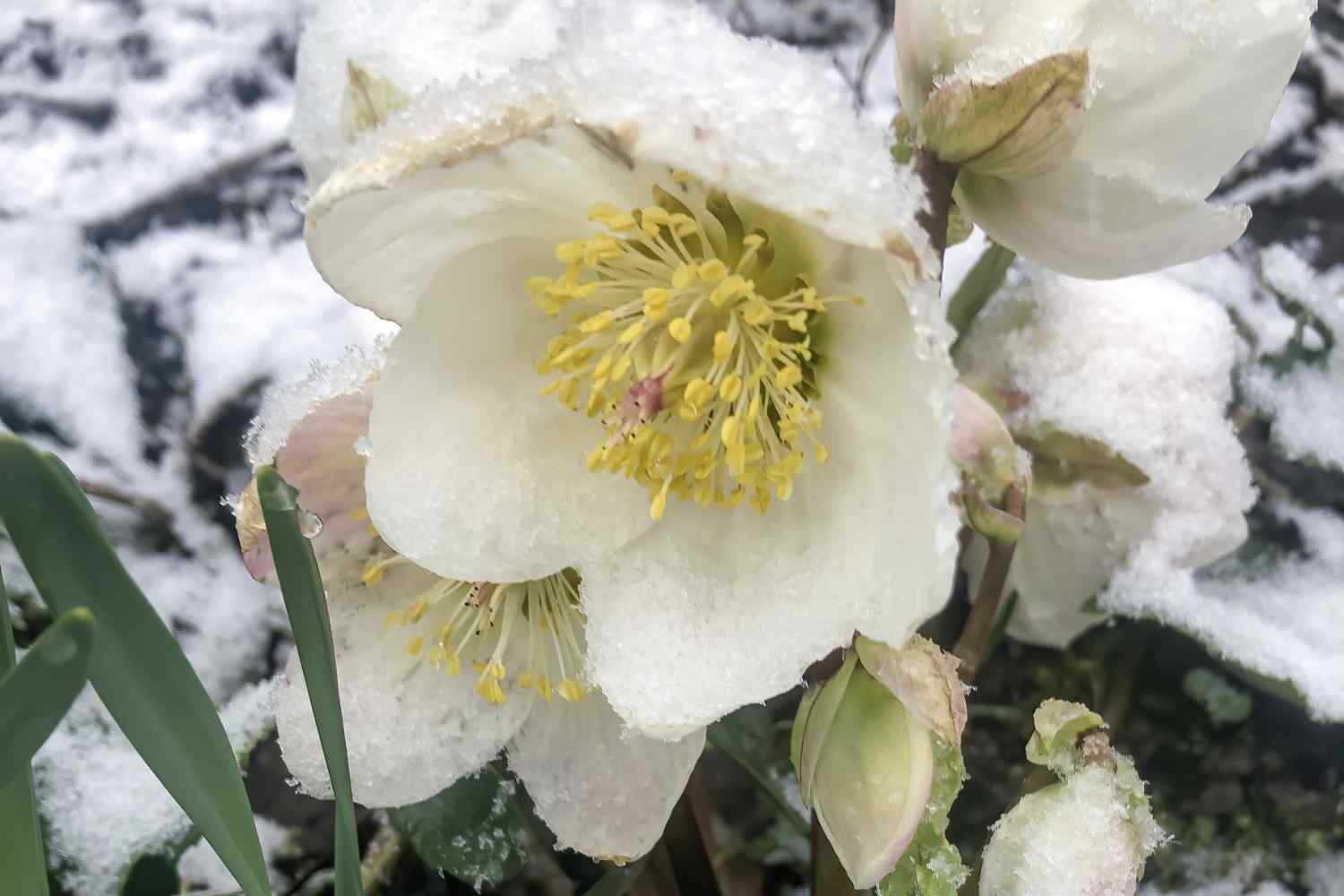
Hellebores are one of the most popular choices for those who want a colorful garden during the cold months. These extraordinarily robust plants produce elegant flowers ranging from pure white to intense pink, passing through shades of lime green and dark burgundy. Their flowering typically begins between December and March, right in the heart of winter, when few other plants dare to show their buds. Hellebores prefer semi-shaded positions and well-drained soil, making them perfect for planting under deciduous trees or along the shaded edges of the garden. Once established, they require very little maintenance and tend to naturalize over time, creating ever larger and more generous groups of flowers that bow their heads gracefully, almost shyly, towards the still frozen ground.
The Algerian iris
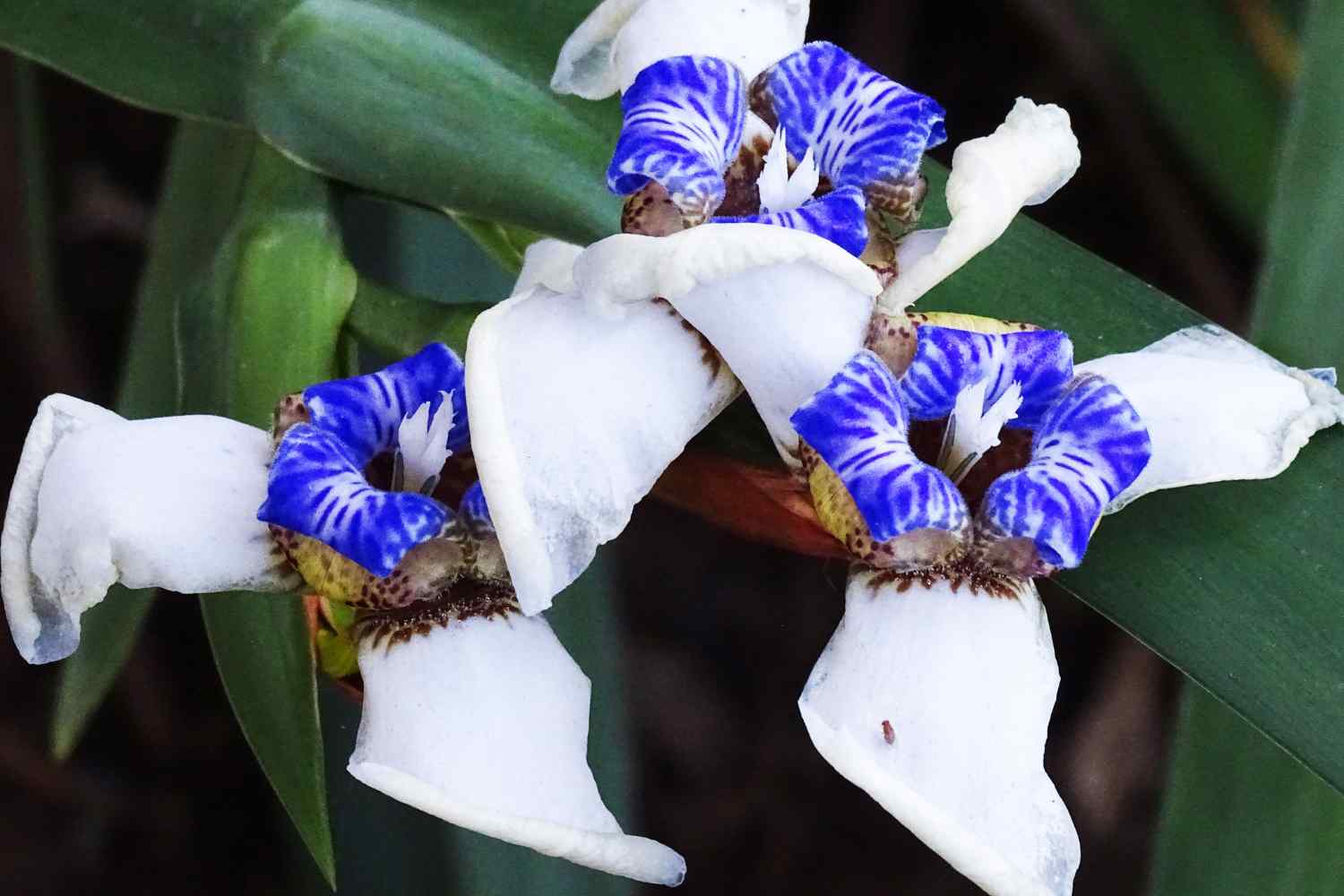
The Algerian iris, known botanically as Iris unguicularis, is a real surprise for those unfamiliar with its unique characteristics. For most of the year this plant appears as a simple tuft of linear and disordered leaves, almost insignificant in the eyes of those who pass by. But between December and January something magical happens: thin stems emerge from the tangle of foliage bearing flowers of a delicate lavender blue, with darker veins and a light fragrance reminiscent of spring. Native to the Mediterranean regions of North Africa, this variety of iris adapts surprisingly well to colder climates, as long as it is planted in a sheltered and sunny position, perhaps at the foot of a south-facing wall. The flowers appear fragile and delicate, as if a gust of wind could destroy them, yet they stoically resist night frosts and light snowfalls.
The Hepatica
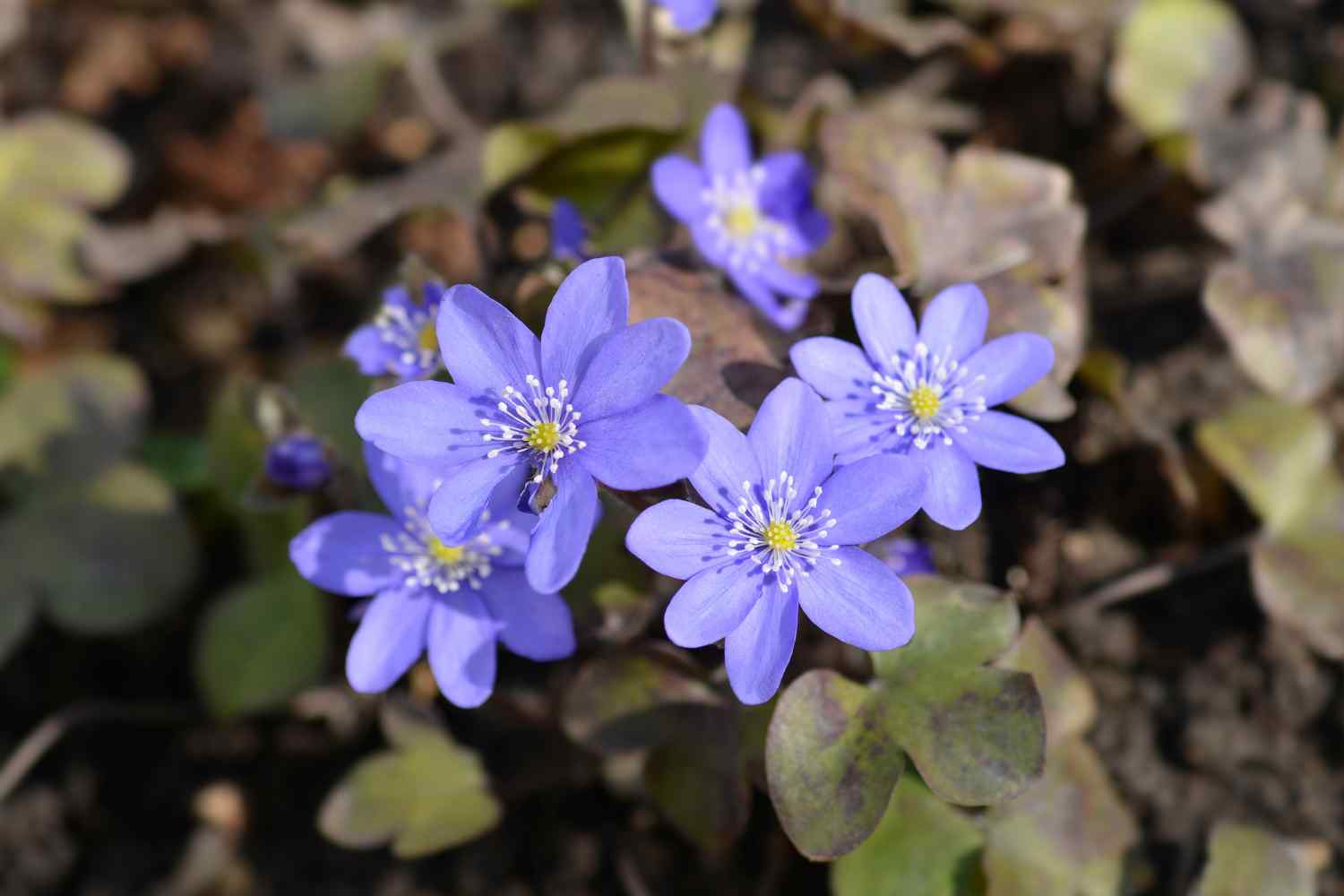
Hepatica is a small perennial plant that grows spontaneously in mountain undergrowth and has earned a place of honor in winter gardens thanks to its remarkable rusticity and the discreet beauty of its flowers. The blooms appear between February and March, with petals ranging from deep blue to purple, pink to pure white, often with a heart of golden yellow stamens creating a lively contrast. This plant forms compact cushions of foliage which resembles that of the liver in shape, from which the botanical name derives, and prefers shaded positions with moist but well-drained soil, rich in humus. Hepatica spreads slowly but steadily, creating small colonies over time that transform forgotten corners of the garden into colorful carpets just when everything around still seems to be sleeping. Its ability to flower even through light snow covers makes it particularly fascinating for those looking for varieties capable of resisting severe climatic conditions.
Clematis cirrhosa
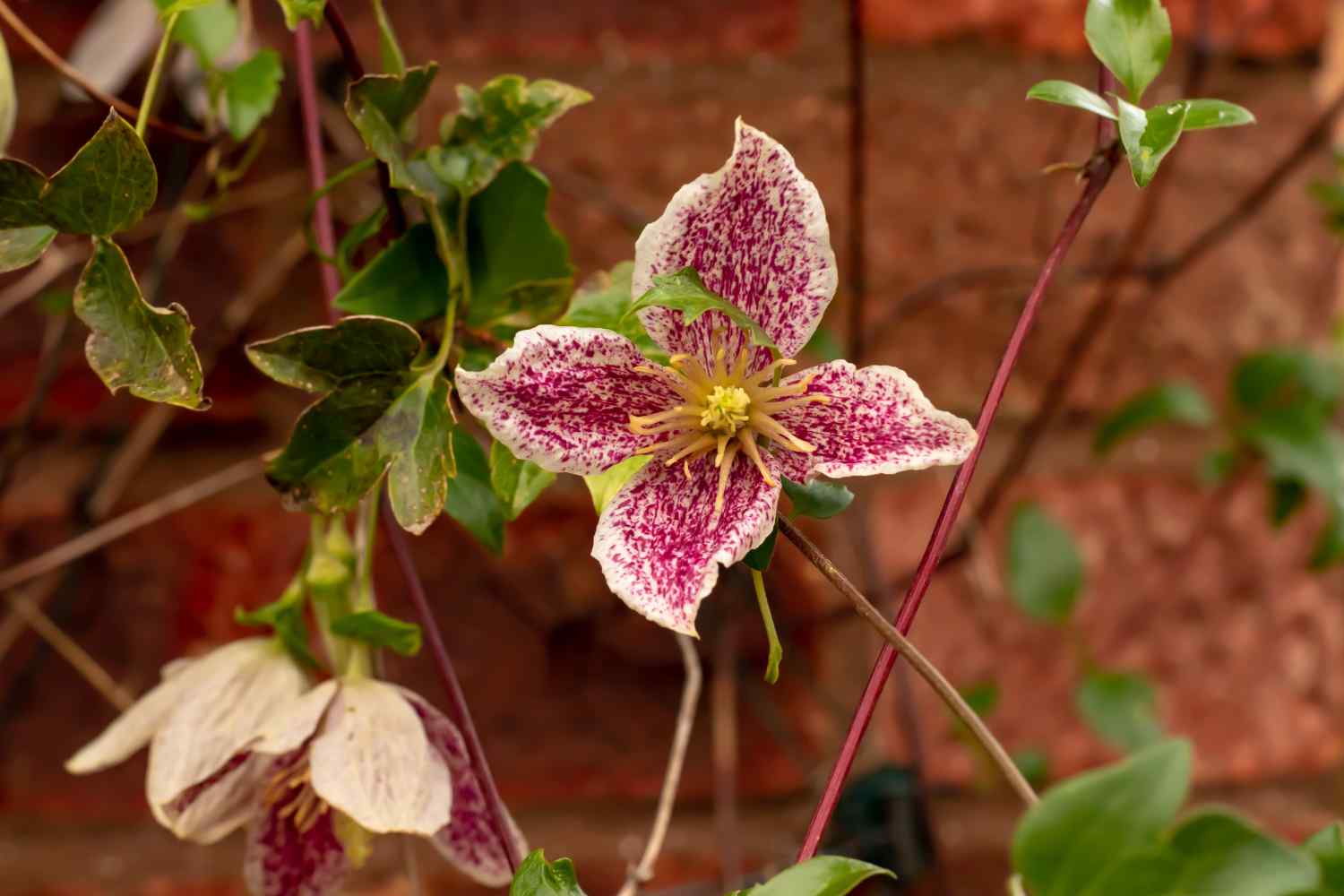
While most clematis bloom in spring or summer, Clematis cirrhosa completely overturns common expectations by blooming during the winter months. This evergreen climber produces creamy white or pale yellow pendulous bells, often stained purple-red internally, which appear between November and February, creating surprising decorative effects on walls, pergolas and fences. The foliage remains green and glossy year-round, providing cover and visual interest even when flowers are not present. Native to the Mediterranean regions, this clematis requires a position sheltered from the strongest winds and a support to climb on, being able to reach considerable heights if conditions are favourable. After flowering, it produces distinctive silvery feathery fruits that add a further decorative element to the winter garden. Its ability to bloom when everything around seems frozen makes it an especially valuable choice for those who want to maintain an interesting vertical garden year-round.
Erica carnea
Erica carnea, also known as winter heather or snow heather, probably represents the most generous ground cover plant in terms of flowering during the cold months. This variety produces a profusion of small bell-shaped flowers ranging from pure white to intense pink, passing through all the intermediate shades of pink and magenta, creating real spots of color that seem to openly challenge the gray winter. Flowering often begins as early as November and can continue into April, providing months of color interest when the rest of the garden appears bare. Erica carnea forms dense, low cushions of evergreen foliage that smothers weeds and requires very little maintenance once established. It prefers acidic soils but, unlike many other heathers, it also tolerates slightly alkaline substrates, making it more versatile in the choice of location. It is perfect for borders, rock gardens or for filling empty spaces between larger shrubs, where it creates a flowering carpet that attracts even the bravest pollinating insects on the mildest winter days.
Beyond flowers: how to take care of the winter garden
Winter should not be considered exclusively a season dedicated to flowering, but rather a period in which to focus attention on different aspects of the garden which take on particular importance when the leaves have fallen and the structure of the plants becomes more evident. The texture of the bark, for example, takes on a starring role: Prunus serrula offers a natural spectacle thanks to its shiny copper-coloured bark which almost seems to light up when it is hit by the shy rays of the winter afternoon sun or when it is covered in frost in the early hours of the morning. Even the colored stems of dogwoods represent an element of great visual impact, with their shades ranging from fiery red to intense orange, up to the bright yellow of the most particular varieties, creating lively contrasts against the often monochromatic landscape of winter days.
The essential activities to prepare for the arrival of spring
The cold months don’t mean complete inactivity for those who love gardening. Winter represents the ideal time to plan the following season by ordering seeds, a particularly important operation to secure the most sought-after varieties before they are sold out. It is also the perfect period to take woody cuttings of fruit and ornamental shrubs, taking advantage of the plants’ vegetative rest to create new specimens without stress. The pruned branches should not be discarded but preserved to be used as natural supports the following spring, with a view to sustainable gardening. Finally, all plants that do not tolerate frost must be placed in protected environments where the temperature never drops below zero, guaranteeing their survival until the return of the summer and the possibility of enjoying their beauty again when the garden awakens again.
