
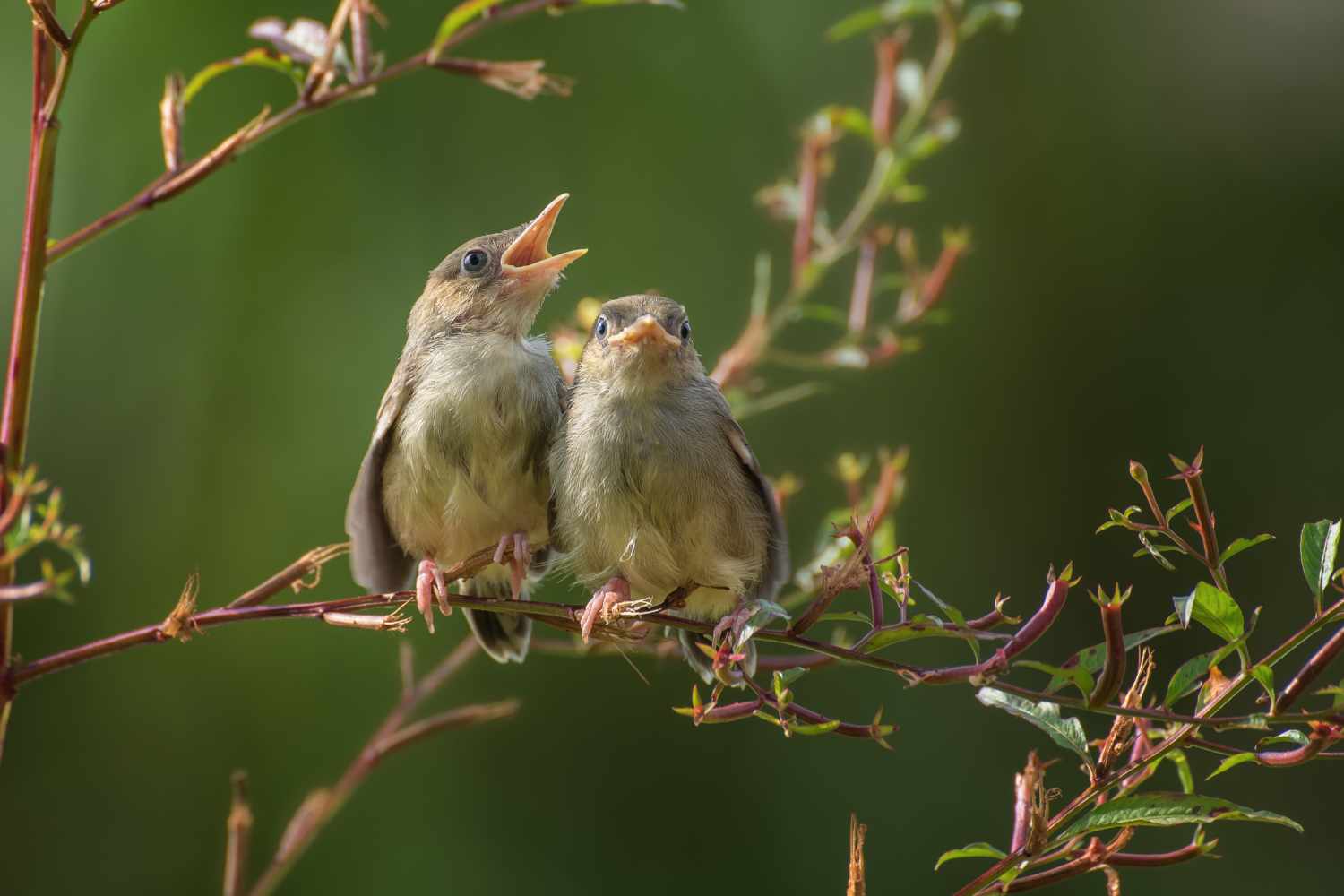
With the arrival of winter, Italian balconies and gardens are filled with feeders. A spontaneous, often affectionate gesture, born from the desire to help great tits, robins and sparrows get through the colder months. Yet, this very widespread habit hides one of the most common mistakes when it comes to urban wildlife: feeding birds without really knowing their needs.
All wild birds are protected by law in our country too. It is allowed to help them in the most critical periods, but not in an improvised way. The idea that it is enough to hang a ball of fat and feel clear with your conscience is reassuring, but not always correct, because winter nutrition only works if done with attention, judgment and minimal knowledge of the risks.
Fat balls: useful, but not all the same
Fat balls are among the most used foods. Birds like them because they provide immediate energy, which is essential on freezing nights. The problem, however, lies in quality, given that many products on the market contain poor quality animal fats, sometimes salty, which are not suitable for the digestion of birds.
Even more insidious is the casing, made up of classic plastic nets: the beak and legs can get caught, with serious consequences. It is not a rare eventuality, but a concrete risk that has long been reported by wildlife protection associations, therefore, eliminating the nets or choosing fat balls already free of dangerous packaging would be the best, simple and at the same time decisive choice for the health of our feathered friends.
Furthermore, unsuitable grease can compromise the plumage, given that if the natural insulation were altered, a night of frost would be enough to transform a good intention into a real danger.
Eat well, but also in the right place
In addition to the issue relating to the quality of the food, there is another problem, linked to the position of the manger:
Let’s not forget regular maintenance, an integral part of the help we want to offer. Clean, check, move if necessary: small gestures that make the difference.
LIPU indications: what to really do in winter
The guidelines of the LIPU (Italian League for Bird Protection) are clear: during the winter natural food is scarce and birds mainly need carbohydrates and fats to keep their energy levels high. The diet must be varied, because in our gardens granivorous and insectivorous species coexist which, in the cold months, modify their eating habits.
Alongside food, water should not be forgotten. A simple tray, to be kept clean and free from ice, is used both for drinking and for bathing. The plumage must remain in perfect condition to ensure thermal insulation.
Recommended foods:
To be offered only occasionally:
To be strictly avoided:
Really helping means choosing
Feeding birds does not mean filling the feeders without any criteria, it means making conscious choices, at the right time and in the correct way. Sometimes it is enough to remove a plastic net, change a food, move a feeder a few meters. The question, at this point, is simple: continue with automatic gestures or transform the help into real protection? The birds, silently, are already giving us the answer.
