
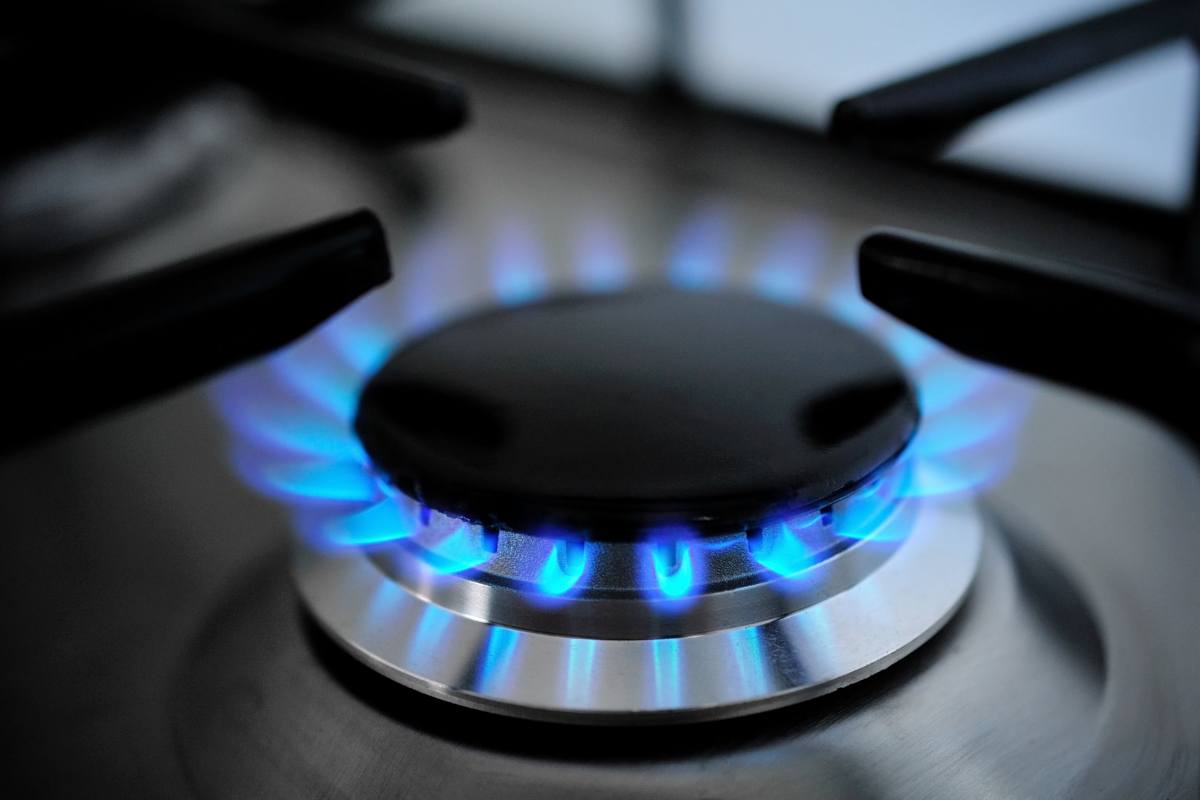
With winter and the arrival of cold weather, energy consumption inevitably increases, especially in light of the increases in gas and energy costs in recent years. So how can we warm up without suffering a blood loss?
Perhaps your pockets might appreciate a different approach, which with a few small adjustments can make the difference.
Smart heating: invest in valves and thermostat
There are more ways to make your home heating more efficient. The first step is to reduce the heating to a minimum (or completely turn it off) when you are away from home or about to go to bed. In this way we can reduce energy use by up to 30%.
If you often forget these things, or you simply want to keep the temperature control in your home under control, you can think about installing a smart thermostat. They can be controlled remotely via app, helping you manage how much energy you use during the day.
Along the same lines you can find smart thermostatic valves for radiators, which can be set to a base temperature, which they will maintain by regulating the flow of hot water in the radiators. The most advanced versions of these devices have detectors that turn off the heating when no one is present in the room, so as to minimize energy waste.
Smart valves can also be individually programmed to ensure each room has the right heat supply. By using these two appliances, you can use 10 to 18% less energy.
Thermal insulation
An often underestimated element, the thermal insulation of our home actually makes a huge difference to energy consumption, and it shouldn’t surprise us. So, if you have the possibility, installing double-glazed windows or carrying out similar modernization work will help you amortize the expense in the long term.
The expense for these jobs can be expensive, but there are also cheaper solutions to consider. It might surprise you, but just closing shutters and curtains at night or when it’s very windy can save up to 38% of energy. You could also try building some do-it-yourself “anti-draft socks”:
Use less hot water
One of the ways we can waste more hot water is by showering too long, even 9 minutes could be too long and cost us more than it should. In addition to reducing the time under water, we could opt for a slightly lower temperature.
If you have good water pressure at home, you could opt for shower heads that reduce the flow of water, helping you save some.
If you use a water heater instead of a boiler, you may also want to have it double-checked and make sure it is well thermally insulated, so as to avoid unnecessary heat loss.
Dry your laundry in the open air
Sometimes the climate works against us, giving us several days of rain in a row. In that case, we use a dryer to get rid of a few tubs of wet clothes. However, when possible, drying your laundry in the open air can be a huge help in saving energy.
Even the most energy efficient dryers can use a lot of energy compared to other appliances.
The same cannot be said of washing machines: you might think that washing by hand is more economical from an energy point of view, but in reality washing by hand often requires more hot water, especially if your washing machine has a very high energy saving value.
With these 4 methods you will be able to see a significant reduction in your gas and electricity consumption, but there are still many small measures you can put into practice. For example, checking the refrigerator seals or turning off the oven 15 minutes before the end of cooking are two small tricks to reduce energy costs.
