
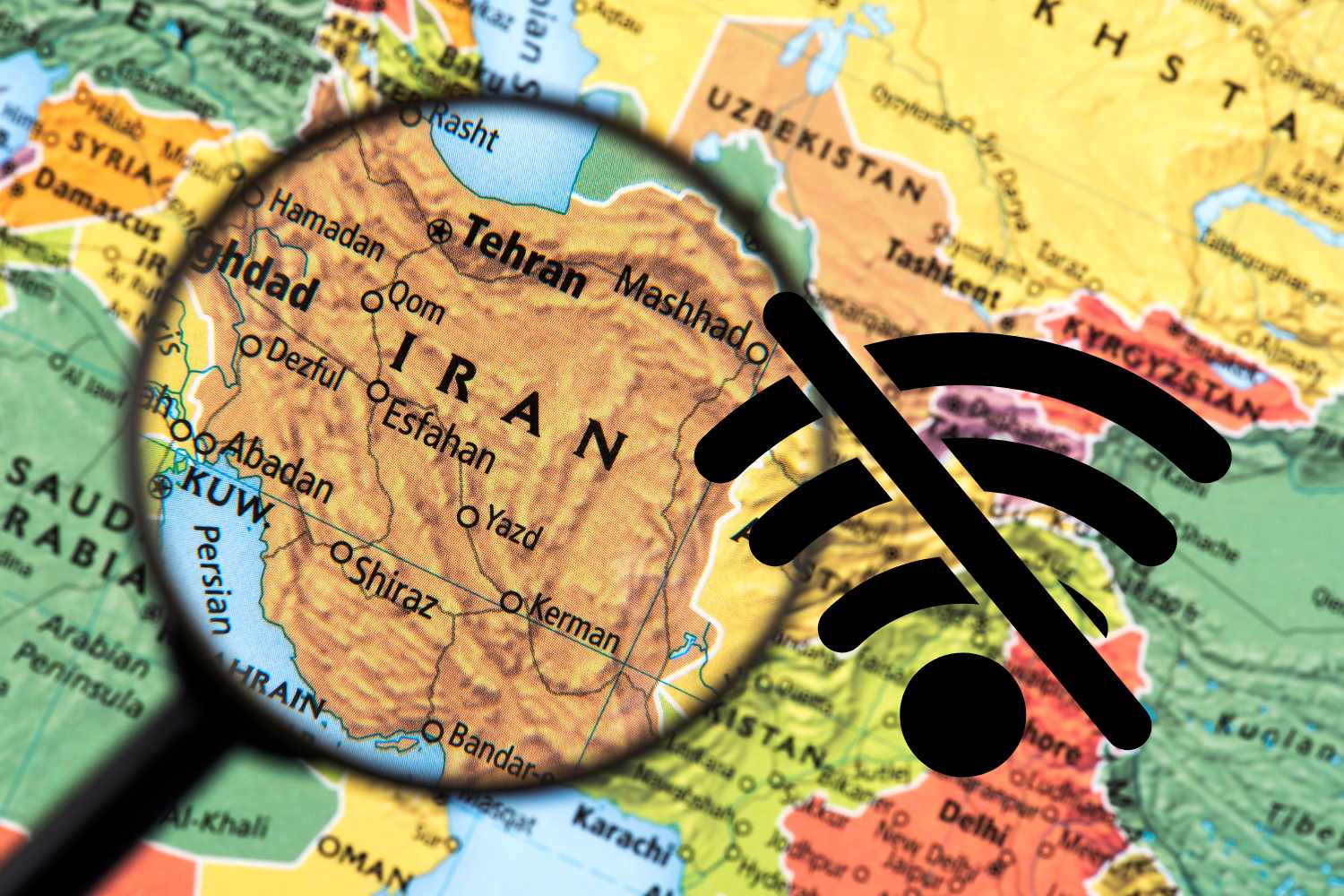
The Iranian regime is trying to silence the heated protests that have exploded in recent days with mass arrests and killings. And to isolate the country he has returned to using the vile blackout strategy: in the last 24 hours citizens have been dealing with the blocking of the Internet.
This latest widespread digital blackout in Tehran and other cities mirrors repeated blockades during major protests used to silence dissent and impede information” denounces the Committee to Protect Journalists (CPJ) – Such tactics violate freedom of expression and the public’s right to know. The international community must hold Iran accountable for its actions and push it to respect its international human rights obligations.
And while the Iranian people cannot use the Internet, Ayatollah Ali Khamenei continues to send defiant messages to Trump and accuses the protesters of “ruining their own streets to make the president of another country happy” precisely through social media that citizens cannot access
The Iranian people resist despite mass arrests and violent repression
Since the end of last year, the Iranian Islamic Republic led by Khamenei has unleashed a bloody repression against those protesting in the country. The mobilizations began on December 28, 2025 following the collapse of the local currency (riyāl) and the heavy inflation that is crushing already exhausted citizens. The heart of the revolt is the Grand Bazaar of the capital Tehran, where numerous shops have closed and gone on strike against the serious economic crisis afflicting the country.
View this post on Instagram
From there the mobilization spread to over 200 locations: this is the most important wave of protests since 2022, when Iranian citizens took to the streets shouting “Jin, Jîyan, Azadî” (“Woman, life, freedom”) to condemn the death of Mahsa Jina Amini, the 22-year-old student arrested by the police on charges of not wearing the Islamic veil correctly.
Today the Iranian people have returned to the streets to demand a more dignified future, the protection of their rights – particularly those of women – and a stop to the use of systematic violence by the authorities. Security forces have killed dozens of civilians (currently the toll is around 40 victims) while arresting over 1,200 people, many of whom were protesting peacefully.
“They opened fire from inside the base, killing at random. – a protester from Ilam province told Amnesty International, describing what happened on 3 January – Three or four people died instantly, many others were injured. The demonstrators were completely without weapons.”
Another brutal story comes from a woman from the city of Esfahan who told Amnesty International that, while she was fleeing following the violent dispersal of a protest, an officer violently knocked her to the ground and then trampled on her back.
“The more I tried to free myself, the more force he got. In the end I couldn’t move anymore. I was crying and he shouted at me to shut up,” she explained, sharing images of her bleeding face.
Iran today is a country held hostage by its own regime: those who protest are hit, those who speak out are silenced, those who resist risk their lives. The blackout is not a technical problem, but a political weapon used to censor. Yet, despite deaths, arrests and forced silence, the anger and determination of the Iranian people have not faded. Indeed, they continue to grow.
