
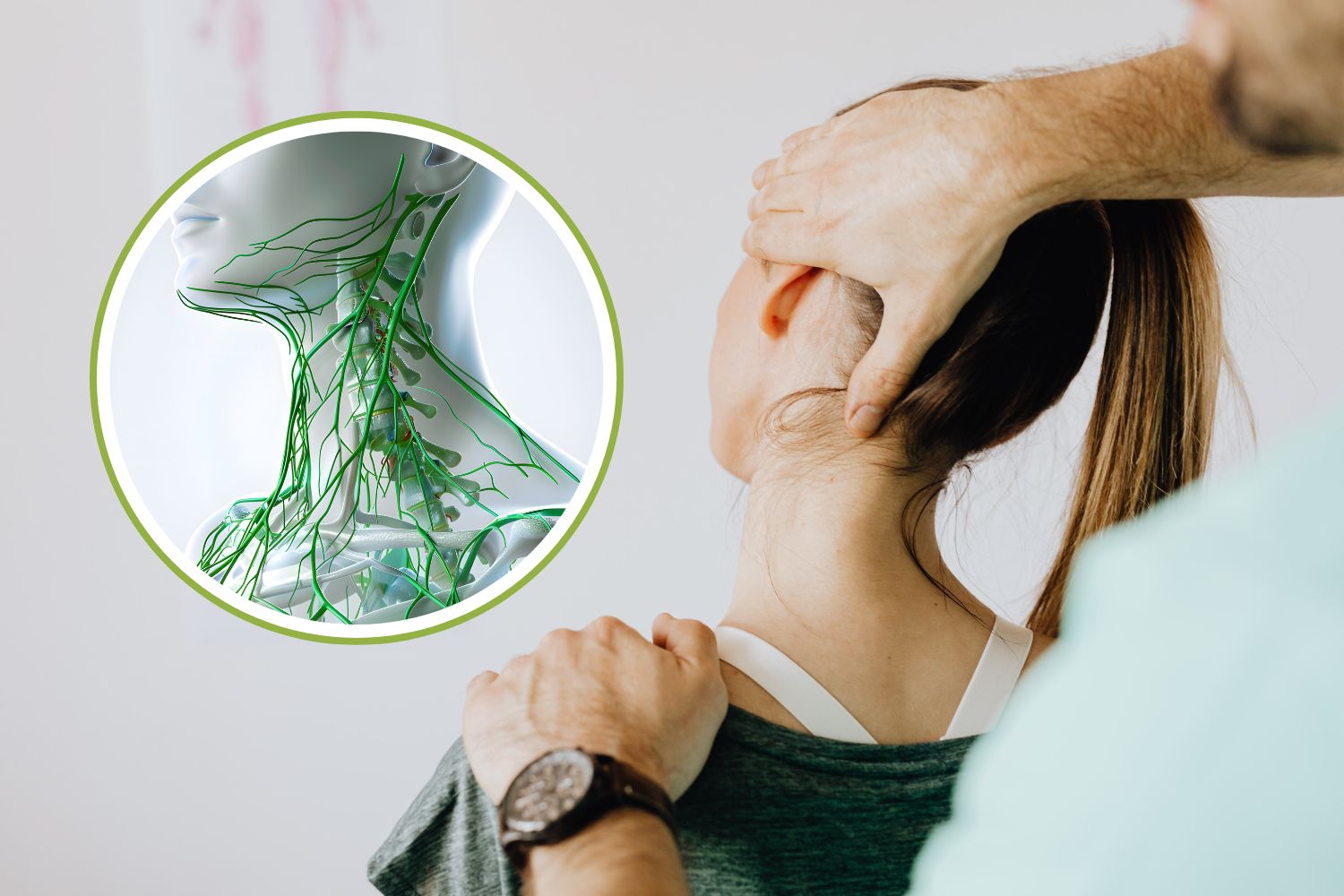
If you are reading this article on a smartphone, it is very likely that your neck is slightly leaning forward. It’s not a fault, nor a distraction: it’s simply the way we live today. We work sitting down, we communicate bent over screens, we relax in the exact same position. The problem is that the body doesn’t like to stay still for too long, and the neck is often the first to suffer the bill, in the form of stiffness, discomfort or that dull pain that reaches the shoulders and doesn’t go away.
In recent years, physiotherapists and researchers have started to talk more and more about tech neck, a condition linked to the prolonged use of digital devices. It is not a linguistic trend, but a reality that concerns adults, adolescents and even children. This is confirmed not only by daily experiences, but also by recent scientific studies that show a clear link between posture, sedentary habits and neck pain.
The importance of breaks
According to Rocco Cavaleri, senior professor of physiotherapy, the point is not to stand “straight like toy soldiers”, but to interrupt the static state. Remaining seated for hours, even with an apparently correct posture, still creates tension. Getting up every half hour or so, even just for a minute, allows the body to reorganize itself. The neck, in particular, benefits from these micro-movements much more than you might imagine.
A vision also shared by Julia Treleaven, who underlines how useful frequent small corrections are. There’s no need to turn your day upside down or turn your office into an improvised gym. Just remember to stretch your neck, open your shoulders slightly, change your position. It’s a simple way to tell the body, “I’m listening to you.”
Listening to the signals is essential. Poonam Mehta invites us not to ignore the appearance of tension or discomfort, because often that is where the body asks for a break. When it’s not possible to get up, even changing activities can make a difference. Shifting your attention from the screen, making a phone call, looking out the window, moving your head slowly are minimal but effective gestures. As Peter Stubbs reminds us, variety of movement is an often underestimated form of prevention.
Bring the screen to eye level to counteract tech neck
Scientific research also reinforces these indications. A study published in the journal Children of MDPI analyzed the phenomenon of tech neck in children and adolescents, showing that regular breaks, attention to posture and use of ergonomic supports are associated with a significant reduction in cervical symptoms. The interesting fact is that we are not talking about complex solutions, but about daily habits. Those who stop, those who change position, those who bring the screen to eye level experience less pain and a lower impact on the quality of life. A message that also applies to adults, especially in an era in which work and free time both pass through the same device.
Precisely the height of the screen is a crucial issue. Bringing the phone or computer towards your gaze, instead of bending your neck downwards, significantly reduces the load on the neck. Small measures, such as a laptop stand or a simple booster seat, help more than they seem. Even moving the monitor slightly during the day forces the neck to rotate naturally, avoiding that fixity that stiffens the muscles.
When tension is felt, the movement must be gentle. Cracking your neck or forcing stretches may provide temporary relief, but it doesn’t solve the problem. Physiotherapists suggest slow, controlled mobilizations, which can also be done while sitting. The neck loves fluid gestures, not jerks. Following the movement with your breath helps to loosen not only the muscles, but also that component of stress that often accumulates between the shoulders and trapezius.
And then there’s the rest of the day, outside of working hours. Walking, taking a short walk, choosing the stairs, moving even when you have little time. Regular physical activity keeps your neck stronger and more responsive. Sleep also matters: sleeping with adequate support and in a neutral position reduces the nighttime tensions that we often carry with us when we wake up.
Ultimately, taking care of your neck doesn’t mean adding another commitment to your never-ending to-do list. It means returning to inhabit the body, remembering that we are not designed to remain immobile in front of a screen. The neck doesn’t ask for miracles, but attention. And when we start giving it to him, he often responds much better than we expect.
Source: Children
You might also be interested in:
