
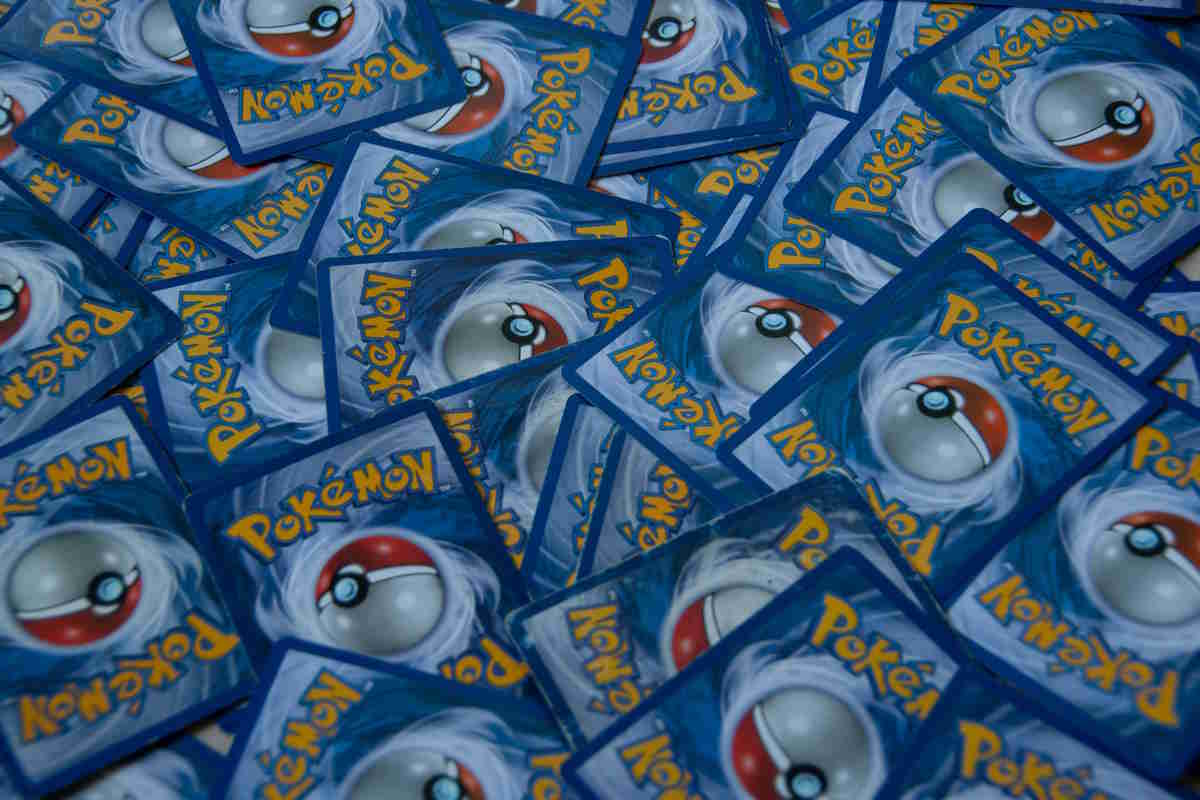
Those old Pokémon cards in the back of your closet could be worth a fortune, but they could also cost you dearly in taxes without you realizing it.
From playground game to tax issue
Launched in 1996, Pokémon cards have been synonymous with childhood and playtime for years. Today, in 2026, they have become a real market: some examples fetch thousands of euros on resale platforms and in specialized boutiques, fueling a surprisingly dynamic sector. A phenomenon that has not escaped the tax authorities.
In France, any sale above 5,000 euros is subject to a flat rate taxation of 36.2%, which includes income tax and social contributions, the same logic applied to other valuables such as works of art or jewellery. Below this threshold, the sale remains exempt: reselling some paper to round up does not trigger any tax alarm. But when the numbers start to rise significantly, being unprepared can turn good news into a very bitter surprise.
The border between collector and dealer
The critical point occurs when we move from occasional sales to systematic purchases aimed at resale. In that case, the tax administration no longer considers the activity a simple hobby, but a full-fledged commercial activity, with all that entails on a bureaucratic and tax level.
Concretely, this means having to open an appropriate tax position, for example as a micro-entrepreneur, and declare the proceeds in the category of industrial and commercial benefits. Anyone who omits these formalities risks a tax assessment, with sanctions that can make the deal much less convenient than expected. What seemed like a smart little gain can quickly turn into a far from negligible administrative burden.
The most expensive card in history
To testify how extraordinarily serious the Pokémon market has become, there is a record that has gone around the world. The PSA 10 graded Pikachu Illustrator, sold by YouTuber Logan Paul to AJ Scaramucci for $16.49 million, is now certified by the Guinness Book of World Records as the most expensive trading card ever sold at auction. A single piece of cardboard is worth more than a luxury villa: it is difficult, at this point, to continue talking about a simple hobby.
The Italian question
In Italy, the picture is less automatic than in France but no lighter for this. The occasional sale of Pokémon cards, for example some pieces found at home and resold sporadically, generally falls under various incomes and, if truly episodic and without speculative intent, may not even generate significant tax obligations. The problem arises when the numbers grow or, above all, when the activity becomes habitual: buying cards to resell them at a profit triggers the qualification as a commercial activity. In that case it is necessary to open a VAT number, choose a tax regime, often the flat rate for small operators, and declare the earnings, with taxation and contributions included.
Even without an organized structure, the Revenue Agency can contest habit on the basis of the frequency of sales, volumes and operating methods, such as the use of online platforms, stock management or the presence of systematic margins. Translated: there is no magic exemption threshold, but a thin line between hobby and business which, if crossed without realizing it, can lead to investigations, tax recovery and sanctions.
A market that reflects the times
The story of the Pokémon cards is emblematic of a broader and growing phenomenon: objects born as toys or pastimes which over time are revalued to the point of becoming real financial assets, inevitably coming into the sights of the legislator. The same process is affecting, for example, collectible LEGO sets, which are also enjoying strong appreciation and potentially destined for similar tax regulation in the coming years.
The advice, therefore, is not to rush, before putting any valuable card up for sale, it is worth estimating the market price carefully, finding out about the tax rules applicable to your specific case and, when the numbers involved are relevant, contacting a professional. Because sometimes impulsiveness, or simply ignorance of the rules, ends up costing much more than the taxes themselves.
