

There are different houseplants that can grow and thrive well even on the windowsill, and today we want to show you the 10 most beautiful ones.
Before getting to know them specifically, however, it is good to remember what the main elements are to consider to make them grow well and healthy.
For example, cacti and succulents are the perfect choice for east- and south-facing windowsills, as most need several hours of direct sun to thrive.
These conditions, however, can be excessive for leafy plants, which can suffer from leaf scorch: west-facing windowsills are more appropriate for these plants.
The low light levels of a north-facing windowsill are perfect for shade-loving houseplants such as streptocarpus.
Keep in mind that day and night temperatures on your windowsill can vary greatly, and can drop a lot in winter.
Some houseplants that are happy in the summer may need to be moved to a warmer location in the fall, even if they receive less light.
How to grow houseplants on a windowsill
The first thing to keep in mind is which direction the window faces, and how much or little sun it gets; accordingly, choose your houseplants based on their light needs. Measure the window sill and then choose the pots or planters.
Water thoroughly, allowing the water to drain before placing the plants on the windowsill. Check them regularly for the first two weeks for any signs of stress, cold or leaf scorch.
Below are the 8 plants to grow on your windowsill.
Pilea peperomiodes
Sometimes called the missionary plant, the Pilea perperomiodes It’s a low-growing house species with fleshy leaves, perfect for a windowsill. Choose a bright spot away from direct sunlight for best results.
It can also tolerate lower light levels, but its leaves may become darker.
Alocasi
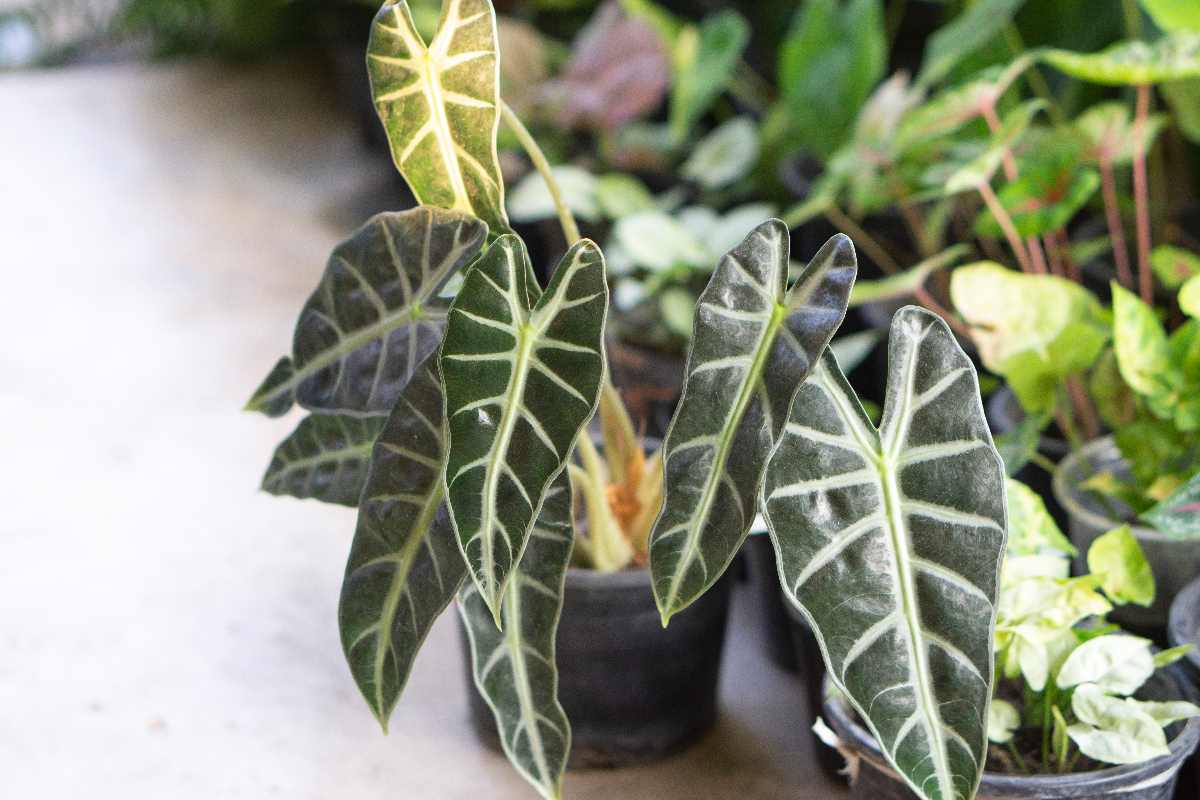
It is a compact cultivar with shiny, veined leaves. It thrives in bright, warm conditions, with high levels of humidity. A large windowsill in a bright, steamy bathroom is ideal.
Succulent

Low growing and tolerant of a range of light levels, succulent plants, such as aloes, agaves, echeverias and crassulas, are perfect for growing on windowsills. Most thrive in full sun and require very little watering.
Cactus
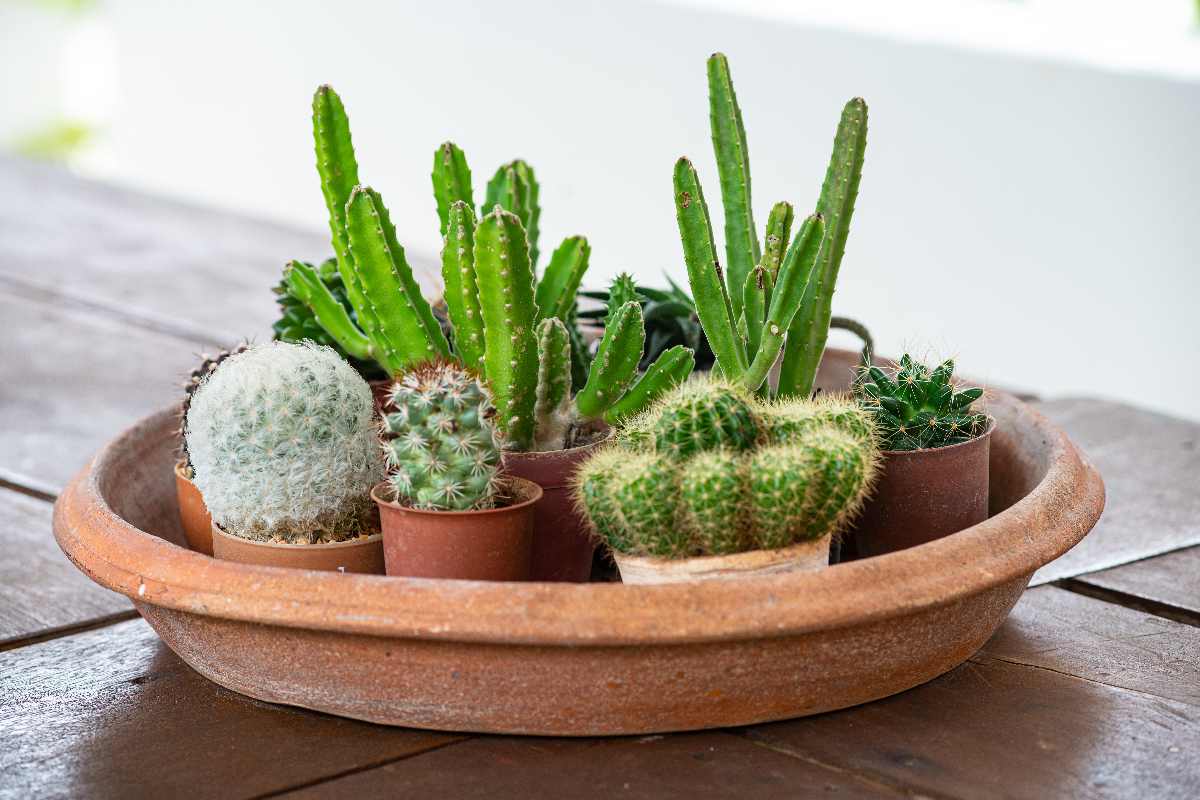
Cacti are slow growing and perfect for growing on sunny windowsills. Plant your cacti in porous terracotta containers in gritty compost, to provide them with adequate drainage and reduce the chances of them rotting.
Monstera oblique
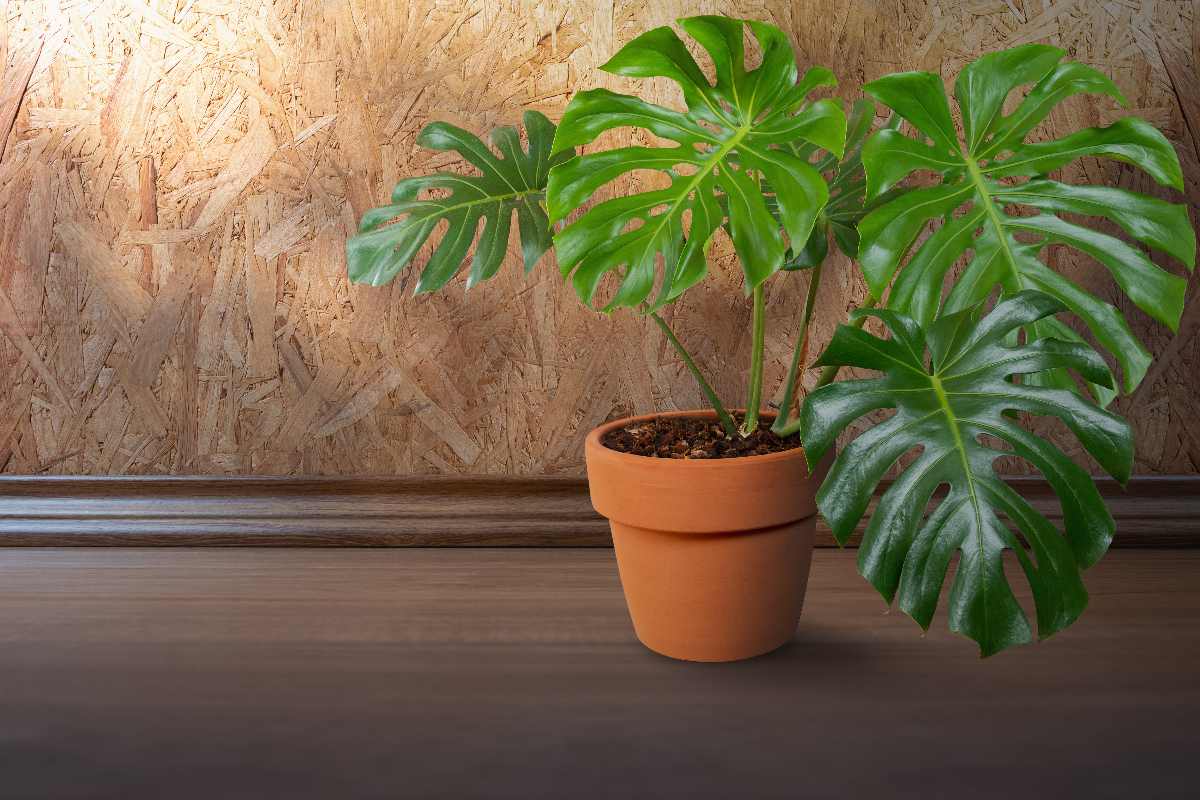
It has the same perforated leaves as the monstera, although compared to the latter the oblique species is smaller and spills over the edge of the vase.
Grow it in a bright spot, but out of direct sunlight. Remember that it prefers a humid environment, so we recommend growing it on the bathroom windowsill.
Streptocarpus
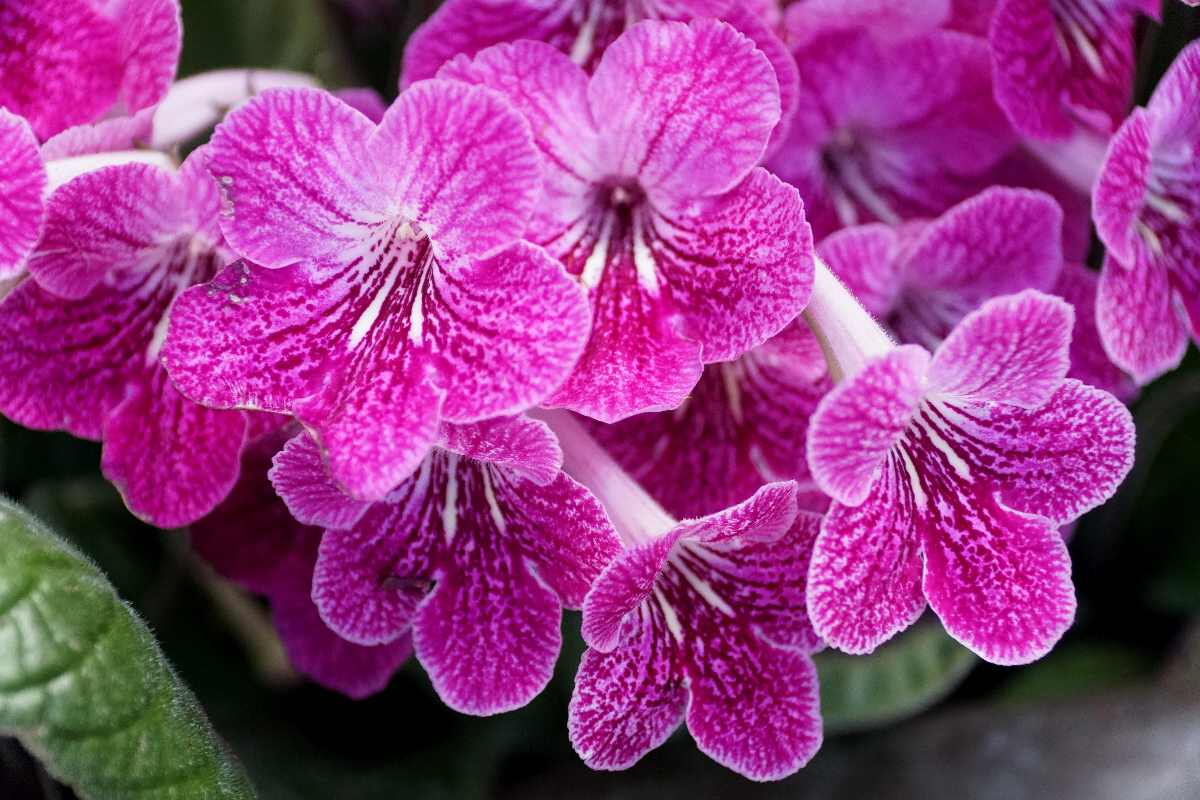
Native to South African woodlands, it thrives in low light conditions. For best results, place the plant in an area of bright but not direct light, ideally on a north or west facing windowsill.
Venus fly trap
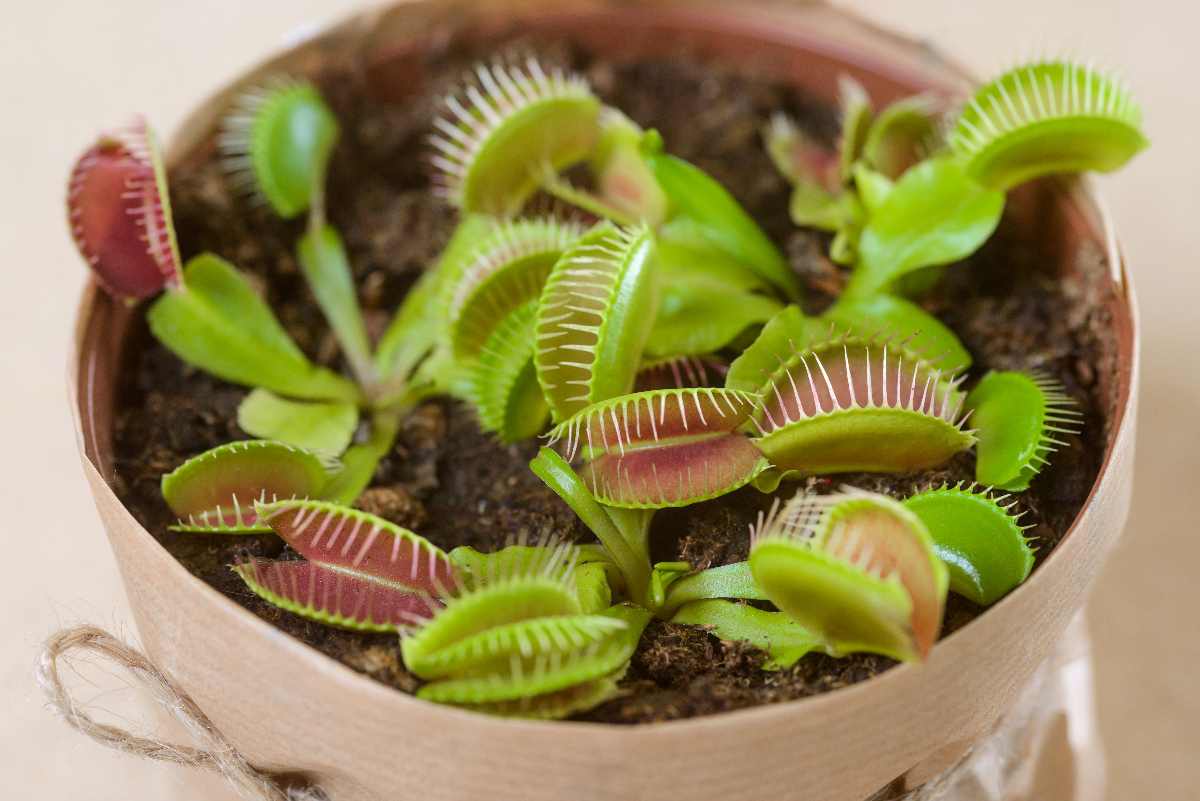
Also known as Dionaea muscipulathis species thrives on a sunny windowsill, ideally in a bathroom, as humid conditions will replicate its native subtropical habitat.
Pelargoniums
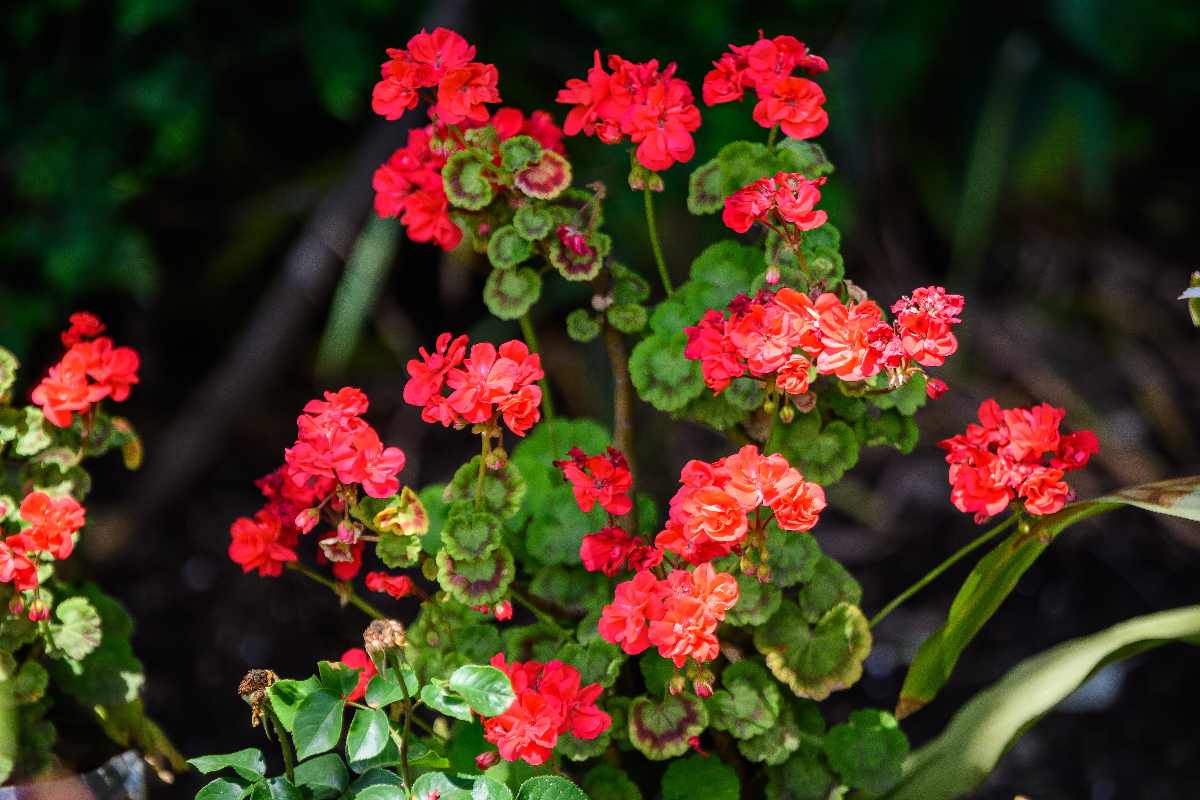
These plants are usually grown outdoors in the summer, they are not hardy and benefit from being moved indoors during the winter. Choose a bright windowsill in full sun.
Aromatic herbs

A sunny windowsill is also the right place to grow aromatic herbs, a category often overlooked in articles on indoor plants but much sought after by those who love to cook. Rosemary, basil, thyme and mint grow well in single pots or in elongated planters, as long as they receive at least four or five hours of direct light a day. The advantage is double: they decorate the windowsill and are always ready to be used in the kitchen.
Calathea
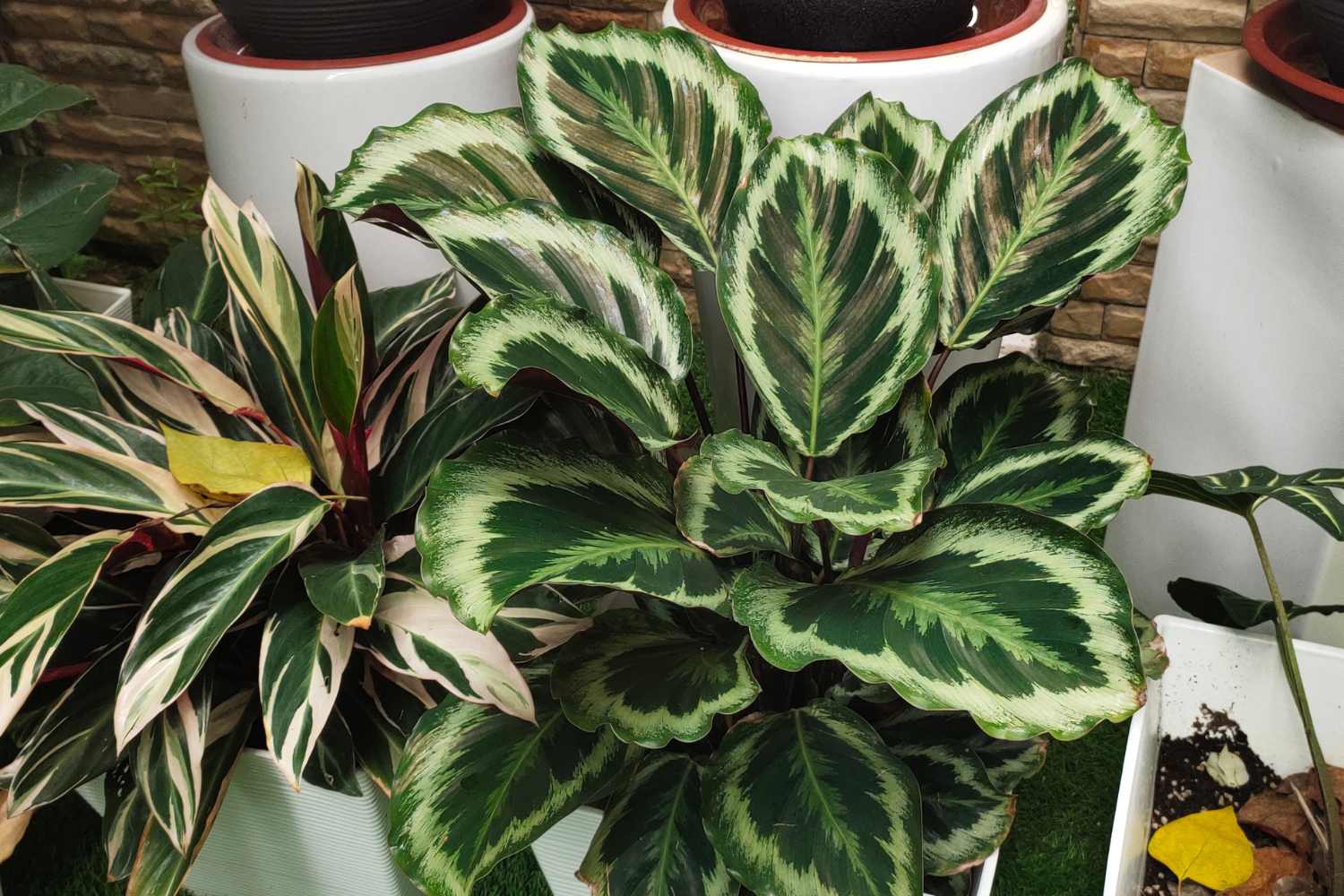
The calathea is a tropical plant with large leaves decorated with geometric patterns that appear hand-painted — dark green, burgundy, light streaks. It thrives in bright positions but without direct sun, making it perfect for north or east facing windowsills. It needs constant humidity and regular watering with non-calcareous water: it is a somewhat demanding plant, but it repays with an extraordinary beauty.
Which vases to choose?
Today, those who grow plants on the windowsill pay more and more attention to materials. Unglazed terracotta pots are preferable both for the environment and for the health of the roots, which breathe better than plastic. A valid alternative are recycled plastic vases, which are increasingly popular and available in many shapes and sizes. It is also worth considering self-watering planters: equipped with an internal water reserve, they are ideal for those who have little time to dedicate to daily watering and reduce the risk of excessive watering.
Be careful of the heat in cities
In cities, south- or west-facing windowsills can reach much higher temperatures than expected, especially in summer, due to urban heat islands. Heat reflected from glass can stress even the most resistant plants. In the months of July and August it is advisable to screen the plants during the hottest hours, move them slightly inside or opt for filter curtains that reduce direct radiation without removing the light.
Drainage: a detail that makes the difference
One of the most common mistakes with windowsill plants is underestimating drainage. Water stagnation in the saucer is one of the main causes of root deterioration, even in apparently more robust plants. It is important to always use draining substrates – enriched with coarse sand or perlite – and empty the saucer regularly, particularly in the rainier months. A small layer of gravel in the bottom of the pot can make a noticeable difference.
You might be interested in:
