
Every year, over a thousand tourism professionals gather around a single question: which beach, among all those overlooking the European continent, really deserves to be called the most beautiful? The 2026 ranking of the 50 Best Beaches in Europe is the answer, and this year it speaks, for the most part, in Italian. Out of fifty coastlines selected between Norway and Cyprus, between Albania and Iceland, nine belong to Italy, almost all in Sardinia. A domain that does not surprise anyone who knows the island, but which, seen in black and white, still makes a certain impression.
The podium
Fteri Beach, Lefkada
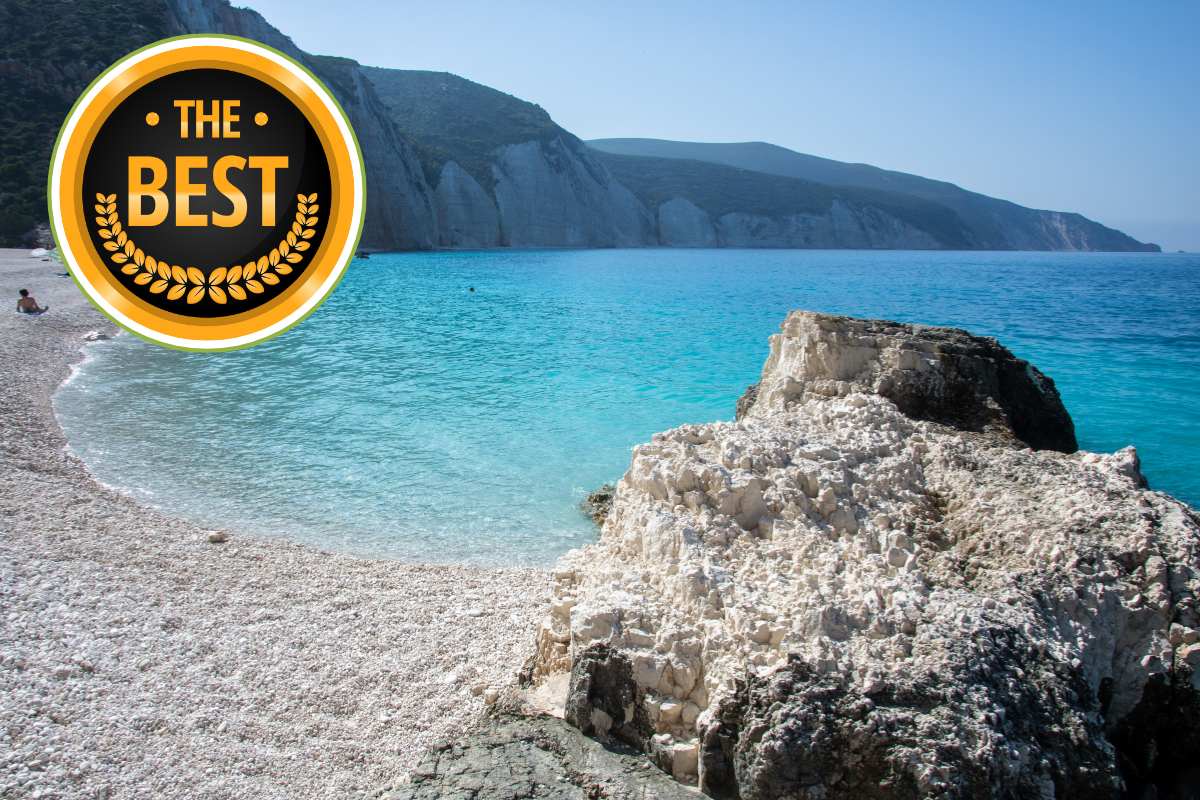
The absolute summit belongs to Greece. Fteri Beach, on the island of Lefkada, is a beach that is not reached by chance: it takes a walk on a steep path, and in the end the landscape that opens up is something difficult to describe in words. The water is intense turquoise, framed by white cliffs and the almost total absence of infrastructure.
Cala Macarella, Menorca

In second place is Cala Macarella, in Menorca. Spain brings to the list one of the most photographed coves in the western Mediterranean: a crescent of very white sand surrounded by pine trees that descend almost to the water, with a shade of blue-green that seems to have come out of Photoshop, but is actually real. Menorca protects this corner carefully: controlled access and no intrusive establishments.
Cala dei Gabbiani, Sardinia
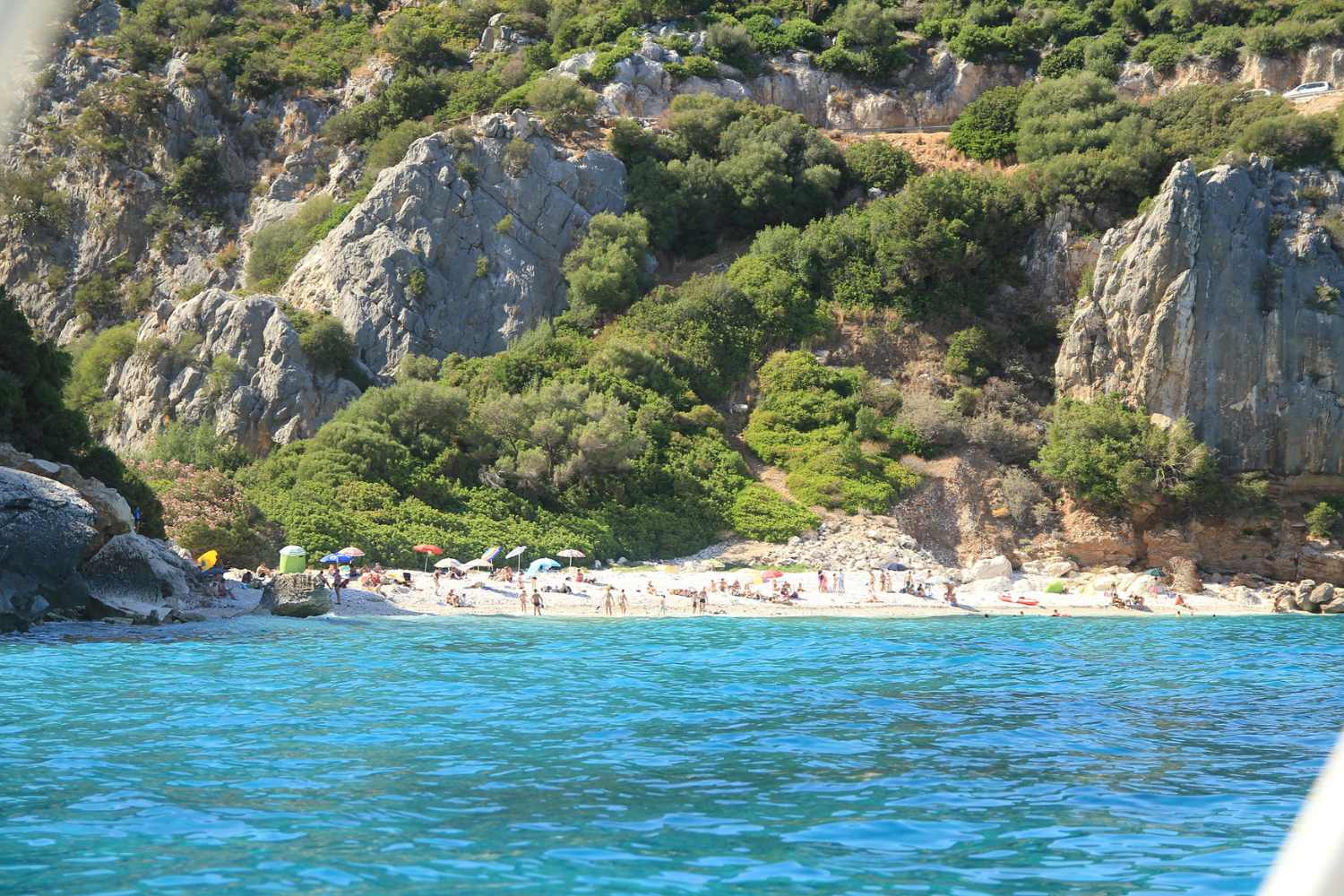
Third overall, and first Italian: Cala dei Gabbiani, in the heart of the Gulf of Orosei, in the territory of Baunei, in Ogliastra. The water goes from pale green to deep blue with a gradualness that seems almost studied, the sand is fine and clear, and the natural context around – dunes, Mediterranean scrub, silence – does the rest. Being on the European podium is no coincidence.
What are the other Italians in the ranking
Nine appearances in fifty places. A result that puts Italy immediately behind Spain, first in terms of number of beaches on the list, and ahead of everything else. And the interesting thing is that almost all the selected Italian beaches share a precise characteristic: they are never umbrella beaches. They are places where nature still has the last word, they are difficult to reach, and therefore even more precious and to be protected.
La Pelosa, Sardinia
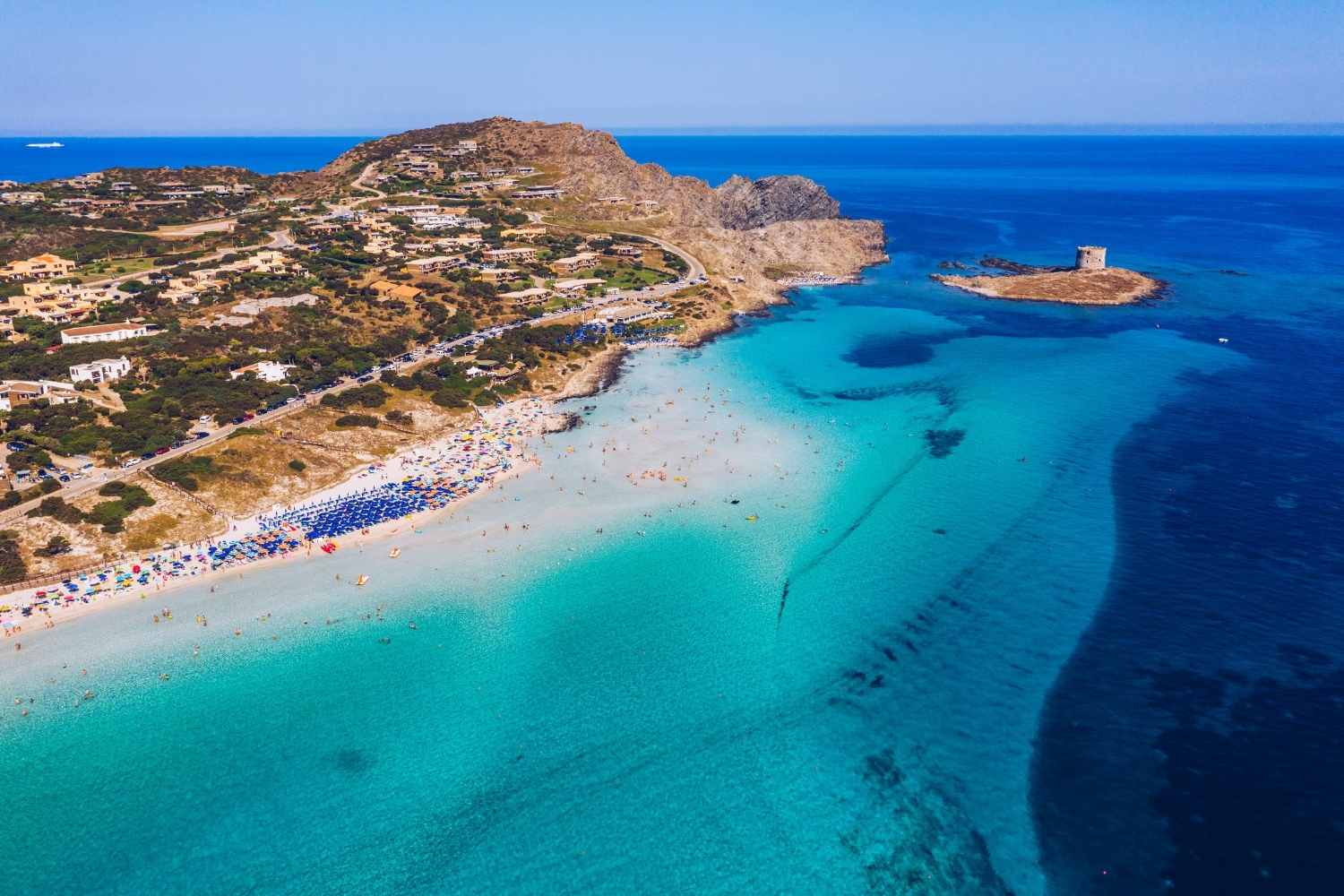
La Pelosa is perhaps the most famous Sardinian beach abroad, and the tenth place in Europe confirms this. We are in the extreme north-west of the island, in Stintino, and the view that opens up, with the islet of the Torre della Pelosa in the backlight and that very shallow water the color of sugar paper, has become a symbol of Sardinia in the world. Access has been restricted for years to protect the seabed, but those who manage to get there understand why it is worth organizing.
Tuerredda, Sardinia
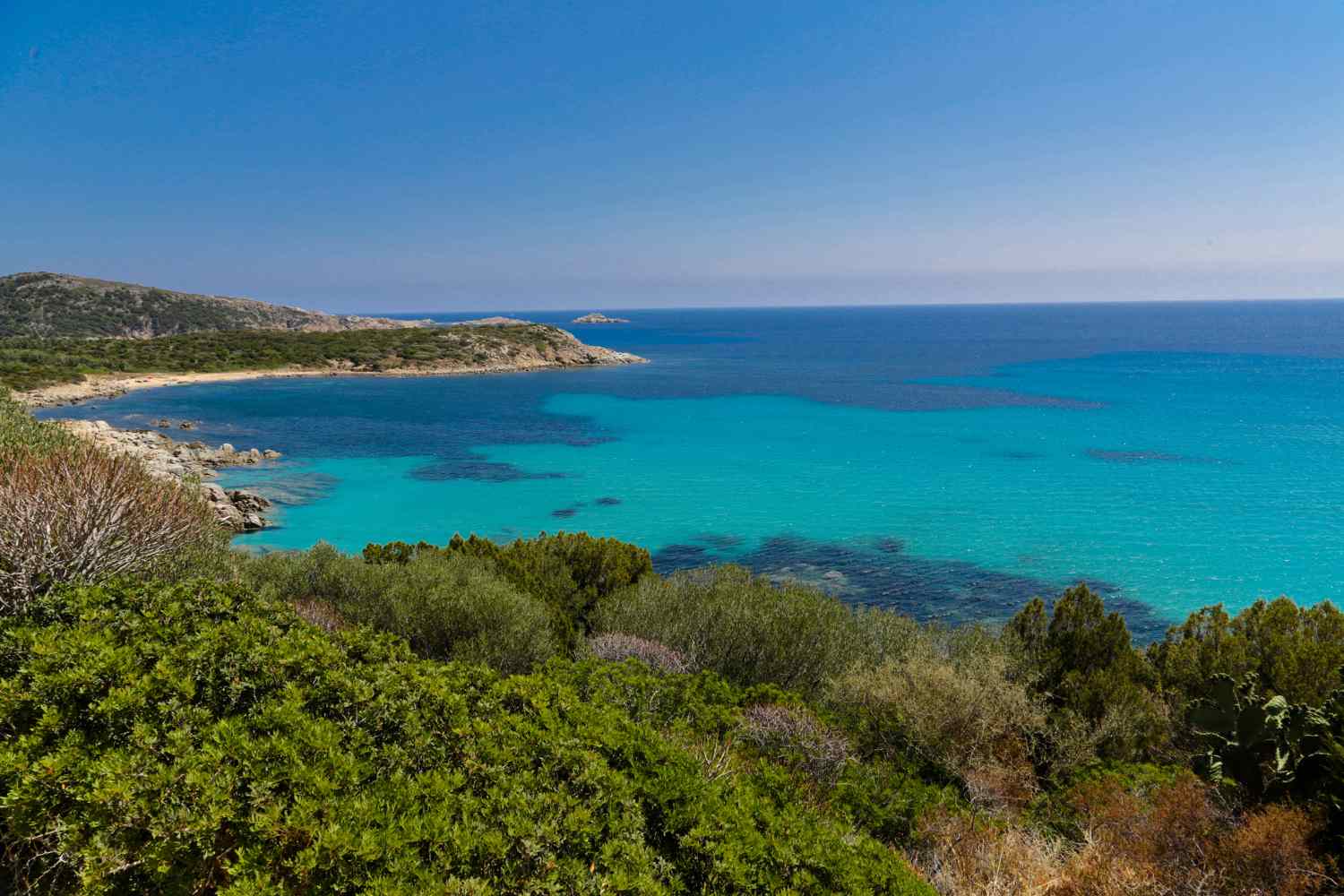
Tuerredda, in Sulcis, is a beach that divides Sardinians themselves: there are those who consider it overrated and those who can’t stop going back. The ranking says that the second group is right. White sand, a small, low island just a few strokes from the shore, transparent water to a surprising depth.
Cala Coticcio, Sardinia

Cala Coticcio, on the island of Caprera in the Maddalena archipelago, is known among Sardinians as “Tahiti”. Reachable only by sea or after a long walk, it has that rare quality of earned beaches: the journey to get there is part of the experience.
Praia i Focu, Calabria
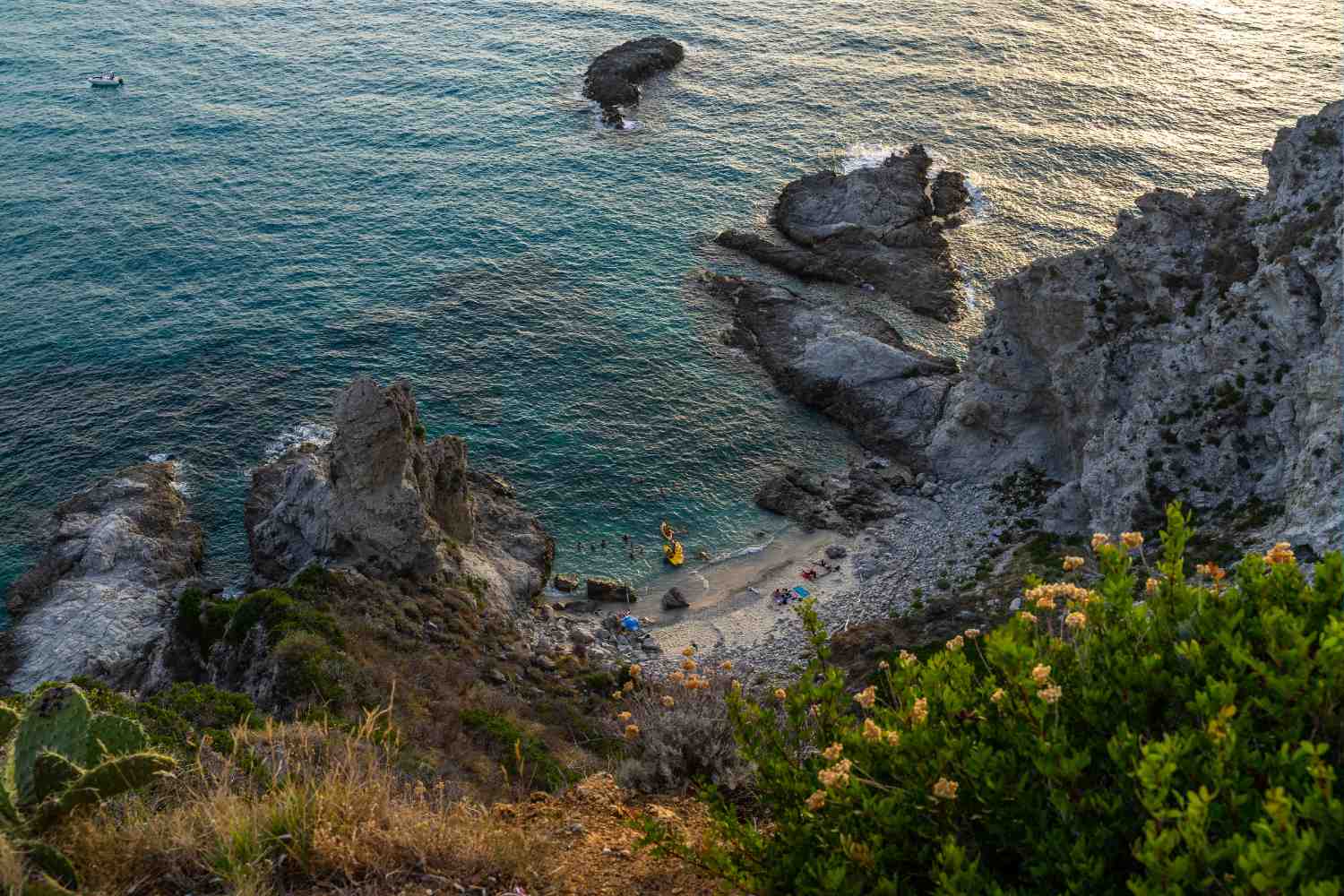
Praia i Focu is perhaps the least known of the Italian list, and this is probably the secret of its charm. It is located near Capo Vaticano, in the municipality of Ricadi, in Calabria. It is not a single beach: they are three small coves separated by blocks of rock that emerge from the water with a certain authority. It is this fragmentation that makes it special. There are no roads that lead there. It is one of those places that has to be earned, and this fact, more than any other, explains why it has remained as it is. You almost always arrive by sea, with small boats or local transport that leaves from the nearby beaches. Those who prefer walking on their feet rather than boats can follow the paths that lead down to the coves, but they are not equipped paths: rocks, uneven terrain, no signs.
Arutas, Sardinia
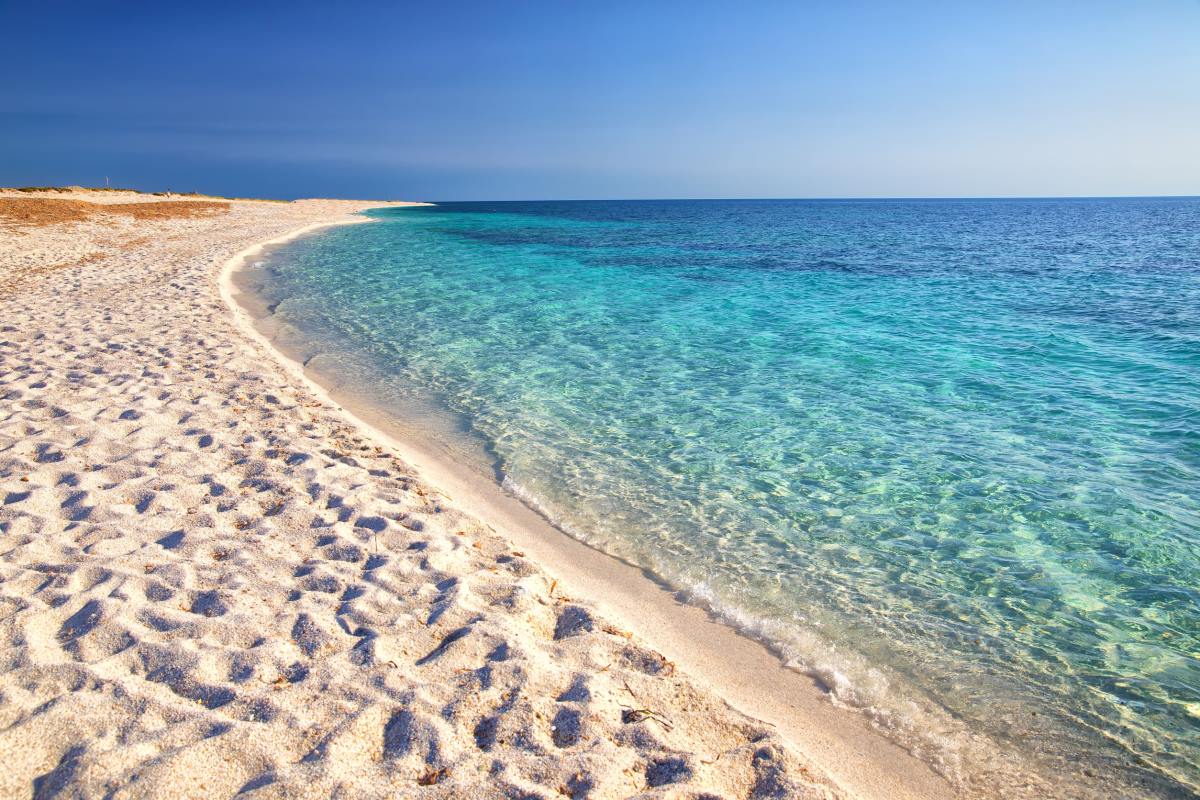
Arutas is a case in itself: its sand is made of grains of white and pink quartz, so large and rounded that they look like rice. You can’t take it away, it’s forbidden and there are controls, but you can sit and look at it for a surprisingly long time.
Zingaro beach, Sicily
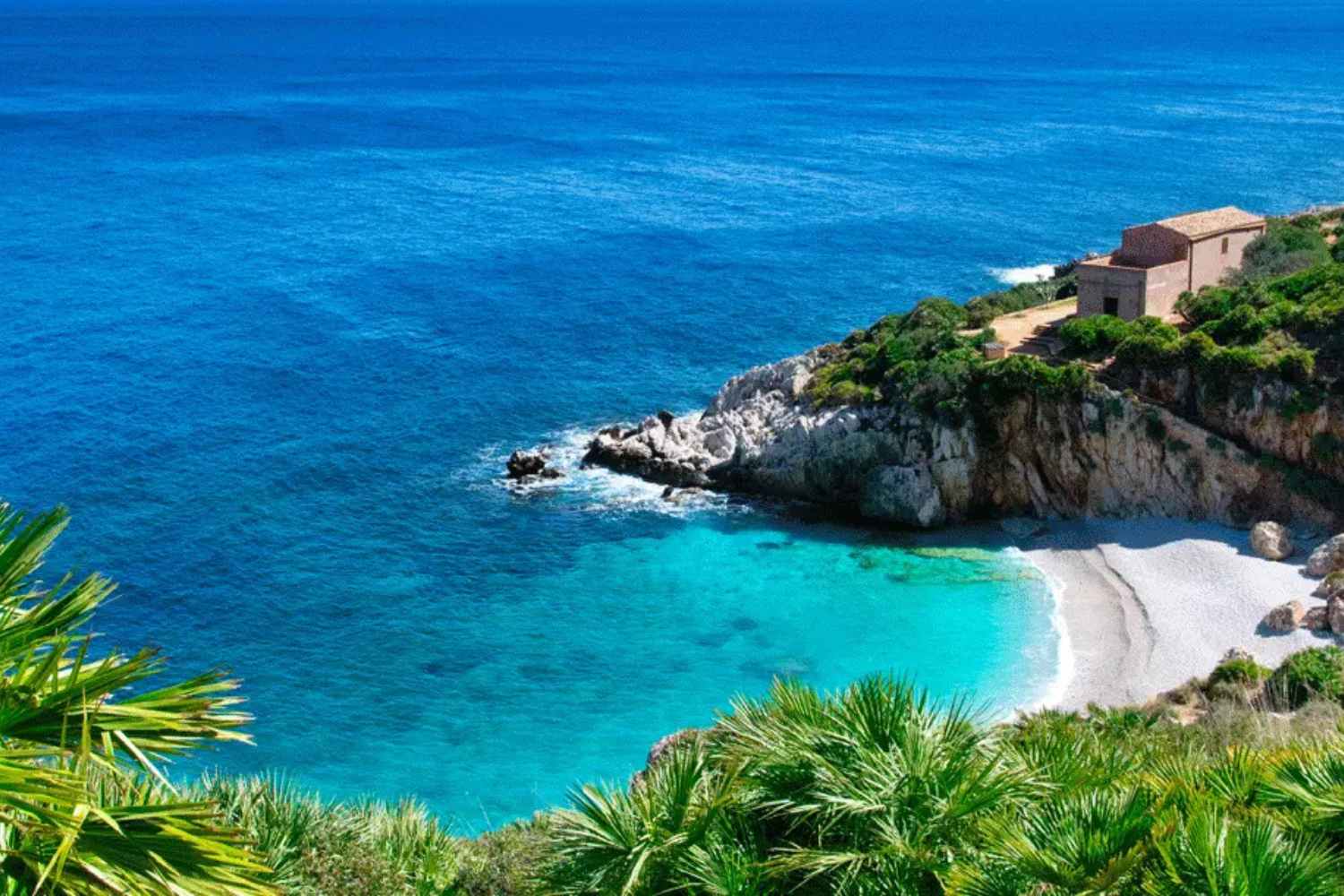
Spiaggia dello Zingaro, in Sicily, is part of the Zingaro Nature Reserve, the first marine nature reserve in Sicily, and can only be reached on foot. The water is crystal clear, the coast is rocky and wooded, and the entire area has remained essentially untouched since the arrival of mass tourism.
Cala Brandinchi, Sardinia

Cala Brandinchi, in the north-east of Sardinia, is another of those beaches that seem too good to be true. The shallow seabed extends for a long time before becoming deep, giving a water color that varies from white to aqua green to cobalt in a few tens of metres.
Cala Luna, Sardinia
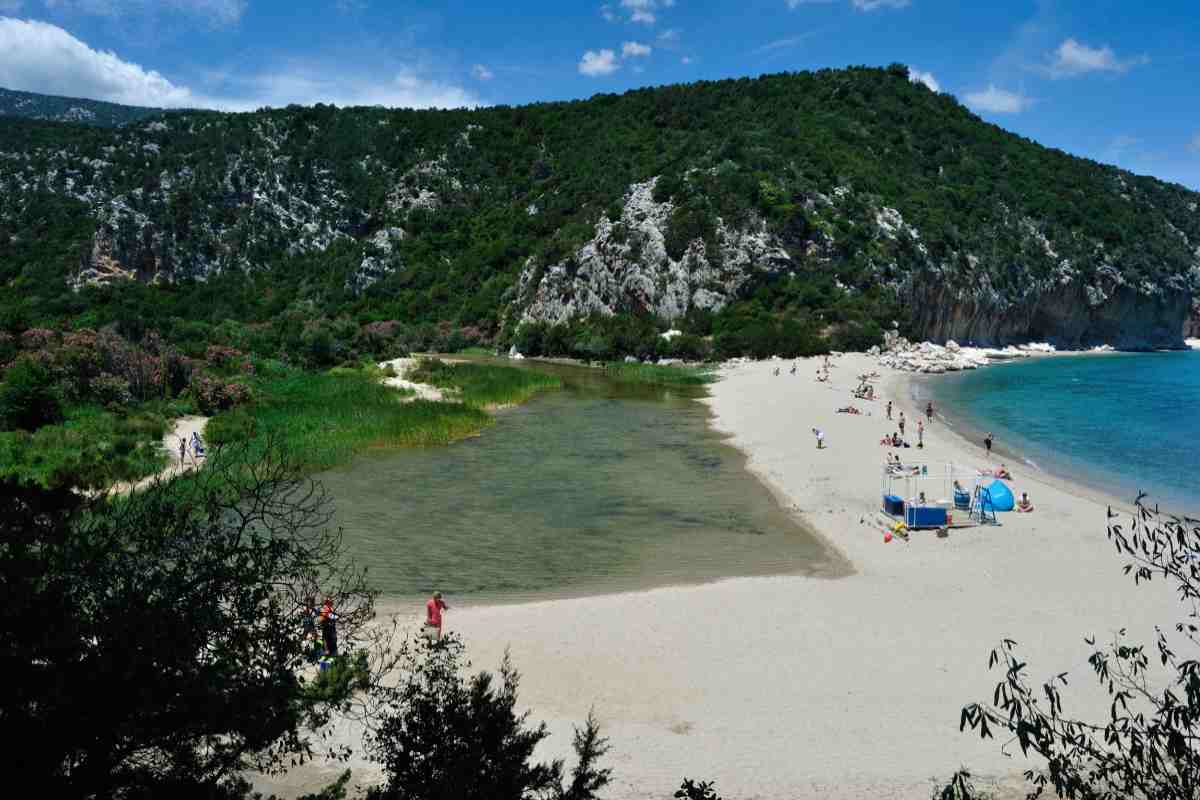
Cala Luna, in the Gulf of Orosei, closes the Italian list in 46th place but is anything but a second best. Reachable by boat or after hours of trekking on the coastal path, it is a large crescent-shaped beach with a series of caves behind it that open onto the sand. It’s the kind of place that those who have been there tend not to forget.
The complete ranking
- Fteri Beach — Greece
- Cala Macarella — Spain
- Cala dei Gabbiani — Italy
- Kaputas — Türkiye
- Porto Katsiki — Greece
- Santa Giulia — France
- Playa Cofete — Spain
- Praia da Falésia — Portugal
- Porto Timoni — Greece
- La Pelosa — Italy
- Keem Beach — Ireland
- Playa Bolonia — Spain
- Tuerredda — Italy
- Podrace Beach — Croatia
- Caló des Moro — Spain
- Ölüdeniz — Türkiye
- Grama Bay — Albania
- Playa de Rodas — Spain
- Cala Coticcio — Italy
- Playa de Sotavento — Spain
- Praia i Focu Beach — Italy
- Voutomi Beach — Greece
- Seixal Beach — Madeira
- Puinn Sand Beach — Norway
- Palombaggia — France
- Kynance Cove — England
- Praia do Camilo — Portugal
- Gjipe Beach — Albania
- Hovolo Beach — Greece
- Golden Beach — Cyprus
- Sarakiniko Beach — Greece
- Pasjača Beach — Croatia
- Arutas Beach — Italy
- Ses Illetes — Spain
- Jaz Beach — Montenegro
- Zingaro Beach — Italy
- Zlatni Rat — Croatia
- Diamond Beach — Iceland
- Punta Rata — Croatia
- Cala Brandinchi — Italy
- Haukland Beach — Norway
- Sakarun — Croatia
- Caló des Marmols — Spain
- Elafonissi Beach — Greece
- Lotu Beach — France
- Cala Luna — Italy
- Achmelvich Beach — Scotland
- Alzada Beach — Spain
- Kelebekler Vadisi Beach — Türkiye
- Cala Moraig – Spain
