
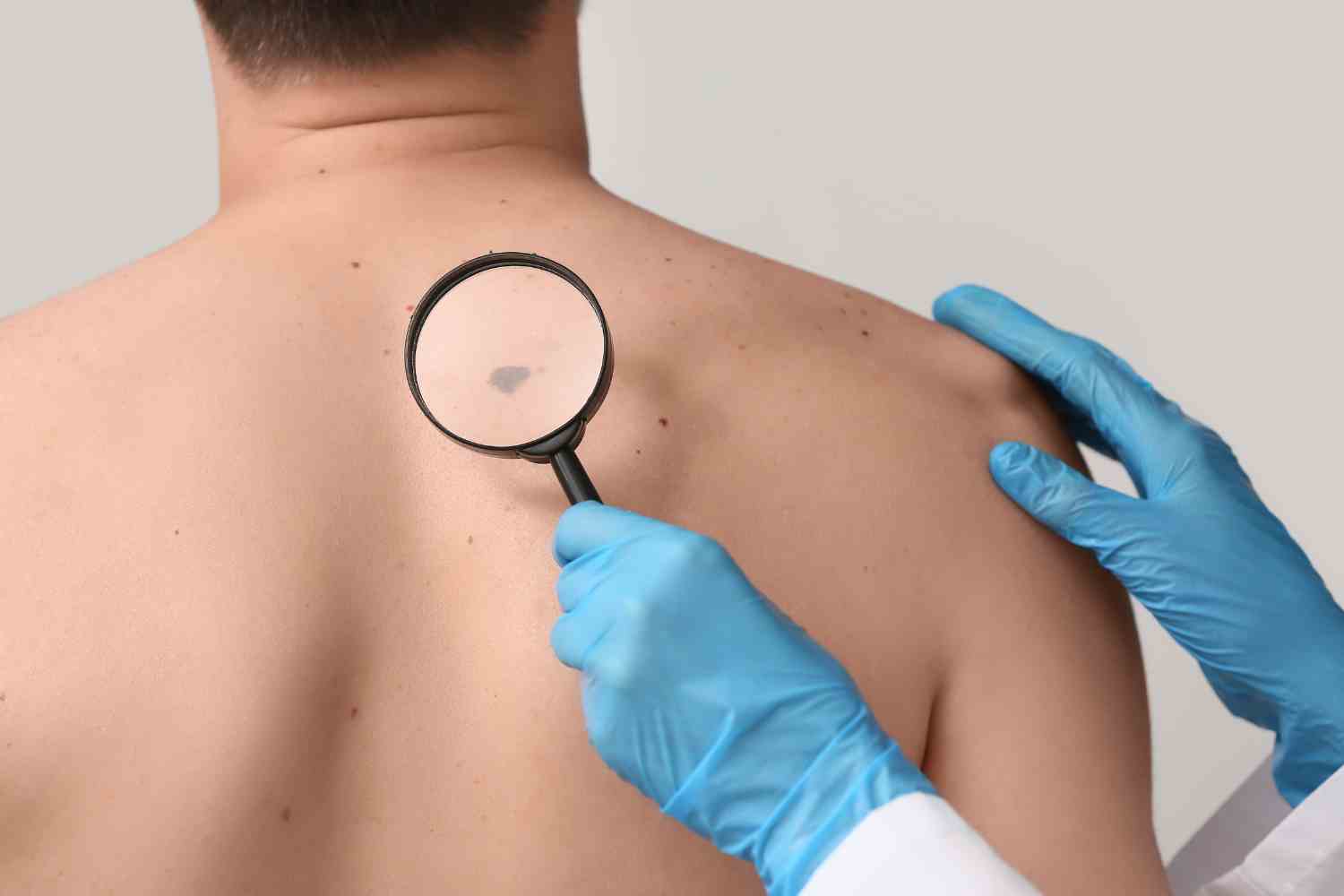
Every year, as summer approaches, millions of Italians flock to beaches, terraces and parks, armed with sunscreens with a high protection factor. A gesture that seems responsible, almost virtuous. Yet, according to experts, this ritual may not be enough — and in some cases it could even prove counterproductive, if it becomes the only protection measure adopted. The problem is called melanoma, and it is much more widespread than you think.
A rapidly growing tumor
The numbers speak clearly and leave no room for optimism: in Italy, the new cases of melanoma diagnosed each year have gone from around 6,000 in 2004 to almost 15,000 today. It means that in just twenty years the cases have more than doubled. Of course, part of this increase can be attributed to the improvement of diagnostic techniques and a greater culture of prevention, which leads more people to undergo dermatological checks. But this is not enough to explain the size of the phenomenon.
Melanoma is the most dangerous skin cancer. Unlike other forms of skin cancer, it tends to spread quickly to internal organs if it is not detected early. The good news is that if diagnosed early, the chances of recovery are very high. The bad news is that, despite decades of awareness campaigns, Italians continue to expose themselves to the sun imprudently.
The role of UV rays: more pervasive than we think
One of the most common mistakes is to associate the risk of sun damage only with high summer days, with the sun shining and scorching temperatures. In reality, ultraviolet rays — those responsible for skin damage and oncological risk — are present and potentially harmful over a much longer period of time.
Experts at the Melanoma Foundation warn that UV rays can be intense enough to cause skin damage as early as mid-March through mid-October. Not only that, cloud cover offers no significant protection. On an overcast day, up to eighty percent of ultraviolet rays still reach the earth’s surface and, with it, our skin.
Another fact that should give rise to reflection concerns the frequency of sunburn. You don’t have to spend hours lying in the summer sun to significantly increase your risk: getting sunburned even just once every two years is enough to triple your chance of developing melanoma over your lifetime. A figure that takes on worrying proportions if you consider how many people return from holidays with red skin, convinced that they have simply “taken too much sun”.
The sunscreen paradox
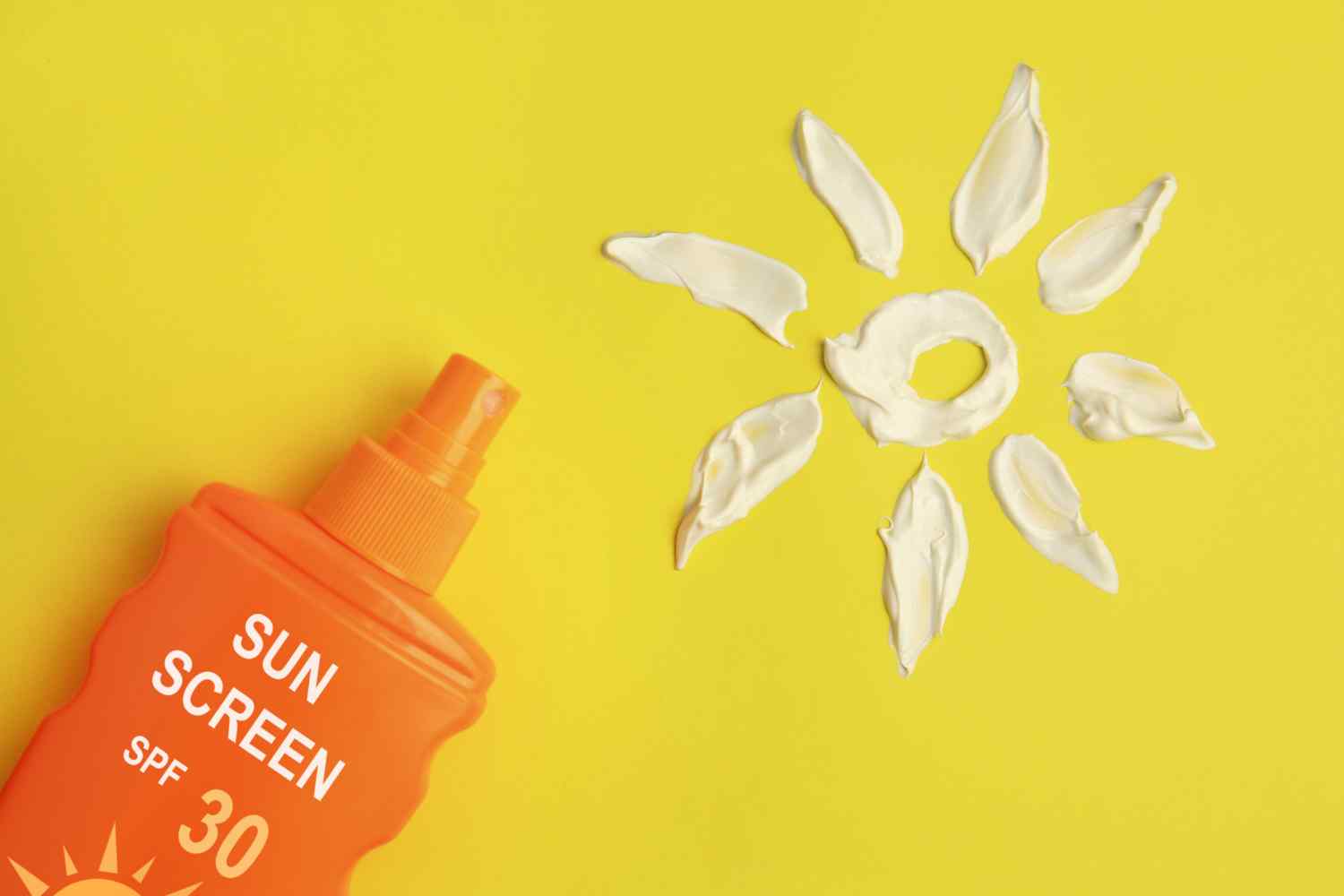
Perhaps the most surprising discovery of recent years in the field of skin cancer prevention concerns precisely the tool in which we place the most trust: sunscreen. Researchers from McGill University, a leading Canadian university, analyzed cross-referenced data from two separate studies — one conducted in Canada’s Atlantic provinces and published in the journal Cancersthe other based on UK Biobank data and appeared in Cancer Epidemiology, Biomarkers & Prevention — reaching a conclusion that has caused discussion in the international scientific community.
The results show that the use of sunscreen, in certain contexts, is associated with a higher risk of skin cancer. How is this possible? The explanation does not lie in an alleged ineffectiveness of the product itself, but in a very specific psychological mechanism: the “sun cream paradox”. Those who anoint themselves with the protective filter tend to feel safe, and this false feeling of protection leads to riskier behaviors — they expose themselves for longer, avoid shade and protective clothing, and neglect the central hours of the day.
Added to this is a practical problem that is rarely talked about: quantity. Most people apply significantly less sunscreen than is necessary to achieve the protection indicated on the package. The SPF 50 factor shown on the label is calculated on a standard dose of two milligrams per square centimeter of skin: in everyday reality, almost no one respects it. Result: real protection is often equal to a third or even less than the theoretical one.
Finally, there is the issue of durability. Many people apply the cream only once in the morning and then forget to replenish it, while they sweat, immerse themselves in water and remain exposed for hours. Sunscreen remains an indispensable tool, but it cannot be the only measure adopted.
Tell me where it hurts, and I’ll tell you how you dressed
One of the most fascinating — and at the same time most revealing — aspects of melanoma research concerns the anatomical distribution of tumors. Data from the British organization Cancer Research UK show a marked difference between men and women, not only in terms of frequency but also location.
In men, almost forty percent of melanomas are diagnosed in the back area, broadly defined as the back, chest and abdomen. In women, however, more than a third of cases occur on the legs. This distribution is not random: it faithfully reflects social habits in clothing during the summer months.
Men tend to go bare-chested — on the beach, in the garden, during outdoor sporting activities — exposing their midsection for prolonged periods. Women, on the other hand, usually cover their torso but wear skirts, dresses and shorts that leave their legs exposed. Oncology statistics, in this sense, are a faithful mirror of fashion and cultural habits.
This correlation has immediate practical implications: knowing which areas of the body are most at risk based on one’s lifestyle should guide choices in clothing and application of the cream, directing preventive attention precisely where it is most needed.
Clothing as a protective device
The “Prevention Clothing” campaign, launched by the Melanoma Foundation on the occasion of National Day on May 2, brings a simple but often overlooked concept to the center of the debate: clothing is the first and most reliable personal protective device against UV rays. Even before the sunscreen.
Unlike lotions, a piece of clothing doesn’t expire, you don’t wash off with sweat, you don’t forget to reapply. It offers continuous and constant physical protection, regardless of how much time you spend outdoors.
But not all garments are the same. The campaign suggests some practical indications for building an “anti-melanoma wardrobe”:
Color matters
Dark or brightly colored fabrics — deep red, navy blue, dark green — absorb and block a greater portion of UV rays than light and pastel colors. White, contrary to what you might think, offers very little protection.
The fabric makes the difference
Linen and lightweight cotton allow your skin to breathe even when wearing long sleeves and pants, making full coverage not only possible but also comfortable even on hot days.
The hat is essential
A wide-brimmed hat — at least seven centimeters brim — protects the face, ears, nape and scalp, critical areas where melanoma is common but often overlooked during cream application.
The right glasses
Not all sunglasses protect effectively. Lenses that are too clear or without certified filters can even be harmful, because they induce pupil dilation without blocking UV rays. Wrap-around frames, with wider side lenses, also protect the delicate skin around the eyes, where cream is rarely applied precisely.
The UPF factor
More and more technical clothing items display the UPF — Ultraviolet Protection Factor — the equivalent of SPF for fabrics on the label. A garment with UPF 50+ blocks 98% of UV rays, offering protection comparable to that of high-factor sunscreens, but without any of the problems associated with application.
A culture of prevention to be built
The message emerging from researchers, oncologists and awareness campaigns is that the prevention of melanoma requires a profound cultural change. It’s not about giving up the pleasure of the sun or living wrapped up as if it were winter. It’s about being aware that every choice – what to wear, what time to go out, where to seek shade – has concrete consequences on the health of the skin in the medium and long term.
In Italy, where the sun is abundant and the culture of the sea is rooted, this message still struggles to get through. Yet the numbers tell us that something must change: 15,000 new cases a year are an enormous human cost, largely preventable.
Sunscreen remains a precious and necessary tool. But alone it is not enough. The true prevention dress — the one that doesn’t wash off, doesn’t get forgotten and doesn’t expire — is the one we wear every morning.
