
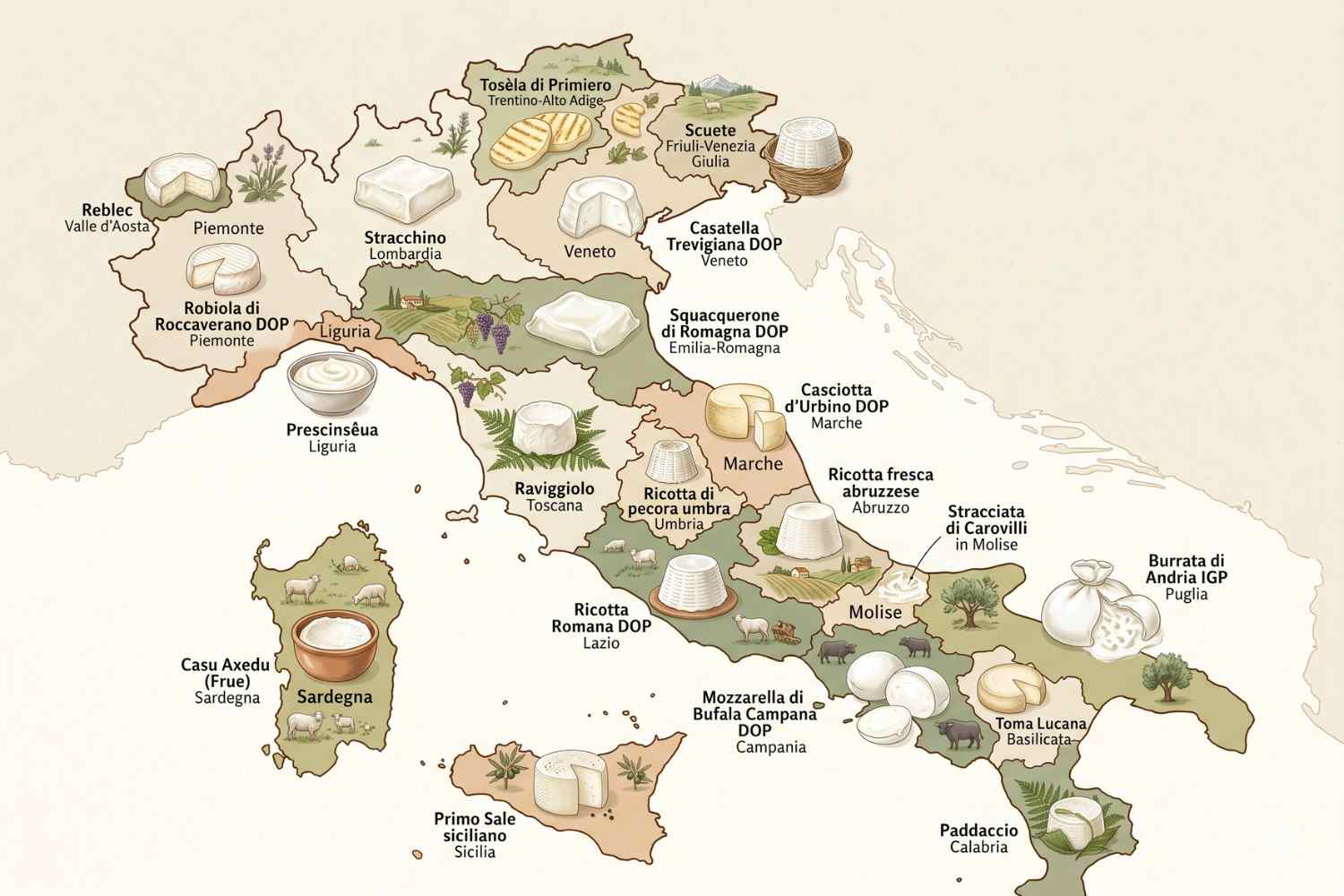
From the Alpine valleys to the Mediterranean islands, fresh cheeses tell one of the most authentic souls of Italian gastronomy. Often produced with few ingredients and consumed within a few days of processing, they preserve peasant and pastoral traditions handed down for centuries. Each region has developed unique dairy products, linked to the territory, pastures and local techniques: from the soft creamy pastas of the North to the rustic goat cheeses of the South, up to the very fresh ricottas and tomas of the mountain areas. An extraordinary dairy heritage that continues to represent biodiversity, culture and local identity even today.
Aosta Valley
View this post on Instagram
Alongside the best-known Alpine cheeses, the Aosta Valley preserves small fresh dairy products deeply linked to the mountain tradition. Reblec, made from whole cow’s milk and cream, has a creamy consistency and an intense flavor of freshly milked milk. Salignoùn is more rustic, made from whey and often flavored with mountain herbs or lightly smoked according to the Walser tradition. Among the historic products, Brossa also survives, a fresh and buttery dairy product created from the recovery of residual whey.
Piedmont
View this post on Instagram
Piedmont is one of the Italian capitals of fresh cheeses. Robiola di Roccaverano DOP, produced in the Langhe and Asti areas with goat’s or mixed milk, is creamy, acidic and very delicate. Next to her we find Tomino, a small fresh cheese with a soft and lactic texture, a symbol of the Piedmontese peasant tradition. The Caprino Presamico is rarer, intense and compact, while the Paglierina still retains the memory of the ancient maturation under the straw.
Lombardy
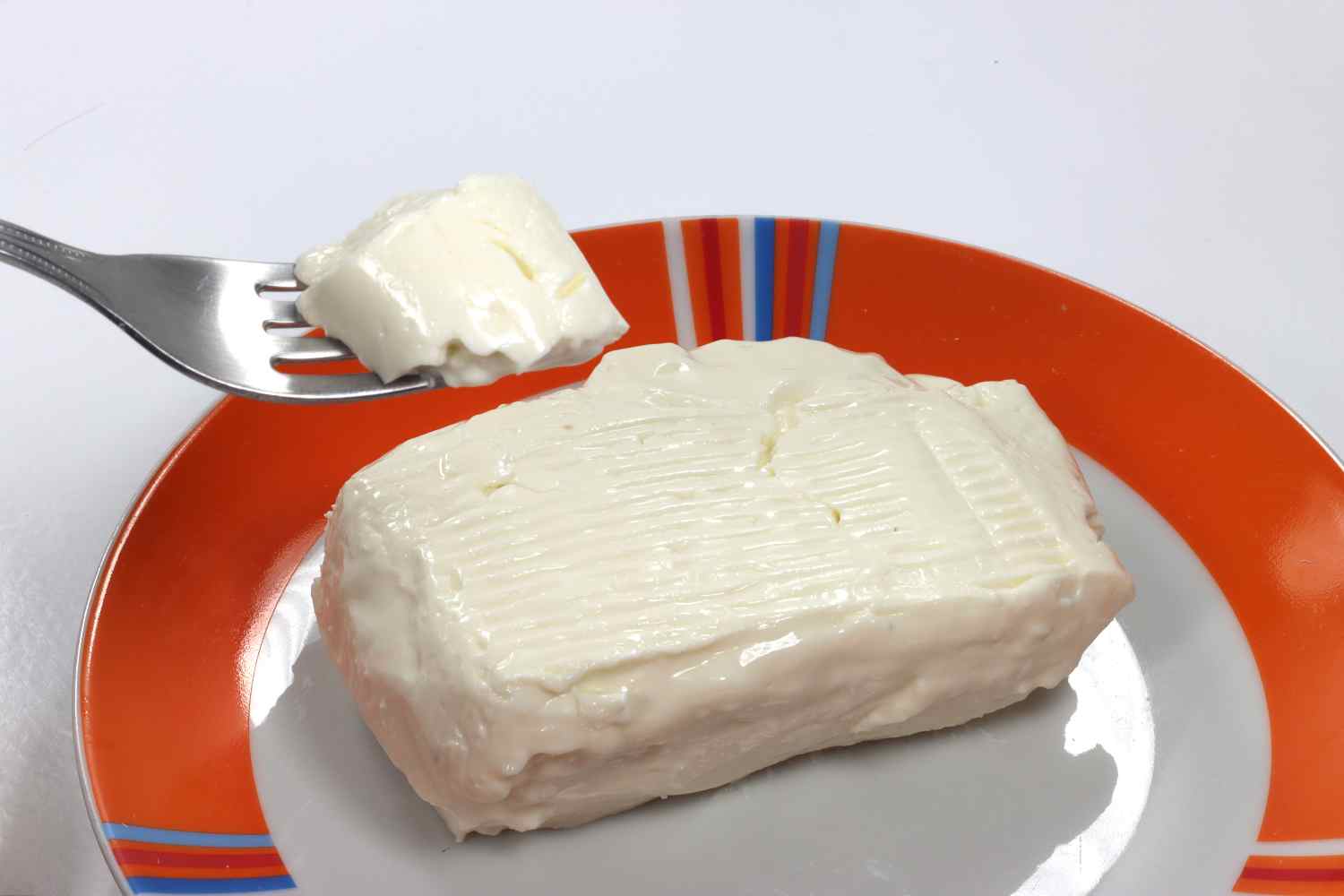
Lombardy is the home of creamy fresh cheeses. Stracchino and Crescenza dominate the table with their soft, crustless pasta, with a sweet and enveloping taste. Quartirolo Lombardo DOP, in the fresh version, maintains a pleasant acidulous note and a more crumbly consistency. Also unmissable is Mascarpone, born in the Lodi area and becoming famous throughout the world thanks to tiramisu.
Trentino-Alto Adige
View this post on Instagram
Among the Alpine valleys, Tosèla di Primiero stands out, a very fresh cheese produced with whole cow’s milk and traditionally served scalded in butter. The Casolet della Val di Sole is more delicate, with a soft texture and sweet flavour, while the Primiero Fresco retains all the fragrance of raw mountain milk.
Veneto
The regional symbol is Casatella Trevigiana DOP, a very fresh and creamy cheese with a sweet and slightly acidic flavour. In mountain areas, Tosella is still produced, often grilled, while Montasio Fresco offers a younger and softer version of the famous Friulian-Veneto cheese. Rarer is Acidino PAT, a small fresh dairy product often flavored with herbs.
Friuli-Venezia Giulia
View this post on Instagram
Friuli has a surprisingly rich dairy tradition. Scuete, a very fresh local ricotta, is also produced in the smoked version. Among the most characteristic products is Saurnschotte, a Slow Food presidium from Sappada flavored with mountain tarragon. Also widespread are soft goat cheeses from the mountain pastures and the Asìno from Val d’Arzino, sometimes processed in brine. Montasio Fresco, with short maturation, remains the best-known face of the region.
Liguria
View this post on Instagram
Liguria preserves a small but interesting tradition of fresh cheeses linked to the internal Apennine areas. Among the most characteristic is Prescinsêua, a sour and creamy dairy product typical of the Genoese area, a historical ingredient of Recco focaccia and Ligurian savory pies. Also widespread are small fresh goats from the hinterland and the giunta produced in the more rural valleys.
Emilia-Romagna
View this post on Instagram
Alongside Parmigiano Reggiano, Emilia-Romagna has a rich production of fresh dairy products. Squacquerone di Romagna DOP is the regional symbol: very soft, creamy and slightly acidic, traditionally served with piadina. Also widespread are Ricotta Romagnola and raviggioli from the Tuscan-Emilian Apennines, delicate fresh cheeses consumed almost immediately after production.
Tuscany
View this post on Instagram
Tuscany boasts a very ancient pastoral dairy tradition. Ricotta Toscana, sheep or cow’s milk, is the protagonist of both sweet and savory regional cuisine. Among the fresh cheeses, the Raviggiolo dell’Appennino Tosco-Romagnolo stands out, very tender and without rind, and the numerous fresh pecorino cheeses produced in the Sienese and Maremma countryside, with a sweet and lactic flavour.
Umbria
In the heart of the central Apennines, Umbria keeps a strong pastoral culture alive. Here, fresh sheep’s ricottas dominate, soft and aromatic, together with fresh Umbrian pecorino cheeses that are quickly ripened. Small artisanal goat cheeses and traditional giunta consumed very fresh in rural areas are also widespread.
Marche
View this post on Instagram
In the hills of the Marche, Casciotta d’Urbino DOP dominates, traditionally produced with cow’s and sheep’s milk. Shortly ripened, it maintains a tender texture and a sweet, delicate flavour. Rarer is the Mozzarella Sibilla STG, produced in the Sibillini Mountains Park according to a traditional stretched curd process.
Lazio
Lazio is one of the historical cradles of the Italian dairy tradition. Ricotta Romana DOP, obtained from sheep’s milk whey, is one of the symbolic products of the region. Next to it we find fresh, delicate and compact Caciotta Romana, and numerous fresh cow’s and sheep’s cheeses linked to the pastoral tradition of the Lazio countryside and the Lepini Mountains.
Abruzzo
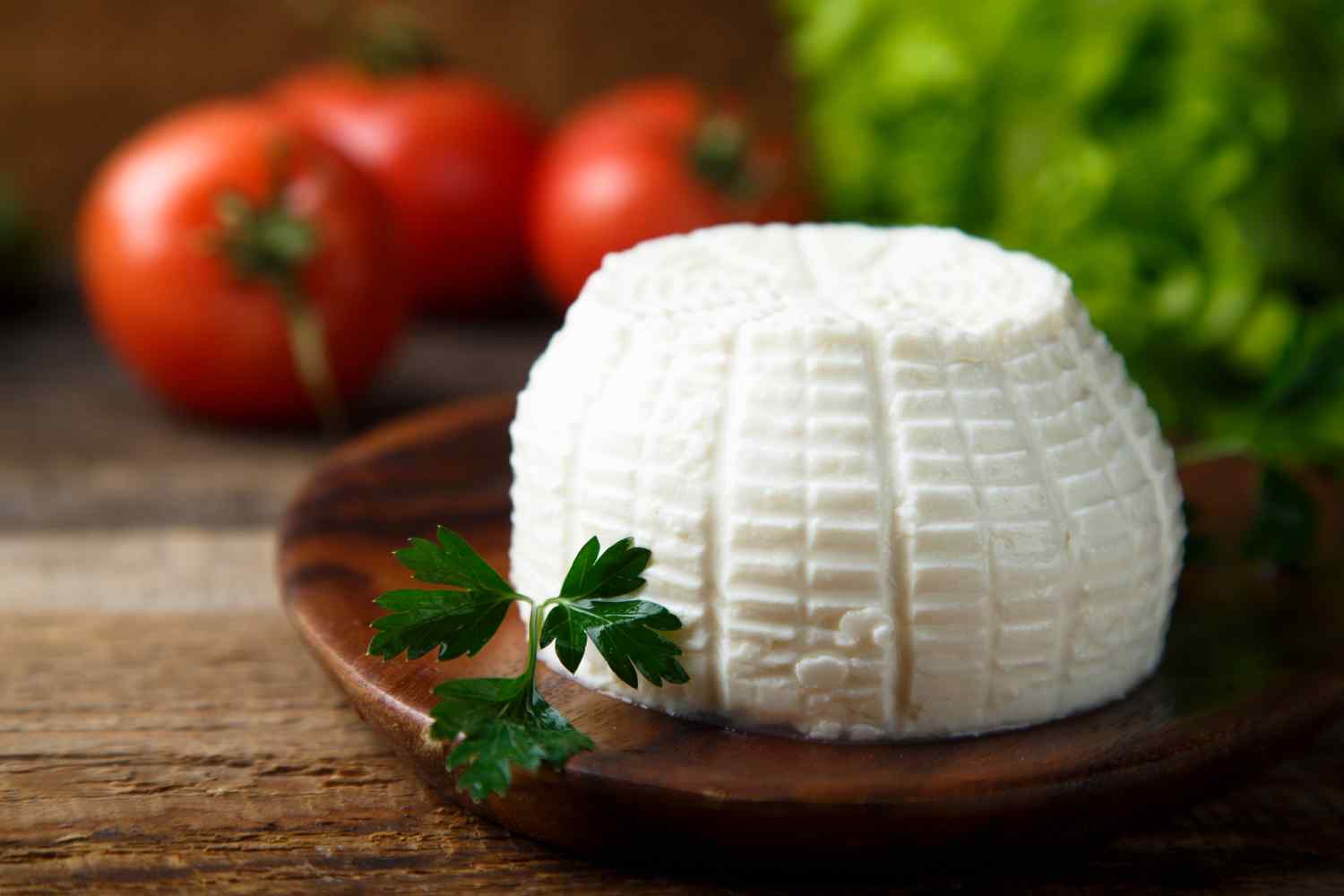
Fresh ricotta from Abruzzo is one of the most authentic symbols of regional pastoral cuisine. Soft, creamy and with a sweet taste, it comes from the recovery of the whey during the processing of other cheeses. Each area holds different techniques that give slight variations in flavor and texture. Alongside ricotta, the tradition of very fresh giunta, consumed almost as soon as it is produced, also survives.
Campania
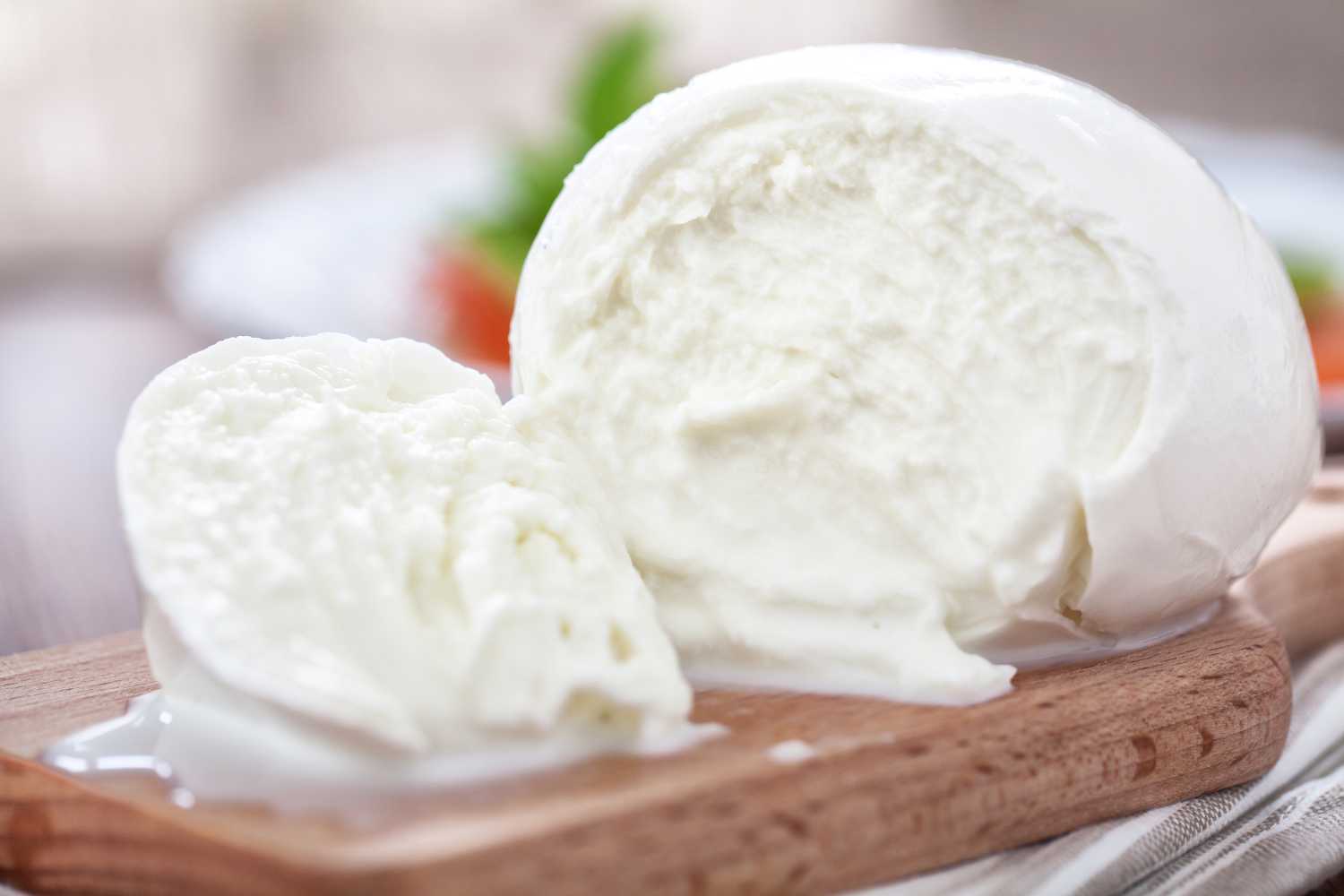
Campania represents one of the great Italian kingdoms of fresh dairy products. Mozzarella di Bufala Campana DOP is the absolute symbol, famous for its elastic texture and juicy heart. Next to it we find the Burrata from Campania, the Fior di Latte from the Lattari Mountains, the Buffalo Ricotta and the traditional fresh provola cheeses still handcrafted in the internal areas.
Molise
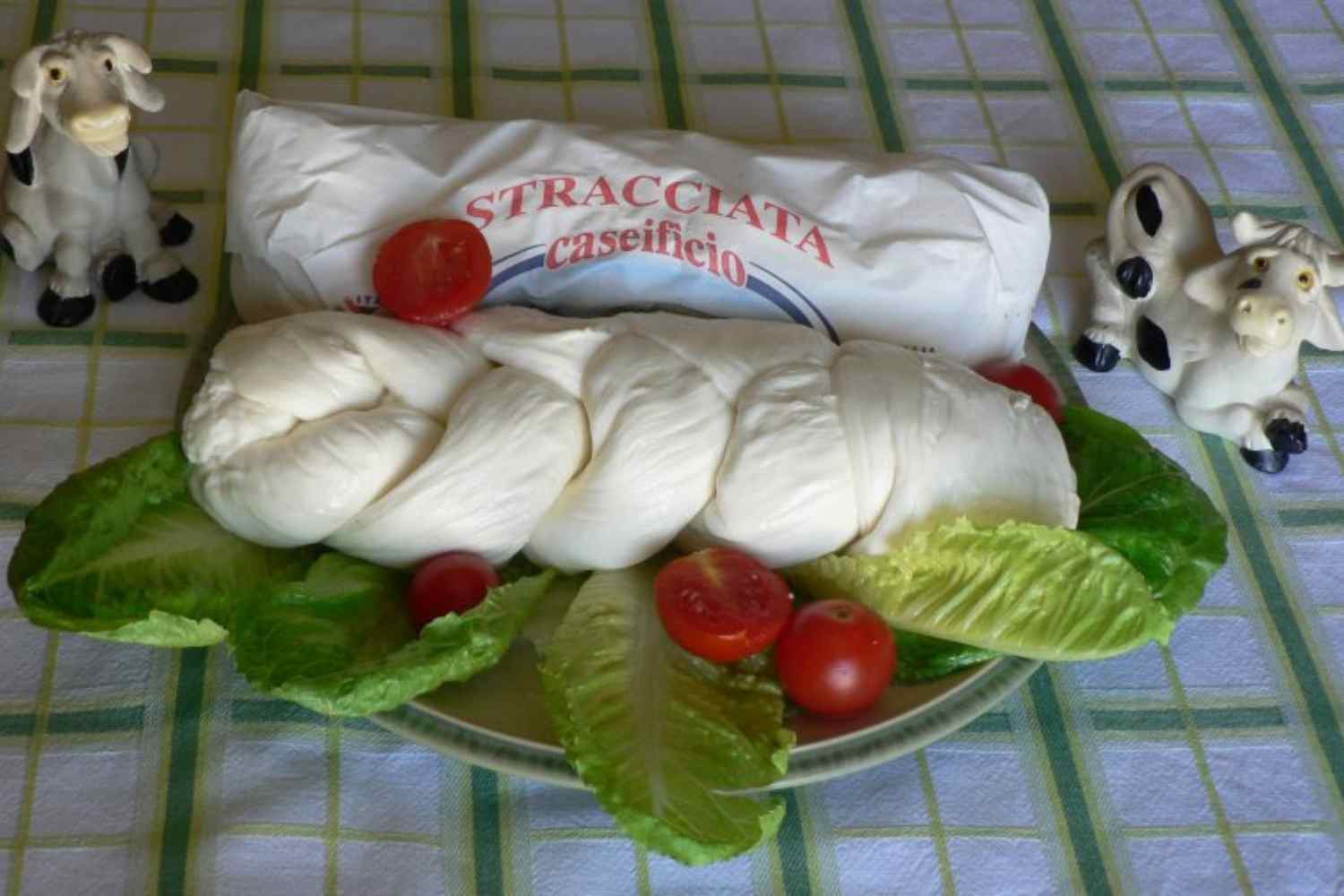
Molise boasts a strong tradition of fresh stretched curds. Carovilli’s Stracciata, made of thin strands of mozzarella immersed in cream, is among the most distinctive products of the region. Also widespread are Scamorza Molise and Burrino, a caciocavallo casing that encloses a heart of soft and creamy butter.
Puglia
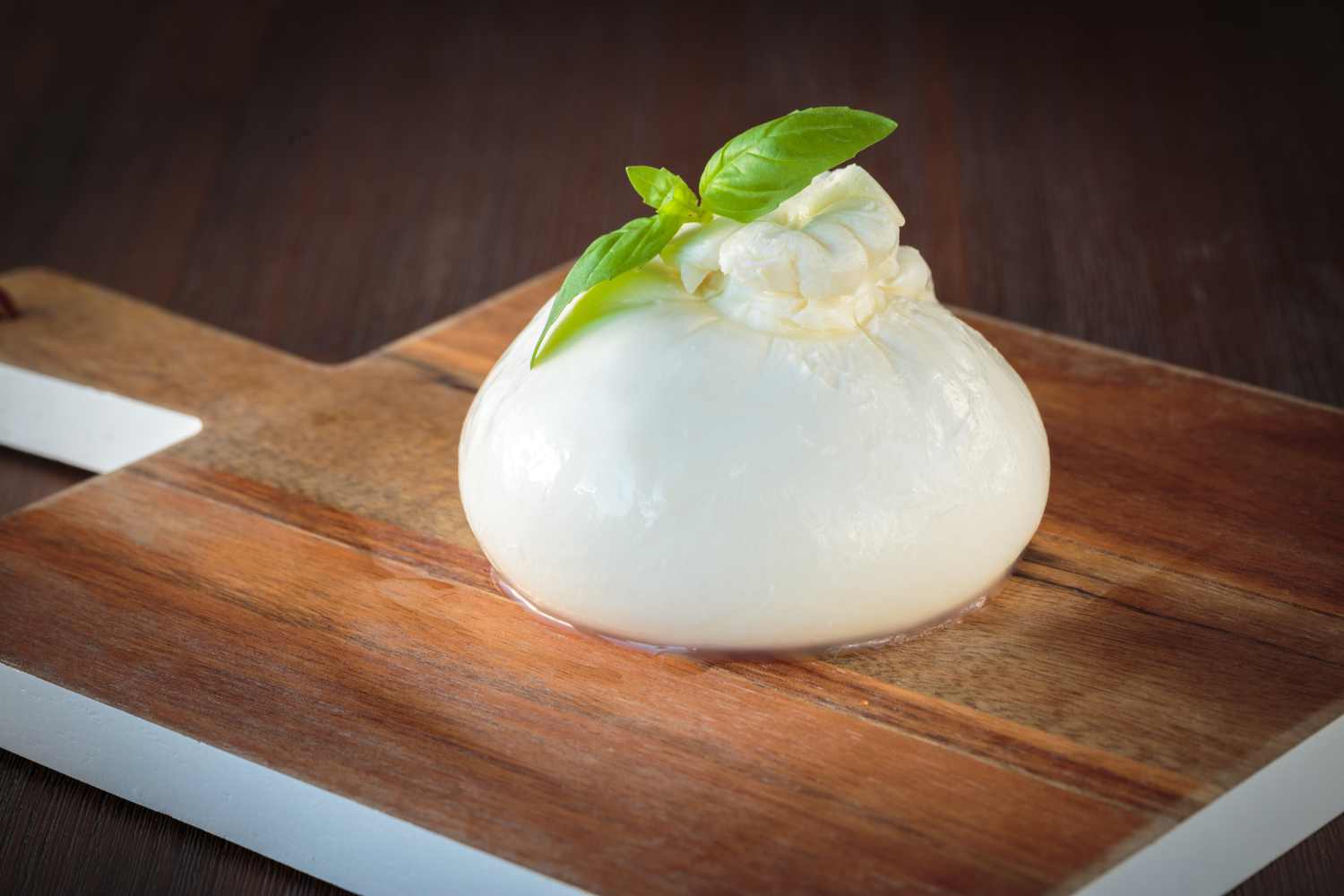
Puglia is one of the great Italian homelands of fresh dairy products. The undisputed queen is the Burrata di Andria PGI, born in the Alta Murgia: a thin shell of stretched curd encloses a creamy heart of stracciatella and cream, giving life to one of the most famous fresh cheeses in the world. Next to it we find Mozzarella di Gioia del Colle DOP, produced with cow’s milk and characterized by an elastic and tasty texture, as well as Stracciatella, consumed very fresh and often the protagonist of contemporary Apulian cuisine. Also widespread are fresh scamorza, giuncata and numerous artisanal ricottas linked to the pastoral tradition of the Murgia and Salento.
Basilicata
Basilicata preserves a dairy tradition that is still profoundly artisanal. Among the most representative fresh cheeses we find Toma Lucana, delicate and soft, and Casieddo, a peculiar goat’s cheese flavored with local wild herbs. Also very popular are fresh cow’s or sheep’s ricotta and stretched curds linked to the tradition of Mozzarella di Gioia del Colle DOP.
Calabria
View this post on Instagram
Calabria is not just a land of mature provola cheese. Paddaccio, a very fresh cheese obtained from goat’s, sheep’s or mixed milk, recounts the oldest pastoral tradition of the region. Next to him, Butirro survives – with the typical internal butter heart – and numerous giunta and fresh provola products produced in the mountain areas of Sila and Aspromonte.
Sicily
Sicily is home to some of the oldest fresh dairy products in the Mediterranean. Sicilian Primo Sale maintains a soft and compact consistency with delicate and lactic flavours, while Ricotta Salata represents one of the great island excellences, used both at the table and grated on pasta. Also unmissable is Tuma, very fresh and almost salt-free, linked to the historic pastoral culture of the island.
Sardinia
View this post on Instagram
One of the oldest sheep dairy traditions in Italy survives in Sardinia. Casu Axedu — also called Frue — is a very fresh, soft and acidic cheese, produced with kid or lamb rennet and often eaten as a spread. Next to it we find Ricotta Mustia, lightly smoked sheep or goat’s ricotta, excellent both as an appetizer and grated on first courses.
Italian regional fresh cheeses are not just gastronomic products: they are the direct reflection of landscapes, rural economies and community traditions that endure over time. In an increasingly standardized market, these artisanal productions keep alive an extraordinary variety of flavours, processes and local cultures. Valuing them means supporting small farmers, preserving fragile territories and defending a unique food biodiversity in Europe. A journey through fresh Italian dairy products thus also becomes a story of sustainability, memory and territorial identity.
