
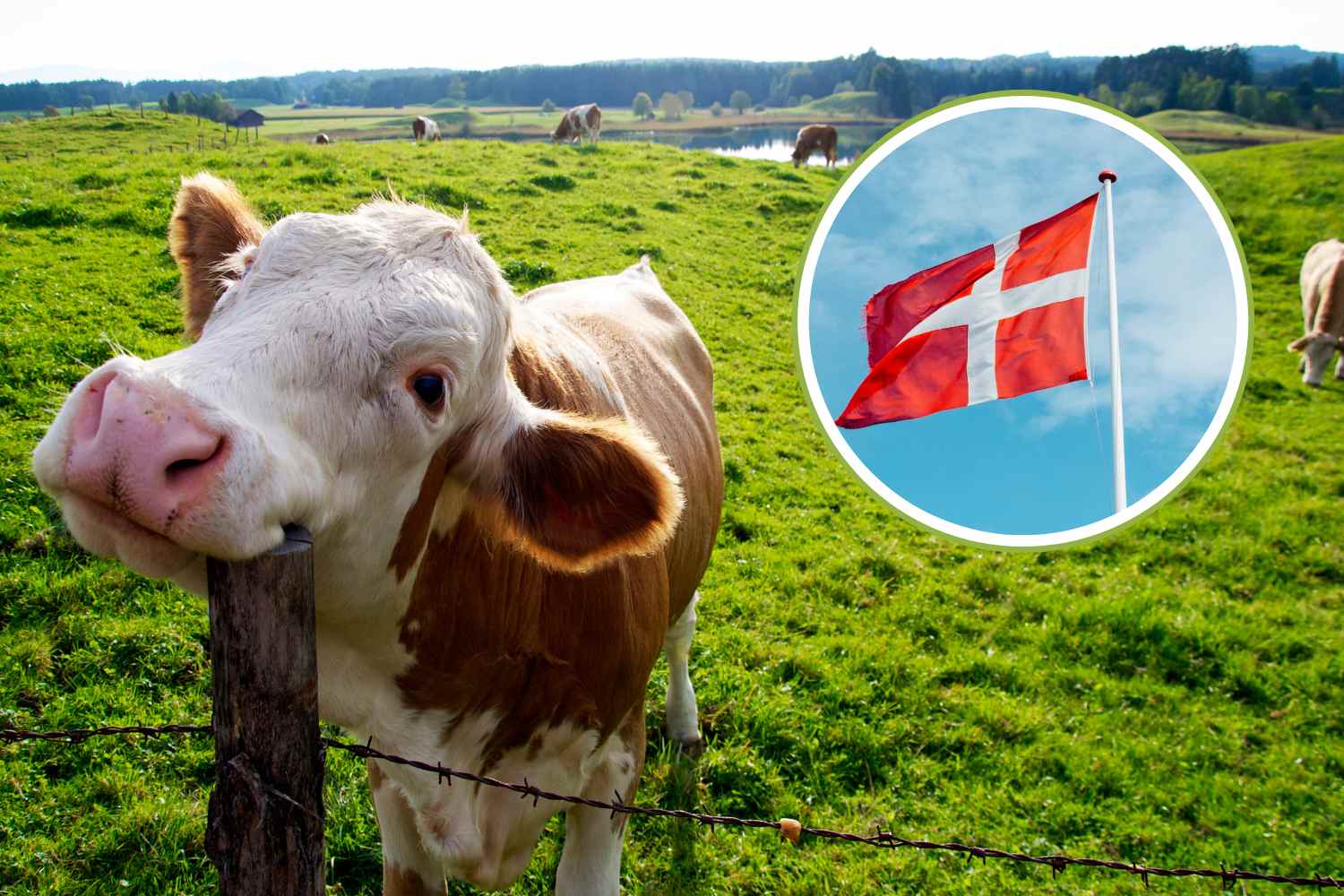
A change of perspective that until a few years ago would have seemed unthinkable: Denmark has decided to archive the traditional Ministry of Agriculture and replace it with a new department dedicated to the protection of nature and animal welfare. A symbolic, but also profoundly political choice, which recognizes the need to put not only production at the centre, but the protection of ecosystems and other living species.
The Danish Prime Minister announced it Mette Frederiksen during the presentation of the new government. In fact, since 3 June the country has officially had a Ministry for Nature and Animal Welfare, entrusted to Christian Rabjerg Madsenformer Minister of the Interior and Housing.
The declared objective is ambitious: to stop the decline of biodiversity, expand protected natural areas and concretely improve the living conditions of animals.
What the new ministry will do
The new structure will have the task of coordinating and implementing the objectives of the so-called “Green Tripartite Agreement”, a vast environmental transformation plan that aims to rethink the use of Danish territory.
Priorities include the creation of new natural areas, the recovery of degraded ecosystems and the protection of water resources. The government had already committed to establishing numerous natural parks by 2030 and now plans to further expand the network of protected areas, also investing in the restoration of large portions of territory currently used for agriculture.
An additional 3 billion Danish crowns have been allocated for the purchase and conversion of hundreds of thousands of hectares of agricultural land, a figure that demonstrates the desire to accelerate the country’s ecological transition.
The real challenge is not writing the agreements, but implementing them – explains Frederiksen. For this reason, the new ministry will bring together skills that were previously distributed among various bodies and agencies, in an attempt to make environmental policies more effective.
Animal welfare enters the center of the political agenda
The birth of the new ministry does not only concern forests, rivers and biodiversity. A fundamental part of its mission will be dedicated to animals and their well-being. In fact, the decision comes after years of controversy over the conditions of intensive Danish farms, particularly pig farms. During the last electoral campaign the topic became one of the most debated, with numerous associations denouncing practices considered incompatible with respect for animals.
Denmark is one of the world’s largest producers and exporters of pork: around 25-30 million pigs are raised every year, a huge figure when compared to the country’s population.
This production model has been at the center of criticism for some time. In intensive farming, in fact, controversial practices continue to be reported such as docking piglets’ tails, carried out to reduce the phenomenon of “tail biting“, i.e. the behavior with which animals bite each other’s tails due to stress and breeding conditions.
The creation of a Ministry for Nature and Animal Welfare represents a step that goes beyond simple administrative reorganization: it is almost an institutional recognition that the biodiversity crisis, the degradation of ecosystems and the relationship with animals can no longer be considered secondary issues compared to production needs. It remains to be seen whether concrete changes will follow the intentions, especially on the intensive farming front. But the political message is already clear: the protection of nature and animals is no longer a marginal issue, but a government priority.
And in a Europe that continues to grapple with the climate crisis and the loss of biodiversity, Denmark’s choice could open a path that other countries will sooner or later be called upon to take into consideration.
