
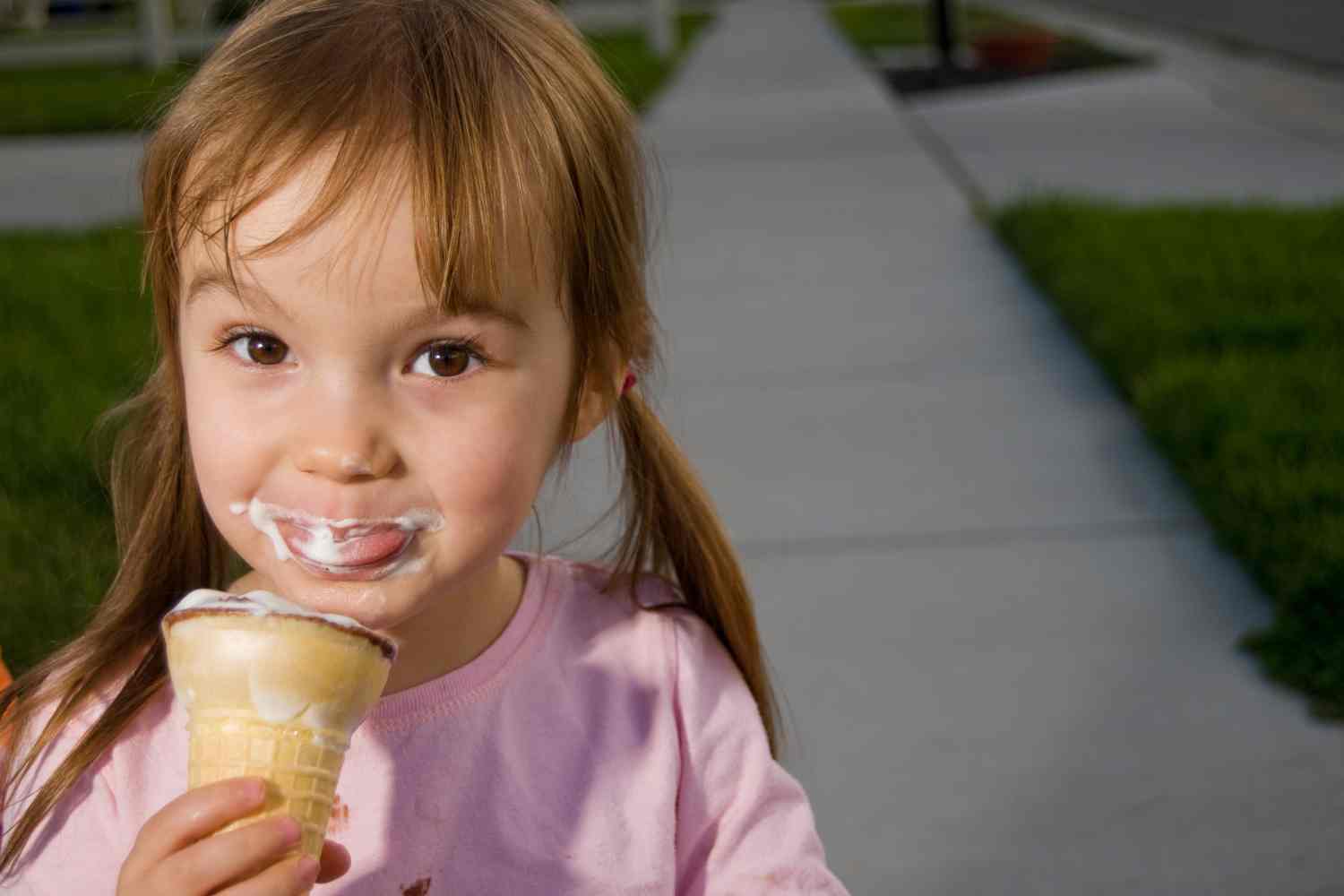
“Are you in pain? Do you want a chocolate?” “How good, you put everything in order! Here you are, your reward.” How many times, as parents, grandparents or uncles, have we found ourselves uttering phrases like these, convinced we were making an innocent gesture of love or encouragement? It seems like a banal everyday behavior, a sweet way to cuddle our children, to comfort them or to celebrate a small success. Yet, precisely in these moments a potential risk lurks: we are, without knowing it, programming the little ones to develop a relationship with food that could affect them for life.
Food as an emotional management tool: an involuntary programming
The tendency to use food as emotional leverage is not new, nor is it isolated. Indeed, for many generations, we have been “sabotaged” by our own parents, or rather, by consolidated habits that did not take into account their long-term implications. The mechanism is as simple as it is powerful: do you get hurt? Don’t worry, eat something. Are you sad? Eat a little. Are you happy? How nice, let’s celebrate by eating. Food thus becomes the universal answer to every mood, the panacea for every problem, the seal of every joy.
This seemingly harmless conditioning creates a profound association in the child’s mind. Food is no longer primarily a means of nourishing the body, but an emotional refuge, a reward, a comforter. The result? Adults grow up who don’t eat out of physiological hunger, but because they feel an emotion: stress, boredom, excessive joy or sadness. Many of us today find ourselves struggling with emotional eating, an often unequal struggle against patterns ingrained since childhood.
Beyond fuel: the role of food between culture and awareness
It is essential to clarify one point: food is not just fuel. It’s much more. It’s culture, it’s family, it’s conviviality and sharing. Around a table, bonds are born, stories are told, traditions are celebrated. The social and emotional value of food is inestimable and should not be demonized in any way. The problem emerges when food becomes the main and almost exclusive tool for regulating emotions, obscuring its primary function and its other significant roles.
From a sustainability perspective that embraces 360-degree well-being, GreenMe supports the importance of a balanced and conscious relationship with nutrition. This means recognizing the nutritional value of food, celebrating its cultural dimension, but also learning to manage its impact on our emotional state, especially for the new generations. For many of us adults, changing established patterns requires a great effort, but for our children it is not at all late. Indeed, it is the right time to act.
View this post on Instagram
Strategies for food-conscious parenting
How can we, therefore, break this cycle and offer our children nutritional education that makes them calm and aware adults?
Celebrate without food
When there’s a milestone to celebrate or simply the joy of being together, opt for different activities. Celebrate by playing together, going for a run in the park, drawing, reading a book, or simply spending quality time. Affection and attention are much more valuable and lasting rewards.
Healthy snacks always at hand
Make sure fruits and vegetables are always available and easy to munch on. This not only promotes healthy eating habits, but offers natural and nutritious alternatives when the child feels the need for “something” to eat.
“Rubbish” exists, but with discretion
It makes no sense to completely demonize less healthy foods, often called “junk”. They are not poison and are part of the social context in which we live. The secret lies in how and when they are offered. Offer them when the child is calm, serene, and is not experiencing a strong emotion, be it positive or negative. This is the real difference. You are not associating them with an emotion, but presenting them as an occasional food choice, unrelated to emotional needs.
Raising adults, not perfect children
The goal is not to raise a “perfect” child who will never touch a sweet or who will only eat vegetables. The goal is much deeper: to raise an adult with a serene, balanced and conscious relationship with food. An adult who knows how to distinguish physical hunger from emotional hunger, who uses food to nourish himself and to enjoy his social and cultural dimension, without it becoming an emotional crutch.
Teaching children to name and manage their emotions in ways other than food is a priceless gift. It is a path that requires patience, consistency and a little more awareness on our part. But it is an investment for their future psychophysical well-being and for a fuller and more harmonious existence.
Let’s reflect on our daily gestures, on those seemingly harmless phrases. We are not just giving a chocolate or a snack; we are building the foundation of their relationship with food. And if we want to learn to talk about nutrition in a calm way, for us and for them, let’s remember that every small step in the right direction makes a big difference.
