
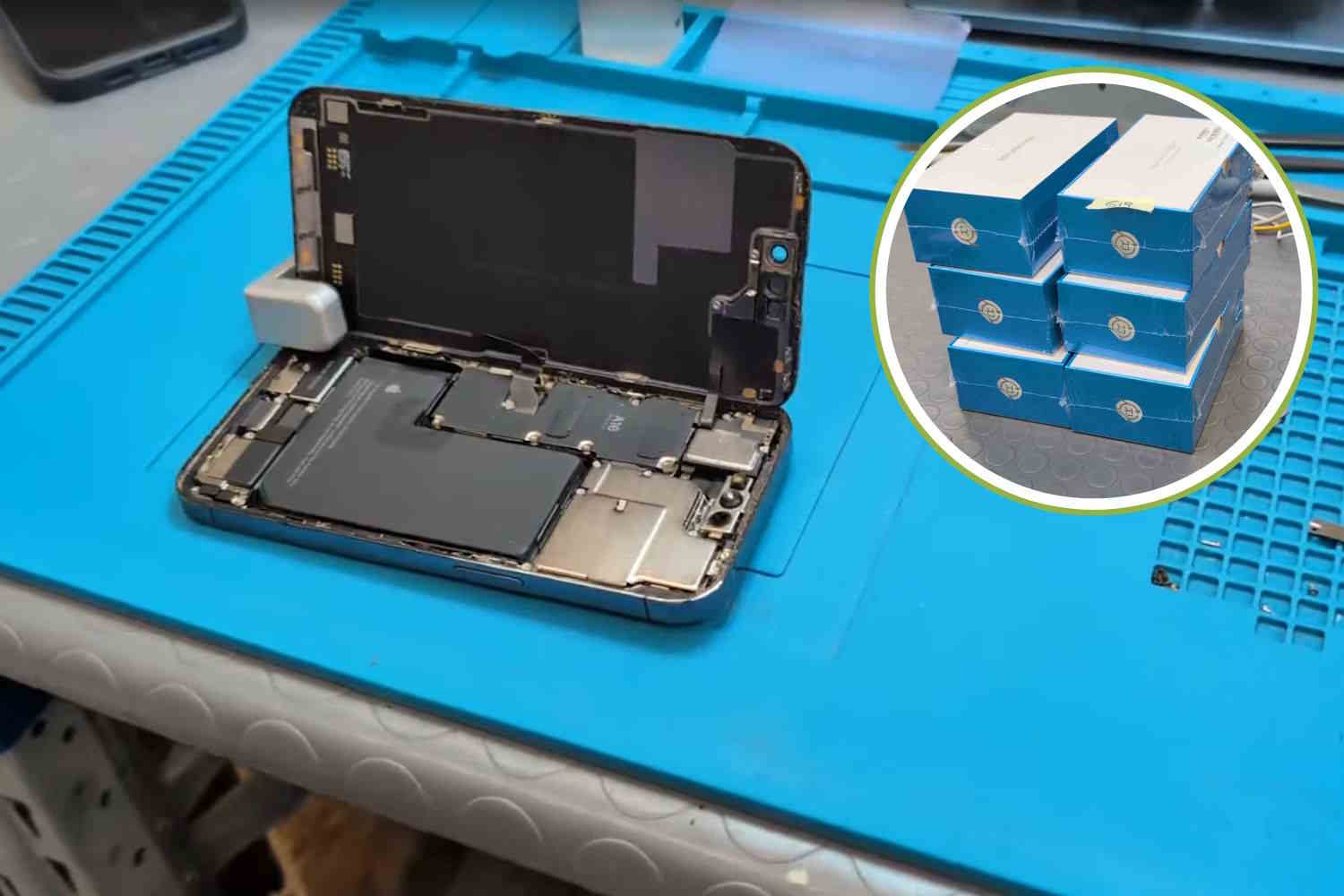
Changing phones every time a new model comes out has a familiar ring: the offer notification, the shiny window, the promise of a slightly better camera, the old device stuffed in a drawer along with the chargers that no one dares to throw away. It seems like a small, almost automatic gesture. In six years, however, that gesture can become an expense worth almost 4,000 euros and a much heavier environmental footprint than we imagine when we hold a still perfectly functional smartphone in our hands.
A new study carried out by Fraunhofer Austria For Refurbed tried to line up the numbers, costs and consequences of three different ways of using a smartphone. The result is quite concrete: choose refurbished phonesextending the life of the device, reselling it while it still has value and having it recycled properly can cut costs from 25% to 76% compared to more linear consumption models. In absolute terms, savings can start from 274 euros and get up to 2,574 euros per device over six years, with even higher margins on more expensive models, such as iPhones.
The data arrives at a particular time for Europe, as member states prepare to transpose the directive on Right to Repairdesigned to make repairing a product simpler and more convenient, extend its useful life and reduce the constant replacement that has transformed the technology into a sort of domestic treadmill. The point here concerns the portfolio and the resources: rare earths, critical metals, water, energy, emissions. All things that remain invisible when the smartphone is new, clean, sealed in the box.
The phone that stays around
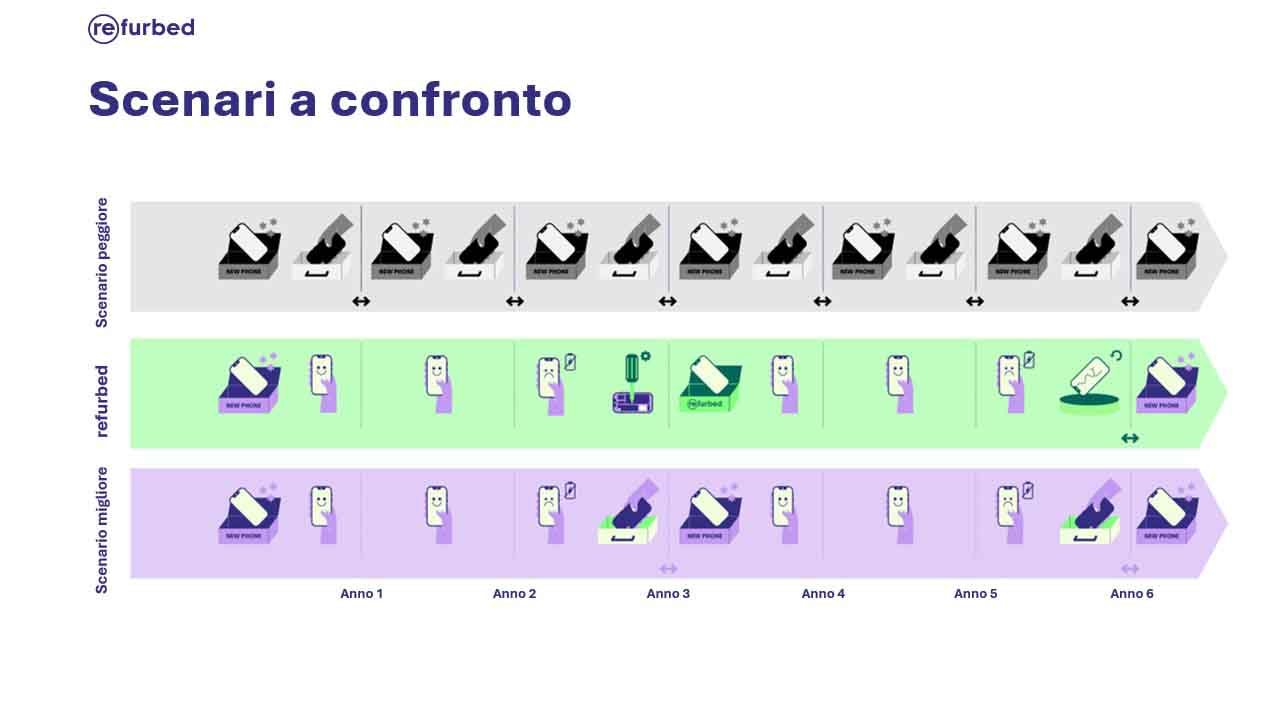
The study starts from an average smartphone with a starting price of 575 euros and follows its life cycle for six years. The first scenario is the most expensive: a new phone every year, old devices accumulated at home and then dispersed in illegal recycling circuits in the South of the world. In this model, the total expense comes to 3,834 euros in six years, of which 3,450 euros for purchases and 384 euros of environmental costs. Translated into daily life, they are approx 639 euros per yearfour times the estimated expense for a circular model.
The environmental impact follows the same trajectory. A single user, in this scenario, gets to generate 684 kg of CO₂about eight times more than the circular model, consuming 346 grams of rare earths and metalsnine times as much. It is the least visible face of technological disposables: the device changes hands very little, remains useful for a short time, then becomes dead weight. First in a drawer, then in an opaque supply chain.
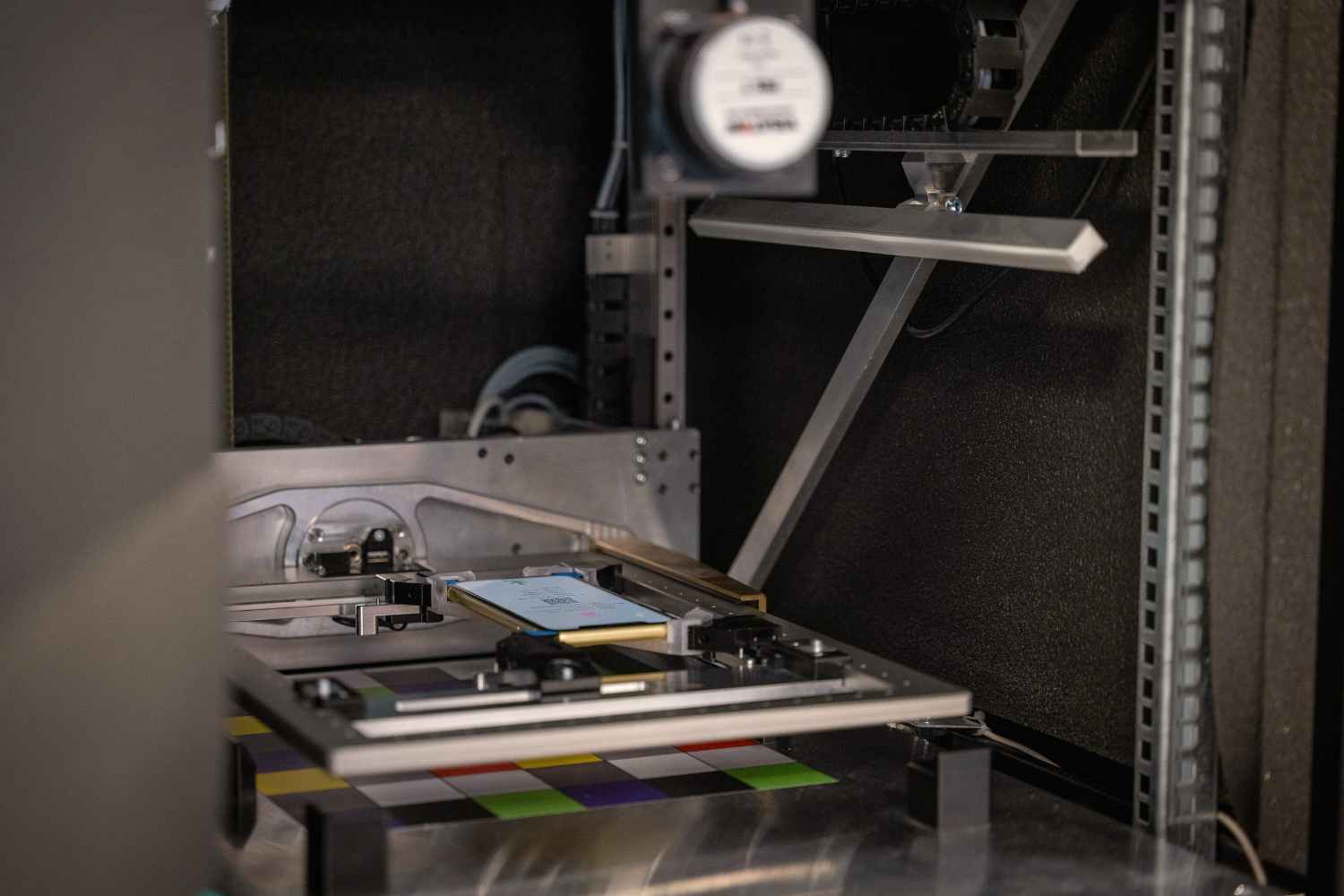
@refurbed
The scenario closest to Italian habits is less extreme, but remains inefficient. The phone is used for about three years, then is forgotten at home, tying up precious resources, and ends up in household waste. In six years the total estimated cost is 1,294 euroscomposed of 1,150 euros of purchase and 144 euros of environmental costs, i.e. approx 215 euros per year. Compared to circularity, this model costs almost the 35% Furthermore, it produces double the CO₂ emissions and wastes almost three times as many rare resources.
The third scenario is that of refurbished phones and circularity. The smartphone is purchased, used for approximately three years, put back on the market through a trade-in program, professionally refurbished, used by a new owner for another three years, and then recycled properly. In six years the total cost drops to 959 eurosof which 876 euros related to the purchase e 83 euros of indirect environmental costs. The average expense becomes approx 160 euros per year. The footprint also changes scale: 83 kg of CO₂ and just 38 grams of critical raw materialsincluding cobalt, copper, magnesium and palladium.
Fraunhofer Austria chose to analyze the data at the individual product level, avoiding building moral categories of good or bad consumers, as it explains Paul Rudorfauthor of the study at Fraunhofer Austria:
For us it was essential to calculate results at a product level rather than for specific user groups to avoid unnecessary consumer blaming.
Every smartphone must be manufactured before it reaches your pocket. Production already has an initial economic and environmental cost. The difference is made by the following years: how much it is used, if it is resold, if it is reconditioned, if it is recovered correctly or if it remains in a drawer until it loses almost all its material value.
The weight arises before the purchase
When talking about electronic waste, instinct leads us to look at the end of the story: bins, collection centers, recycling rates, disposal facilities. For consumer electronics, however, a huge part of the damage is concentrated much earlier, in the production phase. According to the data on life cycles referred to in the analysis, between 70% and 90% of a smartphone’s carbon footprint comes from manufacturing. In the case of theiPhone 16 Proofficial environmental data indicate approximately80% of emissions linked to production, while end-of-life disposal weighs less than1%.
Kilian Kaminskico-founder of Refurbed, summarizes the point thus:
The most effective way to reduce environmental impact is not to manage waste more efficiently, but to avoid the production of new waste altogether.
In the case of smartphones, this means keeping devices already produced in use for longer, reselling them while they still have value and bringing them back into a controlled supply chain.
Manufacturing a technological device requires mining, refining, components, microchips, transportation, water and a lot of energy. A single semiconductor plant can consume up to 10 million gallons of ultrapure water per dayan amount comparable to the daily consumption of more 130,000 European families. When the phone is turned on for the first time, it already has this fingerprint on it. Keeping it in use for longer means spreading it over more years and more lifetimes, instead of starting all over again with each purchase.
Here reconditioning becomes more interesting than simple recycling. Recycling better is useful, of course. However, a remanufactured device avoids a quota of new production. On average, producing a new smartphone generates approximately 70 kg of CO₂requires further 25,000 liters of water and produces 182 grams of electronic waste. Choosing a remanufactured device can cut emissions82%reduce the virtual water consumption of the89% and avoid the83% of e-waste. On the front of conflict minerals, such as tin, tantalum, tungsten and gold, the reduction can reach up to 97%.
This logic holds up to a precise condition: the refurbished product must truly replace the purchase of the new one. If the lower price merely becomes an incentive to change devices more often, the environmental benefit diminishes. Circularity works when it reduces additional production, not when it accelerates the desire to upgrade. The refurbished phone saves money and weighs less on resources, but remains a very concrete question: how much technology do we buy out of need and how much out of habit.
The iPhone 15 case
A practical example comes fromiPhone 15. In the last year, the refurbished version sold on the marketplace was on average the 46% cheaper compared to the new factory model. At the same time it allowed a reduction in84% of CO₂ emissionsof the87% of water consumption and of 68% of critical raw materials.
From the data released by Refurbed it emerges that, since the foundation of the platform, they have been recirculated further 10 million devices refurbishedwith a declared overall saving of 474,000 tonnes of CO₂, 166 billion liters of water And 1,555 tons of electronic waste.
According to Kaminski, the savings change weight when the phone is kept in use longer, resold or disposed of correctly:
Only through virtuous methods of use, such as resale, prolonged use or correct disposal, consumers can save at least 274 euros and up to 2,574 euros per device over six years.
The figures are for an average device; on more expensive models the margin can rise even higher.
The theme, however, goes beyond the single telephone. Companies, for example, often purchase smartphones and laptops with still very linear logic: you buy new, replace it shortly after, manage the old device fleet as a secondary problem. Fraunhofer Austria data also indicates a margin for company purchasing policies: lower initial expenses, recovery of value through trade-in programs and reduction of indirect environmental costs thanks to the reuse of critical materials and resources.
To more immediately measure the impact of a choice, Refurbed has also put online an interactive calculator that allows you to compare the footprint of a refurbished device with that of a new product: estimate of CO₂, water, raw materials and electronic waste associated with the choice of a refurbished device compared to a new one.
The drawer is not neutral
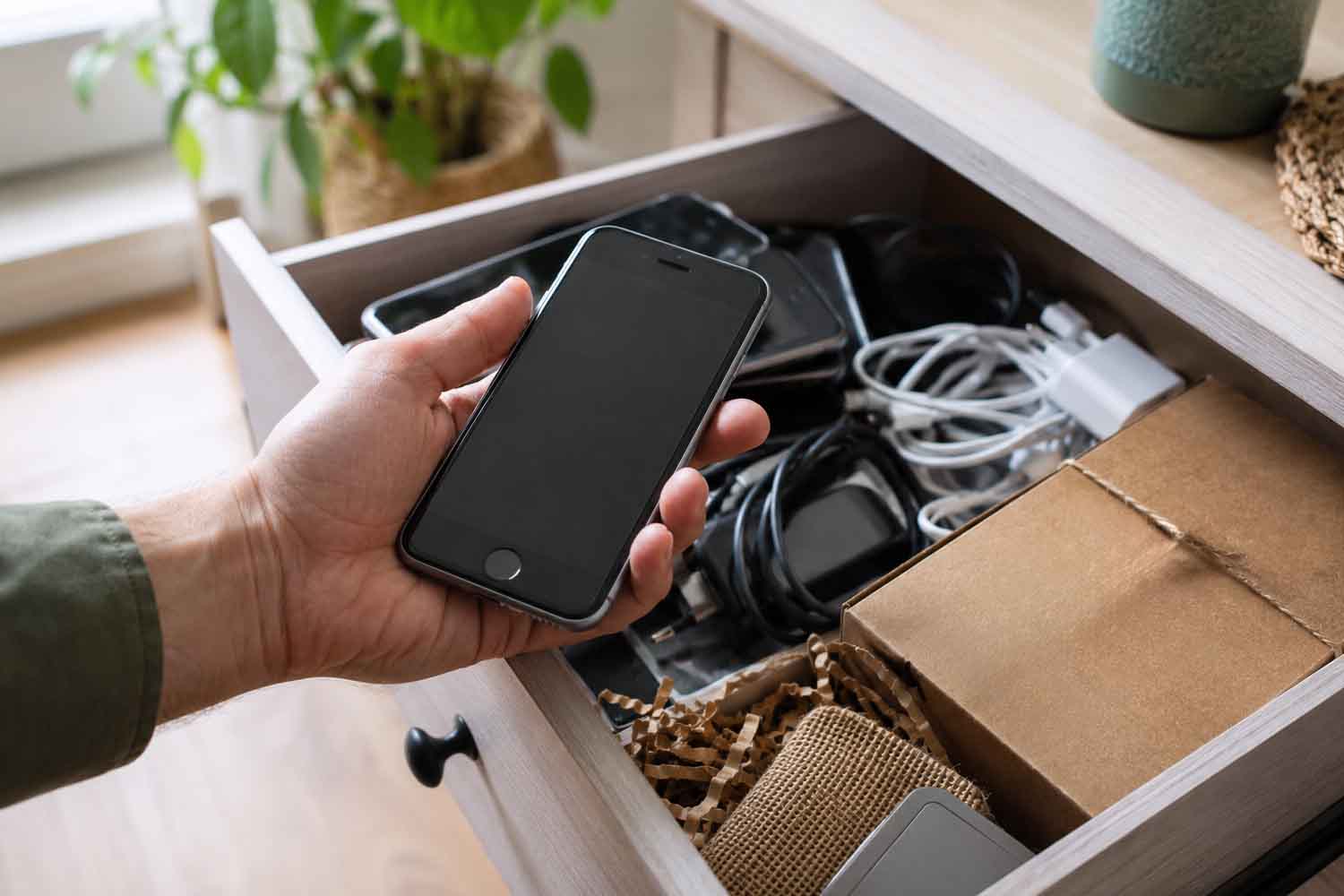
The old telephone left at home seems harmless. It sits there, turned off, inside a box or in a drawer, perhaps next to a charger whose origin no one remembers anymore. In reality it retains materials that could re-enter the circulation. Cobalt, copper, palladium, rare earths and other metals remain stranded as the market continues to demand new mining and production.
When devices leave official circuits, the problem moves elsewhere. Some discarded electronics are exported as “used goods” and end up in areas without adequate infrastructure. In places like Accra, Ghana, appliances and cables are often dismantled with bare hands or burned in the open to recover metals, with serious consequences for health and the environment.
Europe consumes technology in large quantities, and some of the material cost falls away from the shelves where that technology is sold. The issue concerns how devices that still have material value are collected, refurbished, resold and recycled. Letting them leave traceable supply chains means losing resources and shifting part of the environmental bill elsewhere.
This is why the European debate on recycling risks being short-lived when it stops at the last link in the chain. The Right to Repairthe requirements of Ecodesign and reporting on emissions along value chains, as required by the directive CSRDgo in the direction of greater responsibility. The limit arises when companies and institutions primarily measure collection, reporting and compliance, while the overall quantity of raw materials used continues to grow. Good reporting can improve transparency. Material impact reduction requires less new production, more reuse and more real repairability.
Refurbished technology remains technology, with all that entails. It needs controls, guarantees, solid supply chains and consumers willing to abandon the reflex of the new at any cost. But the numbers tell one simple thing: the phone that is lightest on the wallet and on resources is often the one that someone has already used, repaired and put back on the road. The rest, many times, is just a full drawer.
