
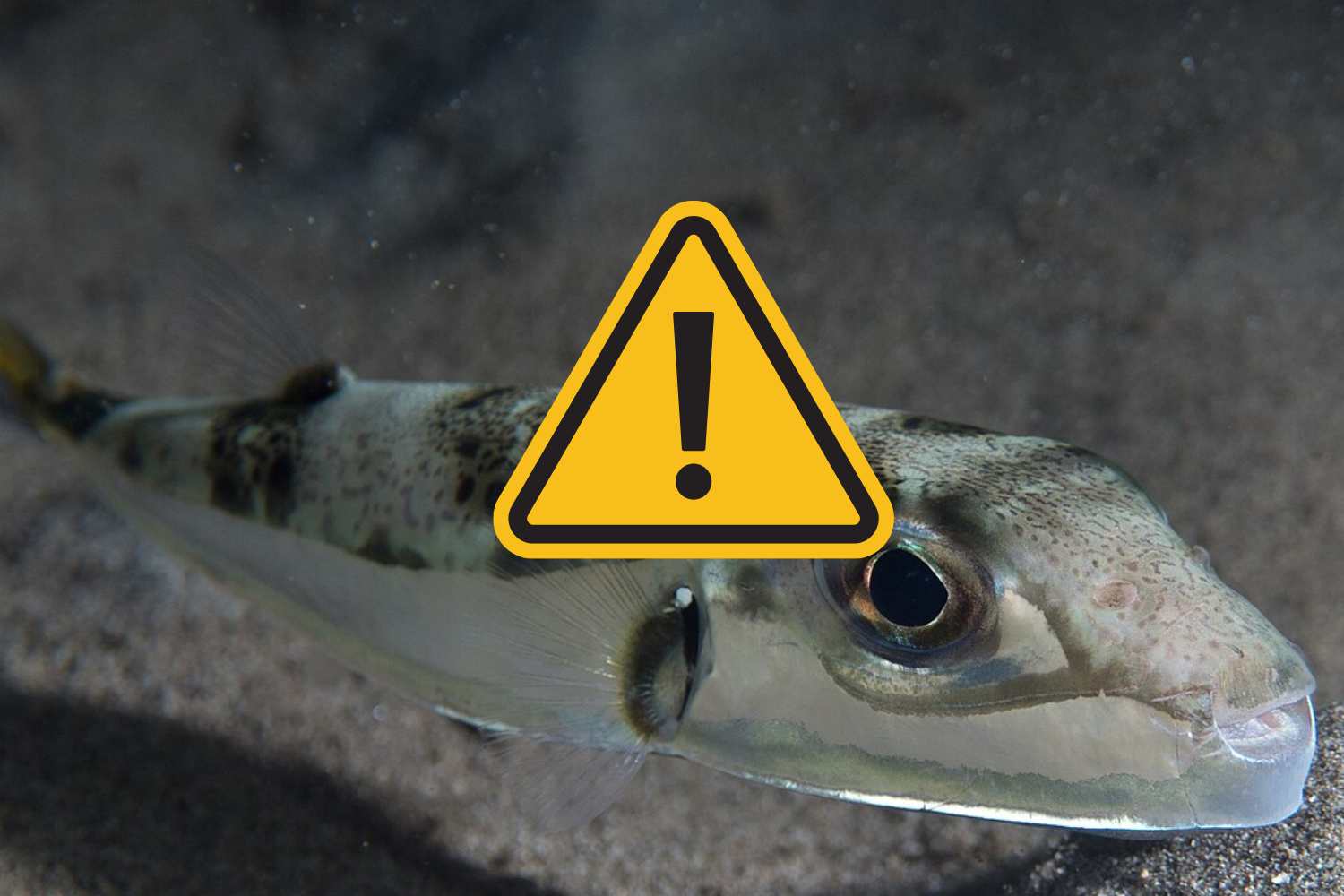
A new and insidious shadow is lengthening over the ecological balance of the Mediterranean basin. This is not a single predator, but an entire lineage of underwater colonists belonging to the tetraodontid family, commonly known as pufferfish. This alien species, which entered the Mare Nostrum through the Suez Canal coming from the warm waters of the Red Sea, is multiplying at a rapid pace.
After having established stable colonies along the coasts of Israel and Cyprus, the invader stormed Greece and the island of Crete, raising the specter of an imminent and massive expansion towards the Italian coasts, repeating the identical and destructive biological script already experienced with the advent of the blue crab.
@ISPRA
The steel jaws that devastate nets and native fauna
The impact of this tropical migrant on local ecosystems is proving devastating. Hellenic fishermen find themselves in a state of open desperation: by lowering their nets, they increasingly recover already dead and mutilated fish.
Puffer fish are in fact equipped with exceptionally robust jaws and sharp teeth, a bone conformation so powerful that they can easily chew wood and metal. The lacerations inflicted by these bites are lethal for most of the local fish fauna, compromising biodiversity and leaving behind a trail of significant economic damage for the commercial fishing sector.
The danger of bathers and the handbook of the Hellenic Red Cross
The threat has now gone beyond the boundaries of marine biology, directly affecting people’s safety. Recently, a specimen attacked an elderly bather in Varkiza, in the Attica region, forcing her to be urgently admitted to hospital for the application of several stitches.
Faced with this escalation, the Hellenic Red Cross has issued an official alert, publishing a first aid handbook. In the event of a bite, the main risk is linked to severe bleeding: the guidelines require washing the wound immediately with fresh water, stopping the blood flow by applying strong pressure with sterile gauze and, if necessary, undergoing tetanus prophylaxis. Variants have already been identified in Greek waters Lagocephalus sceleratus And Torquigener flavimaculosus.
View this post on Instagram
The consumption ban and the monitoring plan on the Italian coasts
However, this animal’s most fearsome weapon remains invisible. Its meat contains tetrodotoxin, a powerful neurotoxin that attacks the human nervous system, making the ingestion of any part of the fish potentially lethal. For this reason, the sale and consumption for food purposes are strictly prohibited at an international level, although the scientific community is conducting studies to try to neutralize the poison for commercial or industrial purposes.
In Italy, the advance is constantly monitored by ISPRA in close synergy with the Coast Guard. The first national sighting dates back to 2013 near Lampedusa, followed by captures in the Strait of Sicily and in the Upper Adriatic; experts recommend that fishermen never throw captured specimens back into the sea and report them immediately to map the invasion.
You might also be interested in:
