
Summer 2026 promises to be one of the most intense in recent years on the tourism front. Major Mediterranean beach destinations continue to see record numbers, while heat waves make it increasingly difficult to enjoy holidays in the most congested locations.
For those looking for an authentic break, the lesser-known islands of the continent represent a valid alternative: places where nature still dictates the rhythm of the days, traditions resist and tourism has not yet distorted the landscape.
Why choose a little-known island
In recent years the phenomenon of overtourism has transformed many iconic destinations into increasingly difficult places to experience during the high season. High prices, traffic, crowded beaches and pressure on ecosystems have become real problems in many European locations.
The small islands off the main circuits offer a different experience. Here you can still find small ports where fishermen return at dawn, paths that cross Mediterranean scrub and forests, villages where the inhabitants all know each other and beaches that do not require a reservation weeks in advance.
Many of these destinations have chosen to limit daily access, ban car traffic or protect large portions of territory through natural parks and marine reserves. An approach that makes them particularly interesting for those who want to travel in a more sustainable way.
Secret Mediterranean: islands to discover far from the large tourist flows
Capraia, Italy
@123rf.com
In the heart of the Tyrrhenian Sea, between Tuscany and Corsica, Capraia is the wildest island of the Tuscan Archipelago. Of volcanic origin, it preserves spectacular landscapes made of red cliffs, scents of Mediterranean scrub and paths that overlook a crystal clear sea.
Much of the territory is protected by the Tuscan Archipelago National Park. There are no large hotel structures here and life revolves around the small port and the historic village perched on the hills. It is the ideal destination for those who love trekking, diving, snorkelling and slow holidays.
Kythera, Greece
Located between the Peloponnese and Crete, Kythera is an island that escapes the classic Cycladic routes. According to Greek mythology it would be the place where Aphrodite was born from the waters of the sea.
Venetian castles, whitewashed villages, green gorges, hidden waterfalls and still uncrowded beaches make it one of the most authentic destinations in Greece. The evenings are spent in family-run taverns, where mass tourism seems to have never arrived.
Kythnos, Greece
Less than two hours by ferry from Athens, Kythnos represents the most genuine soul of the Cyclades. Famous for its natural thermal springs, it offers an essential landscape made of arid hills, dry stone walls and small white villages.
Kolona beach, a thin strip of sand that connects two strips of land surrounded by the sea, is considered one of the most evocative in the Aegean. Perfect for those who want to alternate days at the seaside, excursions and thermal baths.
Cabrera, Spain
South of Mallorca lies one of the best preserved marine ecosystems in the Mediterranean. Cabrera is a national park and access is strictly regulated with a limited number of daily visitors.
The transparent waters, the seabed rich in biodiversity and the almost total absence of tourist infrastructure make the island a small natural oasis. Dominated by a medieval fortress, it is a perfect destination for those seeking uncontaminated nature and spectacular sea.
Île des Embiez, France
A few kilometers from the Provençal coast, Embiez represents the quietest face of the Côte d’Azur. Cars are prohibited and the island can be explored on foot or by bicycle.
Among vineyards, pine forests, hidden coves and coastal paths, it offers an elegant but relaxed atmosphere. An ideal destination for those who want the charm of the French Mediterranean without the crowds of Saint-Tropez or Cannes.
Unije, Croatia
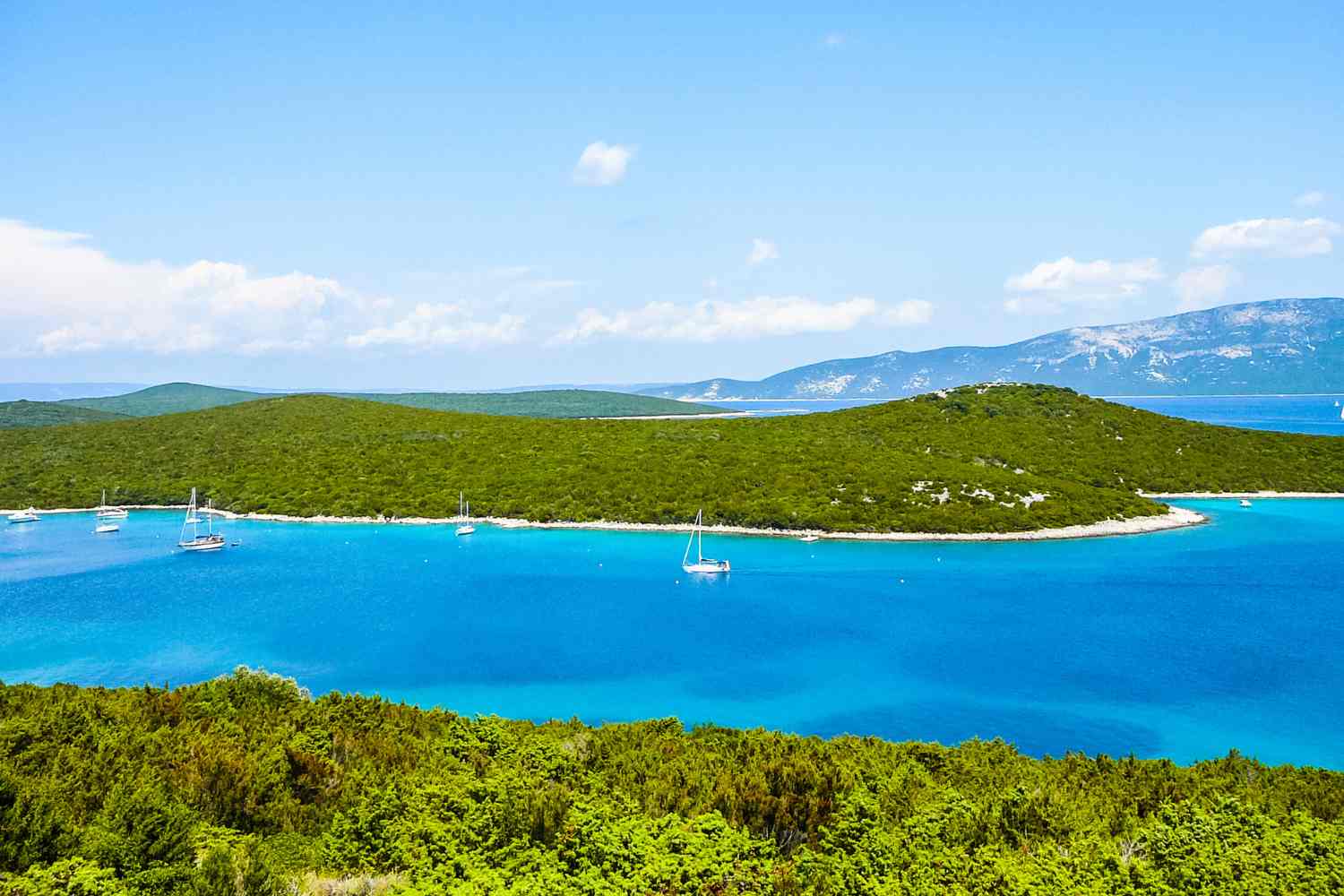
In the Kvarner Gulf, Unije is one of the lesser-known islands in Croatia. There are no asphalt roads or large tourist facilities: just a small village, centuries-old olive groves and bays with incredibly clear water.
Here the day is marked by the arrival of the boats and the rhythm of the fishing. A perfect choice for those who really want to disconnect from the daily frenzy.
Silba, Croatia
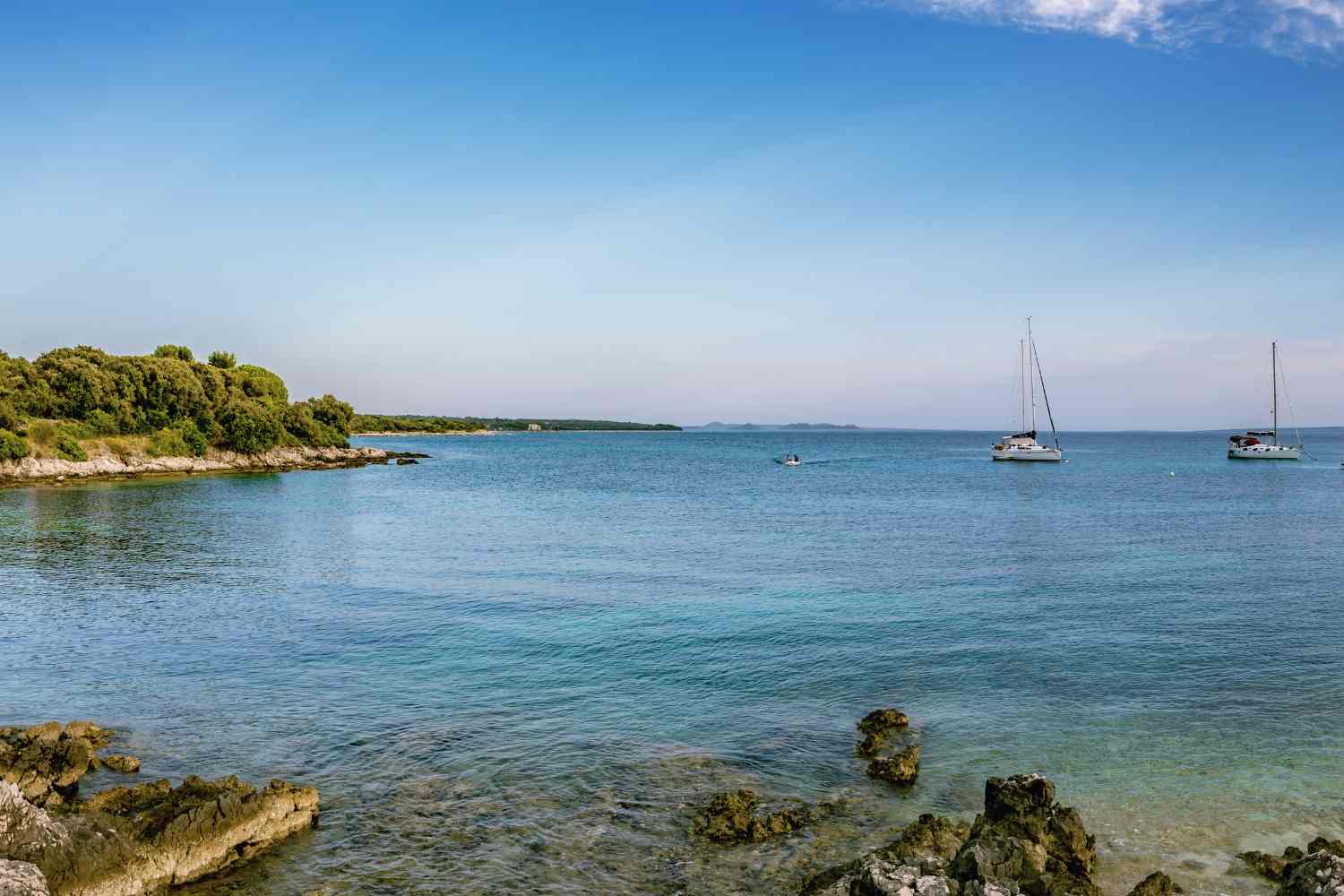
Known as “the island of pedestrians”, Silba has made slow mobility its symbol. Cars are banned and even luggage is often transported in small wheelbarrows.
Its shaded streets lead to quiet beaches and hidden coves. The atmosphere is relaxed and familiar, ideal for couples and families looking for tranquility.
Atlantic and Northern Europe: where to find cooler temperatures
Pico, Azores (Portugal)
Dominated by Portugal’s highest mountain, Pico is one of the most fascinating islands in the Atlantic. Its volcanic landscapes are home to vineyards grown on lava and recognized as a UNESCO World Heritage Site.
Natural rock pools, volcano hikes and whale watching are some of the most popular activities. The mild climate even in the height of summer makes it a valid alternative to the Mediterranean.
Styrsö, Sweden

In the heart of the Gothenburg archipelago, Styrsö offers a completely different experience to classic beach holidays.
No cars, four small villages, green paths and a coast made of rocks smoothed by the sea. Here summer means diving in the waters of the Baltic, kayaking and long evenings illuminated by the Northern sun.
Spiekeroog, Germany
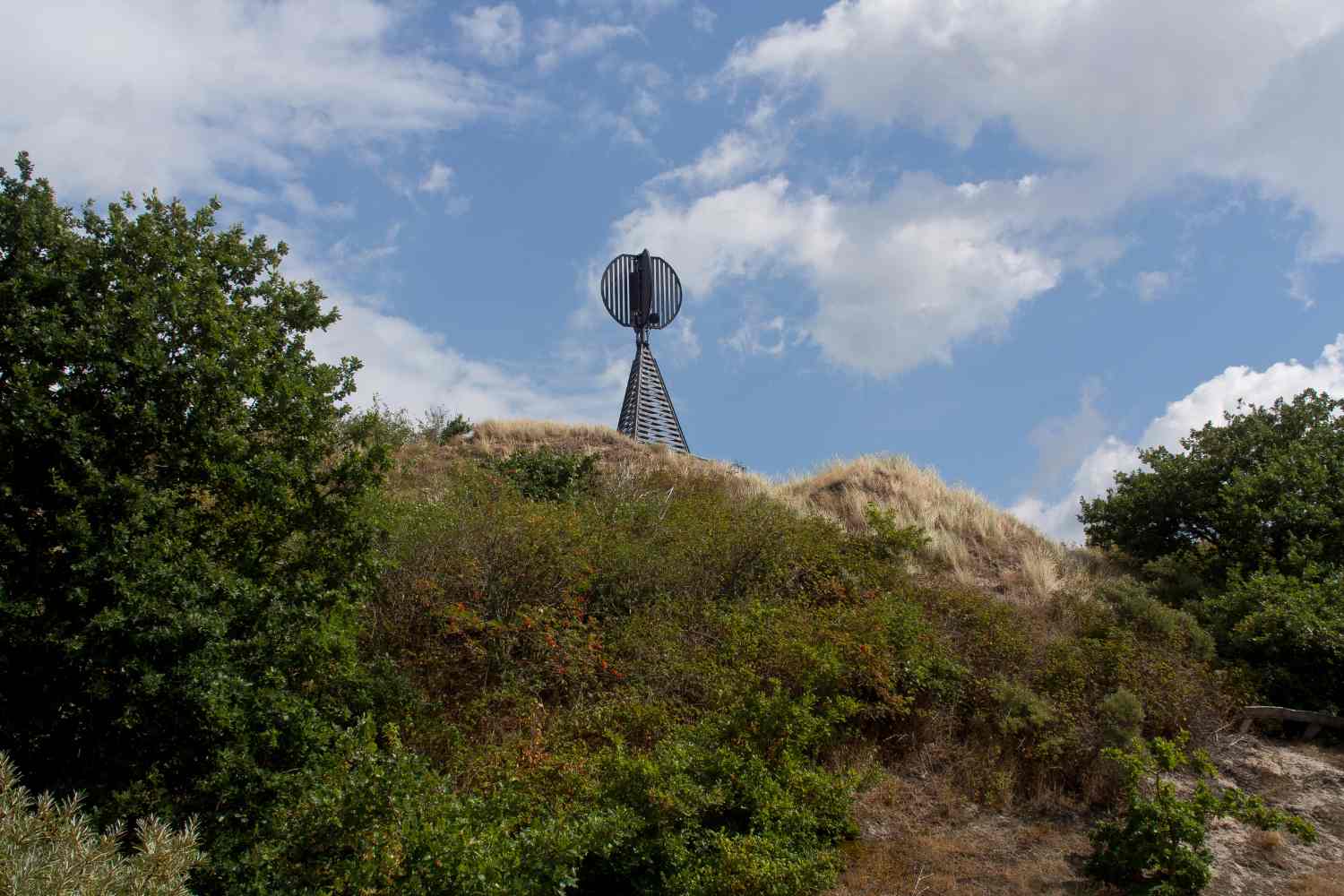
Inserted in the Wattenmeer National Park, a UNESCO heritage site, Spiekeroog is one of the seven German East Frisian islands.
Its immense sand dunes, cycle paths and seal-watching excursions especially attract travelers in search of nature and tranquility. The cool climate of the North Sea also represents an effective antidote to Mediterranean heat waves.
Saaremaa, Estonia
Estonia’s largest island is still little known to international tourism. Windmills, forests, historic lighthouses and wooden villages tell of a culture deeply linked to the Baltic.
Among the most curious places stands out the Kaali crater, generated by an ancient meteorite impact. Saaremaa is an ideal destination for those who love cycling, relaxing in spas and immersing themselves in landscapes with Nordic charm.
How to organize the trip
Reaching these islands often requires a combination of flights and ferries, but this relative difficulty of access helps to preserve their authentic character.
June and September remain the best months to visit them: the climate is pleasant, the prices are lower and the turnout is decidedly lower than in August. Those who are forced to travel in the height of summer can instead head towards the islands of the Atlantic or Northern Europe, generally less exposed to both mass tourism and extreme temperatures.
How to travel responsibly
Small islands are fragile ecosystems, water resources are often limited, waste management is more complex and tourist pressure can have significant effects on the environment and local communities.
This is why it is important to adopt responsible behavior: use reusable water bottles, limit waste production, choose sunscreens that respect marine ecosystems, move around on foot or by bicycle when possible and respect the rules of protected areas.
They are small gestures that allow us to preserve these extraordinary places and to continue to consider them, even in future years, precious refuges far from the crowds of the European summer.
