
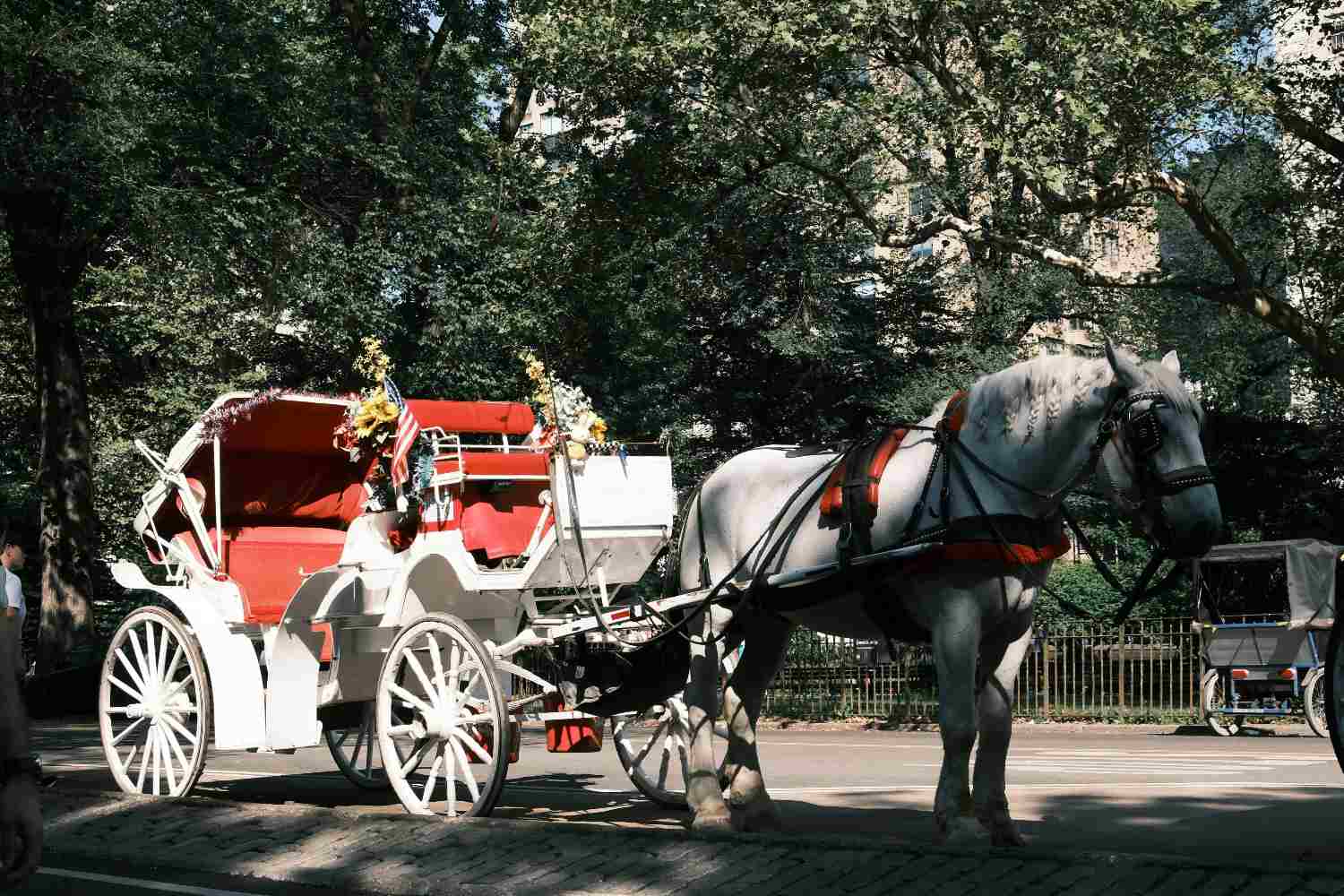
A sweeping decision marks the end of an era for traditional tourism in the United States. The Philadelphia City Council has approved a total ban on horse-drawn carriages, outlawing an activity that has characterized the streets of the Old City for decades. The provision, which will officially come into force on June 26, extends the prohibition to both commercial and non-commercial operators, affecting the use of carriages, sleds, wagons and sleds.
To ensure compliance with the new policy, city authorities have established very severe penalties: a fine of $1,000 per day for anyone who violates the ordinance. The measure received almost unanimous bipartisan support, led by Democratic councilor Mark Squilla, finding the only opposition from councilor Nic O’Rourke, concerned about the potential impacts on film shooting.
View this post on Instagram
From the bicentenary boom to the closing of the stables
The introduction of this type of tourist transport dates back to the celebrations of the American bicentennial in 1976. However, the sector was already structurally collapsing: the last historic company in Philadelphia had ceased operations in 2023, transforming the old stables into residential complexes, after the only competitor had closed in 2017 due to the precarious conditions of the animal shelters. With this move, Philadelphia officially joins metropolises such as Chicago and San Antonio, which have already eliminated animal-powered vehicles in favor of more sustainable urban mobility that respects animal welfare.
Animal rights associations, coordinated by Janet White, founder of the Carriage Horse Freedom organization, celebrated the resolution, calling it a civil and moral milestone. According to activists, the coexistence between equines and dense contemporary metropolitan traffic generated intolerable levels of stress for the animals, putting public safety at risk due to continuous urban stress.
View this post on Instagram
The Central Park tragedy: an eighteen-year-old tourist dies
The debate on the abolition of carriages has undergone a dramatic acceleration at a national level also due to a very serious accident that occurred in the heart of New York. The eighteen-year-old Indian Romanch Mahajan lost his life in Central Park after throwing himself from a moving carriage, whose horse was runaway and out of control. The coachman had imprudently abandoned his driving to take a photograph of the young man’s family, who had come to the United States to celebrate his imminent admission to university.
The victim’s mother fell badly from the vehicle and the boy, in a desperate attempt to rescue her, violently hit his head on the ground, dying shortly after. This is the first fatal accident recorded in Central Park in over 150 years of activity, an event that recorded the eighth case of equine-related accident in the last thirteen months within the green area.
New York towards the ban: the political stance
The tragedy in Manhattan pushed the Central Park Conservancy and the main unions to immediately suspend tourist travel. New York Mayor Zohran Mamdani has expressed a clear desire to work with City Council President Julie Menin to schedule a hearing next month to approve the so-called Ryder’s Law, aimed at permanently dismantling the entire industry while ensuring an employment transition for workers.
Because the call must become global
The turning point in Philadelphia and the drama in Central Park demonstrate that nostalgia can no longer be paid for with animal blood and suffering. The streets of contemporary metropolises, congested with traffic, noise and hot asphalt, are the biological antithesis of a horse’s habitat. It is no longer a question of regulations or simple safety protocols: tourist carriages must be banned everywhere, without exceptions, starting from New York.
Continuing to defend the anachronism of carriages in Central Park in the name of postcard romanticism means ignoring a reality of stress, repeated accidents and broken lives. It is time for the Big Apple to also take that step of civilization already undertaken by Chicago, San Antonio and Philadelphia, demonstrating that an advanced metropolis projected into the future is recognized above all by its ability to look at the well-being of animals and the safety of its citizens with a finally ethical and modern conscience.
You might also be interested in:
