
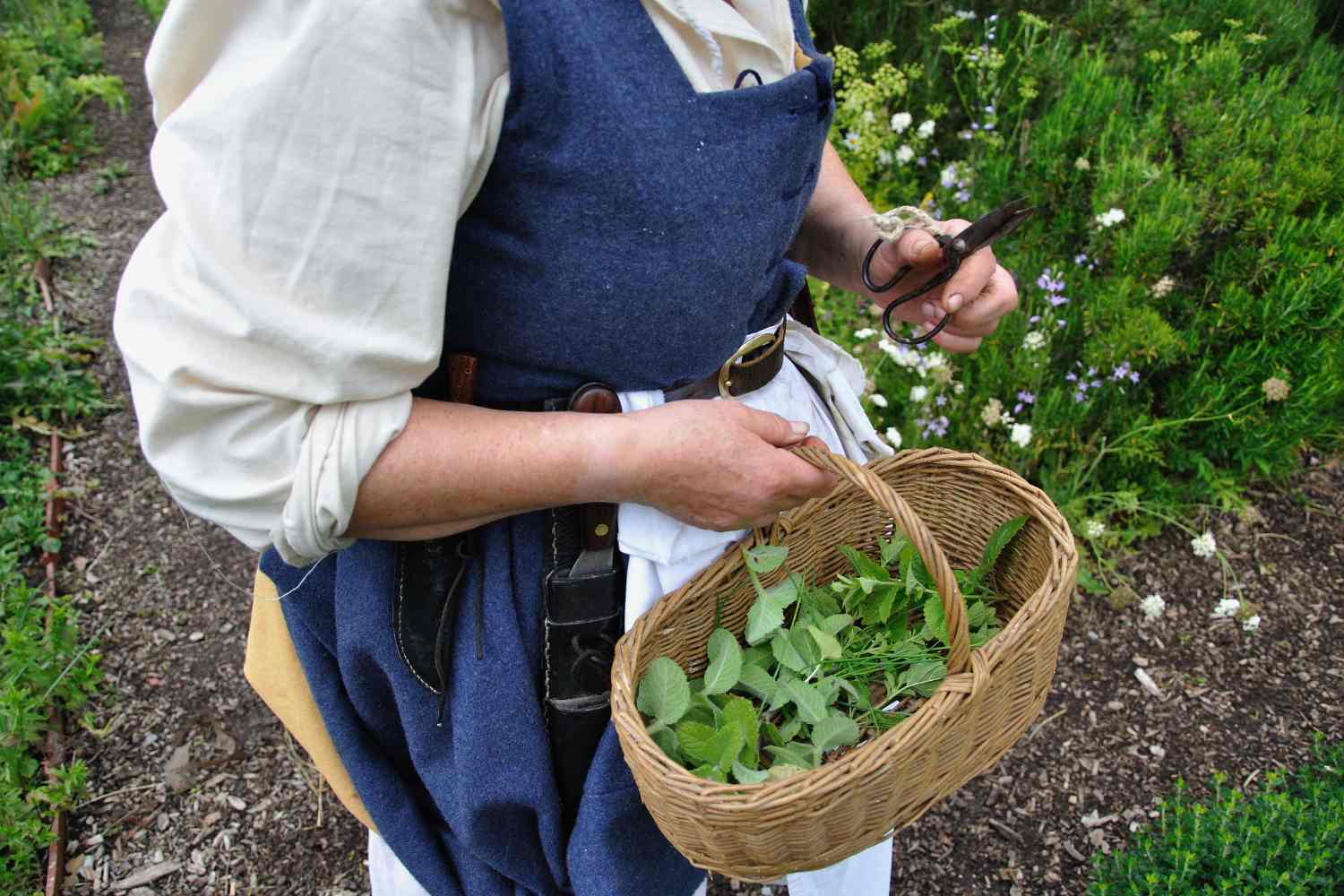
Before collecting them it is important to learn to recognize them with certainty. June is one of the richest months for wild herbs: meadows, path edges, fields and clearings are filled with blooms that have accompanied peasant traditions, popular cuisine and herbal medicine for centuries. Many of these plants are harvested in the days preceding the summer solstice and the night of St. John, when according to folklore they would reach the maximum of their vital force.
Today, interest in wild herbs is experiencing a new season thanks to the rediscovery of biodiversity, natural nutrition and local traditions. However, harvesting requires caution: some species can be easily confused with toxic plants, and not all are edible or suitable for home use. Here are some of the most common wild herbs to observe and learn to recognize during the month of June.
St. John’s Wort, the herb symbol of St. John
@mikeosphoto/123rf
Among the plants most linked to this period of the year there is undoubtedly St. John’s wort (Hypericum perforatum), also known as St. John’s Wort because it reaches full bloom around June 24th.
It is recognized by its small, intense yellow flowers made up of five petals and by its leaves which, when viewed against the light, appear to be dotted with tiny translucent holes. The Latin name derives from this characteristic perforatum.
Since ancient times, St. John’s wort has been considered a protective plant against evil spirits and negative influences. Today it is used mainly in the herbal field, but the collection must be carried out carefully and only if you are certain of the identification of the species.
Achillea, the queen of the meadows
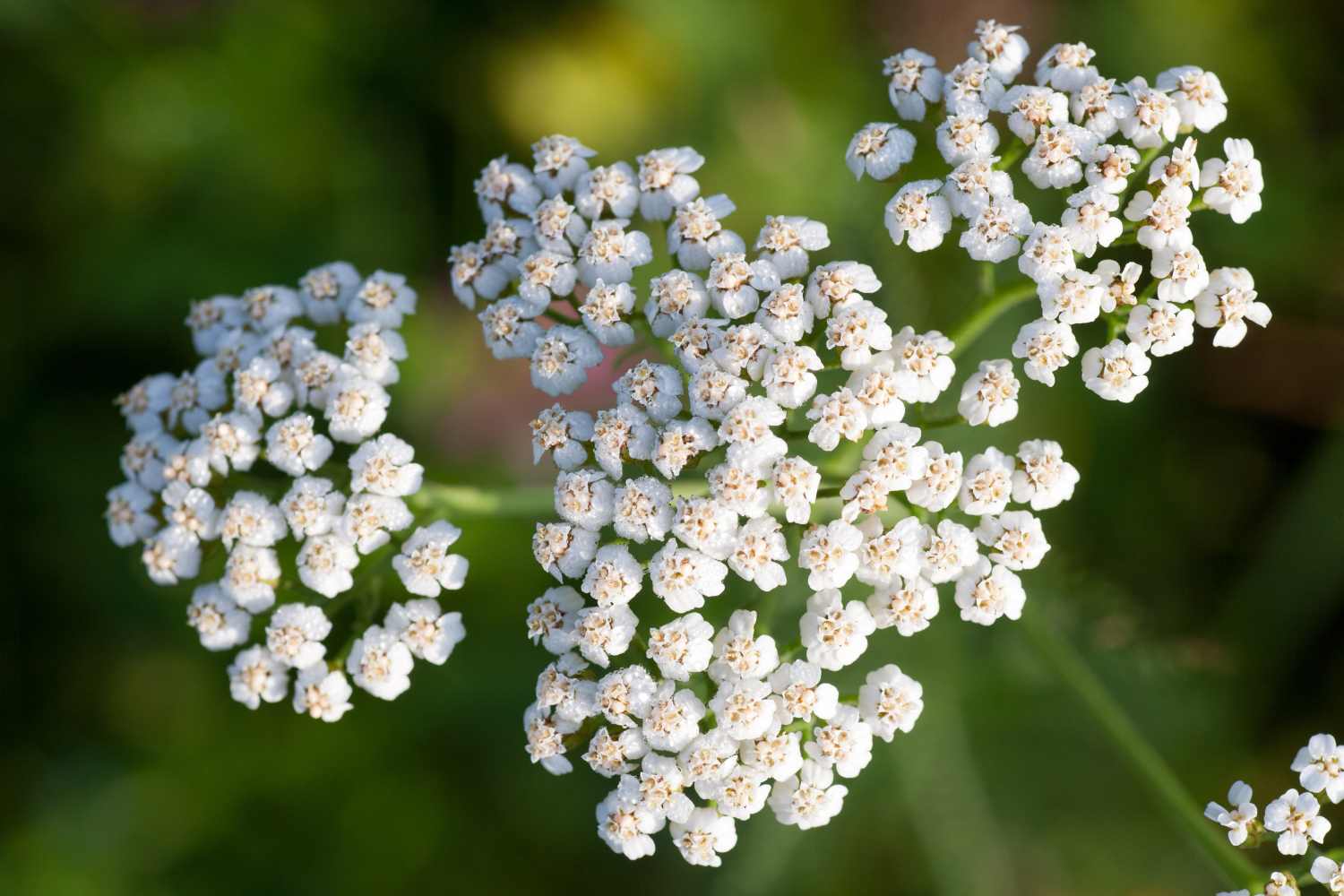
The yarrow (Achillea millefolium) is one of the most widespread wild herbs in sunny meadows and uncultivated land.
Its white or slightly pink inflorescences form easily recognizable compact umbels. The leaves, very jagged and thin, resemble a feather and represent one of the main distinctive elements of the plant.
According to tradition, its name is linked to the Greek hero Achilles, who used it to treat warriors’ wounds. Today, yarrow continues to be appreciated for its ornamental value and the role it plays in ecosystems, attracting numerous pollinating insects.
Mauve, delicate but resistant
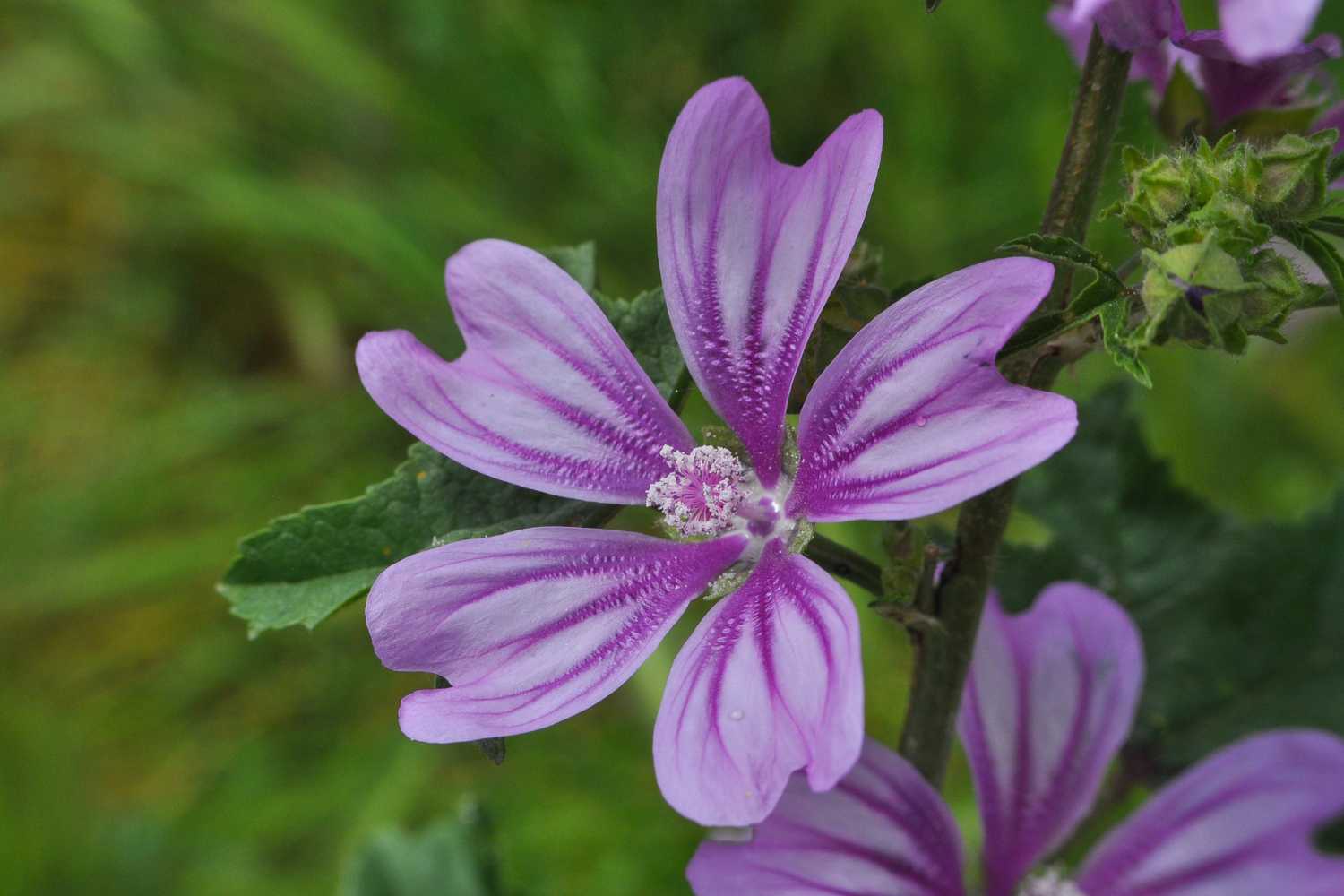
The mallow (Malva sylvestris) is one of the easiest spontaneous plants to recognize.
It grows along country roads, ditches and abandoned land and has characteristic purple flowers with darker streaks. The leaves are rounded, soft to the touch and slightly lobed.
It has been used in popular tradition for centuries thanks to its well-known emollient and soothing properties. It is one of the plants that are most frequently included in the water of San Giovanni together with lavender and St. John’s wort.
Plantain, the plant that grows everywhere
xr:d:DAGAIorCT_o:210,j:1645363693135933895,t:24040515
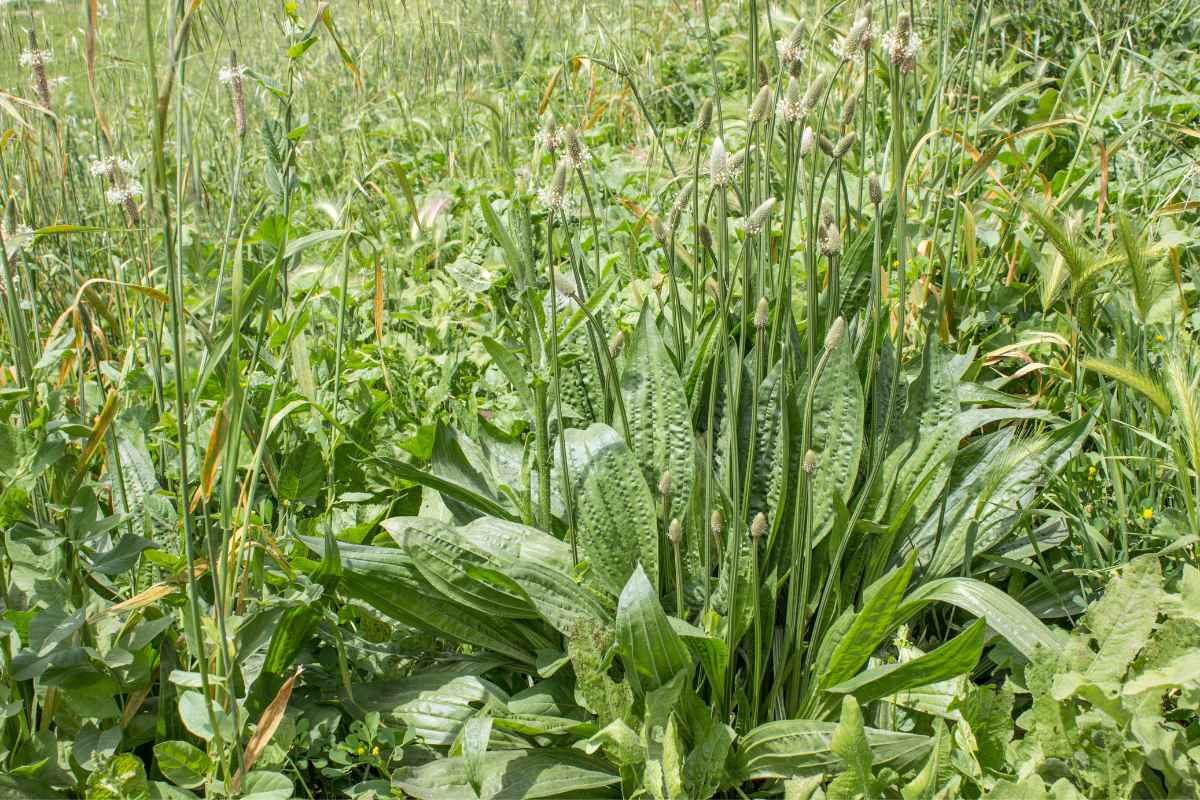
Often ignored because it is very common, plantain (Plantago lanceolata And Plantago major) is one of the most interesting wild herbs to learn to recognize.
It forms rosettes of basal leaves crossed by evident parallel veins. The flowers are small and gathered in elongated spikes that emerge from the center of the plant.
Its extraordinary ability to adapt allows it to grow practically anywhere: in lawns, along paths, in gardens and even between cracks in sidewalks.
Wild chamomile is not always what it seems
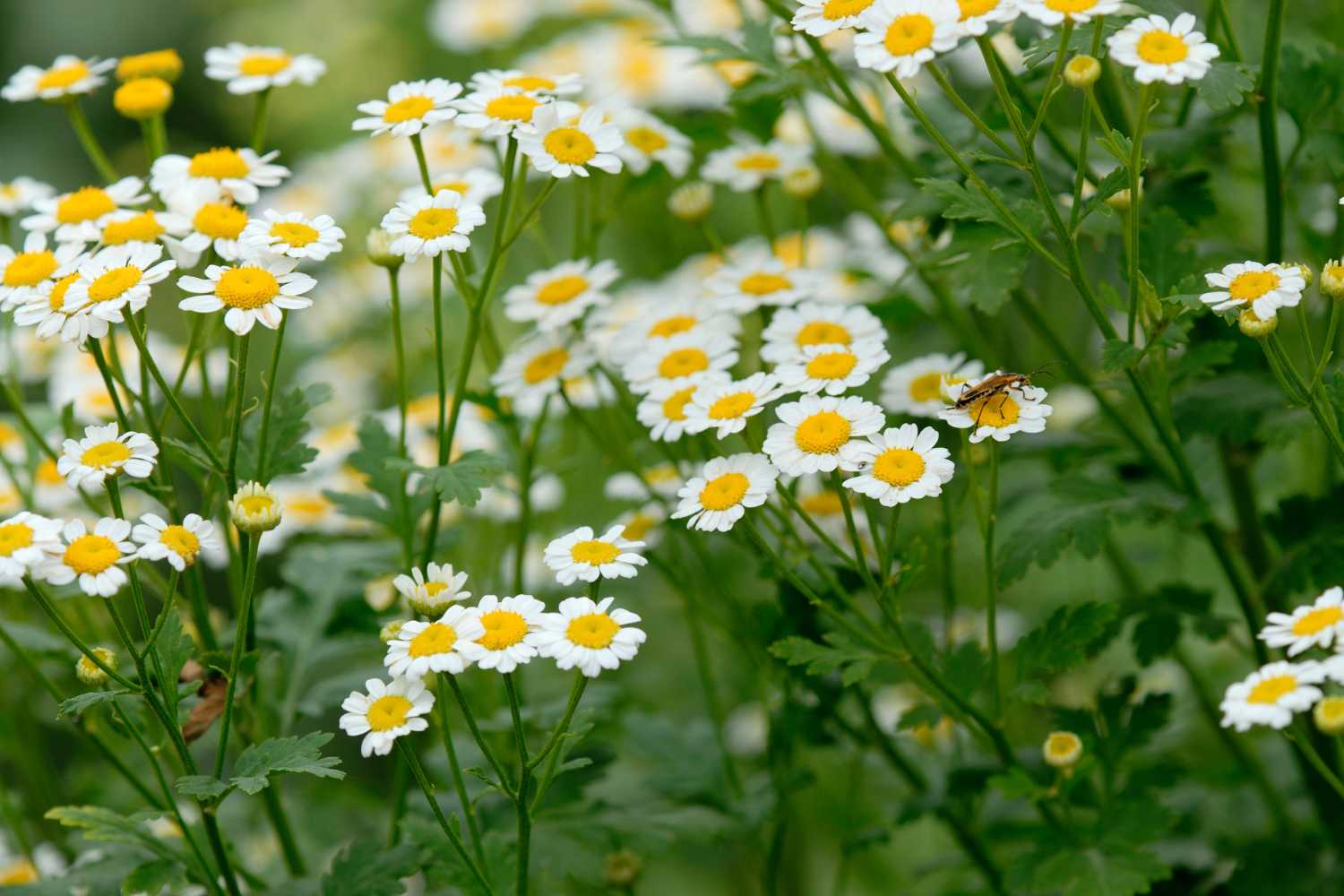
In the month of June, many rural areas are colored with the small white and yellow flower heads of wild chamomile.
The problem is that there are several species that are very similar to each other. The real chamomile (Matricaria chamomilla) has a characteristic sweet scent and a hollow internal receptacle, while other species may be less aromatic or belong to different genera.
For this reason it is always advisable to delve into the botanical recognition before harvesting it.
Wild fennel, the scent of the Mediterranean
Among the plants most loved by cooking enthusiasts is wild fennel (Foeniculum vulgare).
It is easily recognized by its intense scent and its very thin, almost filamentous leaves. It grows spontaneously along country roads, in arid lands and in coastal areas.
It is a typical species of the Mediterranean landscape and represents one of the symbolic ingredients of many traditional recipes of Southern Italy.
Lavender and rosemary, not only in the garden
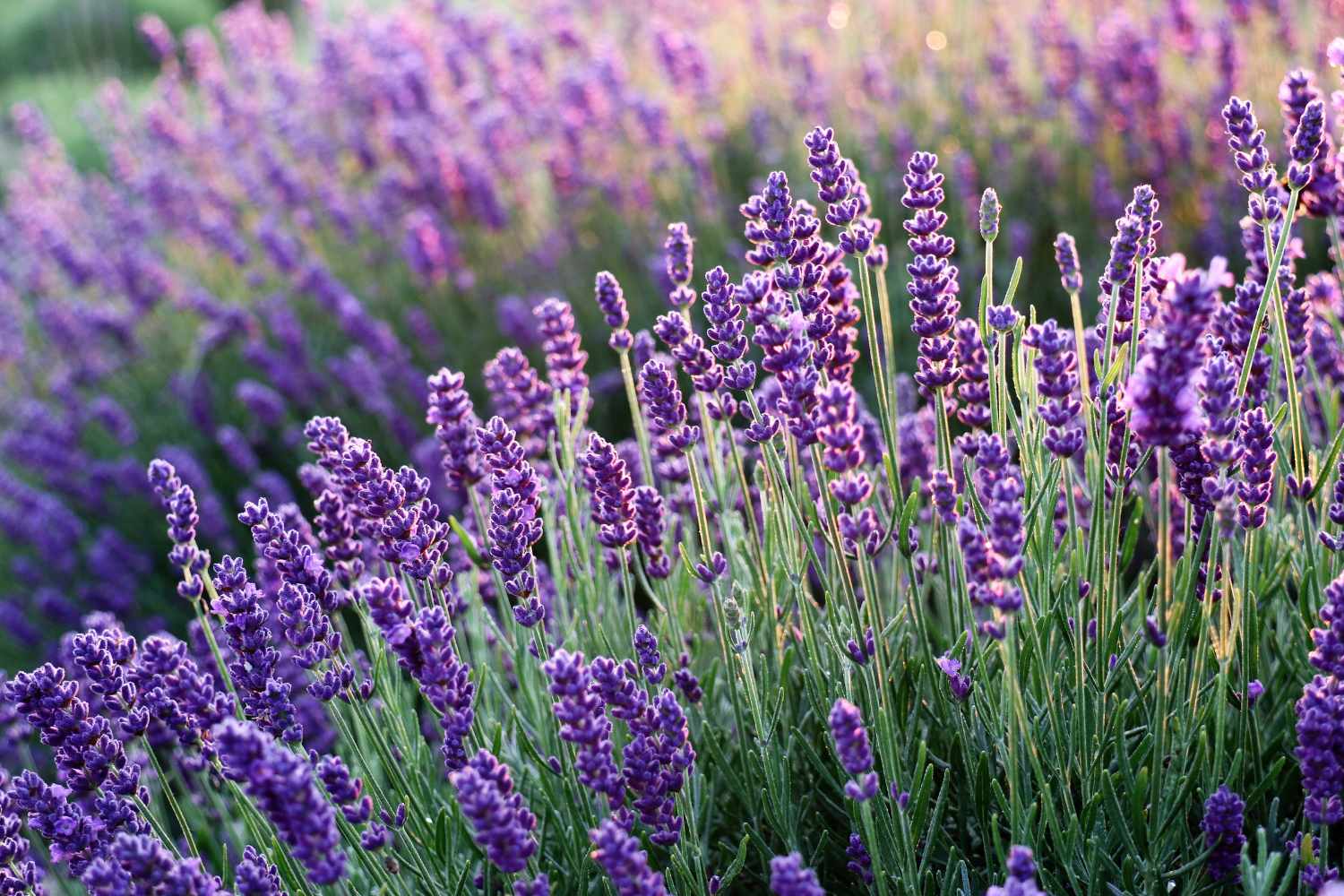
Although they are often cultivated, lavender and rosemary can grow wild in several areas of the Mediterranean.
In June the lavender is in full bloom and attracts bees, bumblebees and butterflies with its fragrant purple spikes. Rosemary, however, continues to represent a precious resource for pollinators thanks to its prolonged blooms.
Both species demonstrate how aromatic plants can contribute to local biodiversity, transforming balconies and gardens into small refuges for useful fauna.
Beware of toxic plants
Vademecum: how to collect wild herbs safely
Collecting wild herbs can be a fascinating activity and a way to rediscover nature, but it should never be improvised. Here are some simple rules to follow to avoid risks and harvest responsibly.
1. Only collect plants you know for sure
Don’t rely on photographs seen online or automatic recognition apps. Some edible species can be very similar to toxic or irritating plants.
2. If in doubt, do not collect
If you are not 100% sure of the identification, leave the plant where it is. Prudence is the most important rule.
3. Avoid polluted areas
Do not collect herbs along busy roads, near industrial areas, landfills, railways or land that may have been treated with pesticides and herbicides.
4. Check the condition of the plant
Choose healthy specimens, free of mold, suspicious stains or obvious signs of disease and infestation.
5. Do not uproot the plants
Take only the necessary part and leave roots and a good quantity of specimens in place, so as to allow the plant to continue to grow and reproduce.
6. Respect biodiversity
Avoid abundant harvests and inform yourself about any protected species present in your area.
7. Use appropriate containers
Prefer wicker baskets or paper bags, which promote air circulation and keep the plants in good condition.
8. Always wash what you pick up
Before any use, eliminate residues of earth, dust, insects and other impurities.
9. Watch out for allergies and skin sensitivities
Even plants considered harmless can cause irritation or allergic reactions in some people.
10. Learn from those who have experience
Taking part in botanical excursions, recognition courses or walks with nature guides is the best way to acquire skills and harvest safely.
The golden rule: if you don’t know a plant perfectly, don’t pick it or consume it. Nature offers an extraordinary variety of species, but correct recognition is always the first step to appreciate it without taking risks.
Toxic plants most easily confused with edible species
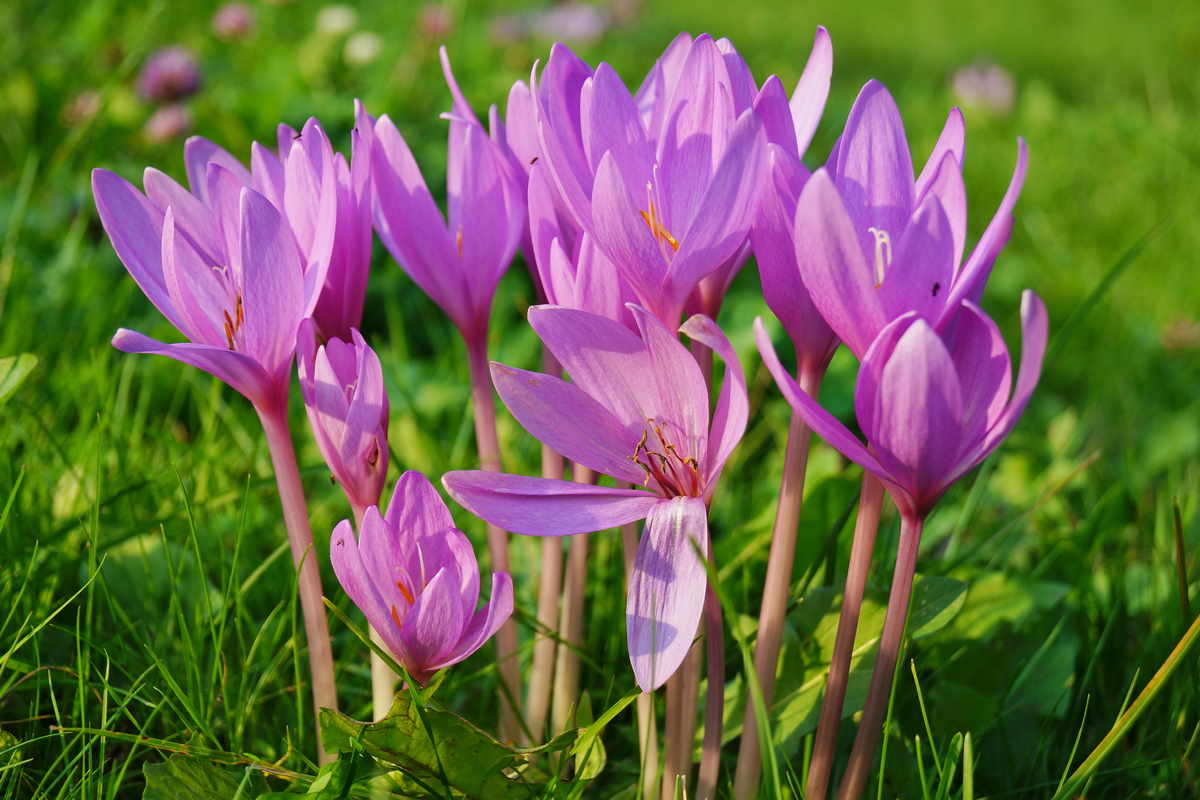
@Mariola Anna S/Shutterstock
When collecting wild herbs, the greatest risk is represented by identification errors. Some toxic plants may in fact resemble species used in cooking or in the herbal tradition.
Also pay attention to skin reactions
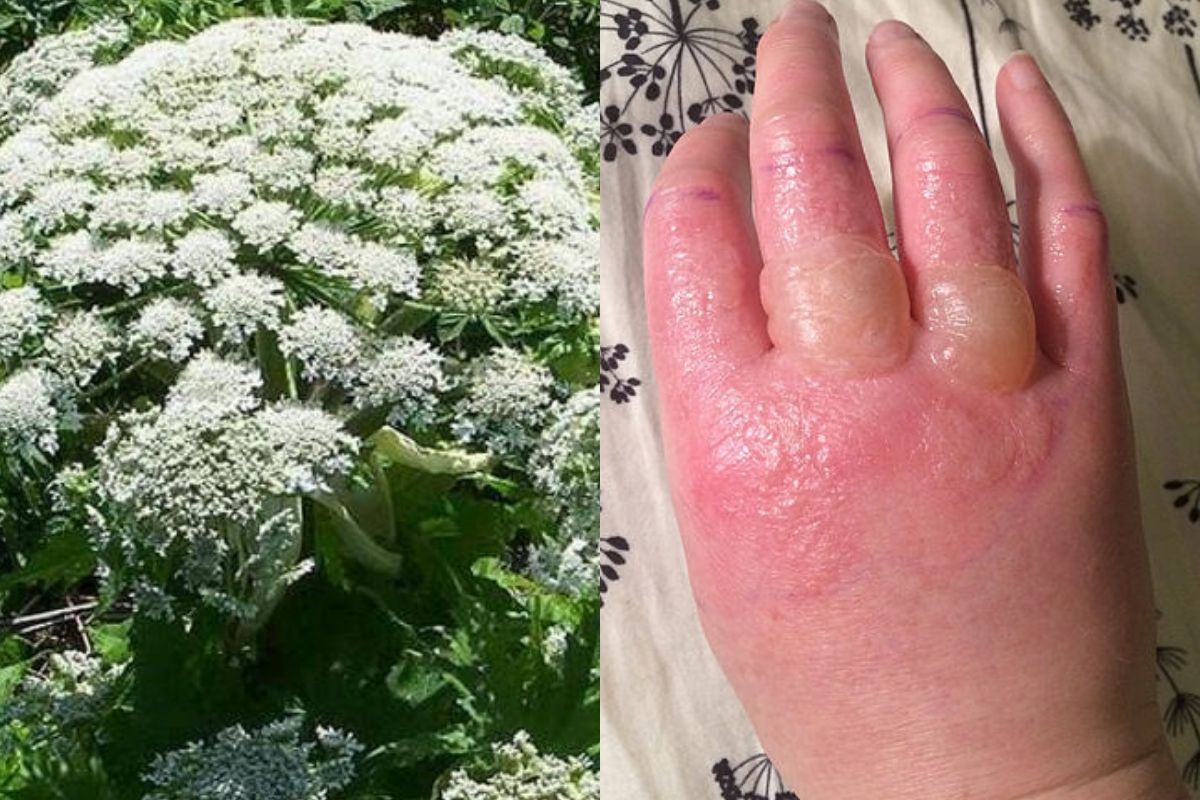
Not all dangerous plants are toxic if ingested: some can cause skin irritation. This is the case of rue, some euphorbias and Mantegazza hogweed, which in the presence of sun can cause serious dermatitis and burns.
In this way the reader understands that the problem is not just “not eating the wrong plant”, but also avoiding potentially irritating contacts. Furthermore, the piece acquires more authority and practical usefulness than the classic generic advice “beware of toxic plants”.
Rediscover biodiversity through wild herbs
Observing the wild herbs of June means learning to read the landscape with different eyes. Behind every flower and every leaf lies a history made up of popular traditions, ancient agricultural uses, ecological relationships and biodiversity.
Whether it is the St. John’s wort linked to the night of St. John, the mallow that grows along the paths or the fennel that perfumes the Mediterranean countryside, these plants tell of a natural heritage that is often underestimated. Learning to recognize them is a simple way to get closer to nature and better understand the extraordinary richness that surrounds us.
