
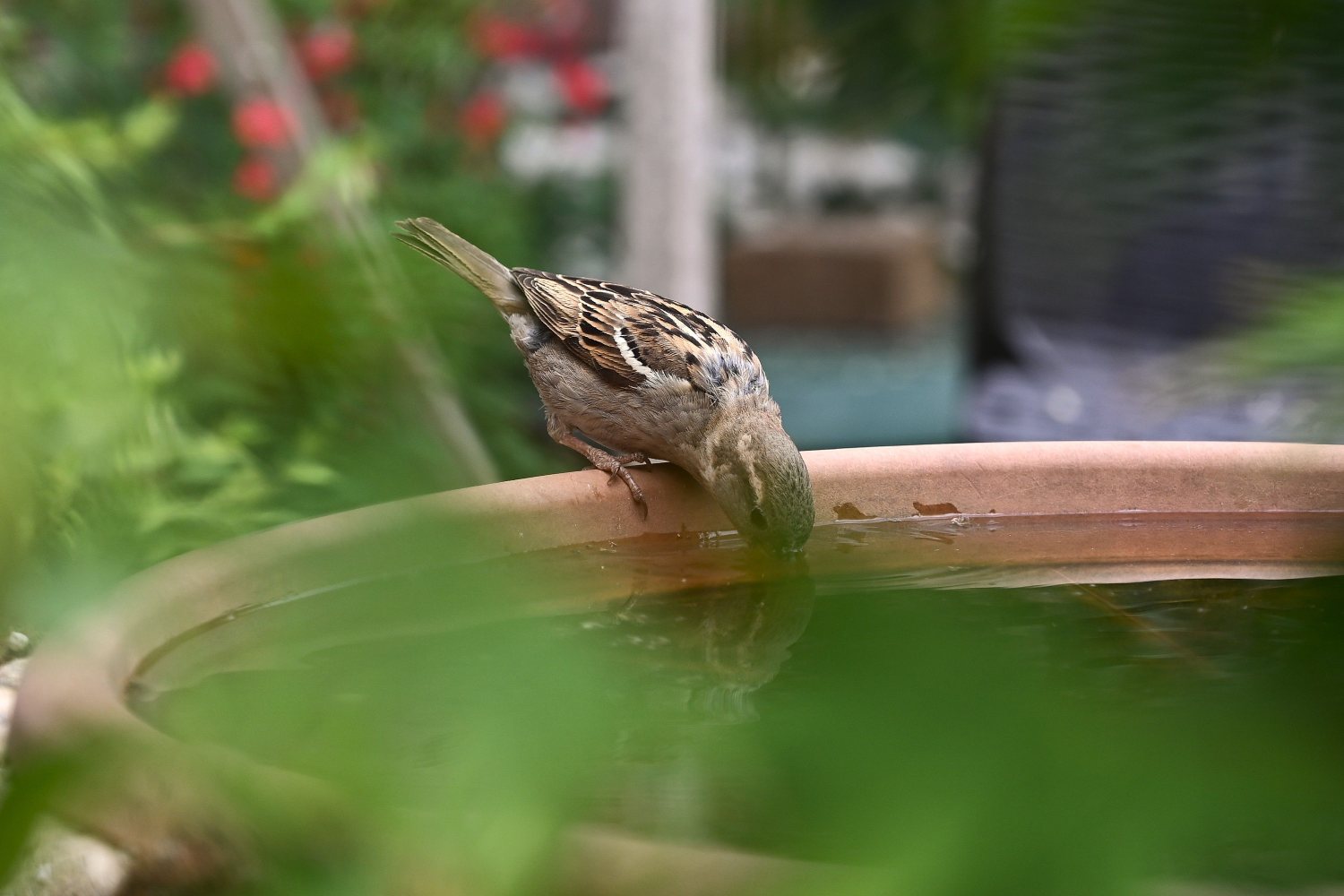
The scorching temperatures and prolonged absence of rain are not only testing human resistance, but are also silently testing the wildlife that populates our urban centers. In public gardens, on condominium balconies or along sidewalks, it is increasingly common to come across adults or nestlings unable to fly again because they are suffering or dehydrated.
So how can we intervene promptly? Specialists invite you to monitor specific clinical indicators: unusually rapid breathing with an open beak, a state of evident lethargy, motor disorientation or the inability to maintain an upright posture are the unequivocal symptoms of an ongoing thermal shock.
The hydration protocol and the safety of the animal
When recovering a dying person, the timeliness of the actions determines his survival, but each operation must follow a strict medical protocol. The first action to take is to administer small quantities of fresh water: operators strictly recommend hydrating drop by drop on the tip of the spout, allowing the liquid to slide naturally.
Immediately afterwards, the bird should be temporarily housed inside a perforated cardboard box, lined on the bottom with clean sheets of newspaper. This container must be placed in a quiet domestic environment, away from sources of visual or acoustic stress, maintaining a constant temperature strictly between 27 and 30 degrees Celsius for at least three hours in total.
Prohibited maneuvers and thermal contrast shock
The most common mistake, dictated by an instinctive but dangerous desire to provide help, lies in forcing the animal to swallow. You should never pour liquids directly down the bird’s throat, as this practice obstructs the upper airways causing immediate suffocation or aspiration pneumonia.
Likewise, attempts at artificial refrigeration are banned: wetting the feathers or using ice water is prohibited, practices that would trigger cardiac arrest due to thermal shock. To prevent these emergencies, the preventive advice is to permanently place a cup filled with 3 or 4 centimeters of water in the vases or courtyards, renewed daily and provided with a small stone that has emerged to allow the legs to rest on. Small gestures but they can make a difference and save many lives.
You might also be interested in:
