
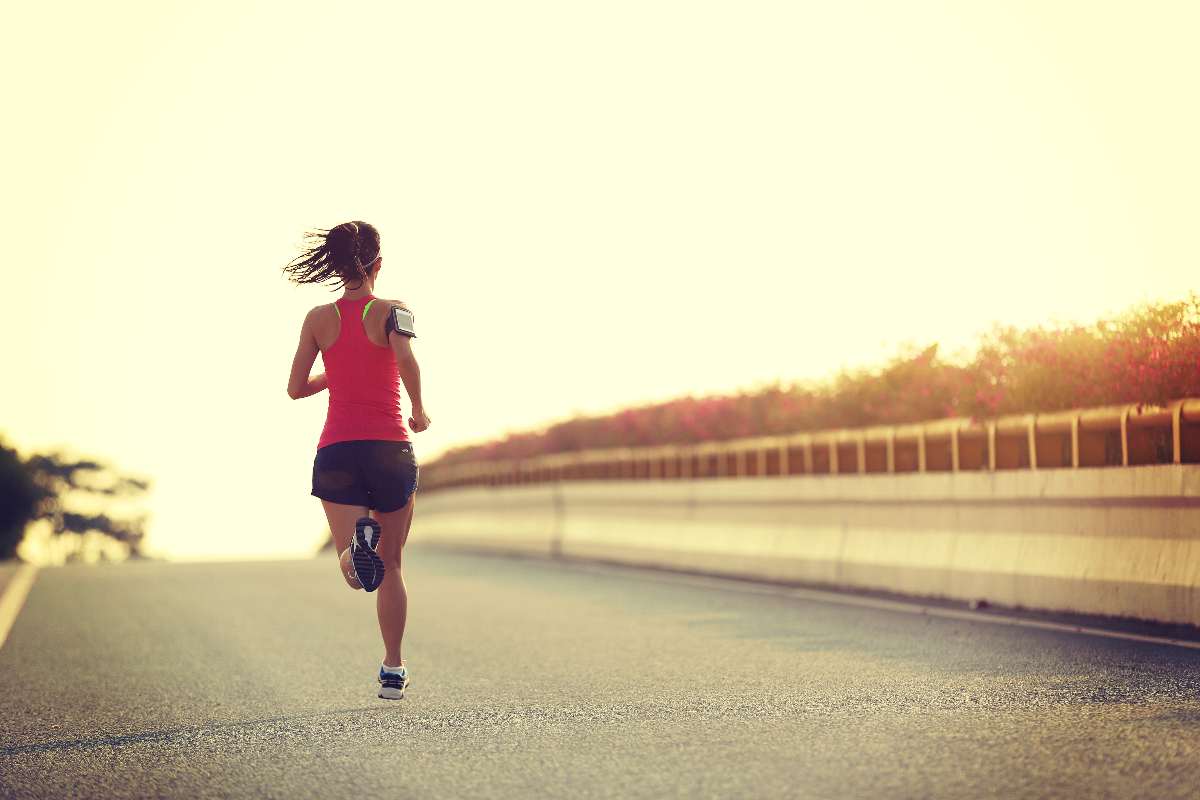
Summer brings with it longer days, clear skies and warm temperatures, providing plenty of opportunities to exercise outdoors. However, training in the heat can pose a significant challenge to your body and mind. High temperatures and humidity can, in fact, put a strain on the cardiovascular system, increase the risk of dehydration and cause disorders such as heat stroke.
Despite these difficulties, summer training also has its advantages. Heat can improve blood circulation, increase the body’s thermoregulation capacity and promote greater calorie consumption. However, to fully enjoy these benefits without incurring health risks, it is essential to adopt some specific precautions and strategies.
Physical and mental preparation
Training in the heat requires the body to gradually adapt to new climatic conditions. It is important not to force your body in the first days of intense heat. Start by reducing the intensity and duration of your workout, allowing your body to acclimate to the high temperatures. This adaptation process can take 7 to 14 days, during which the body improves its ability to shed heat and reduces the risk of heat stroke.
Mental preparation is equally crucial: training in the hot sun can be mentally exhausting, so it’s helpful to develop a positive and determined mindset. Staying motivated can be difficult, but focusing on long-term benefits and setting realistic goals helps keep motivation high.
Choice of time and location
One of the fundamental aspects of training in the heat is choosing the right time of day. The cooler hours, such as early morning or evening, are the most suitable to avoid the intensity of the sun. Avoiding exercising between 11am and 5pm, when temperatures are highest and UV rays strongest, can significantly reduce risks.
The choice of location is equally important. Opting for shaded parks, paths near lakes or the sea, where the sea breeze can help keep your body temperature under control, is a good strategy. Alternatively, air-conditioned gyms offer a safe and controlled environment for training, allowing you to keep the intensity high without having to worry about the heat.
Hydration and nutrition
Hydration is a key element to training safely during the summer. The body loses a lot of fluids through sweat, and proper hydration is essential to avoid dehydration. It is recommended to drink water regularly throughout the day, not just during training. In the case of particularly intense or prolonged sessions, it may be useful to supplement with drinks containing electrolytes, to replenish the lost mineral salts.
Nutrition also plays a fundamental role. During the summer, it is preferable to consume light meals, rich in fruit and vegetables, which provide vitamins, minerals and water. Also, remember that avoiding heavy, fatty foods, which require more energy to digest, helps keep your body cooler. Last, but not least, is to have frequent small snacks, rather than large meals, to provide constant energy without weighing you down.
Clothing and equipment
The right clothing can make a difference when training in the heat; we advise you to choose technical, breathable and light fabrics, which allow sweat to evaporate quickly, and thus help the body stay cool. Wearing light colors, which reflect the sun’s rays rather than absorbing them, is another useful trick.
Accessories should not be overlooked: a light and breathable hat can protect your head from the sun’s rays, while sunglasses with UV protection can protect your eyes. The use of high protection sunscreen is essential to prevent sunburn, which can be not only painful, but also dangerous in terms of long-term health.
Changes to the training program
In hot weather, you need to make changes to your regular workout schedule. Reducing the intensity and duration of sessions is often necessary to prevent the body from overheating. Another tip is to include frequent breaks during your workout, to help keep your body cool and prevent heat buildup.
Also consider alternative activities that may be more suitable for hot weather, such as swimming, which allows you to exercise while maintaining a lower body temperature, or yoga, which can be practiced in the shade or in air-conditioned environments. Bodyweight exercises, performed at home or in an air-conditioned gym, are another good option.
Post-workout recovery tips
After training, recovery is essential to help the body restore balance. Rehydration is the first priority: drinking water or electrolyte-rich drinks helps replenish lost fluids. A light meal, rich in proteins and complex carbohydrates, can help with muscle recovery.
Post-workout stretching, a cool shower or cold water immersion are all ways to speed up recovery and reduce muscle inflammation. Furthermore, it is important not to neglect rest: quality sleep is essential to allow the body to fully recover from the strains of training.
Contraindications and warning signs
Training in the heat carries some risks, and it is essential to be able to recognize the warning signals that the body sends in case of overload.
Symptoms such as dizziness, nausea, excessive sweating followed by dry skin, muscle cramps, and confusion may be indicators of heatstroke or dehydration. If you experience these symptoms, it is important to stop exercising immediately, find a cool place and rehydrate. If symptoms persist, it is advisable to consult a doctor.
You might be interested in:
