
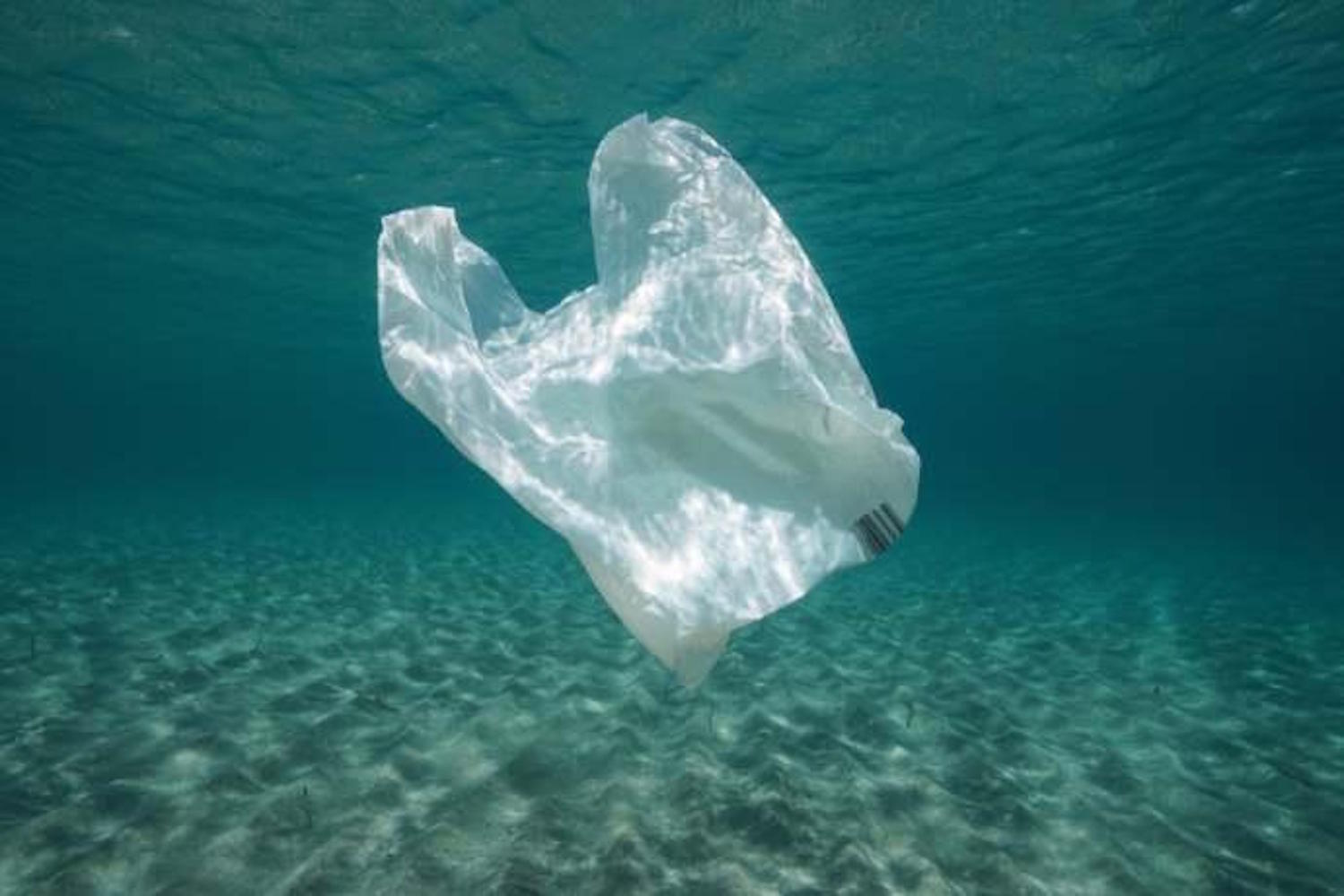
Policies that limit the use of plastic bags are producing real results in the fight against pollution. This is confirmed by a study published in the scientific journal Science, according to which taxes and bans have contributed to reducing the presence of this waste along the coasts of the United States by up to 47%.
The analysis examined data collected between 2016 and 2023 during thousands of beach and river clean-ups, showing how areas that adopted restrictive measures saw a significant decrease in plastic bags compared to areas without regulations.
What the researchers discovered
The study was conducted by researchers from the University of Delaware and Columbia University, who compared areas subject to bans or taxes with those where the use of bags remained free.
The results indicate a reduction of between 25% and 47% in the presence of plastic bags among waste collected on the coasts. To reach these conclusions, the scholars used the vast Ocean Conservancy database, powered by the work of thousands of volunteers engaged in environmental cleanups in approximately 45,000 coastal and river locations in the United States.
Not all plastic has decreased, but bags have
A particularly interesting fact emerges from the overall analysis of waste: the total amount of plastic present on US coasts unfortunately continues to increase. However, in cities and states that have implemented bag restrictions, the growth of this specific waste has been much more limited than that of other plastic materials.
To verify that the result was not simply due to greater environmental sensitivity among citizens, the researchers compared the trend of other single-use waste, such as bottles and straws. In these cases, a similar slowdown was not observed, suggesting that the decline in bags is actually linked to the regulations adopted.
United States and Europe: two different approaches
Unlike the European Union, which has introduced common rules to reduce the consumption of single-use plastic and limit the use of traditional bags, in the United States there is no uniform federal regulation. The management of the matter is entrusted to individual states and local administrations.
Currently only about ten of the 50 American states have adopted restrictions or bans on plastic bags, often accompanied by municipal regulations.
According to the study, the best results are recorded in jurisdictions that have introduced bans extended to all types of bags. Furthermore, regulations applied at the state level appear to be more effective than local ones. The reason is simple: lightweight plastic can be transported hundreds of kilometers by wind or river currents, easily exceeding the administrative boundaries of a city.
A global problem that shows no signs of disappearing
Despite the progress highlighted by research, plastic bags continue to represent one of the main sources of environmental pollution. They can take decades or even centuries to fully degrade, and during this long process, they release substances that can alter ecosystems.
Over time they fragment into increasingly smaller particles, transforming into microplastics. These tiny fragments have now been detected practically everywhere: in oceans, rivers, soils, air and even in living organisms. According to available estimates, up to 40 million tonnes of microplastics could be released into the environment every year, although the actual quantity remains difficult to quantify precisely.
Microplastics have already been identified in around 1,300 animal species and are associated with numerous negative effects, from obstruction of the digestive system to exposure to potentially harmful chemicals. Humans are also inevitably exposed, but the scientific community is still trying to fully understand what the long-term health consequences may be.
