
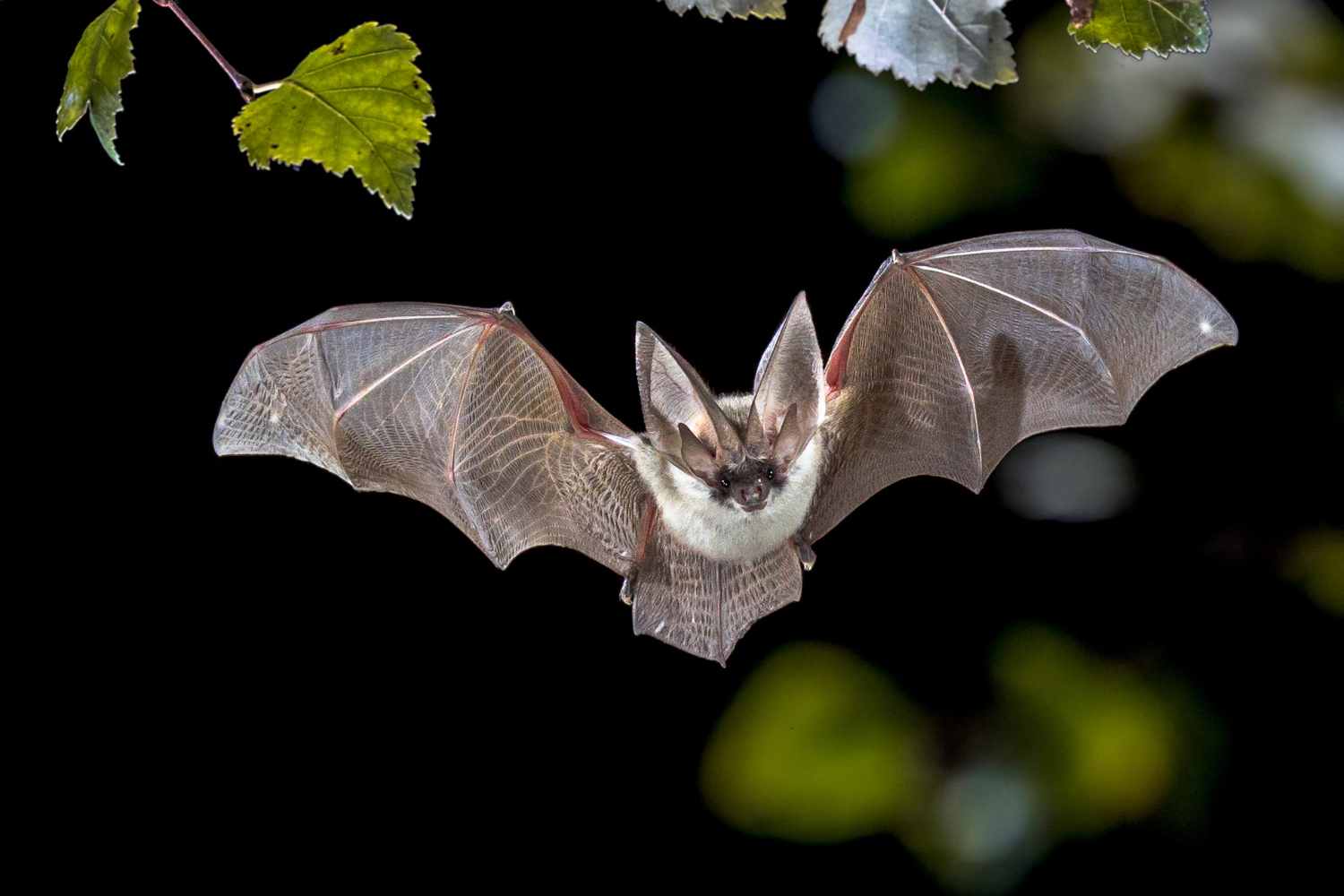
A bat resting on its nose and mouth, with no bite marks and no visible wounds. This was enough, in an Ontario cottage in the summer of 2024, to sentence an 11-year-old boy to death. The case, reconstructed in a report published on June 29 in the Canadian Medical Association Journal (CMAJ), is the first rabies death recorded in Ontario since 1967.
Minimal contact, no alarm bells
The boy wakes up with the animal on his face and chases it away with his hand, then his father catches it with a pot and releases it outside. Without obvious wounds or abnormal behavior on the part of the animal, the parents did not consider it necessary to go to an emergency room, exactly the scenario that the authors of the report (a team of paediatricians and infectious disease specialists from the University of Manitoba and the McMaster Children’s Hospital in Hamilton) indicate as the most insidious: bats can transmit the virus even without leaving recognizable signs, and for this reason any direct contact must be considered high risk, regardless of the appearance (and possible absence) of the wound.
Nineteen days of symptoms mistaken for something else
The clinical picture explodes nineteen days after exposure, symptoms such as tingling and numbness on the right side of the face, swelling and loss of appetite begin to appear. The doctors, having no reason to suspect rabies, took other paths, first formulating a hypothesis of Bell’s palsy, with antiviral therapy for herpes, then, faced with evident difficulties in swallowing and vomiting, they recommended hospitalization which led to the diagnosis of herpetic gingivostomatitis, despite the family reporting the bat episode. The following day the situation worsens and facial weakness, loss of sensitivity, difficulty speaking, fever, confusion and visual hallucinations appear.
The rush to intensive care and the confirmation
The boy is intubated and transferred to pediatric intensive care, and only there, according to what the authors of the report write, do the doctors begin to suspect that it may be rabies. A PCR test is performed and confirms the diagnosis on the fourth day of hospitalization, then the Canadian Food Inspection Agency identifies the variant of the virus associated with bats. There is no cure once the symptoms appear, so the medical staff is left with only supportive therapy, and the child dies on the seventeenth day of hospitalization.
Because prophylaxis remains the only weapon
Rabies, once symptomatic, is almost always lethal. The countermeasure exists and is effective, but it must be administered before the symptoms appear: post-exposure prophylaxis, which combines vaccine and specific immunoglobulins. The authors of the report insist on a point that the case makes dramatically concrete, namely that any direct contact with a bat, even without visible signs of a bite or scratch, must be reported to the health authorities, who will decide whether or not to initiate prophylaxis. It is no coincidence that the recall arrives close to summer, the season in which encounters between humans and bats reach their peak.
In Canada, cases of human rabies are very rare (28 in just over a century, according to the data cited in the report) and it is precisely this rarity that makes them dangerous, since very few doctors, in daily clinical practice, consider them among the first diagnostic hypotheses. The child’s parents agreed to make the case public to avoid similar situations from happening again.
