
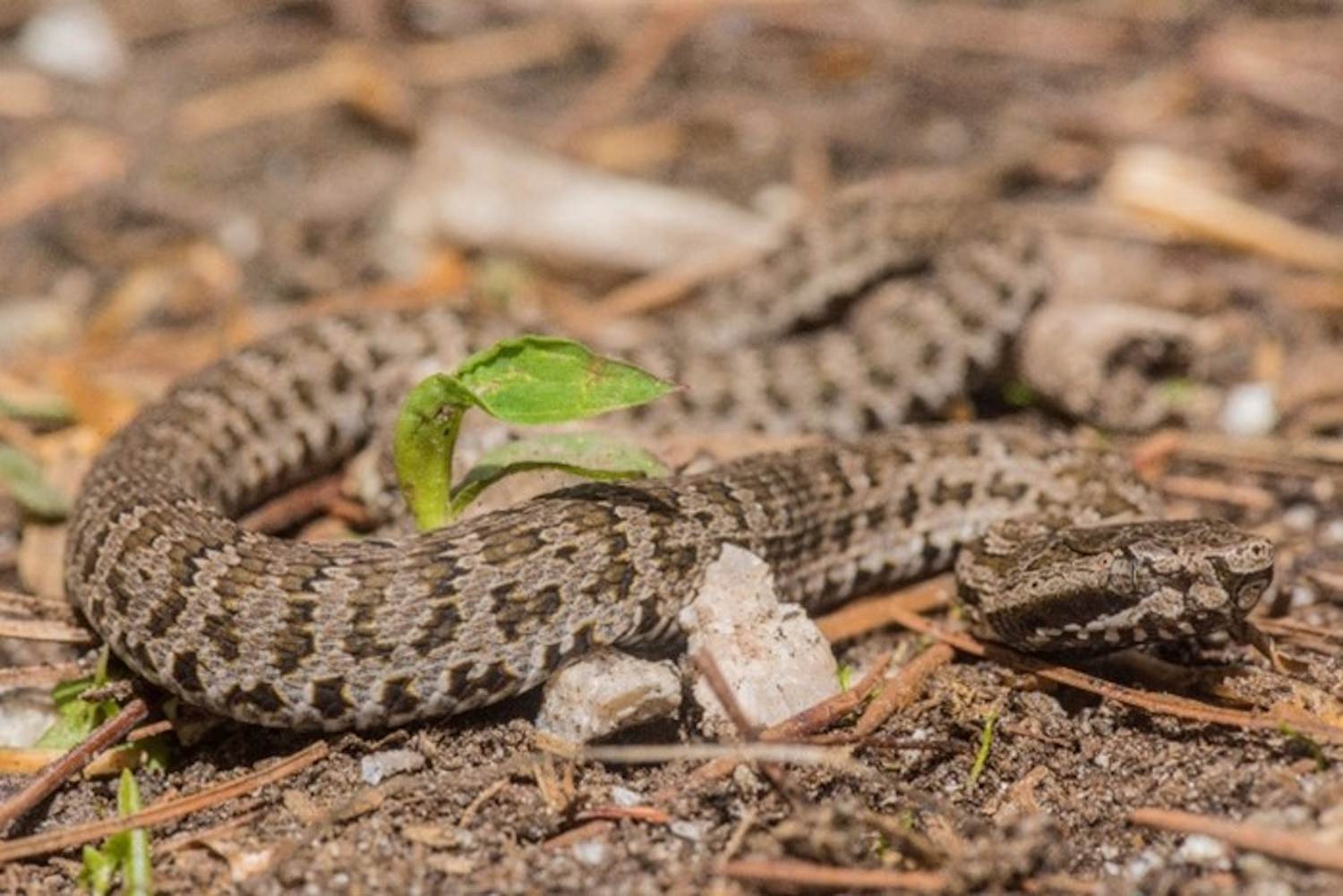
There are five species of Himalayan viper and not just one as previously thought, and three of these were completely unknown to scientists until now. This was discovered by research led by Comenius University Bratislava (Slovakia), which literally rewrote the 160-year-old history of a group of venomous mountain snakes in South Asia.
In fact, researchers have discovered that a snake, long considered a single, widely distributed species since 1864, actually represents a complex of several distinct evolutionary lineages, three of which had never before been identified.
©Comenius University Bratislava
An immense hidden heritage
The high mountain ranges of Central and South Asia remain among the least explored regions on Earth from a biological perspective, being geographically, logistically and socio-politically very complex.
The evident geographical complexity, unfortunately, is combined with a lasting socio-political instability which often complicates or even prevents field research. But South Asia is among the most densely populated areas in the world, and pressure on natural habitats is increasing even in otherwise remote areas, making evolutionary biology research even more important.
An immense hidden natural heritage, therefore, which also risks being lost.
The mountains and valleys of central and southern Asia influence much of the world – explains Daniel Jablonski, first author of the work – and the evolutionary stories that have been passed down there are also part of the history of our species
How the research happened and what it showed
©Comenius University Bratislava
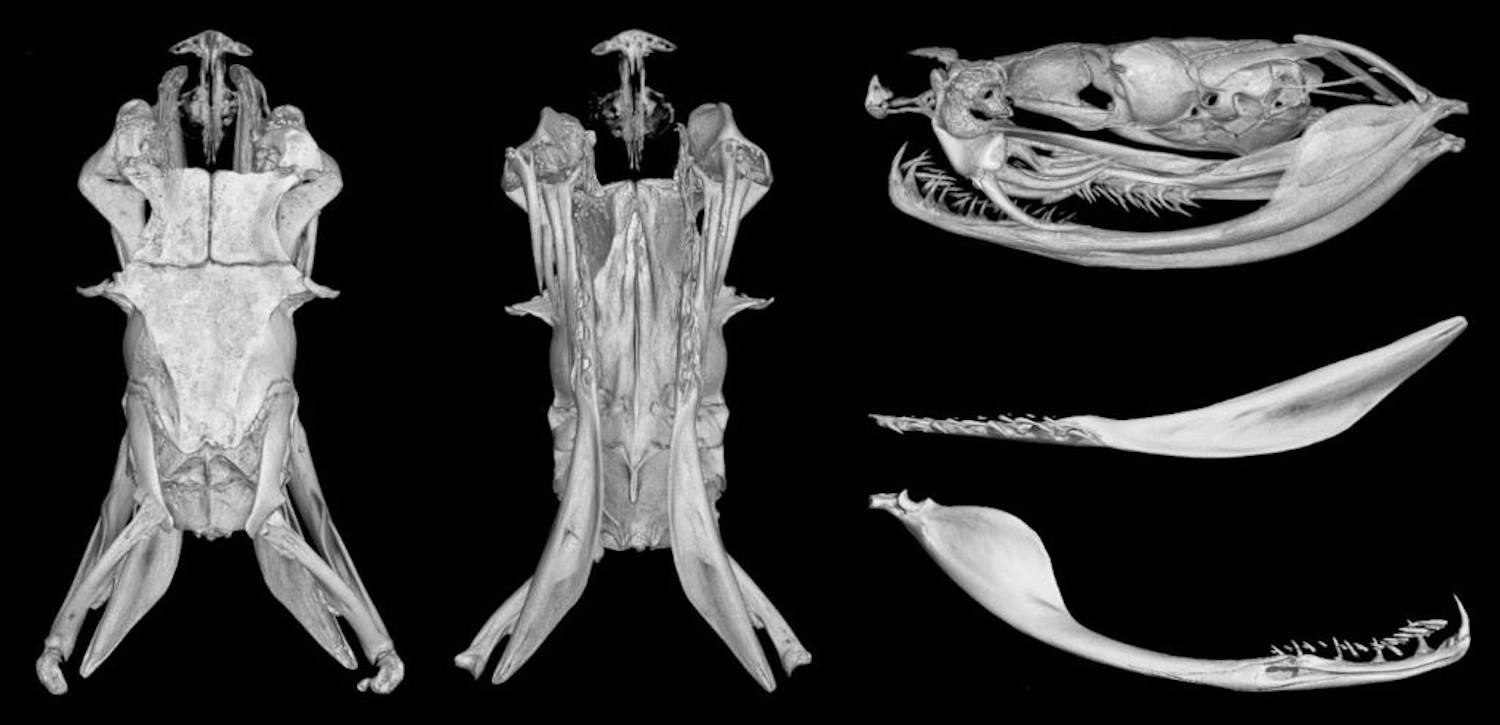
To try to overcome the intrinsic difficulties of the territory, the team conducted a major taxonomic revision of the Himalayan vipers of the genus Gloydiusvenomous snakes belonging to the viper family, collecting data from a combination of DNA obtained both during field work and from historical material preserved in natural history museums.
The researchers were able to extract genetic data from 19th- and early 20th-century specimens, including those from the “historic” Himalayan viper, found more than 160 years ago and now preserved at Natural History Museum, London.
The Himalayas and Hindu Kush are home to previously overlooked vertebrate diversity,” explains Jablonski. “By combining modern field sampling with data from historic specimens preserved in museums, we have uncovered evolutionary lineages that remained hidden for more than a century after the original description of the Himalayan viper.
The analysis of multiple data sources has identified five distinct evolutionary lineages, which have led to five different species, including the Himalayan viper Gloydius himalayanusdescribed for the first time, the G. chambensisdescribed in 2022, and three previously unknown species, named after the regions in which they live, so G. hazarensiscoming fromWestern Himalaya, G. hindukushensisfrom theEastern Hindu KushAnd G. nepalensisfrom the Nepal. These lineages differ to varying degrees in genetics, morphology, anatomy, and geographic distribution.
Snakes like that Gloydius are adapted to the hostile environments ofHimalayas and of theHindu Kushalthough they are also present in other areas of Asia. As predators of small vertebrates, they constitute an important part of mountain ecosystems.
Their true diversity in South Asia, however, had remained largely unknown due to their rarity and the rugged terrain in which they live. The study therefore provides not only a new perspective on a particular group of venomous snakes, but also broader insights into the evolution of the animals in one of the most complex and high mountainous regions in the world.
But above all, the discovery carries with it an important message for biodiversity conservation and future research: in fact, scientists do not yet fully understand how these species evolved or whether gene flow between them continues.
On the other hand, this study demonstrates that basic research on biodiversity is not science for science’s sake: on the contrary, it can significantly improve our understanding of the Earth’s history and, in the case of venomous snakes, may even have practical applications.
The work, funded by an EU NextGenerationEU grant under the Slovak Recovery and Resilience Plan and by a VEGA grant, was published in ZooKeys.
Sources: Comenius University Bratislava / ZooKeys
