
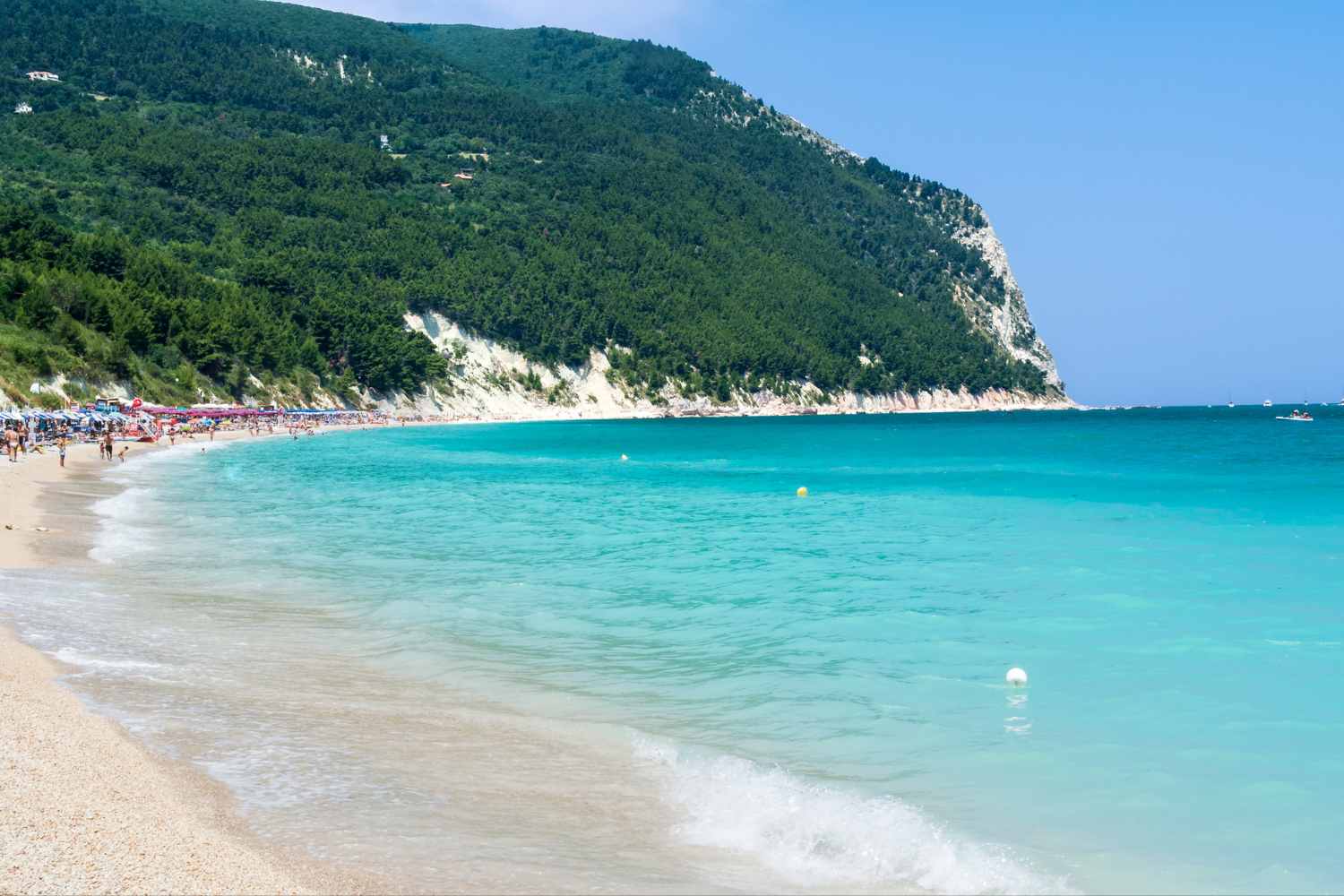
In Italy, most of the most photographed coasts are now fenced off by private establishments and five-star resorts, an aspect also noted by Katie McKnoulty, an Australian journalist who wrote an article for the Guardian dedicated to the beaches that escape this rule: six stretches of coast where access remains free and the landscape does not need sunbeds to be noticed.
Conero Riviera, Marche
The Conero regional park protects a promontory that rises to 572 meters directly from the sea, the only case between Trieste and the Gargano, on a protected area of 6,011 hectares. McKnoulty describes a region still foreign to mass tourism, where almost only Italian is heard. In Sirolo the sea can be reached with a walk among the pine trees to a wide beach of white pebbles, while Portonovo alternates between vintage establishments, a legacy of the Sixties, and long stretches of free beach.
Gargano, Puglia
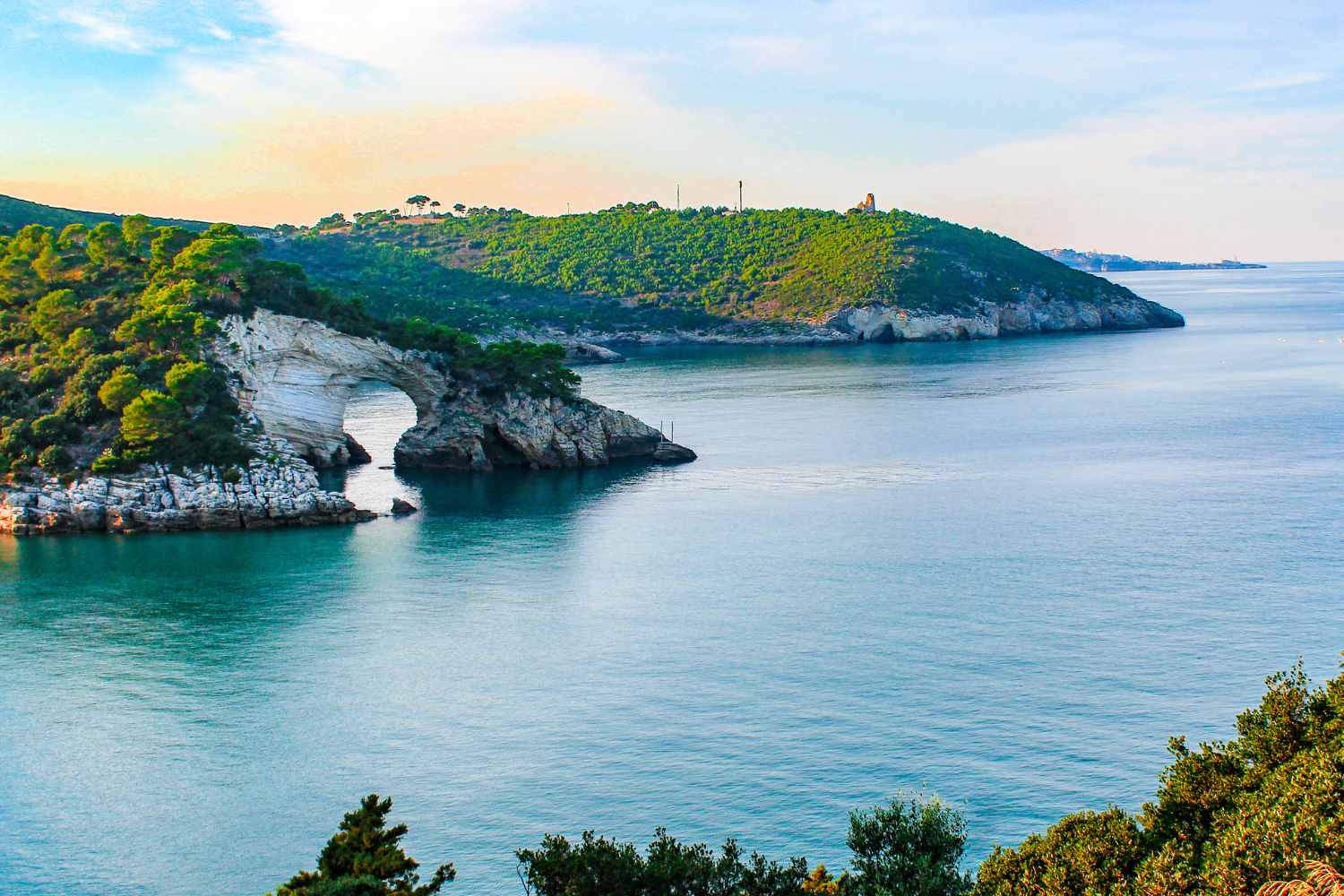
Less traveled than Salento, the Gargano promontory holds rocky coves and bays that the national park has kept safe from speculation. Portogreco is a small inlet between sea caves, good for diving and snorkeling. Vignanotica extends beneath a limestone cliff which offers providential shade in the late afternoon. For lunch, the journalist recommends going as far as Peschici, where the trabucchi – the ancient wooden fishing platforms – host restaurants serving freshly caught fish.
Ponza, Lazio
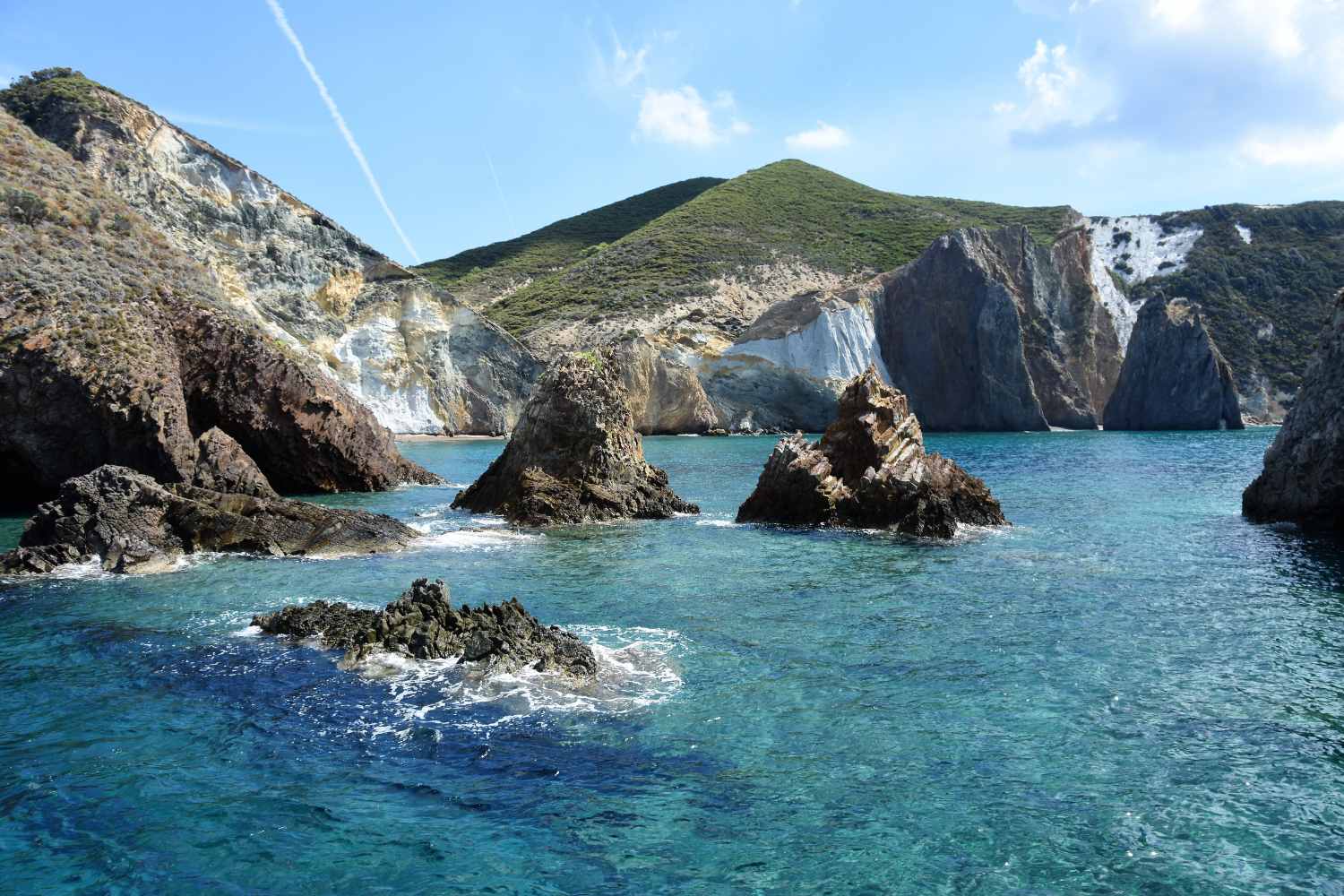
A historic destination for Romans looking for a quick escape from the city, Ponza retains a pastel-coloured port that has remained virtually unchanged. Frontone beach, the largest on the island, can be reached by taxi boat; despite the presence of some establishments, there remain large free spaces, in particular on the rocks of the southern side. The most spectacular inlets, such as Chiaia di Luna, can only be seen from the sea: renting a dinghy, with or without a skipper, is not a whim but the most sensible way to explore the island.
Pantelleria, Sicily
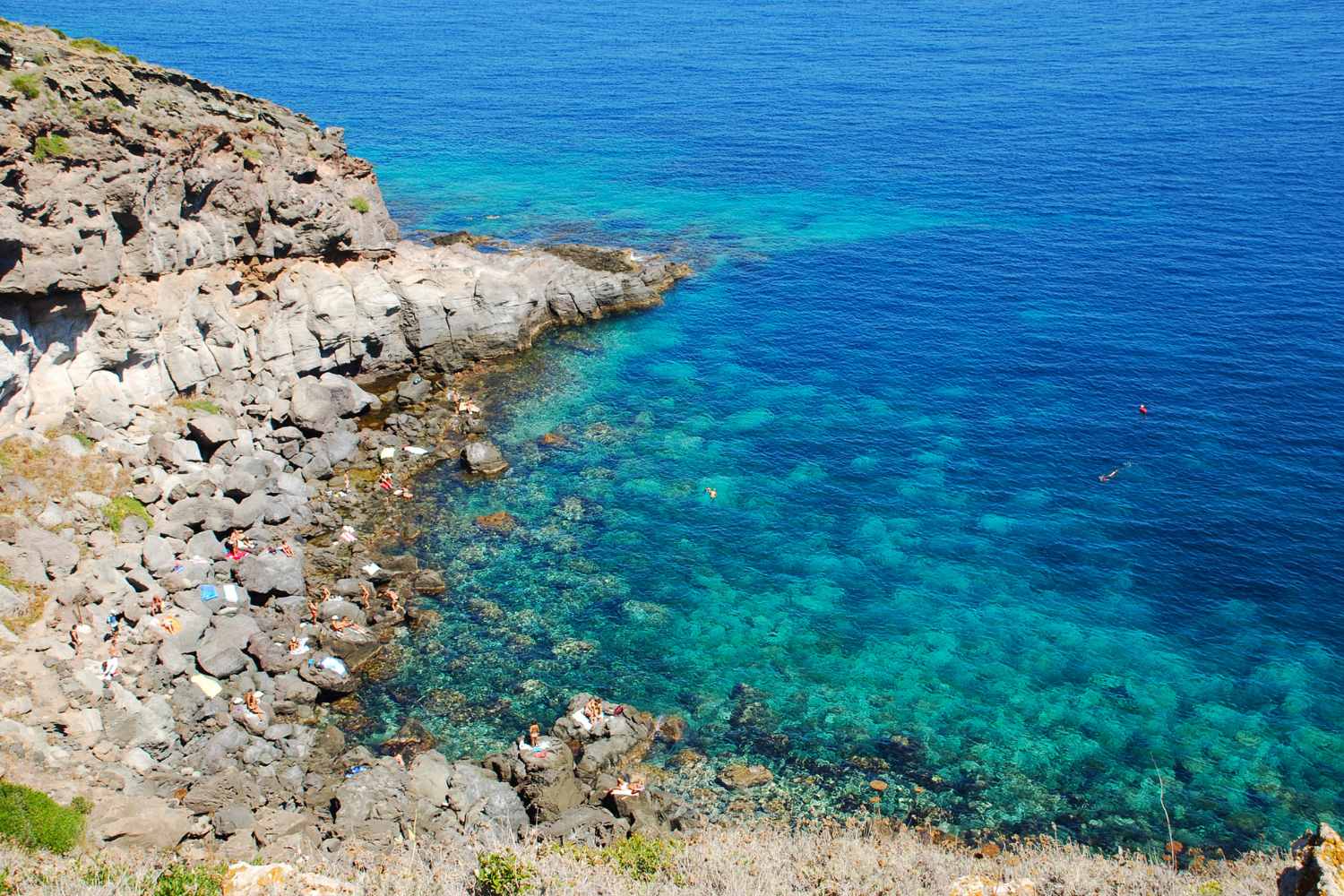
Closer to Tunisia than to Sicily, Pantelleria changes the mental coordinates of those who visit it. The national park, established in 2016, covers approximately 80% of the island’s territory (66.4 km²) and this fact explains well why nature here is not a background but a supporting structure. There are no sandy beaches, you lie down on volcanic rocks and dive into deep, crystal-clear waters. Balata dei Turchi, a wild bay in the southern part of the island, is ideal for snorkeling among corals and fish; in Nikà you swim over underwater thermal springs. The Laghetto delle Ondine can be reached with a short walk between lava rocks, up to natural pools dug by the sea.
Elba Island, Tuscany
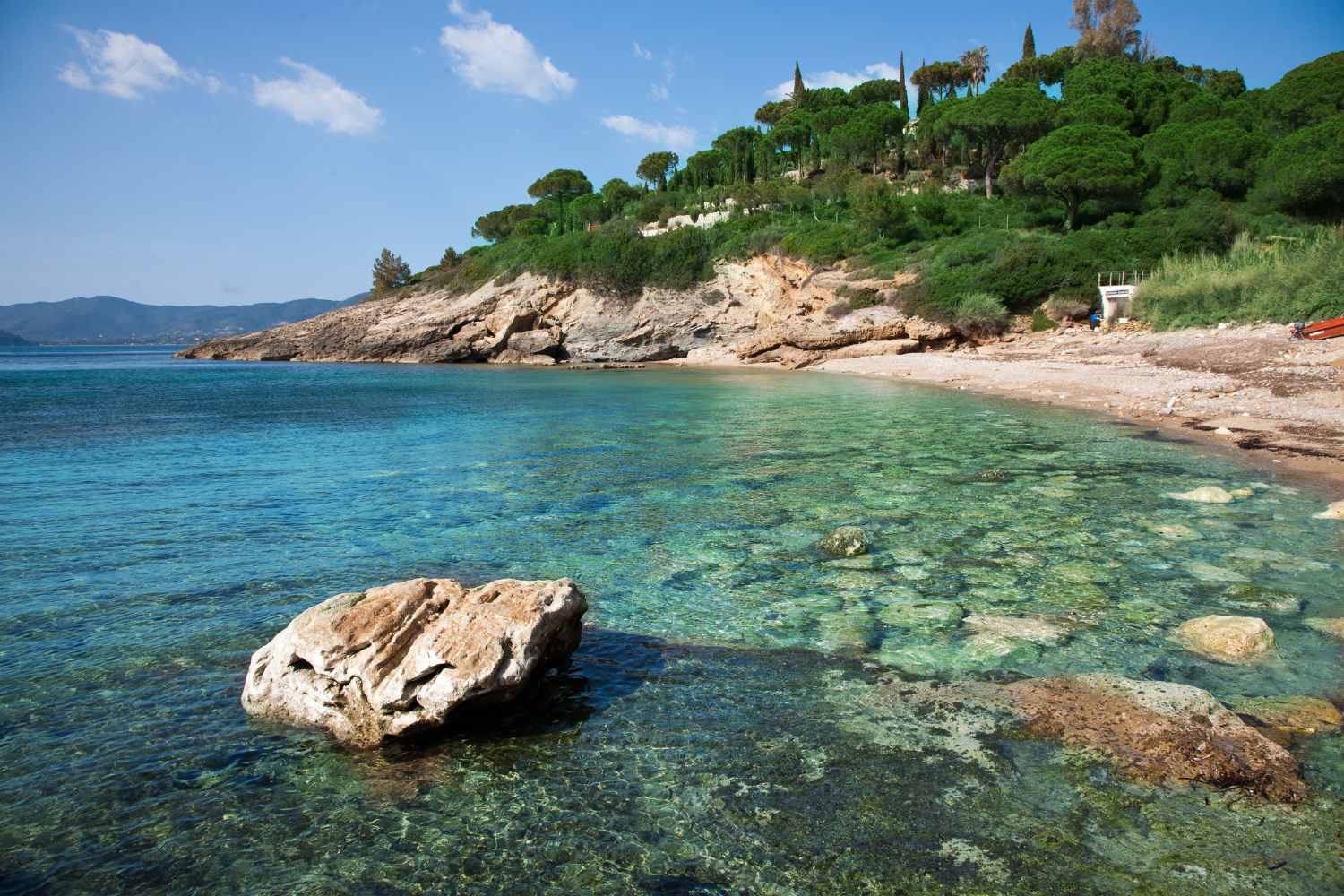
Part of the Tuscan Archipelago, Elba lies 55 kilometers east of Corsica and boasts over 140 kilometers of coastline, more than many visitors expect. Nisporto, a quiet bay surrounded by pine hills, can be reached via a winding road that preserves its isolation: the transparent seabed, rich in marine life, lends itself well to snorkeling and kayaking.
Maremma, Tuscany
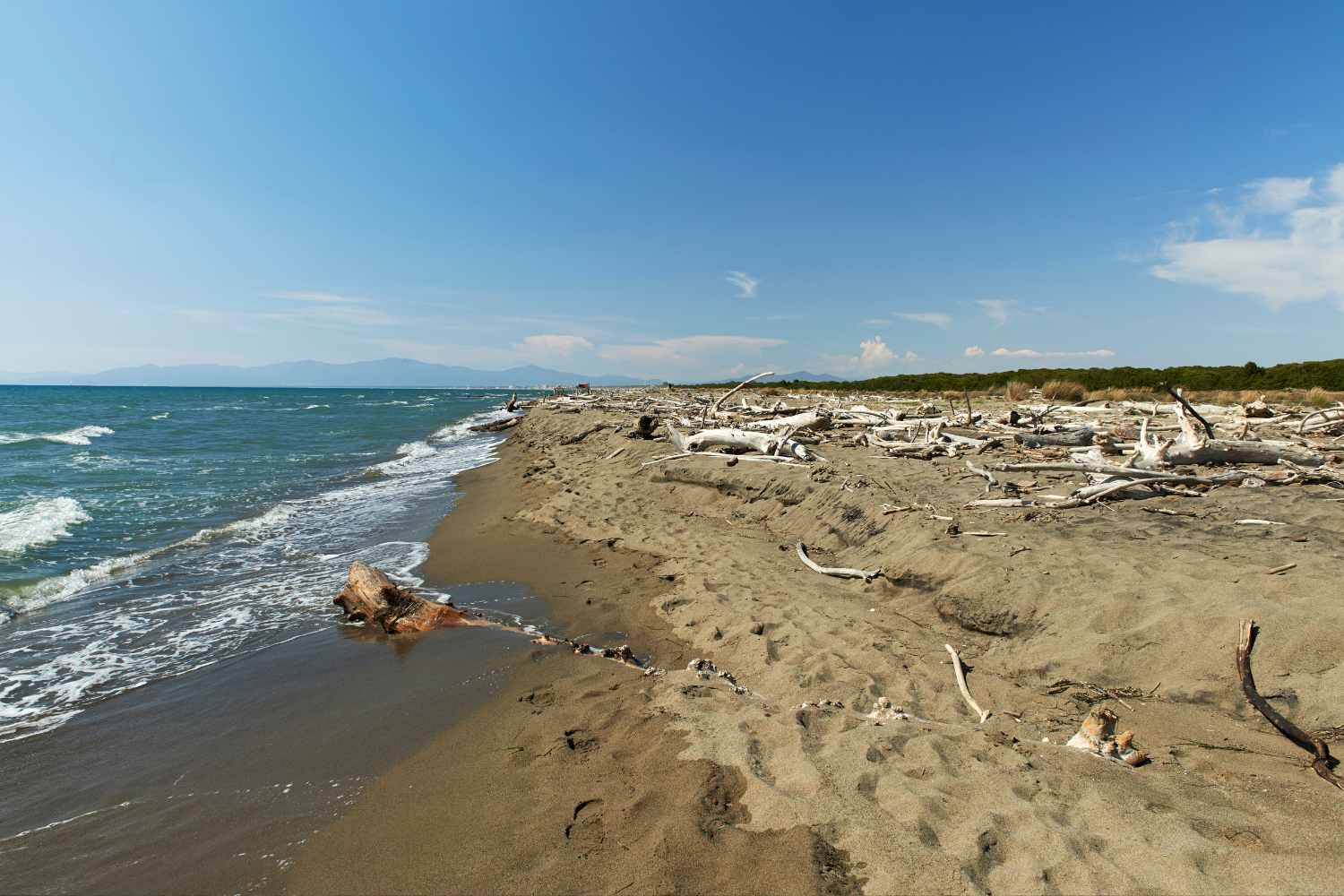
In the Maremma park, near Grosseto, there are no establishments: only dunes, sand and sea. The park itself recommends cycling to get there from Alberese, along a track that crosses the Ombrone plain among semi-natural meadows where Maremma horses and cattle graze. Marina di Alberese is the most accessible beach; continuing on foot or by bike you arrive at Collelungo, even more isolated. During peak months, shuttles and specific rules for parking and access are active, to be checked before departure. More than any other stop on the list, the Maremma imposes a different time: not a coast to be consumed quickly, but to be inhabited, pedaling slowly, staying in the water for a long time, returning in the evening with the sand still on you.
