
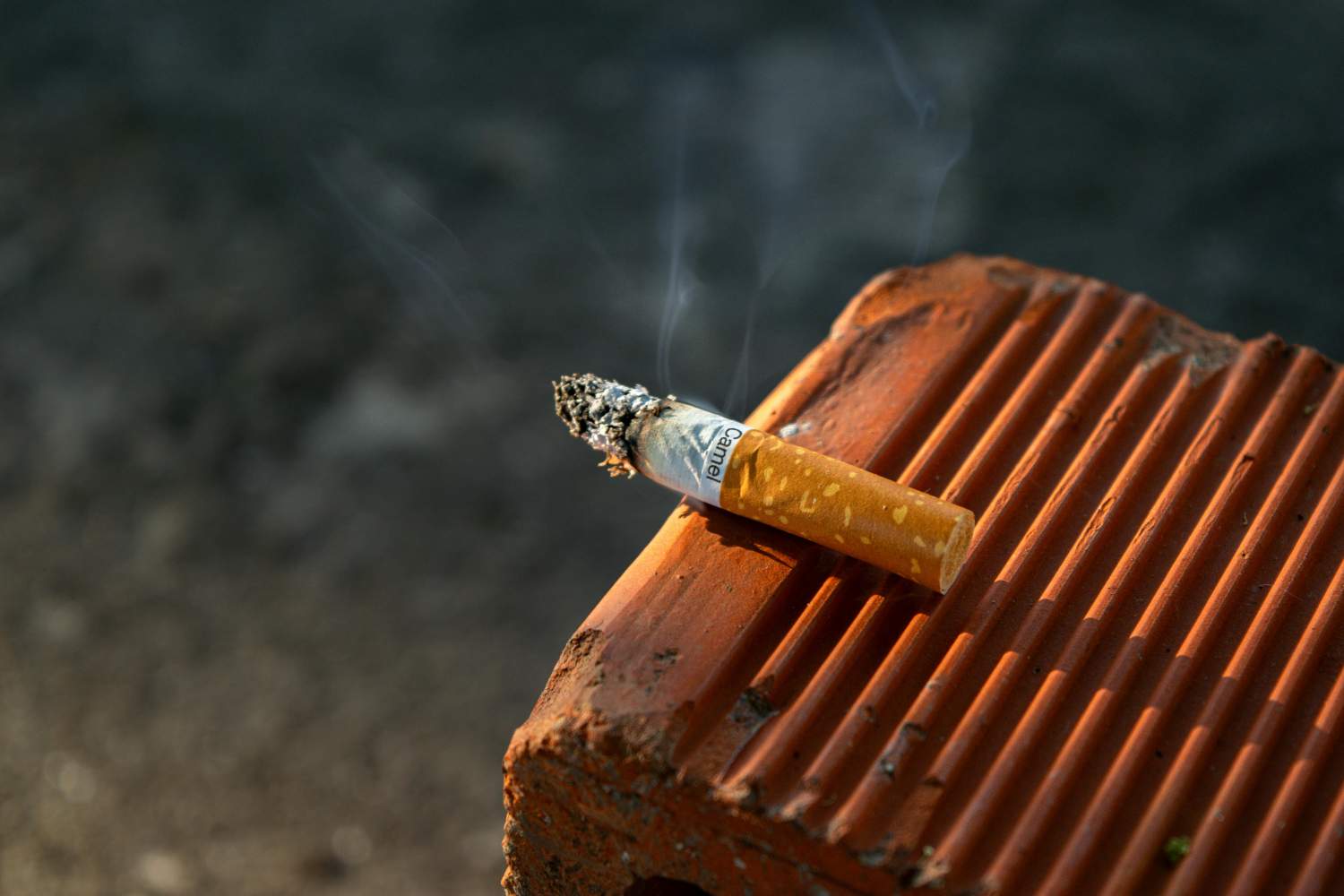
The University of Pisa has drawn a clear line in time: four years to radically transform the habits of students and teachers. The declared objective is to obtain Smoke Free Campus status by 2028, a metamorphosis that does not rely on bans imposed from above, but on a total rethinking of spaces and coexistence. The initiative aligns directly with the international parameters of the UN 2030 Agenda, forging an indissoluble link between the protection of public health and the safeguarding of the local ecosystem.
How the plan is structured
Leading this transition are two key figures from the Pisan university. Anna Solini, professor of Internal Medicine and health representative of COSA (Commission for sustainable development of the university), coordinates the clinical and dissemination part. The plan involves the administration of an anonymous questionnaire to scientifically map internal smoking, followed by therapeutic paths, psychological support meetings and practical sessions to provide effective strategies to those who want to quit. Monitoring of the results will take place in 3 and 6 month increments. Elisa Giuliani, vice-rector for sustainability, works on the organizational and structural front, committed to enforcing the Sirchia Law also in courtyards and near windows, reducing the enormous economic impact of smoking, estimated at 26 billion euros per year at a national level.
The cigarette butts will become eco-sustainable insulating materials
The first practical step is called Smoke Signals and consists of the temporary isolation of smokers in 9 dedicated areas. These areas are located in the strategic hubs of Porta Nuova, Economy, Le Piagge, Pontecorvo, Earth Sciences and Chemistry. The real innovation, however, lies in waste management: thanks to the partnership with the start-up Human Maple, the remnants of cigarettes and heated tobacco left in the special ashtrays called Ciggy will not become toxic waste. In fact, they will be collected, treated and completely regenerated to be transformed into eco-sustainable insulating materials, mainly intended for padding in the technical clothing sector.
You might also be interested in:
