
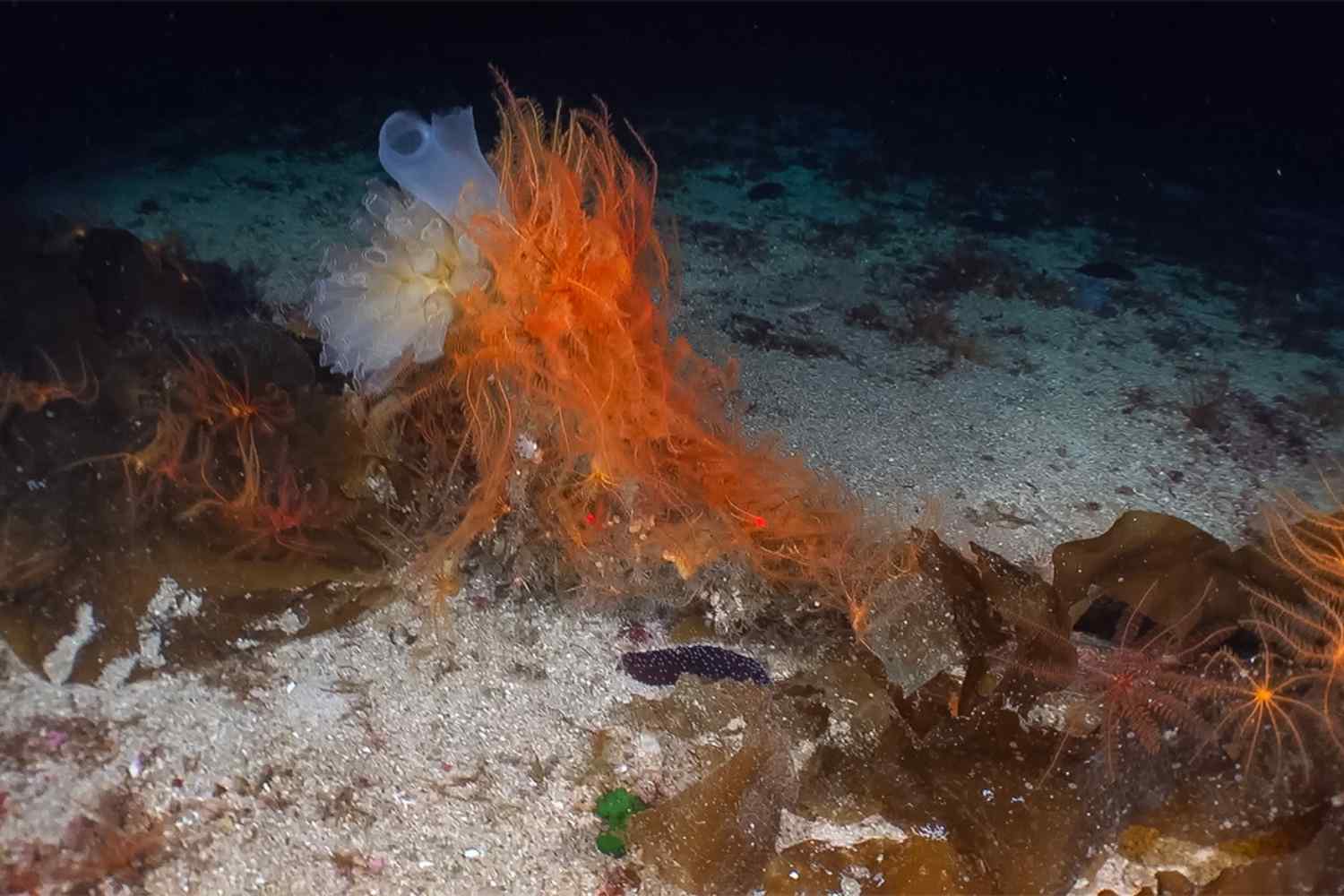
Trawling, longlining, illegal dumping, poaching and tourist pressure. These are some of the threats that continue to affect several Italian marine Sites of Community Importance (SCI), areas that should be protected for their high naturalistic value but which, in practice, often lack effective controls, economic resources and adequate management strategies. This is what emerges from the “Sea without protection” briefing released by Greenpeace Italy on the occasion of International Mediterranean Day.
The environmental organization analyzed four SCIs located in Sardinia, Campania, Calabria and Puglia, cross-referencing satellite data, vessel tracking systems (AIS), field monitoring and testimonies from management bodies of neighboring marine protected areas. The picture that emerges highlights a significant distance between the protection provided for by the rules and the reality on the territory.
@Greenpeace
Natura 2000, a network that struggles to protect the sea
The SCIs are part of the European Natura 2000 network, established to guarantee the conservation of habitats and species of community interest. However, according to Greenpeace, many of these sites remain without concrete conservation measures, despite being counted among marine protected areas by the Government.
The association underlines how the governance of marine SCIs is often fragmented between Regions, Ministry of the Environment, Port Authorities, Parks and Marine Protected Areas, with consequent overlapping of skills and management gaps. Added to this are chronic staff and funding shortages.
According to Greenpeace estimates, less than 1% of Italian waters would today be actually subjected to effective protection measures, while only 0.04% of the national sea would be completely closed to potentially impactful activities, including fishing. Data that contrasts with official estimates which attribute to Italy a much higher share of protected sea.
Sardinia: over 2,000 hours of fishing per year in the Argentiera SIC
One of the most significant cases concerns the SCI “From the Island of Asinara to Argentiera”, in Sardinia. The area, established to protect marine habitats and species such as the bottlenose dolphin, continues to be crossed by numerous fishing boats.
The calculations carried out by Greenpeace on Global Fishing Watch data show that between 2022 and 2024, over 5,500 total hours of apparent fishing activity were recorded within the site, with more than 2,000 hours in both 2022 and 2024. The main vessels identified are linked to trawling, one of the techniques with the most impact on marine ecosystems because it alters the seabed, raises sediment and also contributes to the release of carbon accumulated in marine sediments.
According to Greenpeace, the difference compared to the nearby Marine Protected Area of Asinara is evident: within the MPA trawling is essentially absent, while it continues to be practiced in SCI areas without equally rigorous regulation.
@Greenpeace
Palinuro, biodiversity and fishing hotspot
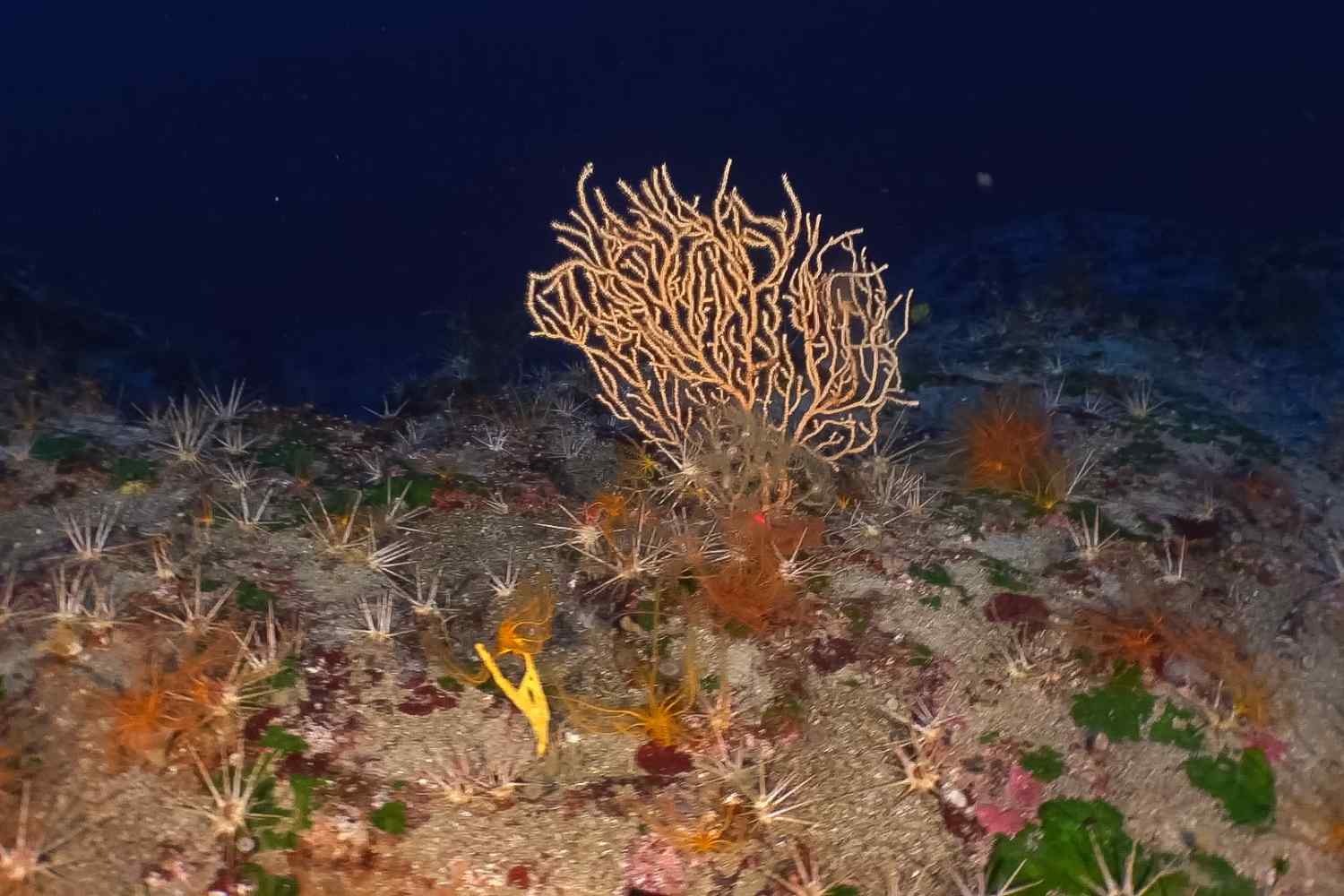
Critical issues also emerge in the Palinuro Seamount SCI, a seamount in the southern Tyrrhenian Sea established in 2023 and considered an authentic biodiversity hotspot.
The area is home to corals, sponges, gorgonians, cetaceans and vulnerable species such as the yellow coral Dendrophyllia cornigera. However, the data collected shows a constant presence of fishing activities, mainly with longlines. In 2024 alone, Greenpeace estimated over 300 hours of apparent fishing within the site and also documented the presence of dozens of fishing gear abandoned on the seabed.
The problem, according to environmentalists, is aggravated by the absence of specific conservation measures and the failure to complete the process that should transform the SCI into a Special Area of Conservation (SAC).
Capri and Punta Campanella: the burden of overtourism
If fishing represents the main threat in other areas, in the SCI “Seabed of Punta Campanella and Capri” the most evident problem is nautical traffic linked to tourism.
In fact, satellite analyzes highlight an intense passage of pleasure and commercial boats, in the face of relatively limited fishing activity. Anthropic pressure is also reflected in the local news, which in recent years has recorded episodes of illegal spills, nautical accidents and cases of poaching linked to the illegal harvesting of sea dates.
Despite being a Special Area of Conservation since 2019 and having conservation measures approved by the Campania Region, Greenpeace highlights the absence of funds and staff dedicated to managing the area.
Torre Guaceto: fishing invisible to radar
Different but no less complex situation in Torre Guaceto, Puglia. AIS analyzes have detected very low levels of fishing activity, but the testimonies collected tell a different reality.
According to the managers of the area, in fact, many activities are carried out by small artisanal boats without AIS systems, making satellite monitoring difficult. Trawling would continue to pose a threat to marine habitats, despite the fact that in recent years deterrents have been installed on the seabed to limit the activity of towed nets.
Greenpeace: «The protection of the sea remains only on paper»
«The evidence we have collected in these sites is not an isolated case: in the majority of Italian marine SCIs there is a lack of both constant monitoring and governance that guarantees effective protection, as happens in Marine Protected Areas», says Valentina Di Miccoli, Sea campaigner of Greenpeace Italia.
According to the association, the problem is aggravated by cuts in resources allocated to protected areas and by the absence of a clearly identified management body for many SCIs.
Requests to the Government
In light of the results of the investigation, Greenpeace asks the Government and the Regions to guarantee effective protection of marine Natura 2000 sites through the identification of dedicated management bodies, the strengthening of controls against illegal activities and the allocation of adequate economic resources.
The association also calls for a more rapid transformation of SCIs into Special Conservation Areas and the introduction of concrete measures against destructive fishing, harmful anchoring, polluting discharges, poaching and unregulated tourism.
Objectives that become even more urgent considering the commitment made by Italy as part of the European strategy for biodiversity: to protect at least 30% of the sea by 2030. A goal which, according to Greenpeace, risks remaining distant if many of the areas considered protected today continue to be so only on paper.
