
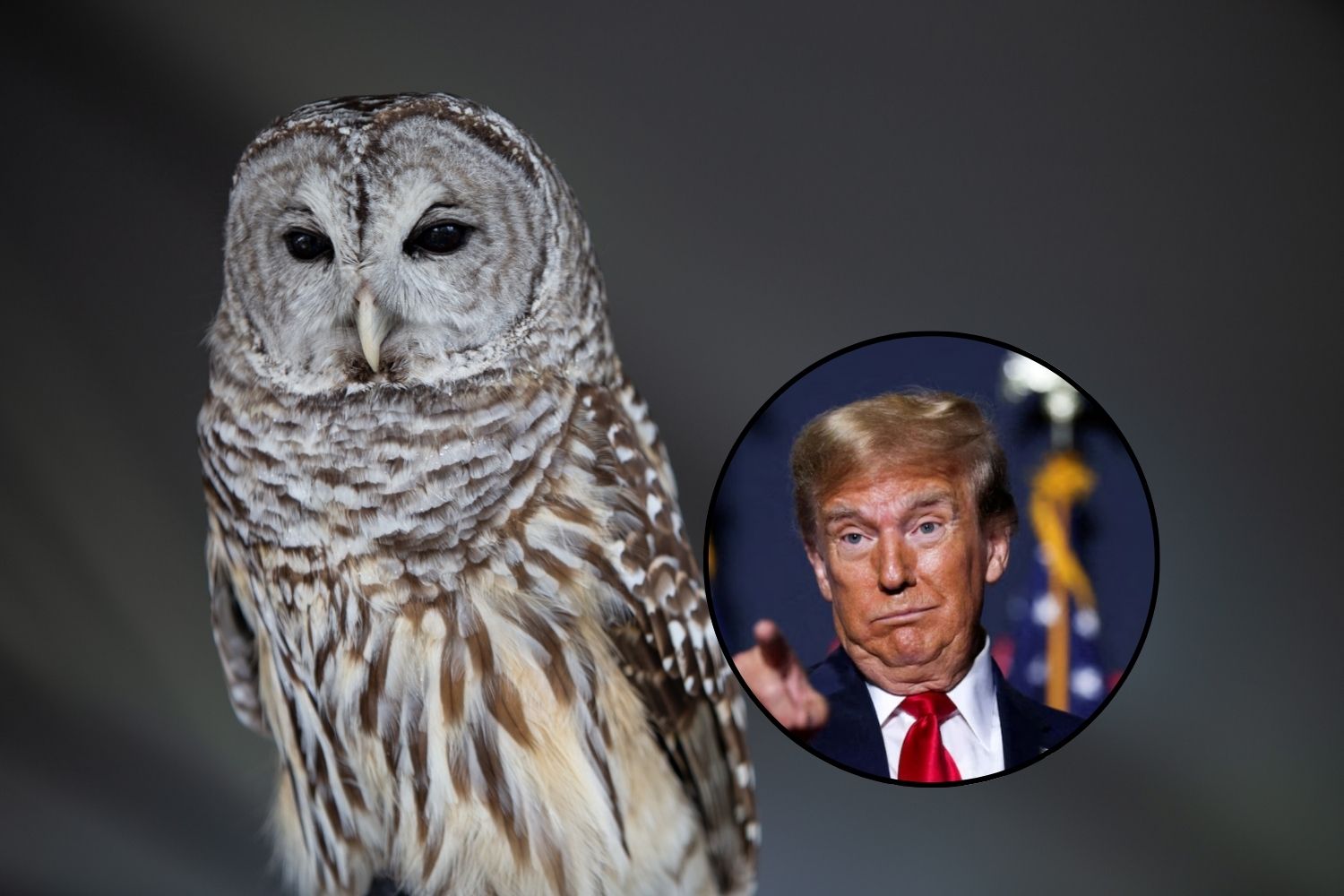
One of the most important protections provided by the Endangered Species Act (ESA) in the States is about to be dismantled. And guess who? From Donald Trump, obviously, who is about to throw away, in fact, the historic law that since 1973 has protected species threatened with extinction, from the bald eagle to the California condor, to the American alligator and many other animal species.
With a new rule, in fact, the tycoon intends to cancel an interpretation in force for over fifty years which considered it illegal not only to directly kill or injure a protected animal, but also to destroy its habitat.
In short, we are once again faced with one of the most serious setbacks in the Trampian-style protection of biodiversity in recent decades, destined to favor oil and gas drilling, mining activities, intensive agriculture, real estate development and other interventions in areas hitherto subjected to particular restrictions.
What changes with the new rule
The provision, adopted by the US Department of the Interior and the US Department of Commerce, changes the meaning of a single word: “harm” (“harm”).
Until now, the term included, among other things, the destruction or significant degradation of natural habitats, when these compromised the ability of animals to feed, reproduce or find shelter. An interpretation consolidated for over half a century and confirmed in 1995 by the Supreme Court of the United States.
With the new rule, however, the simple destruction of a habitat or nest will no longer automatically be considered a violation of the Endangered Species Act, unless it causes direct harm to the animal. In practice, it could become more difficult to prevent interventions which, although not physically affecting the specimens, end up depriving them of the environment essential for their survival.
According to experts, the change could pave the way for numerous projects hitherto hindered by environmental protection regulations and, needless to say, the beneficiaries could be above all fossil fuel companies, the mining sector, large agricultural companies and real estate operators, who would have greater margins to intervene in areas frequented by protected species.
The risk is to further accelerate the loss of natural habitats, one of the main causes of the global biodiversity crisis. Many threatened species are already seeing their available territories increasingly restricted and the new rule could further increase pressure on populations already in steep decline.
Environmentalists announce battle
The Earthjustice organization, one of the main legal associations involved in defending the environment in the United States, has already announced that it will challenge the measure in court.
View this post on Instagram
According to Karrigan Börk, professor of environmental law at the University of California at Davis, a possible ruling from the current Supreme Court, with a conservative majority, could however definitively consolidate this new interpretation, making it much more difficult for future administrations to restore previous protections.
A decision that represents, alas, a new chapter in the dismantling of environmental protection policies carried out by Trump, with possible long-term consequences on the conservation of American wildlife and the ecosystems on which its survival depends.
