
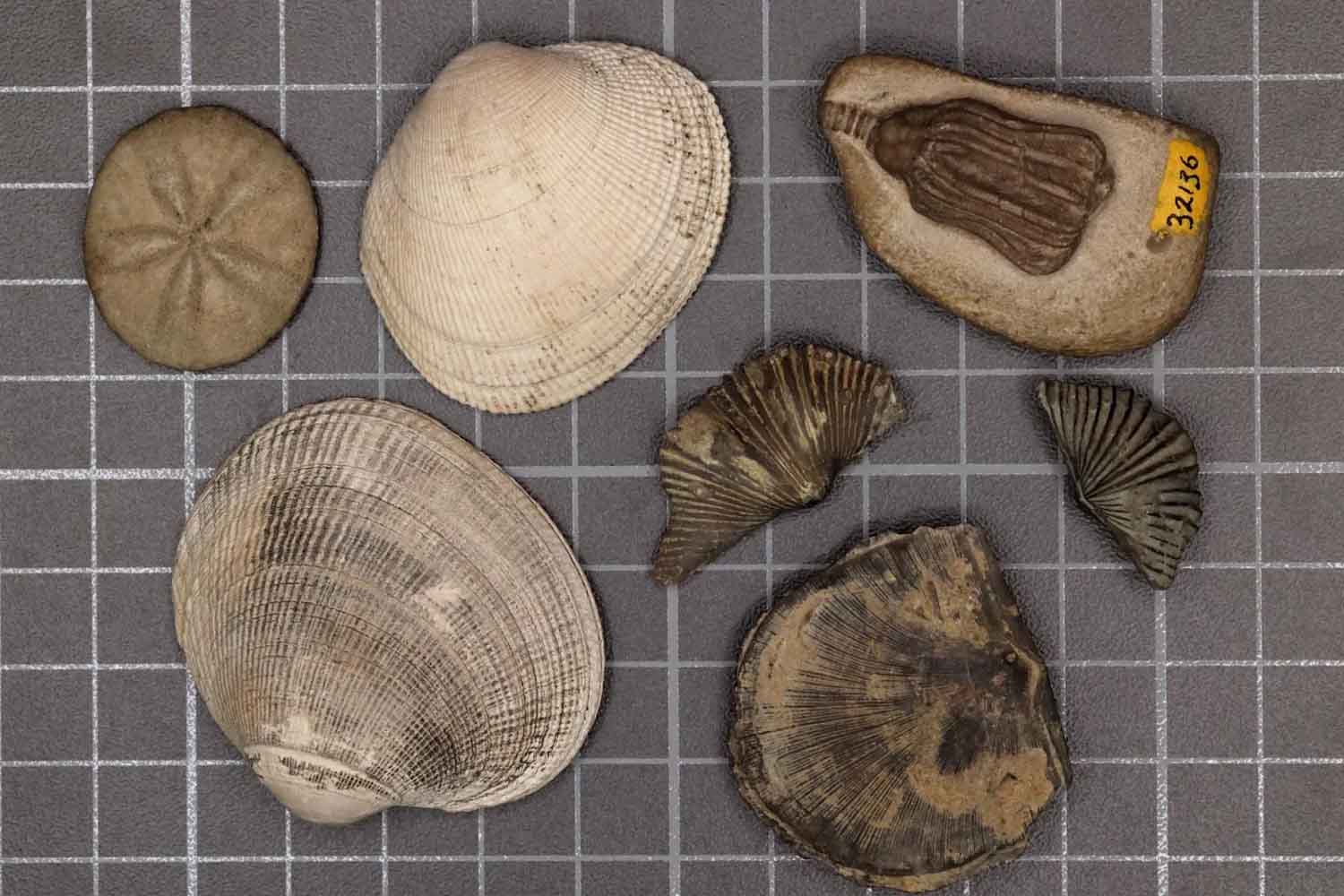
A brachiopod looks a lot like a clam, at least when you look at it from the outside. It has two valves, lives on the seabed and filters the water. However, it belongs to a completely different evolutionary branch and, for hundreds of millions of years, it was one of the most common animals in the oceans.
Then, about 252 million years ago, came the largest mass extinction known. The Great Die-off wiped out up to 96% of marine species and about 70% of land animals. Brachiopods, crinoids – the so-called sea lilies – and many other immobile inhabitants of the seabed were decimated. Molluscs, fish, urchins and starfish fared much better.
From that moment the balance of the sea changed. This is also why today we find clam shells and sea snails on the beaches, while brachiopods have become rare presences. A study published in PNAS he reconstructed the mechanism that favored some groups and condemned others. The answer lies in the relationship between temperature, oxygen and metabolism.
The sea became too hot to breathe
At the end of the Permian, enormous volcanic eruptions released colossal quantities of carbon dioxide and methane into the atmosphere. Global temperatures increased by approximately 8-12°C over thousands of years. The oceans warmed, lost oxygen and became more acidic.
For marine animals it was a devastating combination. Hot water holds less dissolved oxygen. At the same time, the increase in temperature accelerates the body’s chemical reactions and increases energy needs. The animals then needed to breathe more just as available oxygen decreased.
A 2018 research, published on Sciencehad already identified warming and the loss of oxygen as the main causes of extinction. However, the physiological knowledge used came mainly from modern fish and crustaceans, often studied for their commercial value. Direct data on animals most similar to the most violently affected Paleozoic groups were lacking.
The new work filled this gap by bringing together species belonging to both the ancient fauna and the groups that became dominant after the catastrophe. The researchers collected living brachiopods in the San Juan Islands, Washington State, and studied them alongside other marine animals.
In the laboratory, the organisms were placed in respirometry chambers, devices capable of measuring oxygen consumption as the temperature of the water changes. The experimental data were then integrated with the geographical distribution of the species and inserted into a model that reconstructs the balance between available oxygen and metabolic requirements.
The slow metabolism became a trap
The results overturned some expectations. Brachiopods could live with very little oxygenin conditions capable of putting many modern animals in difficulty. However, this resistance only worked at low temperatures.
As the water warmed, their oxygen needs increased much more rapidly. The slow metabolism, perfectly suited to the cool and stable oceans of the Paleozoic, became a limitation. The body asked for more oxygen and had inefficient structures to obtain it.
Fish, bivalves, gastropods and urchins started from higher energy consumption. Moving, hunting, digging in sediment and searching for food requires energy. That more active life had favored the development of muscles, gills and systems capable of supporting more intense breathing during warming up.
Clams, mussels, and oysters have bulky bodies and often a muscular foot used for digging or moving. Brachiopods have very little soft tissue. Hence the joke from Erik Sperling, one of the coordinators of the study: we prepare clam soup because there is very little meat left in brachiopods. The simulations confirm that, during the Permian crisis, the marine space still habitable by Paleozoic fauna would have shrunk much faster. The loss calculated by the model coincides with the extinctions reconstructed through fossils.
The so-called temperature-dependent hypoxia He thus manages to explain the extent of the Great Dying, the geographical distribution of the losses and the selection between the different animal groups. Acidification contributed to the crisis by making it more difficult to build limestone shells and structures. The greatest damage came from the combination of heat and lack of oxygen.
The victory of the shells
Before the extinction, brachiopods had dominated the seabed for about 280 million years and clearly outnumbered bivalves. Today just 400 species survive. The species of bivalves, including clams, mussels and oysters, are between 10 thousand and 15 thousand. About half of the mollusks managed to survive the catastrophe. Together with fish and echinoderms, the survivors occupied the vacated spaces and built marine ecosystems much more similar to the current ones.
Sperling compares this transition to the disappearance of dinosaurs, excluding birds. The mammals conquered the empty niches and retained that position. Something similar happened in the Triassic oceans: the surviving groups took control and have maintained it ever since.
The precedent also concerns today’s seas. The oceans are absorbing much of the heat produced by global warming, losing oxygen and becoming more acidic due to CO₂. The temperatures predicted for 2100 remain lower than the 8-12 °C of the Permian-Triassic crisis, however the current change is concentrated in just one hundred or two hundred years.
In worst-case climate scenarios, Sperling warns, the Earth could over time approach levels of warming comparable to those of the Great Die-off. The researchers will now study other marine animals to understand how heat, hypoxia and acidification work together. The shells that we collect on the sand today also come from that very distant selection. After 252 million years, the sea continues to bring its winners ashore.
