
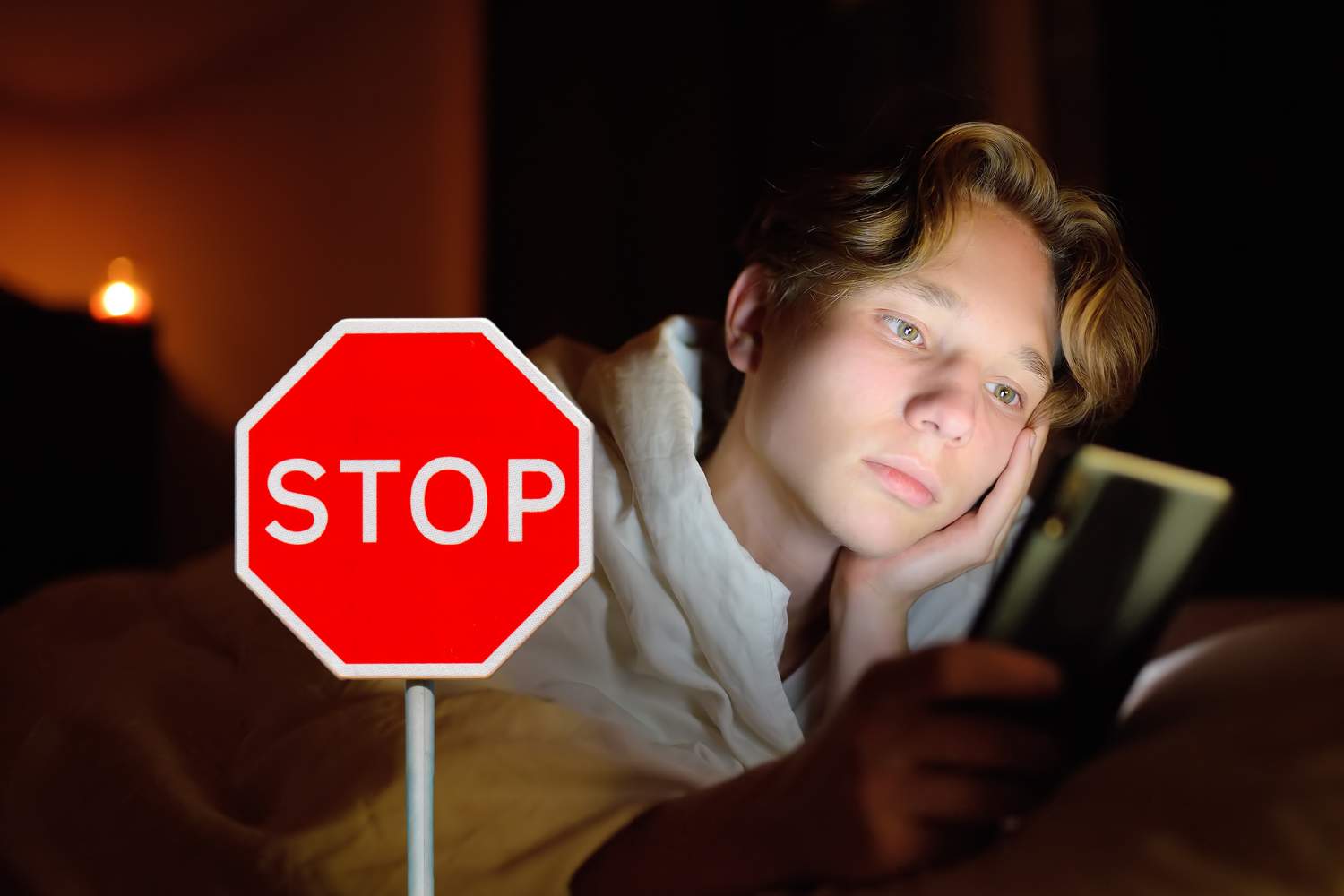
The United Kingdom is a candidate to become the global laboratory of digital regulation. Technology Minister Liz Kendall and Online Safety Minister Kanishka Narayan announced an unprecedented measure: a real digital curfew which, starting from spring of 2027will impose the automatic deactivation of social apps between midnight and six in the morning for 16 and 17 year olds.
The objective declared by the executive is safeguard psychophysical well-beingimproving the quality of sleep, academic concentration and real social relationships. However, the measure will not be configured as an insurmountable ban: the block will simply be set as default optionleaving young users the option to remove the limitation and continue browsing freely.
"We have taken some of the most robust action against social media companies when it comes to young people."
AI and Online Safety Minister @KanishkaNarayan speaks to @BBCBreakfast about new measures we’re introducing to protect 16 and 17-year-olds from the most addictive… pic.twitter.com/aDzQ8BIAoK
— Department for Science, Innovation and Technology (@SciTechgovuk) July 15, 2026
War on predatory algorithms and chatbots
The maneuver is not limited to a simple night timer, but aims to weaken the psychological mechanisms designed to create addiction. In addition to temporarily cutting off access, platforms will have to deactivate natively for minors lo infinite scrollthe automatic video playback hey personalized content streams.
According to the data emerging from a pilot trial conducted on 309 families, the night limit proved to be the most effective and best tolerated tool for restoring correct domestic balance. The squeeze will even affect the services of artificial intelligence, forcing chatbots to integrate periodic breaks in use for users under 18 and clamping down on unverified medical and psychological advice.
Social media firms will need to create safer default settings for older teenagers. A smooth slope, not a cliff edge, so 16 and 17 year olds are supported when they join social media. pic.twitter.com/8KMDuUXauY
— Kanishka Narayan MP (@KanishkaNarayan) July 15, 2026
Criticism and skepticism from experts
Despite the iron fist displayed by Kanishka Narayan to make the country the most rigorous in the world when it comes to online security, the practical effectiveness of the measure is already under the scrutiny of skeptics. Many have downplayed the announcement, defining it as little more than one annoying notification in settings disguised as government propaganda. Without a real ban and with the concrete possibility for young people to circumvent the controls – for example through the use of VPN networks, which the government has decided not to investigate for now – many experts fear that the law will prove to be a blunt weapon in the face of a generation of digital natives extremely skilled inbypass IT blocks.
