
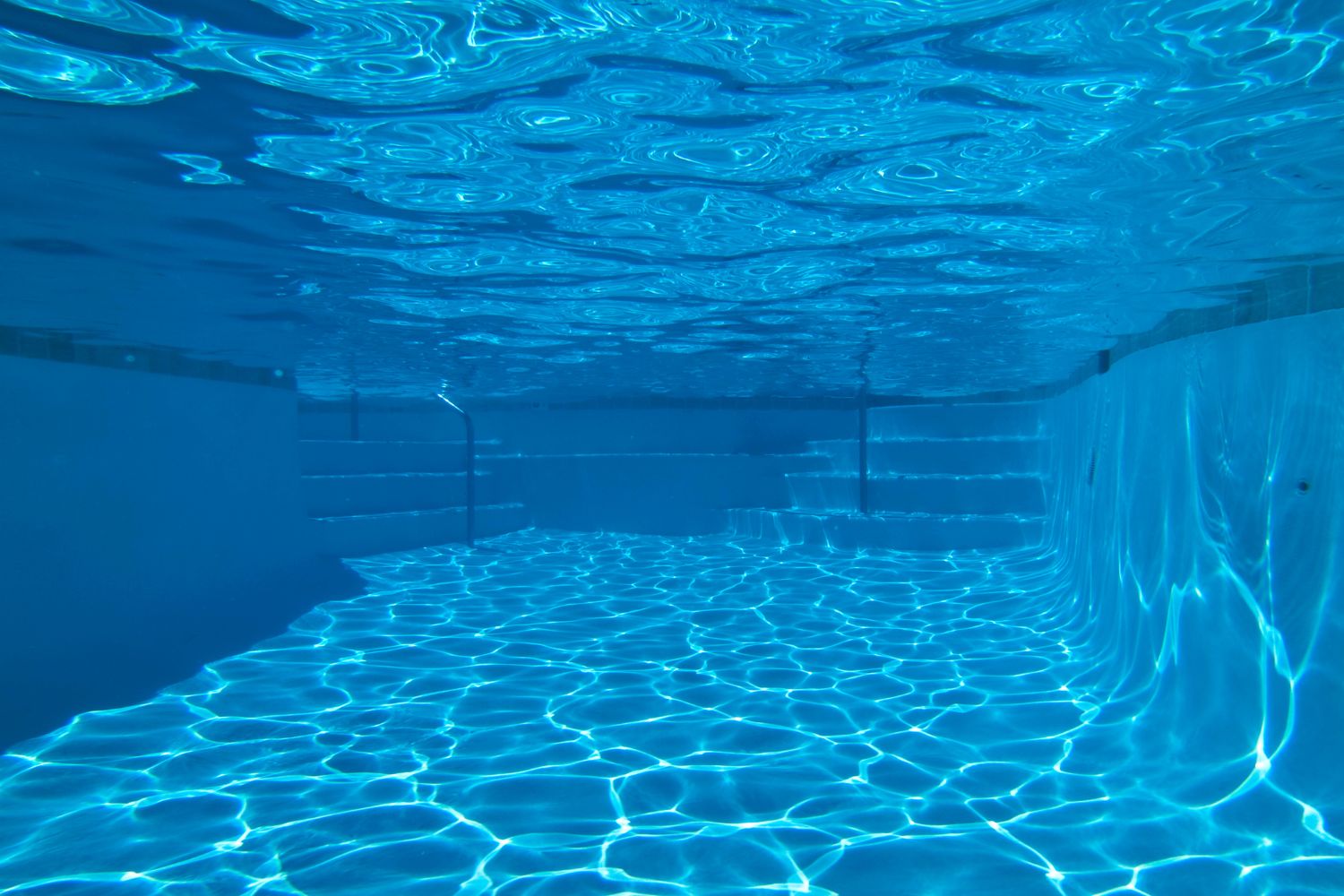
The 11-year-old who got her hair stuck in the suction nozzle of a swimming pool in Sestri Levante has died. The little girl was rescued and urgently transported to the Giannina Gaslini Institute in Genoa in very serious conditions, but she did not survive.
With a note, the Gaslini hospital expressed closeness to the family and thanked the parents for the decision to authorize the donation of their daughter’s organs, defining it as a choice “capable of transforming an unbridgeable void into concrete hope for other families”.
The Coast Guard and Carabinieri investigations continue to reconstruct the exact dynamics of the accident. Among the aspects being examined by the investigators are the documentation relating to the system and compliance with the safety standards required for the swimming pool.
Meanwhile, this is a tragedy that brings attention to a topic that is too often underestimated: safety in swimming pools. And news like this, alaswe’re having too many. According to experts, many of the accidents that occur in these plants could be avoided since the critical issues often concern non-compliant plants, missing or removed protective devices, deficiencies in maintenance and management of the structures, as well as supervision that is not always adequate.
Even episodes in which hair or body parts are sucked into the suction nozzles are events that, in most cases, could be prevented with adequate safety systems, correct maintenance and rigorous procedures.
SIMA data
The death of the 11-year-old girl who got her hair stuck in the nozzle of a swimming pool in Sestri Levante brings to 75 the tragic death toll in Italian swimming pools recorded from 2022 to today.
This was stated by the doctors of the Italian Society of Environmental Medicine (Sima) who released the official numbers of swimming pool deaths recorded in our country and the rules to follow to avoid accidents.
If we consider private swimming pools, those open to the public, thermal parks and accommodation facilities, in Italy there are 75 people who, between 1 January 2022 and 16 July 2026, lost their lives in the waters of a swimming pool – analyzes Sima – This is an average of 16 deaths each year, a decrease compared to the average of 30 deaths per year monitored by the ISS in the period 2017-2021.
To these must be added the approximately 400 deaths that are recorded every year in Italy due to drowning in waters other than swimming pools (sea, lakes, rivers, streams), while worldwide deaths due to drowning amount to 2.5 million in the last decade alone.
The main cause of death in swimming pools is due to illness, around 44% of the total, but in more than half of the cases the person who loses their life is a child under 12 years old, confirming WHO data according to which the most frequent victims of drowning in water are minors, Sima adds.
To prevent accidents in Italian swimming pools it is necessary to follow some simple rules – says president Alessandro Miani. Minors must always be supervised by their parents, who must never be distracted, even when the children are not in the water and are near the swimming pools. Choose only facilities equipped with surveillance personnel capable of intervening promptly if necessary. Always check the height of a swimming pool before entering the water, and never swim when the body is overheated or after drinking alcohol. Enter the water slowly, first wetting your feet, legs, arms, neck, chest and face, as your body must have time to adapt to the change in temperature.
Italy awaits a national law
Today the Italian legislation on swimming pools is fragmented and varies from Region to Region. However, a national framework law is being defined which aims to standardize safety standards, introducing more stringent requirements for the design of systems, periodic checks, self-monitoring plans, protective devices and more stringent obligations for the management of the structures.
The experience of France shows that these measures can make a difference: according to data cited by the Istituto Superiore di Sanità, the introduction of more rigorous obligations and controls has contributed to reducing drownings in swimming pools by around 75%, especially among children.
And not only that, pay attention: most of the time the swimming pool is perceived as a safer environment than the sea, sometimes leading to a lower level of attention. In reality, even a few centimeters of water can turn into a serious danger if surveillance, compliance with the rules and maintenance of the systems are lacking.
How to avoid these tragedies
In summary, therefore, even if zero risk does not exist, there are some simple precautions that can significantly reduce the possibility of accidents occurring in the swimming pool:
