
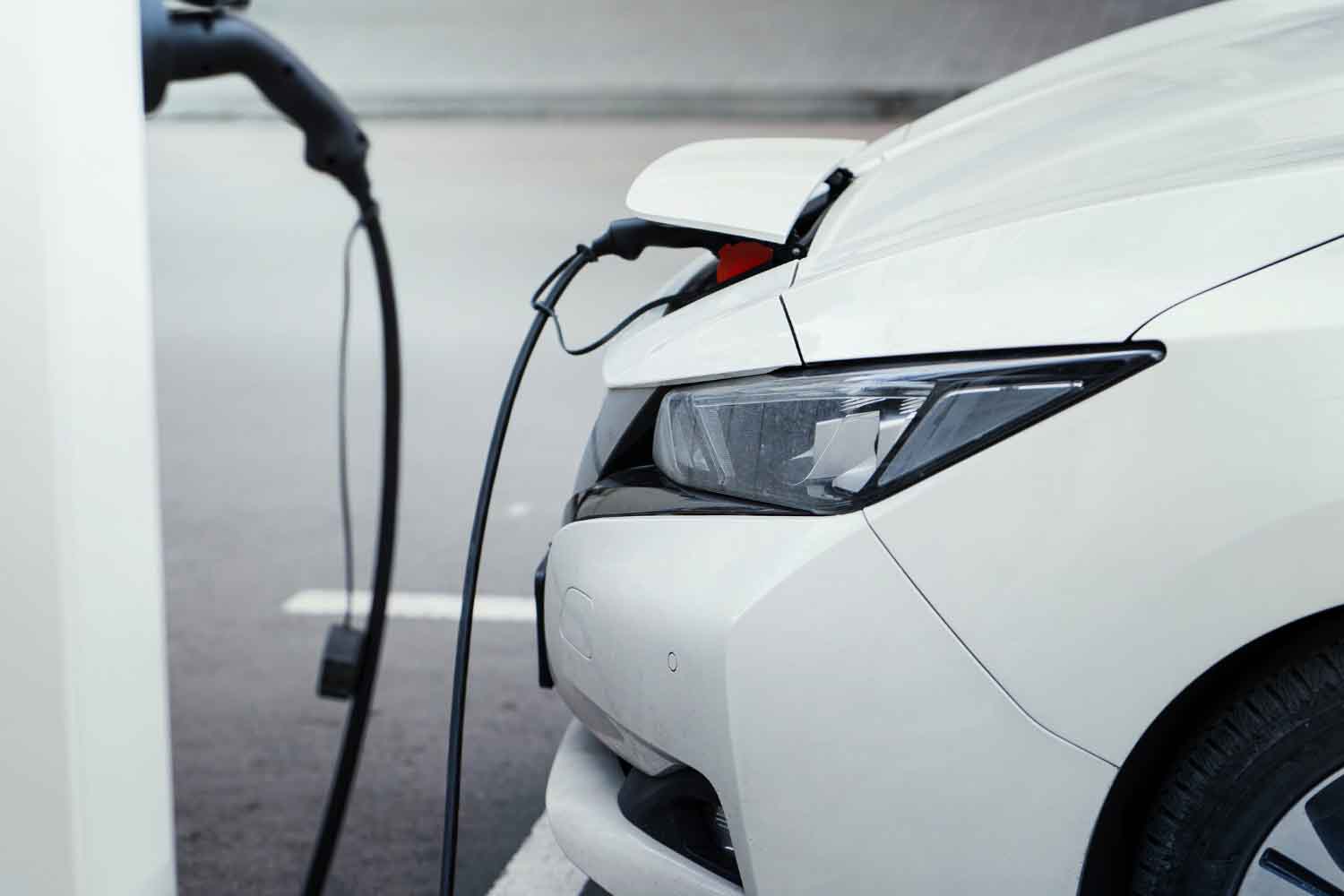
Anyone who wants to install a wallbox in the garage can start doing the math. The domestic charging station bonus also returns in 2026 and covers 80% of the expense incurred to purchase and install a private charging point. The reimbursement can reach 1,500 euros for a natural person and 8,000 euros for a condominium.
The contribution was confirmed by the Prime Ministerial Decree of 10 June 2026, which keeps it alive until 31 March 2030. The decree has already set percentages, ceilings and resources. To submit the application you will still need a little patience: the implementing provision from the Ministry of Business and Made in Italy and the opening of the platform managed by Invitalia are missing.
The allocation intended for 2026 is made up of 5 million euros allocated for the current year and 10 million remaining available from 2025. In total they make 15 million. From 2027 to 2029 the fund will increase to 15 million per year, while 8 million are expected for 2030.
How much do you really get back?
The mechanism is quite simple. The bonus returns 80% of the purchase and installation price of the column. On an expense of 1,000 euros the contribution can therefore reach 800 euros. To obtain all 1,500 euros available for private individuals, you need to spend at least 1,875 euros. Anything exceeding this figure remains the responsibility of the installer.
For condominiums the ceiling rises to 8,000 euros. In this case, a total expense of 10,000 euros allows you to reach the maximum reimbursement. The column must be installed in the common parts of the building and intended for the collective use of the condominiums.
The bonus is available to natural persons resident in Italy and to condominiums. For private individuals, the infrastructure must remain for the exclusive use of the home, garage, garage or outbuilding and must be closed to public use. Businesses, professionals and individual firms follow other measures.
More than the wallbox goes into the bonus
The contribution concerns the entire work necessary to bring the charging to the parking space. In addition to the price of the wallbox or column, previous editions included installation, adaptation of the electrical system, essential building works and devices used to control consumption and power.
Also included were design costs, construction management, safety, testing and the costs of connecting to the electricity grid through the activation of a new POD, the code that identifies the point at which the energy is delivered to the user.
An asterisk still remains on these entries. The new decree confirmed the contribution for purchase and installation, entrusting the details to one or more implementing measures. The eligible expenses must therefore be indicated precisely in the instructions for the 2026 desk.
The column must be new from the factory and of standard power. Domestic wallboxes generally work with powers between 3 and 22 kW, to be chosen taking into account the car, the home system and the power available in the supply contract.
You also need a qualified installer. Stably connecting an electric car to the home system requires a dedicated line, adequate protections and an electrical panel capable of supporting the load. Once the work has been completed, the technician must issue the Declaration of Conformity, the DiCo which certifies the correct execution of the intervention.
First you install it, then you ask for a refund
The domestic charging station bonus arrives after the works. The simple purchase of the device leaves the practice half done: the wallbox must be mounted, connected and certified. Anyone who wants to prepare at the counter would do well to ask for a very detailed invoice right away, with a clear description of the column, materials, labor and any work on the system.
All expenses must be paid with traceable means. In previous editions, bank transfers, Sepa transfers, credit cards and debit cards were permitted through an account or card in the name of the person submitting the application.
The payment receipt alone may leave some gaps. It is also a good idea to keep the bank statement on which the charge appears, together with the electronic invoice. The documents must allow us to reconstruct without ambiguity who paid, how much they paid and for which intervention.
The application was accompanied by an identity document, tax code, invoices, account statements, the installer’s certification, the IBAN and a final report on the investment. The report collects all the references of the expenses incurred and is signed by the applicant.
For condominiums, the tax code of the condominium, the data of the administrator or delegated condominium owner and the meeting resolution authorizing the installation on the common areas were also needed.
The 2026 window is still closed
The application will be submitted online through the platform managed by Invitalia. Access should take place, as in previous editions, via Spid, electronic identity card or national services card. During the compilation, the beneficiary’s data, Iban, invoice details, installer references and all attachments relating to the work will be requested.
As of 15 July 2026, the official bonus page still shows the window closed on 27 May 2025, relating to installations carried out in 2024. The opening and closing dates are therefore missing for the new column bonus.
Even those who have already installed a wallbox in 2026 have to wait. The decree links the contribution to its entry into force, while the implementing measure must establish the exact period of accepted expenses. For works carried out in the first months of the year, eligibility therefore remains pending in the next instructions.
In the old editions, applications were examined in chronological order and financed until resources were exhausted. The contribution arrived in a single payment, directly to the current account indicated in the request. The concession decree was adopted within 90 days of the closure of the branch.
Only one discount for each expense
The rules applied so far excluded cumulation with other incentives on the same expenses. An invoice already used to obtain another benefit remained outside the charging station bonus. This step must also be included in the 2026 instructions, together with the forms and controls.
The decree is there, the money too. The door is still missing. In the meantime, it pays to keep every card: in incentives, a poorly written invoice can cost almost as much as the wallbox.
