
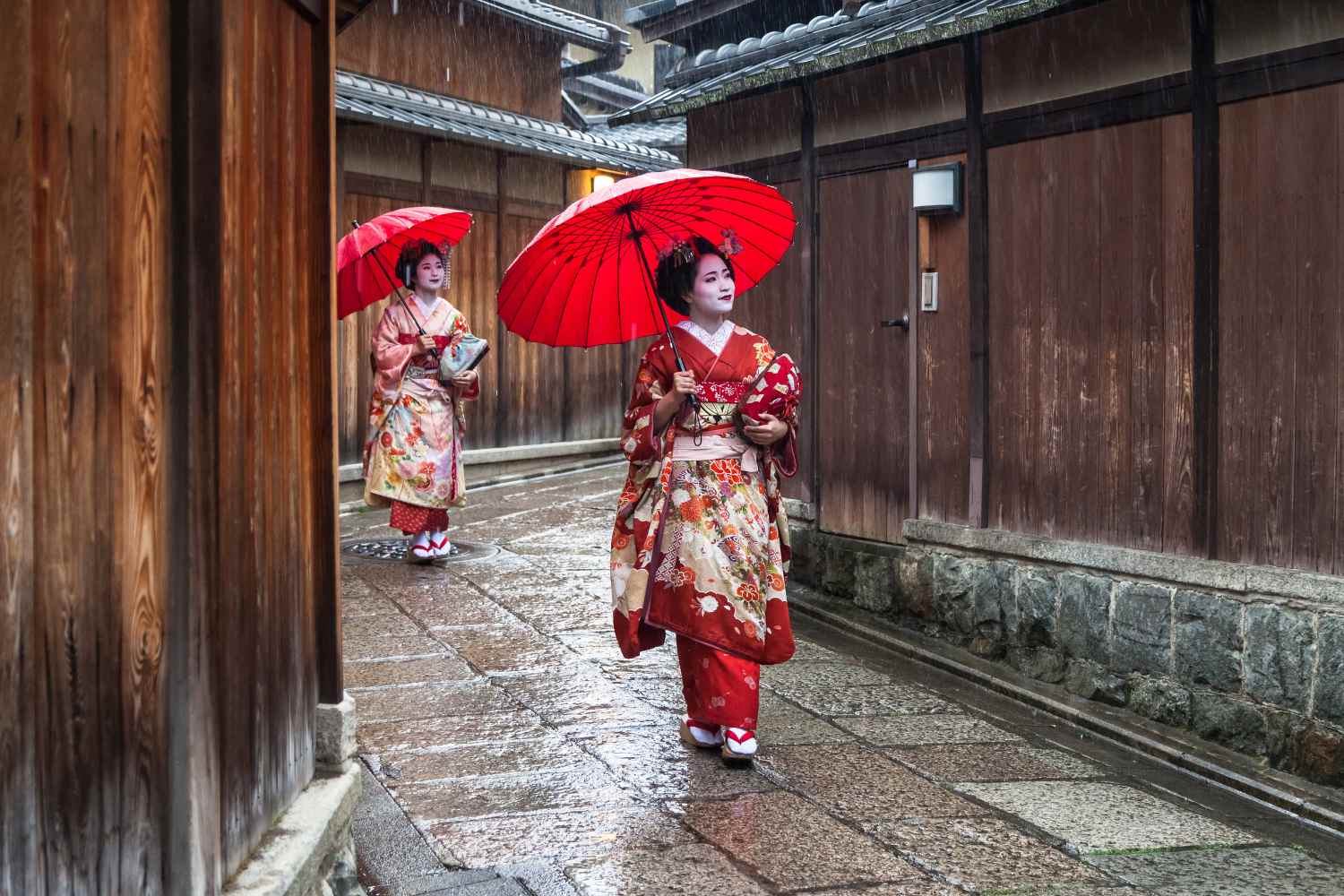
For centuries the West has looked at geisha through a distorted lens, mistaking them for high-end courtesans or prostitutes. This is a profound misunderstanding, which ignores the true meaning of this symbolic figure of Japanese culture.
What “geisha” really means
The term is composed of the kanji geiindicating artistic and creative ability, and sha“person”. There are regional variations of the same concept: geikoused especially in Kyoto, e geigiwidespread in Hiroshima and Kanazawa. All these terms designate professional entertainers specializing in traditional music and songs during banquets and receptions.
A profession born in seventeenth-century Japan
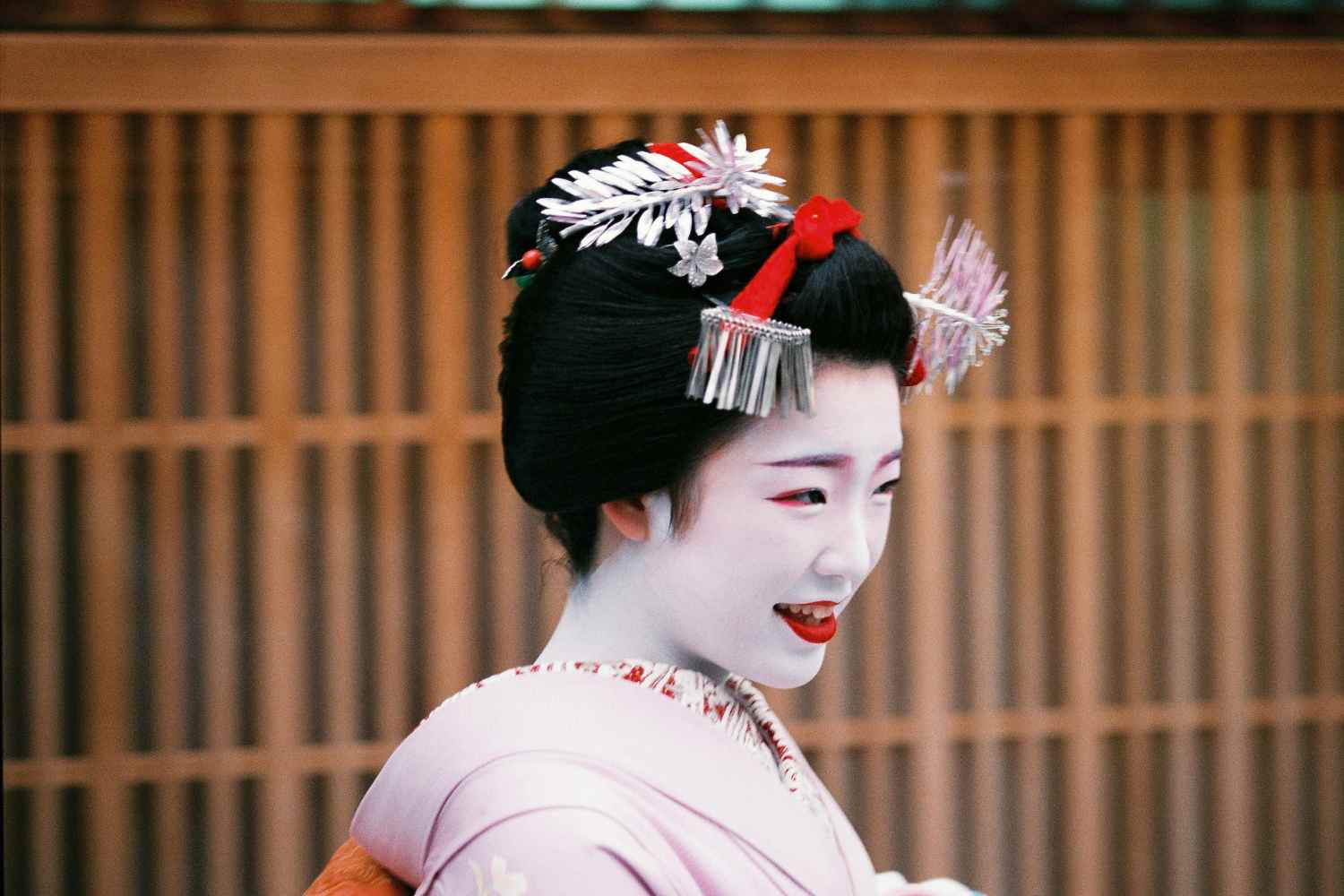
The figure takes shape during the Edo period (1603-1868). Training begins at a very young age in the okiya, the traditional houses where geisha live. During apprenticeship, future geisha are called maiko and are distinguished by a specific hairstyle (momoware) and for the long-sleeved kimono (hikizuri), different from the formal one without side openings worn by professional geisha (tsumesode).
Both geisha and maiko wear makeup withoshiroithe characteristic white powder that in the past contained lead, in some cases causing serious health problems.
Where does the misunderstanding come from?
The confusion has precise historical roots. In feudal Japan there was a distinct category, the oiran: high-ranking courtesans who, unlike geisha, actually offered sexual services as well as cultured entertainment. With the modernization of the country, the oiran disappeared, while the geisha survived as guardians of an artistic tradition.
The misunderstanding was then consolidated after the war: during the American occupation, poverty pushed some women to call themselves “geisha” to approach American soldiers, even though they did not belong to that profession at all. From this distortion the Western stereotype of the “geisha girl” was born, later amplified by cinema and literature.
Not just women: male entertainers
A little-known aspect is that the profession was not exclusively female. In the Edo period, in Kyoto and Osaka, there were houkans (or taikomochi), the male counterpart of the geisha, who accompanied geiko and maiko in their entertainment.
The tradition of blackened teeth
Another custom linked to the world of geisha is ohaguro, the practice of blackening one’s teeth – widespread in the past also among nobles, not just entertainers. Today it survives symbolically: maiko blacken their teeth when they become sakkoumarking the transition to full-fledged entertainers.
How access to a geisha worked (and works).
Geisha could not be chosen directly in the okiya. To hire one it was necessary to contact a ryotei, a high-end Japanese restaurant with private rooms, which organized the meeting based on the client’s budget and preferences. The rewards had specific names — ohanadai, gyokudai or senkoudai — terms that recall respectively the flower, the jewel and the incense.
Some geisha may have had a danna, a wealthy patron who financially supported their career throughout their lives. Also in this case it was a relationship of economic patronage, not a sexual relationship.
A discipline that lasts a lifetime
Becoming a geisha requires a long and severe path: years of studying dance, singing, use of the shamisen and formal etiquette, in addition to meticulous care of one’s appearance. Emotional life is traditionally subordinated to professional commitment, and the entire training aims to build a complete artist, not a figure linked to seduction.
Geisha in contemporary Japan
Today there are few left, concentrated mainly in the historic districts (hanamachi) of Kyoto, Kanazawa and Tokyo. They continue to practice with the same rigor as in the past, participating in ceremonies, cultural events and private receptions. Several of them have become direct spokespersons for their tradition, through interviews and documentaries, in an attempt to restore dignity to a profession that remains, first of all, an art.
To find out more, if you haven’t read it yet: Memoirs of a Geisha
