
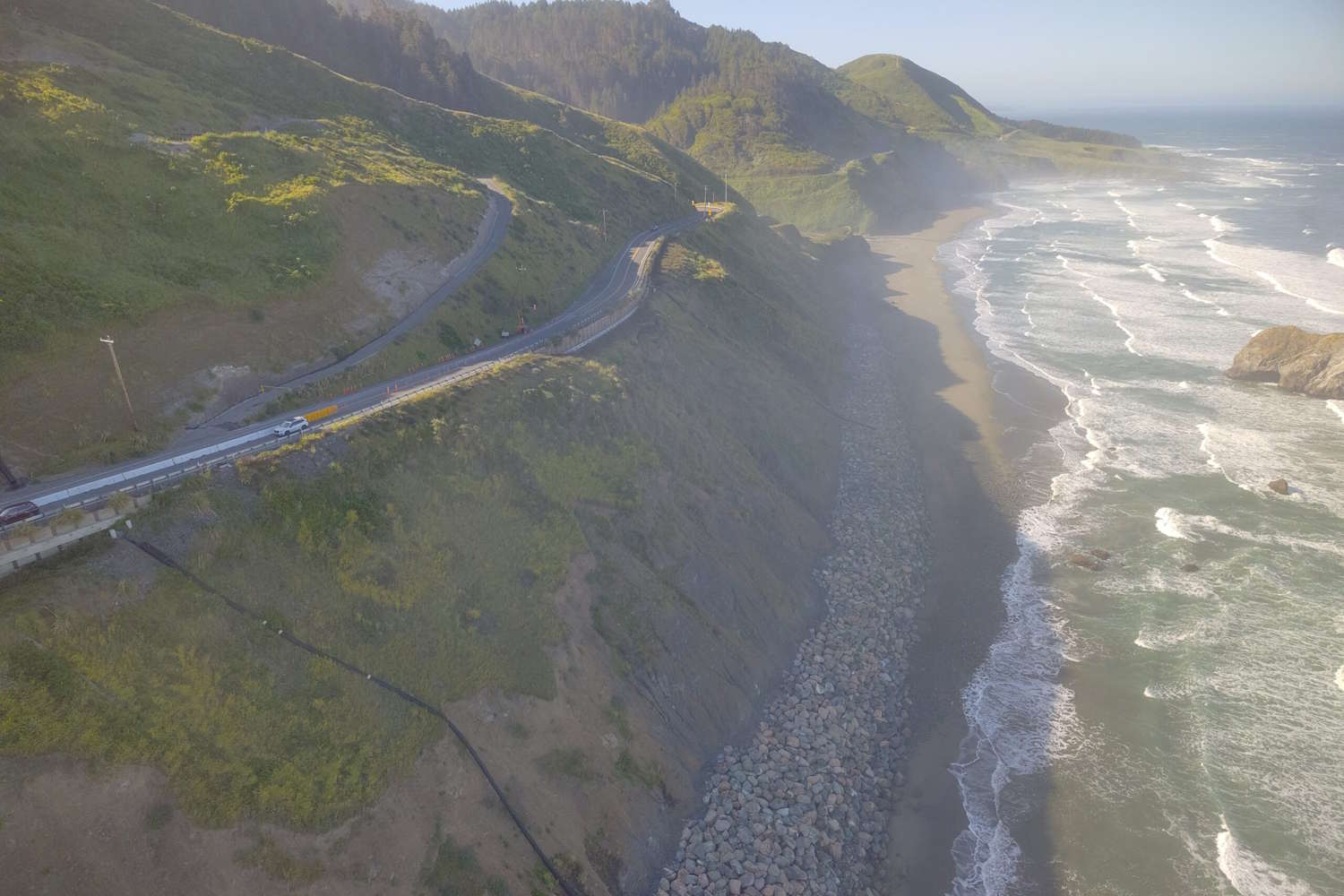
For the first time in California’s history, a stretch of public coast is back in the hands of the indigenous peoples who guarded it for centuries before colonization deprived them of their land.
There are approximately 55 hectares of beaches, cliffs and natural habitats along the Mendocino coast – a stretch that also includes the picturesque Blues Beach, a few kilometers from Westport – and which the State has decided to return to three native tribes, recognizing not only a historical right, but also the value of a relationship with nature based on care and not exploitation.
Soon, therefore, the area will officially pass from the California Department of Transportation (Caltrans) to Kai Poma, a non-profit organization created by three Native American communities: the Sherwood Valley Band of Pomo Indians, the Round Valley Indian Tribes and the Coyote Valley Band of Pomo Indians, all linked to this territory for centuries.
For the first time, land managed by Caltrans and owned by the state will be entrusted directly to an organization made up of native tribes, who will have the task of conserving it, protecting its ecosystems and safeguarding its cultural heritage.
In the 1960s the State acquired this area as part of the works to widen the famous Highway 1 and create a panoramic point overlooking the ocean. Over time, however, Blues Beach has become a very popular destination during the summer and holiday periods. The poorly regulated access has favored improvised campsites, beach parties, the passage of vehicles in naturalistically delicate areas and the abandonment of waste, causing damage to both coastal habitats and sites of archaeological and cultural value.
A sacred place to be cherished
For the Pomo communities, this coast is not only a landscape of extraordinary beauty, but it is a sacred place where seaweed and abalone are still harvested today according to traditional practices handed down for generations. Here we organize cultural camps dedicated to young people, so that they can learn about the history, language and relationship with the sea of their ancestors.
Before starting any management project, Kai Poma will carry out environmental, archaeological and cultural studies to understand in detail the state of the area and build a long-term protection plan. Furthermore, the coast will remain accessible to the public from dawn to dusk. The law that made the transfer possible prohibits any commercial use of the site, ensuring that it remains a shared and protected heritage.
Until 2021, the California Department of Transportation did not even have the legal ability to transfer state land to tribal governments.
The turning point came thanks to a law signed by the governor Gavin Newsomwhich paved the way for operations like this.
With these 136 acres placed in tribal care, one of the most spectacular stretches of the Mendocino coast will be protected forever,” said state Senator Mike McGuire, the sponsor of the legislation. This agreement finally gives these communities the opportunity to reclaim sacred lands and their cultural traditions. It really was about time.
More and more studies show that the territories managed by indigenous peoples are among the best preserved in the world. Returning these lands is not just a gesture of historical justice: it means recognizing the value of a knowledge that, for centuries, has been able to safeguard ecosystems without exploiting them.
And this is the most important lesson that comes from the California coast: protecting nature also means recognizing those who defended that nature long before we started talking about sustainability.
