
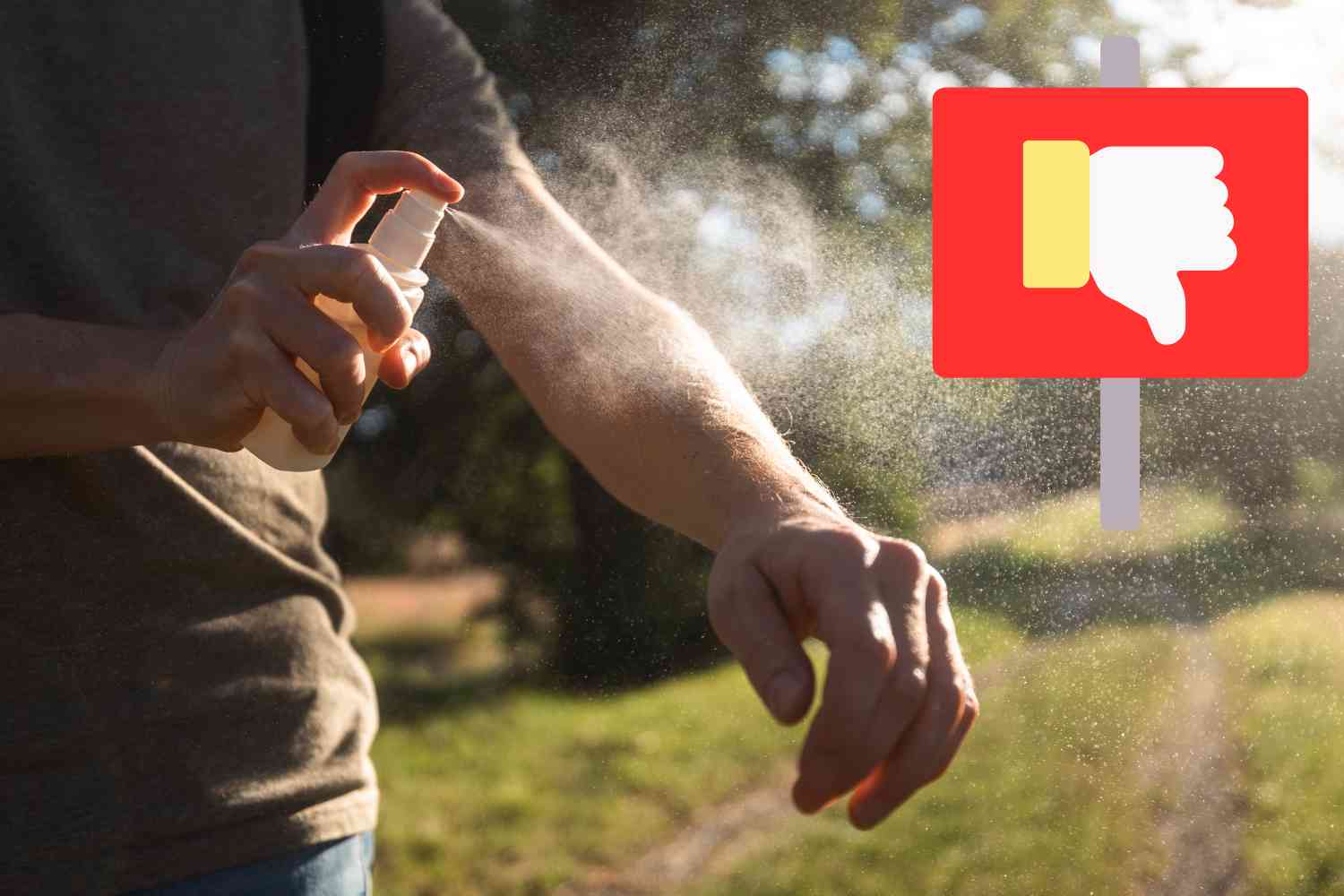
The words “tropical”, “exotic” or “adventure” on the label are not enough to guarantee effective protection from mosquitoes. This is demonstrated by the new comparative test by Altroconsumo, which tested the main repellents intended for travel in tropical areas, highlighting very marked differences between the products.
The laboratory tests, carried out according to the guidelines of the World Health Organization (WHO), evaluated the duration of protection against the tiger mosquito (Aedes albopictus), as well as the safety and practicality of use. Some repellents received excellent ratings, but others stopped at a quality considered low.
The repellents with the worst results
At the bottom of the ranking are mainly products based on icaridin, but there is no shortage of formulations with DEET which, despite the presence of the most effective active ingredient, use concentrations that are too low to guarantee adequate protection in tropical contexts.
Here are the products that received the lowest scores.
1. Autan Tropical Pressurized Spray (icaridin 16%) – 29 points
It’s the tail end of the test. The 16% icaridin concentration was not sufficient to offer high protection against the tiger mosquito in severe comparative tests.
2. Off! Pressurized Adventure Spray (icaridin 16%) – 29 points
It shares last place in the ranking with the same score. Also in this case the product did not guarantee adequate performance for a repellent intended for high exposure situations.
3. Autan Tropical Spray No Gas (icaridin 20%) – 38 points
Despite using a higher concentration of icaridin, the product remains in the low quality range, confirming that this active ingredient offers lower protection than DEET under the test conditions.
4. Off! Adventure Spray No Gas (icaridin 20%) – 37 points
Performance similar to the Autan product: quality judged to be low and protection not sufficient for those traveling in tropical areas.
5. Alontan Tropical (icaridin 20%) – 37 points
This repellent also does not exceed the low quality threshold, despite belonging to a specific line for the tropics.
6. Orphea Safari Formula (Citriodiol) – 37 points
The product, available in two formats, uses Citriodiol, an active ingredient of plant origin authorized as a repellent. However, in comparative tests it did not reach the levels of effectiveness of the best DEET-based products.
7. Zig Zag Explorer Spray – 43 points
Contains DEET, but only 15%. A concentration too low to guarantee effective protection in tropical destinations.
8. Autan Tropical Dry Spray – 48 points
Although it contains 25% DEET, it does not reach the minimum level of 30% considered more suitable for areas at greater risk, stopping at a low quality rating.
9. Zig Zag Antipuncture Pocket – 48 points
With 20% DEET, it offers limited protection compared to the best products in the ranking.
10. Stack Tropical and ZCare Protection Exotic – 49 points
Both use 19.5% DEET but fail to obtain convincing results in efficacy trials.
What emerges from the test
One of the most interesting aspects of the investigation is that the commercial name is not enough to guarantee high performance. Names such as “Tropical”, “Safari”, “Adventure” or “Exotic” may suggest protection suitable for travel to tropical countries, but only the presence of the right active ingredient and an adequate concentration really makes the difference.
According to Altroconsumo, for tropical areas it is advisable to move towards products with DEET at least 30%, while lower concentrations or icaridin-based formulations have proven to be less effective in comparative tests.
How to choose the best repellent
Before purchasing it is useful to check the label, verifying:
For those traveling in areas where mosquitoes can transmit diseases, relying solely on underperforming products could result in reduced protection. The test confirms that not all “tropical” repellents deliver what they promise.
