
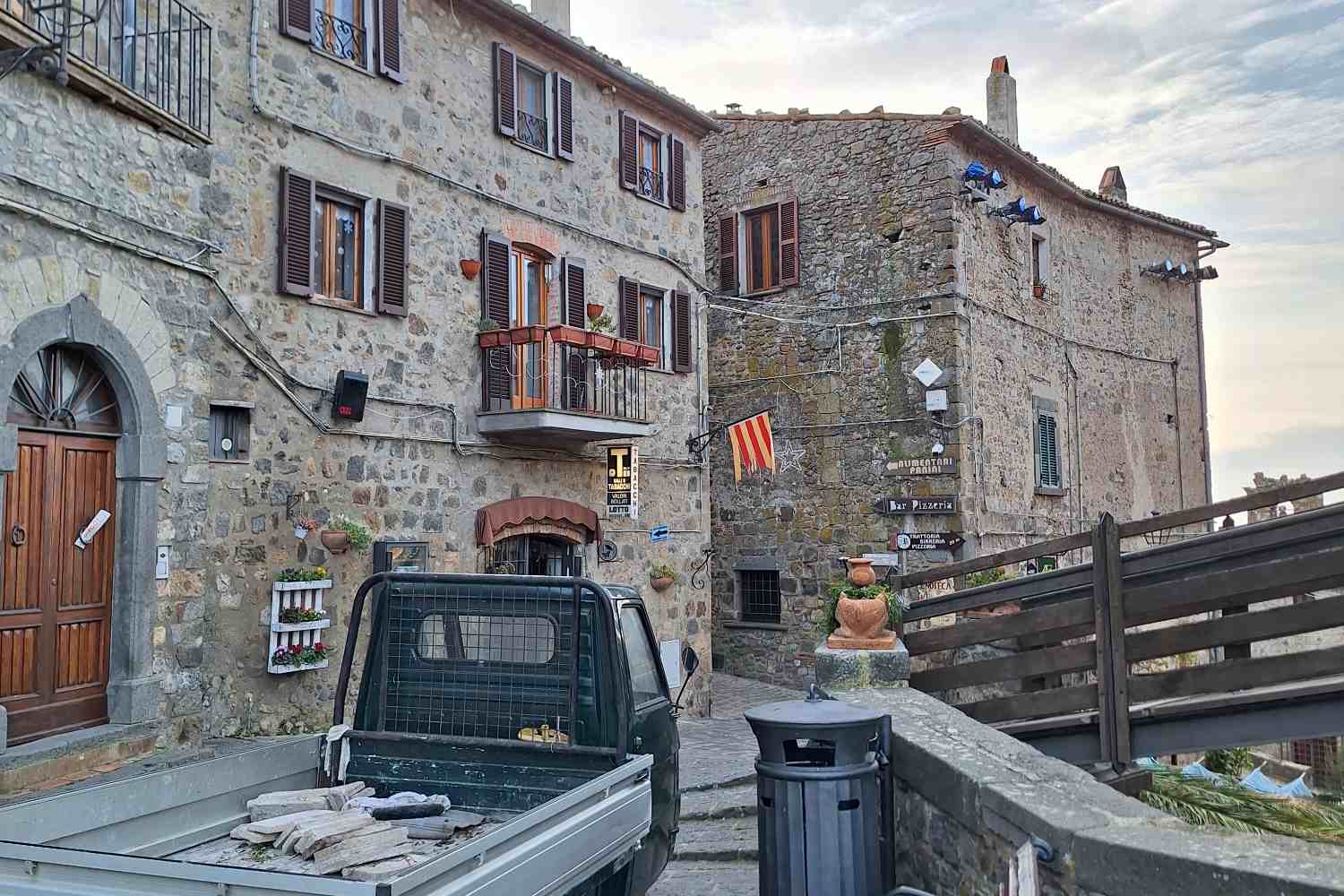
Our journey into the heart of Tuscia led us to a body of water that seems suspended in time. When you arrive in Bolsena, the visual impact is immediate: the embrace of the largest volcanic basin in Europe welcomes a historic center that climbs up the tuff rock, showing shades that vary from carmine to peperino grey.
@RebeccaManzi/GreenMe
Located in a strategic position in Northern Lazio, a short distance from Viterbo, Orvieto and the suggestive Civita di Bagnoregio, this town turned out to be an extraordinary surprise, a place where nature meets an impressive historical density.
@RebeccaManzi/GreenMe
The monumental complex and the blood of the miracle
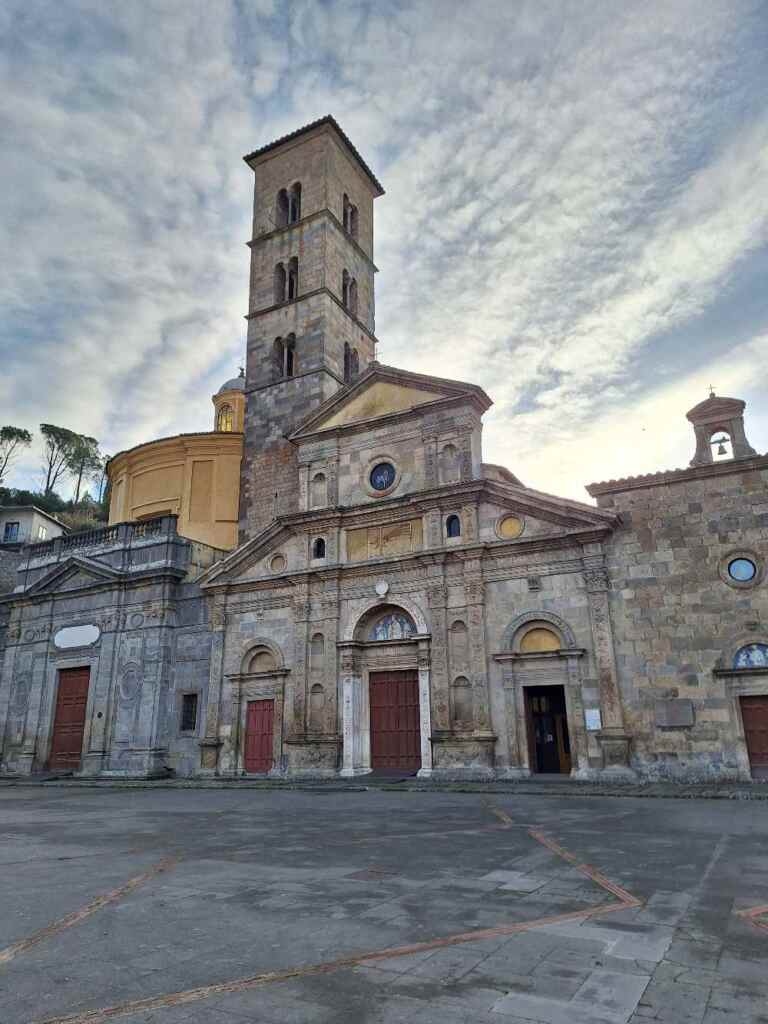
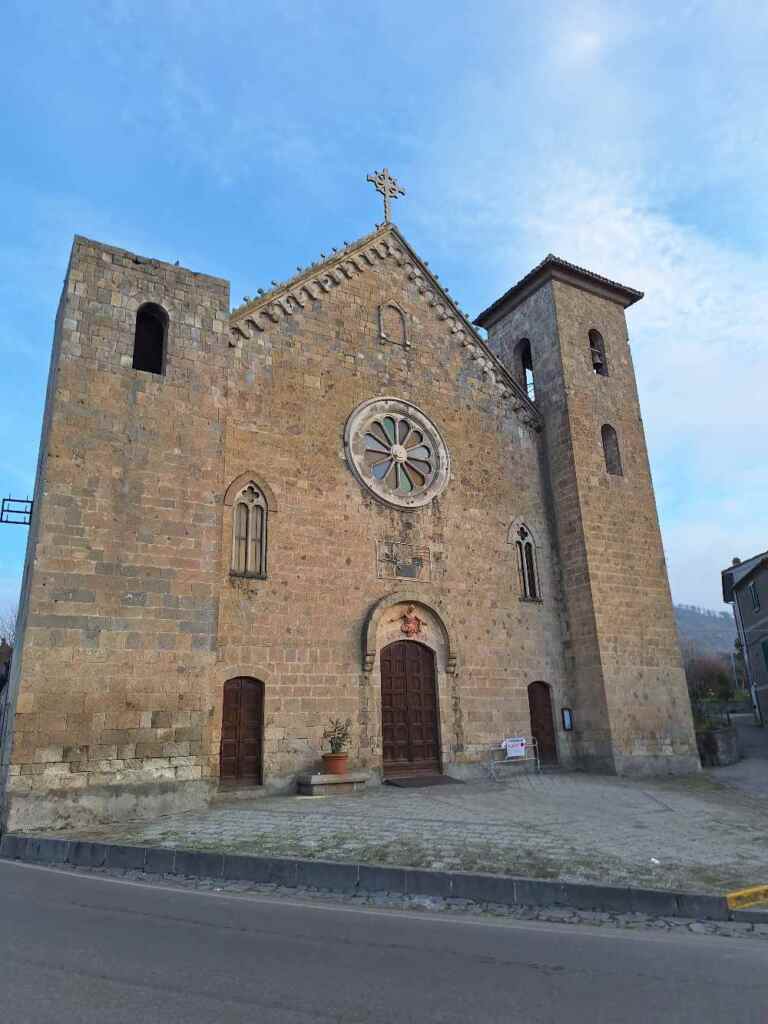
Our itinerary could only start from the lower part of the town, where the Collegiate Church of Santa Cristina stands. Simply defining it as a church would be an understatement: we found ourselves faced with a thousand-year-old architectural ensemble that unites different eras, with a fifteenth-century Renaissance façade, created by the Buglioni masters, which hides an austere and solemn Romanesque interior.
Here you can breathe the cult of the young patron saint Cristina who, according to tradition, in 292 AD was miraculously saved from the waters of the lake thanks to a basaltic stone that made her float, a rock that today retains her footprints. Every year, at the end of July, the city commemorates her martyrdom through the Mysteries of Santa Cristina, a series of living paintings of extraordinary intensity.
@RebeccaManzi/GreenMe
The ascent to the rock and the sunken treasures
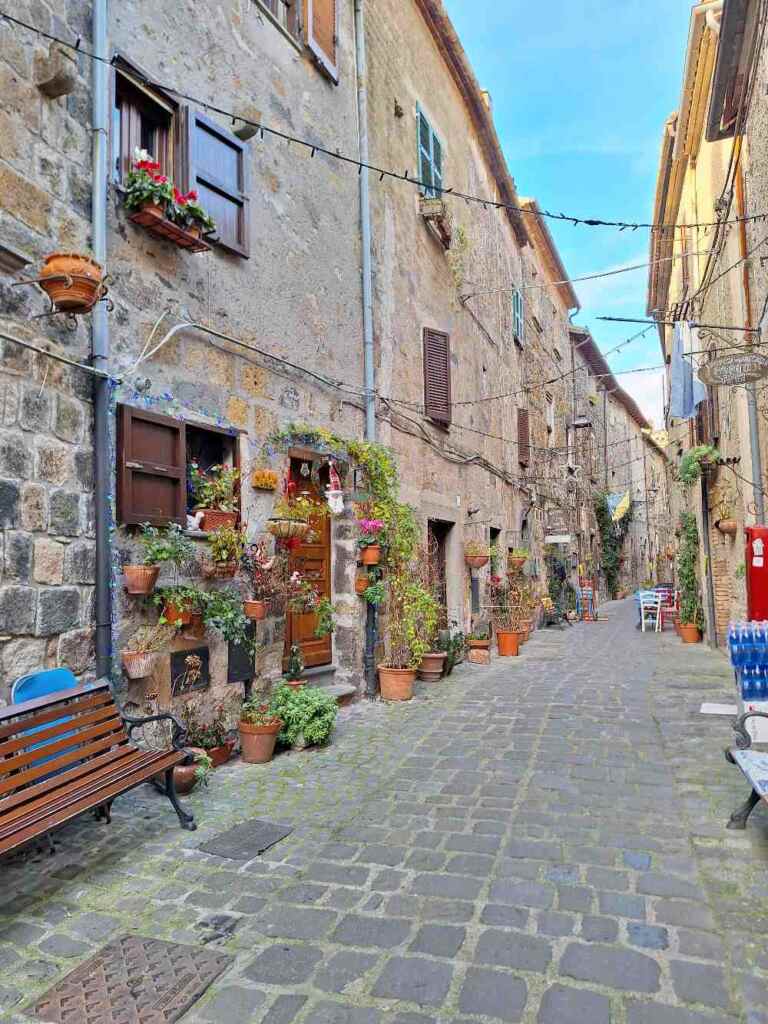
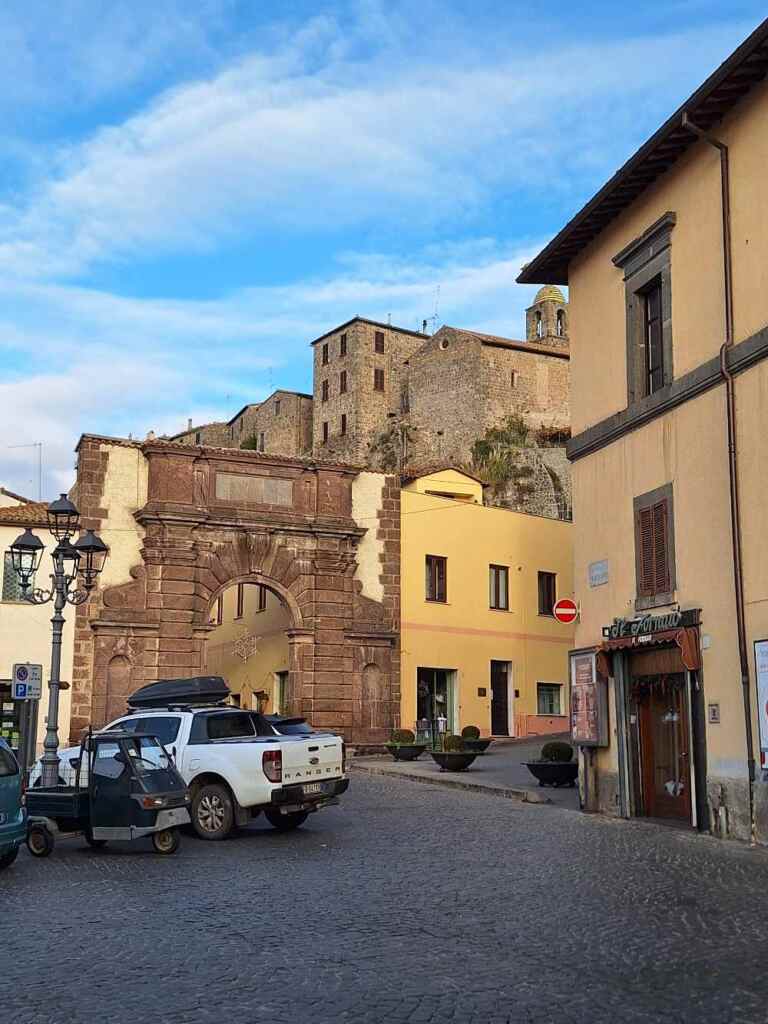
After leaving the collegiate church, we crossed the two main streets of the village, historically divided into three districts. After passing the sixteenth-century Porta di San Francesco, we entered a network of silent alleys, steep stairs and flowered balconies, until we reached Piazza San Rocco. Here is the source of the same name embellished with late fifteenth-century bas-reliefs, whose waters healed the saint during his passage.
@RebeccaManzi/GreenMe
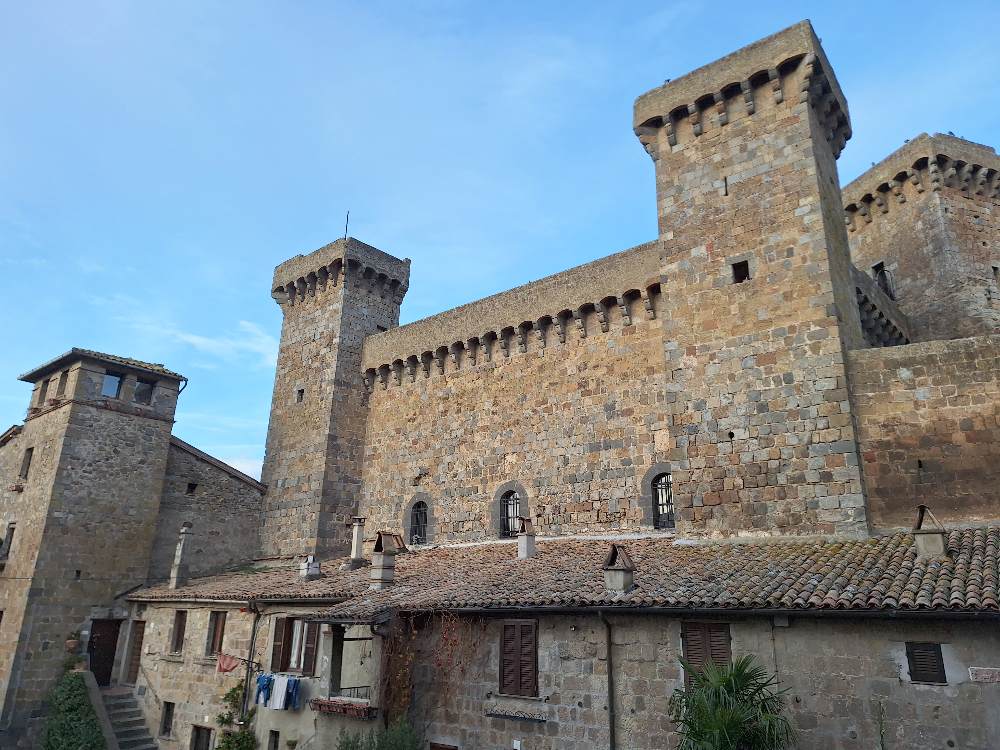
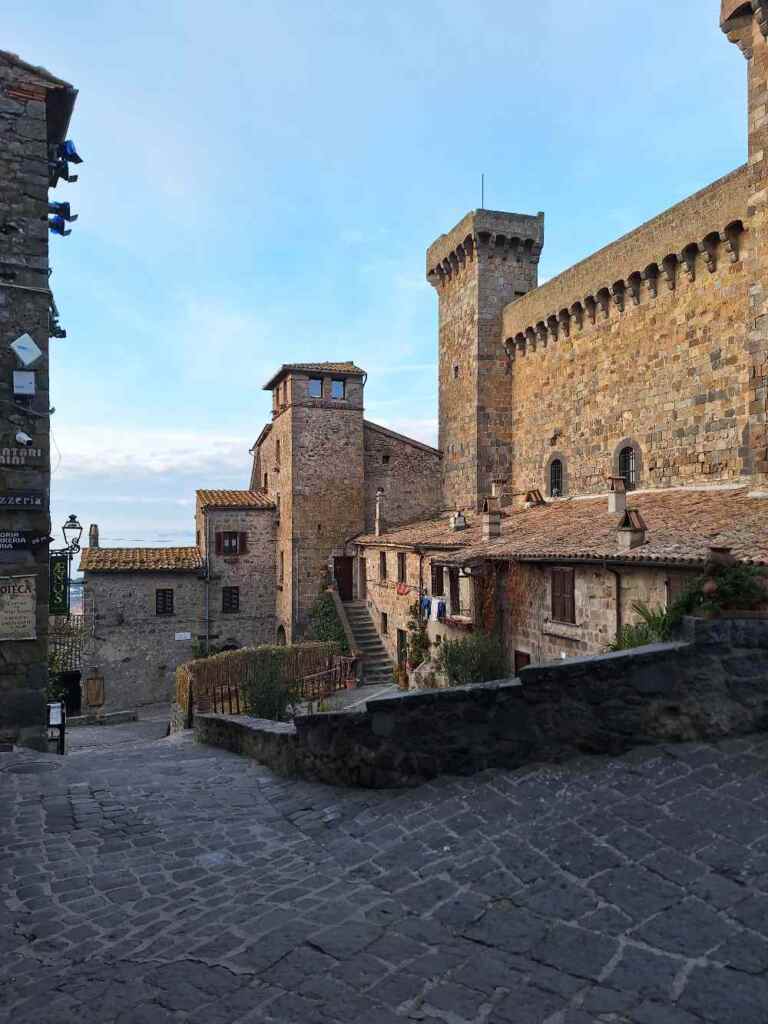
Continuing the climb, the imposing mass of the Rocca Monaldeschi della Cervara caught our gaze. Built by the Orvietos between the 13th and 14th centuries, this trapezoidal castle boasts four different corner towers. Inside, the Territorial Museum of Lake Bolsena offers an impeccable educational journey.
@RebeccaManzi/GreenMe
@RebeccaManzi/GreenMe
Noble architecture and a dream lakefront
Next to the fortress, the fifteenth-century Church of San Salvatore displays its majolica bell towers, while the adjacent streets, more residential and less touristy, retain the authentic spirit of an old fishing village. Bolsena is not just archaeology; as we walked we passed the facades of imposing historic homes such as the Gothic Palazzo Ranieri, the sixteenth-century Palazzo Cozza Caposavi and the monumental Palazzo del Drago, a treasure chest of Renaissance frescoes linked to the school of Perin del Vaga.
@RebeccaManzi/GreenMe
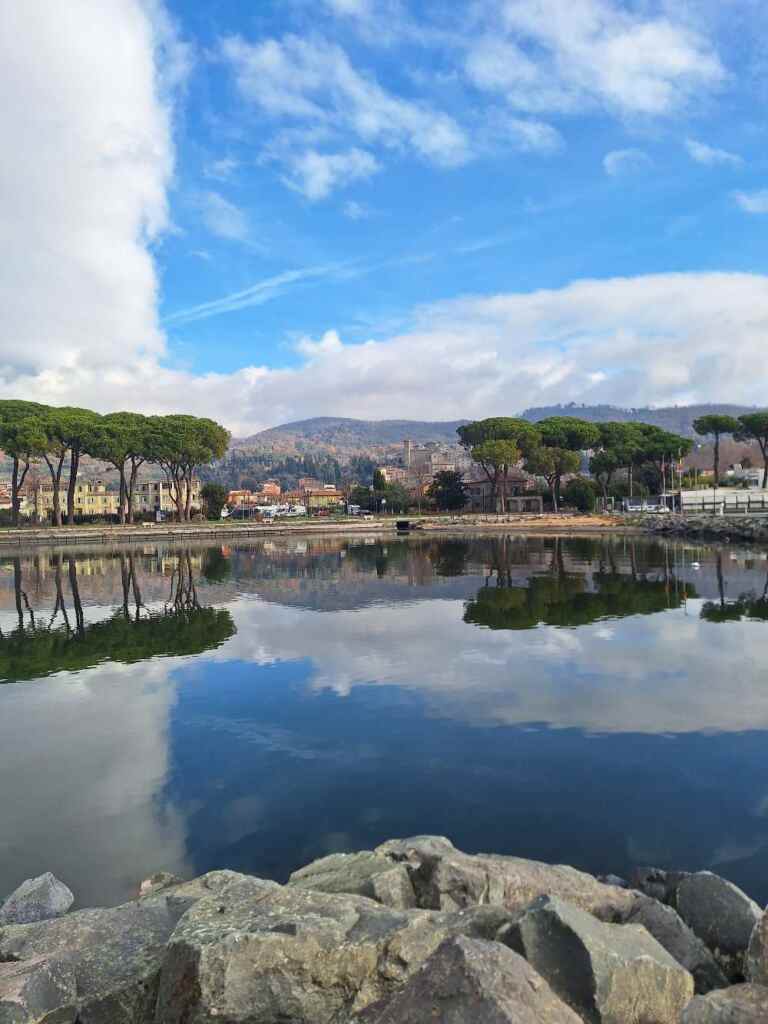
We ended our day with a relaxing walk towards the lakeside of Bolsena. Here, while the fishermen returned with the day’s catch, the atmosphere was tinged with the warm colors of the sunset. Sitting in one of the typical restaurants to savor the local cuisine, surrounded by uncontaminated nature, was the perfect way to understand the true essence of this pearl of Tuscia: a place where time slows down to protect its beauty.
@RebeccaManzi/GreenMe
