
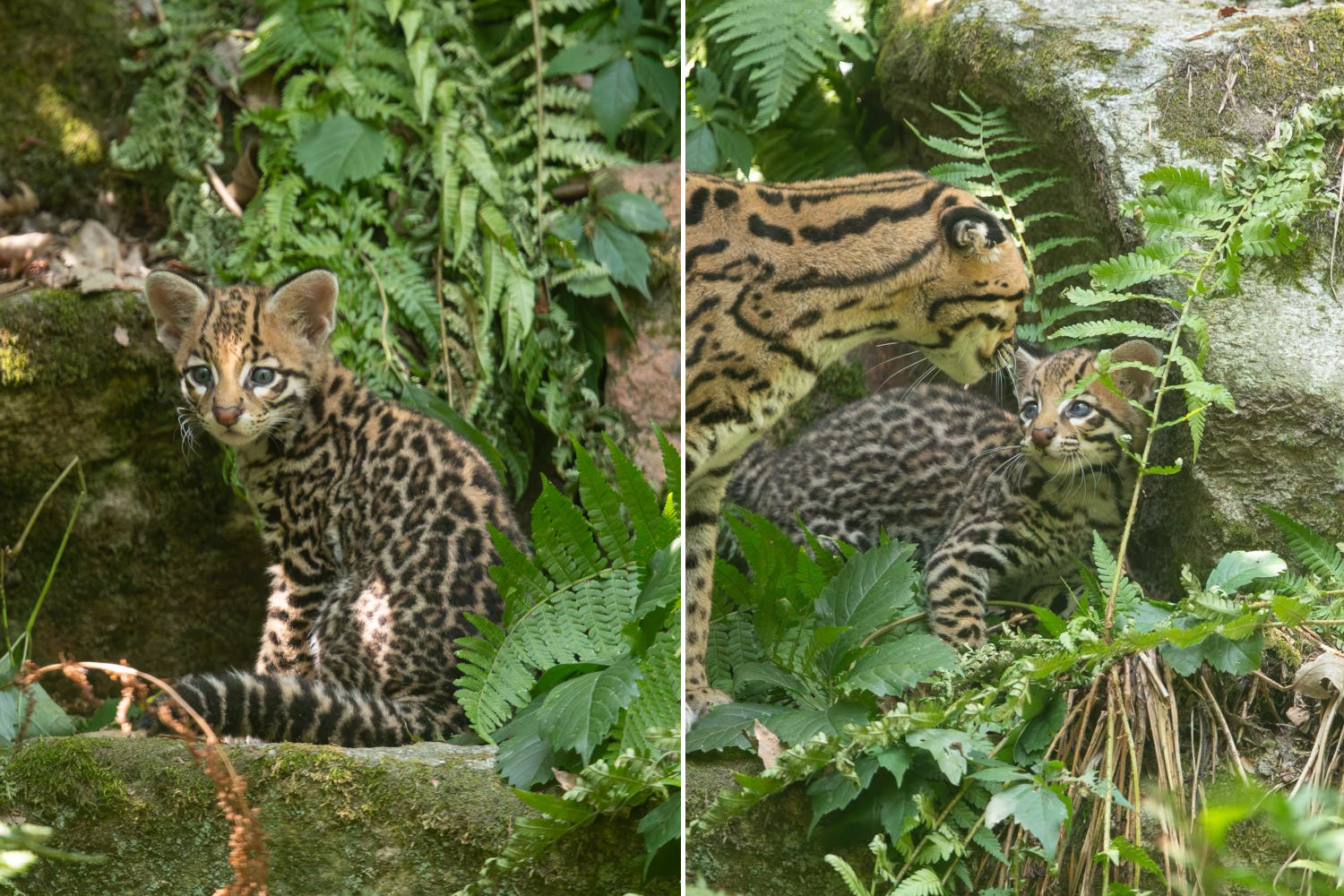
In the La Torbiera Wildlife Park of Agrate Conturbia, in the province of Novara, the birth of a baby ocelot, scientific name, was recorded Leopardus pardalis. The event is part of the European conservation program known by the acronym EEP, a cooperation network between zoological structures aimed at protecting the genetic heritage of species at risk of extinction.
Having initially remained safe in the protected internal spaces under the constant care of his mother, the little feline began to take his first steps outside. The park management documented the event on its official channels, informing visitors that with a little patience it is possible to spot the animal inside the fenced area dedicated to it.
View this post on Instagram
The stages of growth and the activities of the structure
The growth path of the little ocelot is followed by the technical staff of the La Torbiera Wildlife Park, who monitor the settling-in phases in the external enclosure. The structures belonging to the EEP circuit motivate these births with the need to preserve biodiversity and guarantee a genetic reserve for the species outside its original environment. The managers of the Piedmont center reiterated how each new born represents an operational stage within the protection projects shared at an international level.
The sentence to captivity
However, behind the enthusiasm for the arrival of new life and the narrative of biological protection, lies a reality without much reason to celebrate. This baby ocelot will never know the freedom of its true natural habitat, the jungle or rainforests of Latin America, but will spend its entire existence enclosed within artificial perimeters, between mesh fences, fake rocks and vegetation recreated for the use and consumption of visitors.
Transformed from the first days of life into a star to be photographed and shown to the paying public, the animal is condemned to a routine of prying glances, pointed lenses and limited spaces. The protection of the species is thus reduced to a showcase performance, where genetic conservation becomes the pretext to justify living inside a cage for life.
