
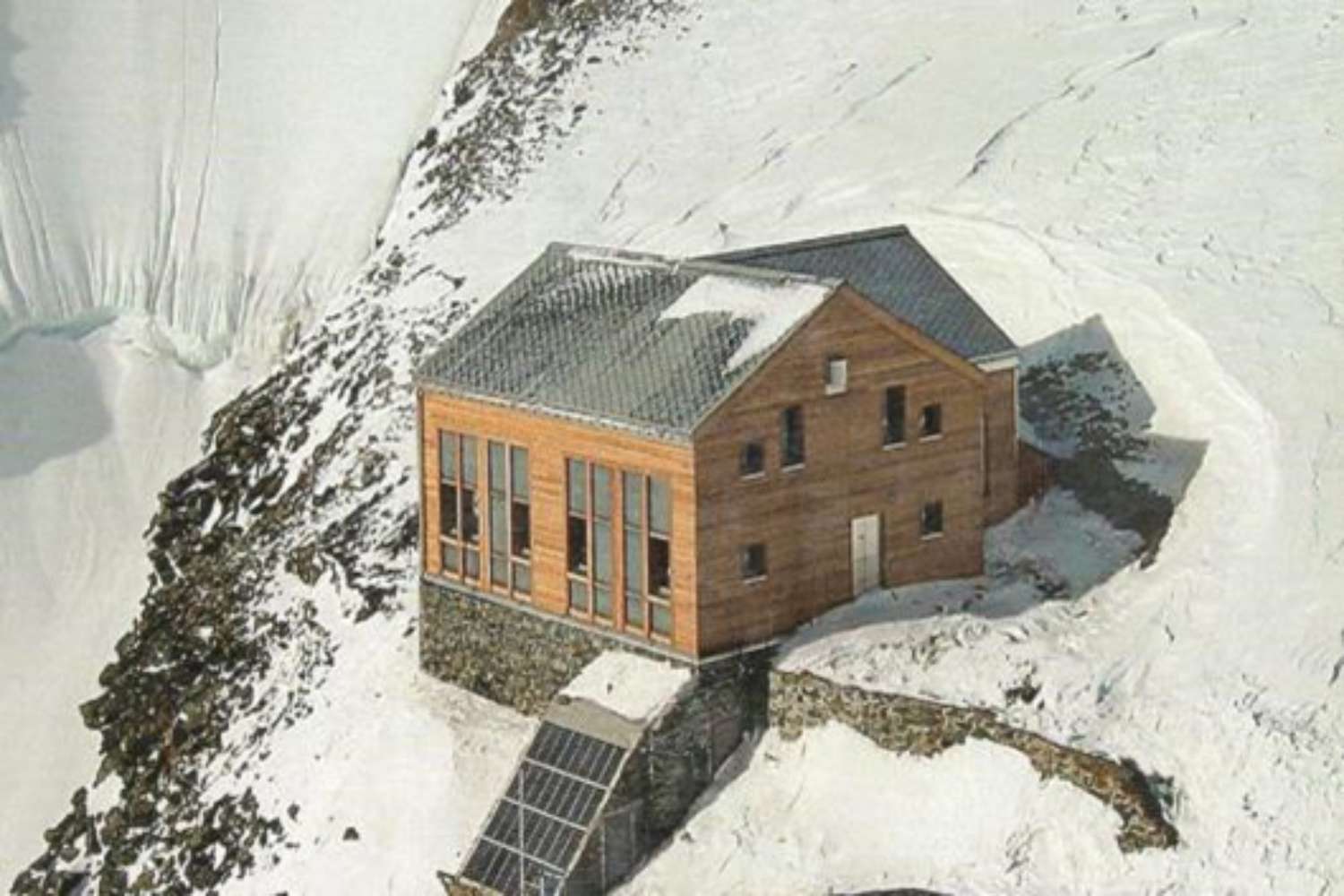
The anomalous heat wave that is hitting the peninsula has gone beyond the borders of the cities, reaching the highest peaks of the Alpine arc and showing the most severe face of climate change. The one who paid the price was the Rifugio Marco e Rosa De Marchi – Agostino Rocca, the highest accommodation facility in Lombardy located at 3,609 meters above sea level at Forcola di Cresta Guzza, in Valmalenco.
The Valtellinese Section of the CAI, in close agreement with the managers of the Alpine garrison, has in fact ordered the immediate closure of the garrison until a further date. The high temperatures have compromised the stability of the snowpack and the access routes that go up from the Marinelli-Bombardieri Refuge towards the Vedretta dello Scerscen Superiore, making the passages extremely dangerous for mountaineers and hikers. An announcement also posted on social channels and which left many stunned.
The freezing point beyond the summit of Pizzo Bernina
The situation on the Bernina Massif represents a faithful mirror of the climate crisis taking place in our mountains. With a freezing point stable between 4,200 and 4,500 metres, the freezing altitude was even positioned above the summit of Bernina. The lack of night-time refreezing has weakened snow bridges, accelerated the sudden opening of crevasses and drastically increased the risk of rock collapses, as the binding action of the ice is lost. This emergency situation is part of an already critical picture reported by the GLAMOS monitoring network, which already at the end of June highlighted the early exhaustion of winter snow reserves on the glaciers.
The precedents of 2022 and a future marked by the global emergency
The dramatic current scenario dusts off the ghosts of the scorching summer of 2022, when access to the Italian side had become so impervious as to push the College of Alpine Guides of Lombardy to advise against the ascent, leading to an early closure in September. This year, however, the phenomenon returns with greater virulence and we are still in the midst of the summer season with the entire month of August ahead of us.
What was once an exceptional event is becoming the norm: the progressive melting of the glacial mass imposes a profound redesign of the use of the mountains, where traditional mountaineering itineraries must be constantly repositioned in the face of a nature that changes pace due to global warming.
