
Wild nature, medieval alleys and an atmosphere where the Alpine soul meets Mediterranean warmth. We experienced an extraordinary journey in South Tyrol, guided by the tales and stories of its symbolic places. A visual and sensorial experience between princely history, Art Nouveau architecture and high-altitude archives, far from the usual tourist routes. Come with us to discover four pearls of Südtirol.
The magical microclimate of Merano and the walk along the Passirio
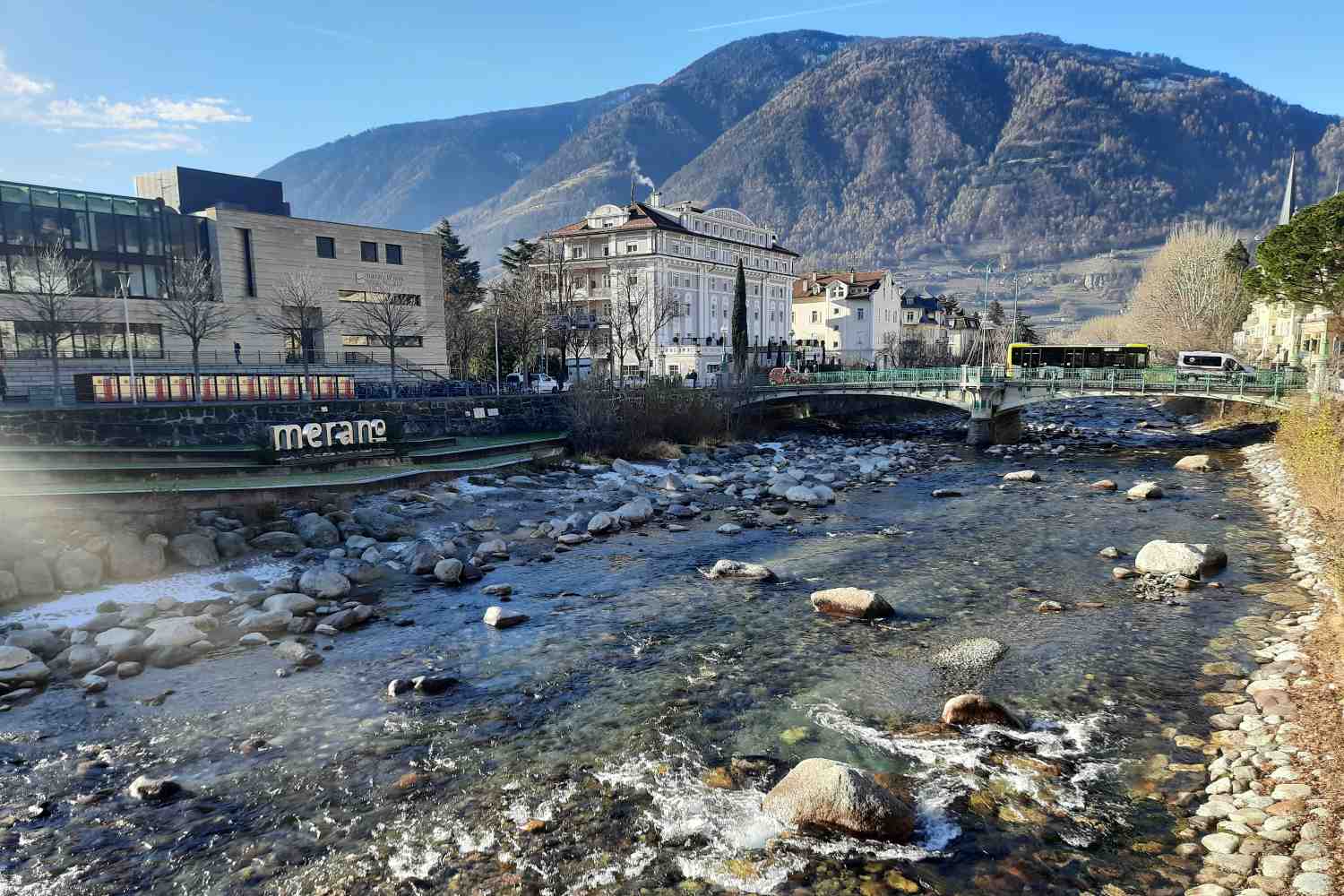
The first stop on our journey took us to Merano, a city where the landscape seems to defy geographical logic. Continuing towards the beating heart of the town, we treated ourselves to a moment of pure relaxation walking along the banks of the Passirio river. The Passeggiata Lungo Passirio gave us a romantic and timeless glimpse: the perfect contrast between the fresh breath of its turquoise waters and the sophisticated elegance of the buildings that surround it. Here, among the rustling of the centuries-old trees and the rhythmic sound of the fast-flowing river, we rediscovered the very essence of Merano as a spa city, allowing ourselves to be enchanted by the verdant nature that frames the bank and invites us to slow down.
@RebeccaManzi/GreenMe
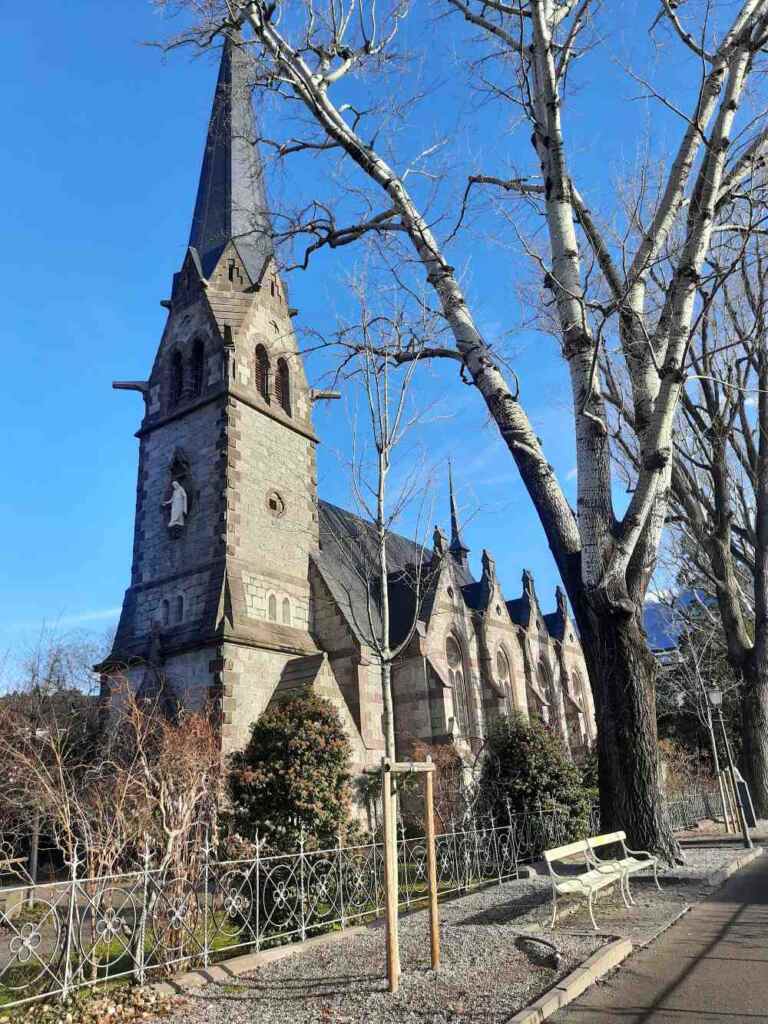
Along the river bank we encountered the Evangelical Church of Christ, one of the most fascinating and unexpected neo-Gothic jewels of Merano. Surrounded by greenery, this church immediately struck us with its sober but majestic elegance, with the typical exposed stone and the high bell tower that stands out against the Alpine sky. Built towards the end of the 19th century to accommodate the growing Protestant community during the golden age of spa tourism, it represents a fundamental testimony to the cosmopolitan soul of the city. Crossing its threshold gave us a feeling of profound peace, an oasis of silence and contemplation just a few steps from the centre.
@RebeccaManzi/GreenMe
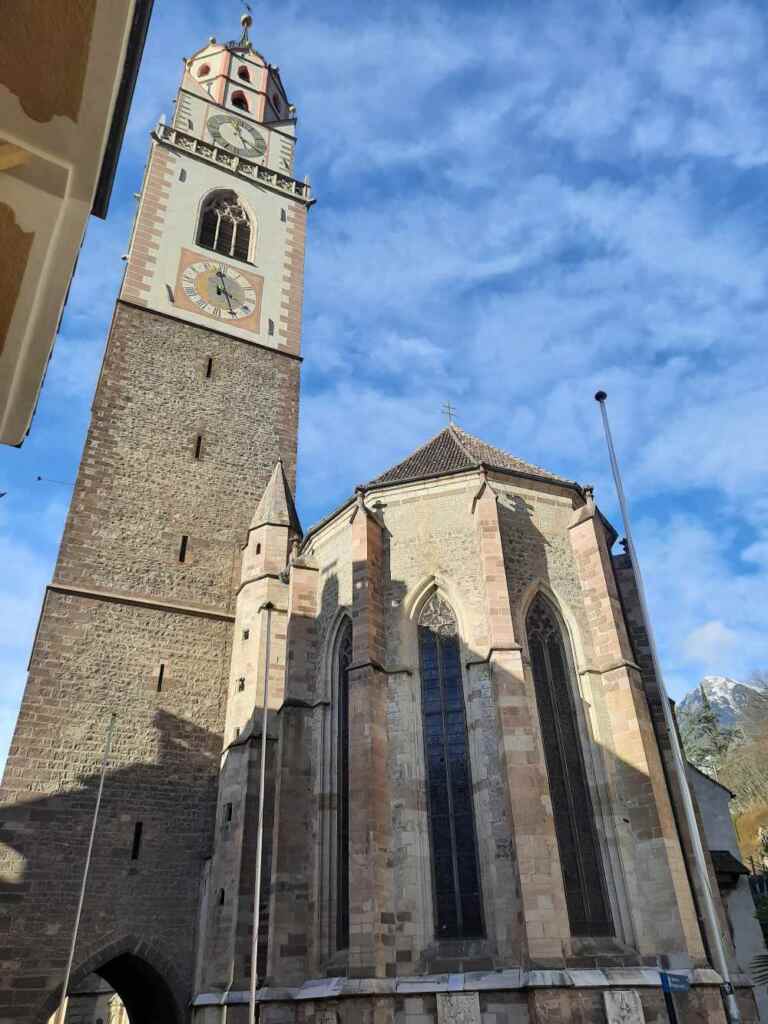
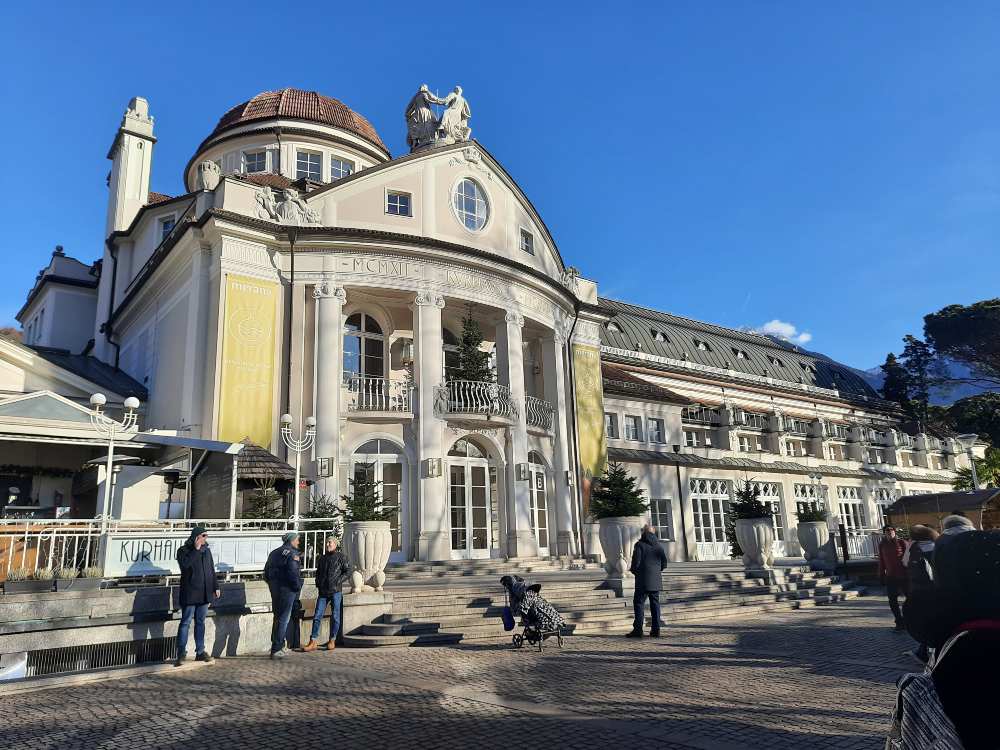
We then immersed ourselves in the heart of shopping along the Arcades of Merano, commissioned by Count Mainardo II in the 13th century and divided into Arcades of the Mountain and Arcades of the River. The architectural journey is completed by the Cathedral of San Nicolò, with its 83 meter bell tower and the nearby Chapel of Santa Barbara, up to the Art Nouveau masterpieces such as the Wandelhalle and the majestic Kurhaus, a masterpiece of the Art Nouveau/Jugendstil style, designed by Josef Czerny in 1874 and subsequently expanded by the architect Friedrich Ohmann between 1912 and 1914.
@RebeccaManzi/GreenMe
@RebeccaManzi/GreenMe
Bressanone: baroque art and the elegance of the White Tower
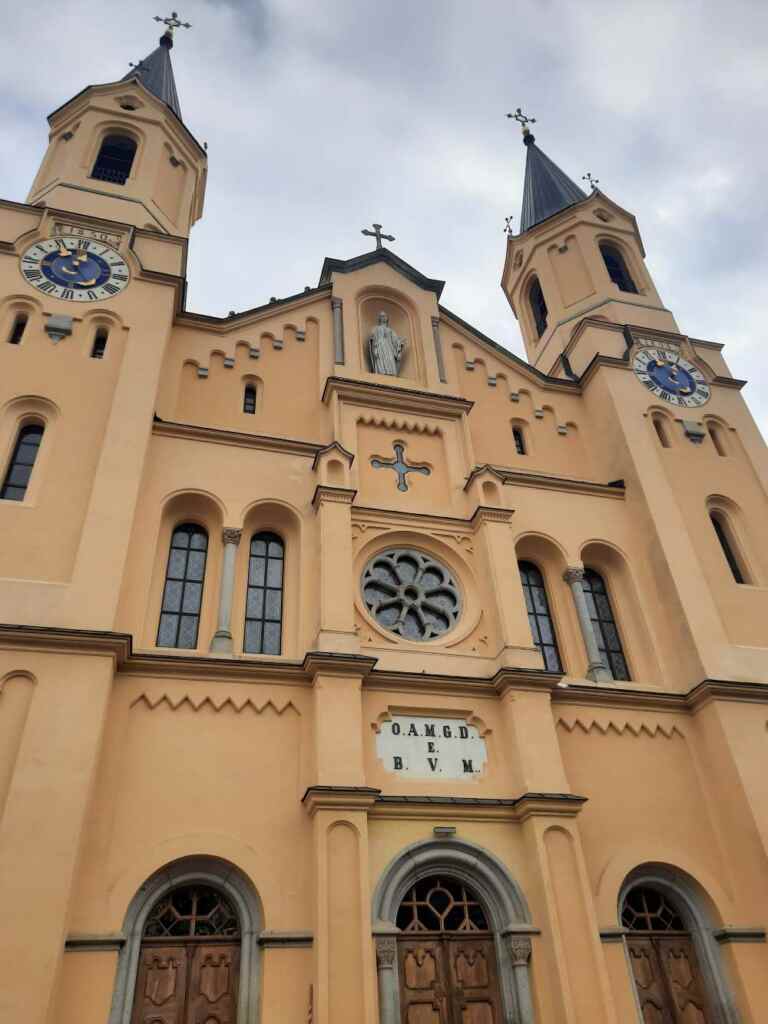
Moving towards the Isarco Valley, Bressanone welcomed us with its imposing history as an ecclesiastical principality. The focal point of the city is the majestic Bressanone Cathedral, rebuilt in Baroque style with 33 different types of fine marble and over 200 square meters of frescoes on the ceiling. The nearby Bishop’s Palace (Hofburg) preserves the memory of the prince bishops inside the Diocesan Museum, famous for its tiled stoves and the collection of liturgical nativity scenes.
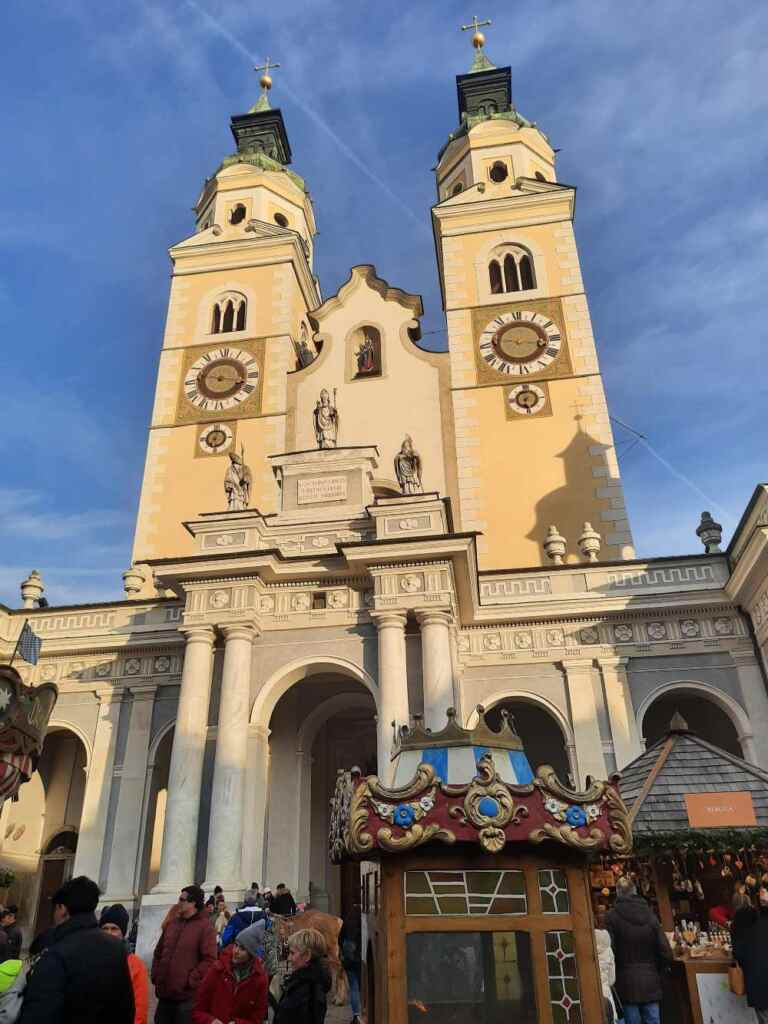
@RebeccaManzi/GreenMe
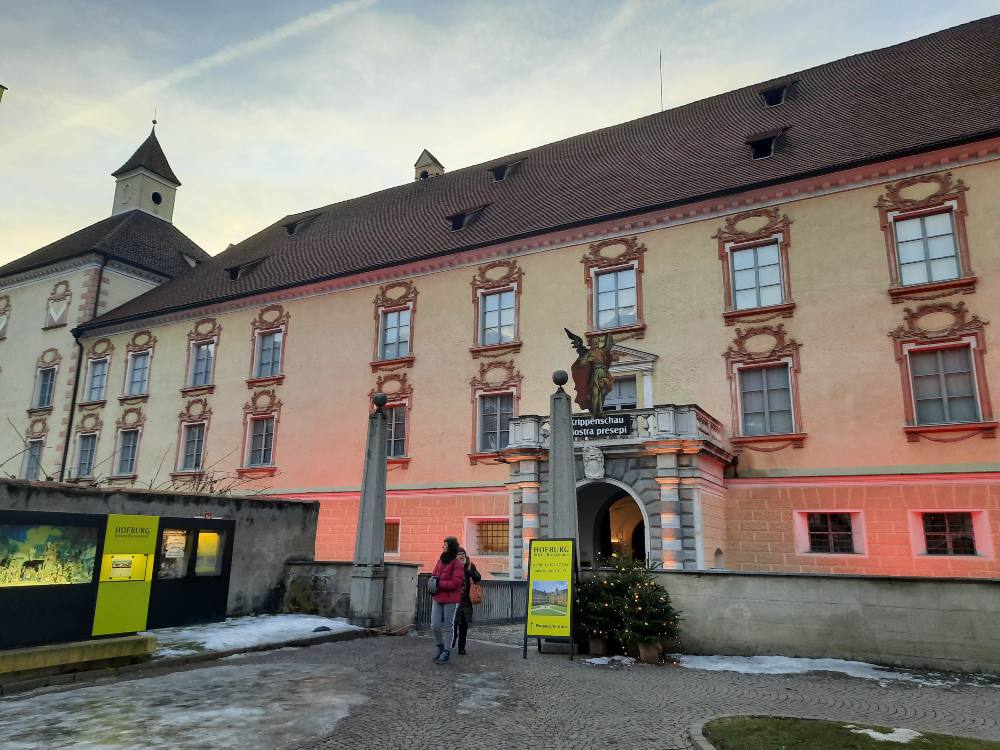
@RebeccaManzi/GreenMe
A few steps from the cathedral complex, our gaze was inevitably captured by the elegant White Tower of the church of San Michele Arcangelo. With its 72 meters of height and the characteristic light spire, this Gothic bell tower stands proud over the historic center, representing one of the most recognizable landmarks of the entire city. We discovered how the structure once served as a civic and fire lookout tower, while today it continues to mark city life thanks to its perforated mullioned windows and the melody of its carillon made up of dozens of bells.
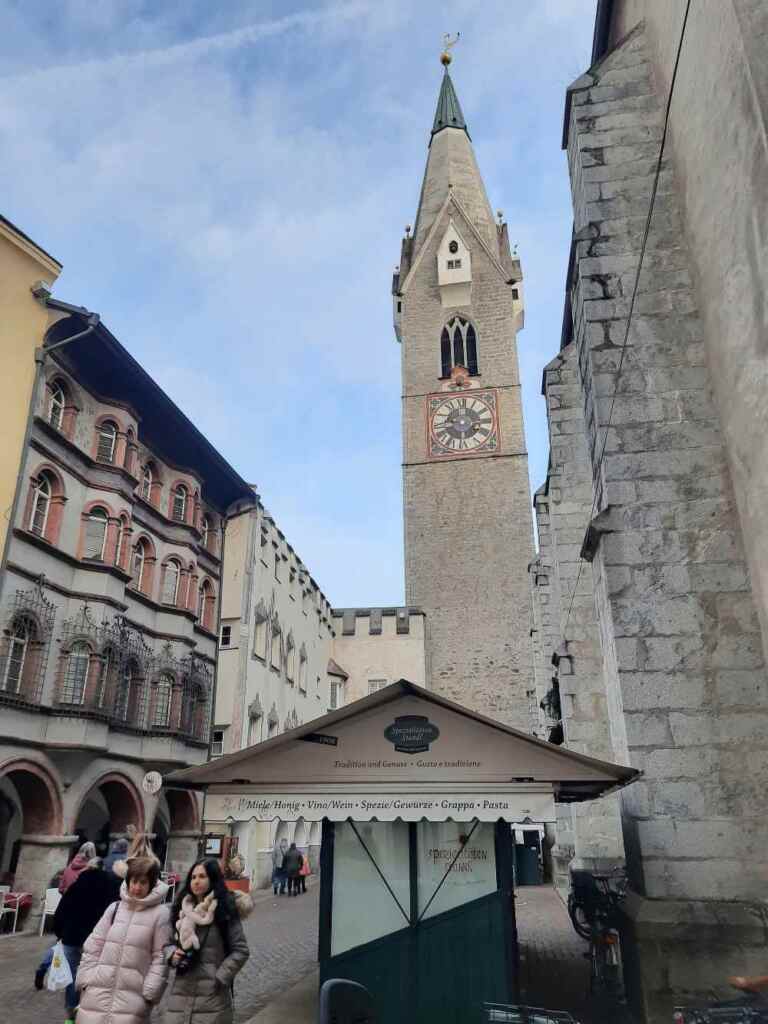
@RebeccaManzi/GreenMe
The colorful houses of Brunico and the Reinhold Messner museum
Continuing in the Pusteria Valley, we reached Brunico. Despite the light rain that often accompanies Alpine days, the colorful facades of the historic center offer a lively and warm spectacle. Crossing the suggestive Porta Ragen, one of the ancient gateways to the medieval city, we found ourselves immersed in an atmosphere of times gone by. This historic fortified gate, which connects the main street to the noble homes of the neighborhood of the same name, still preserves the sober and elegant charm of the Pusterese architecture intact, welcoming travelers among artisan workshops and refined boutiques.
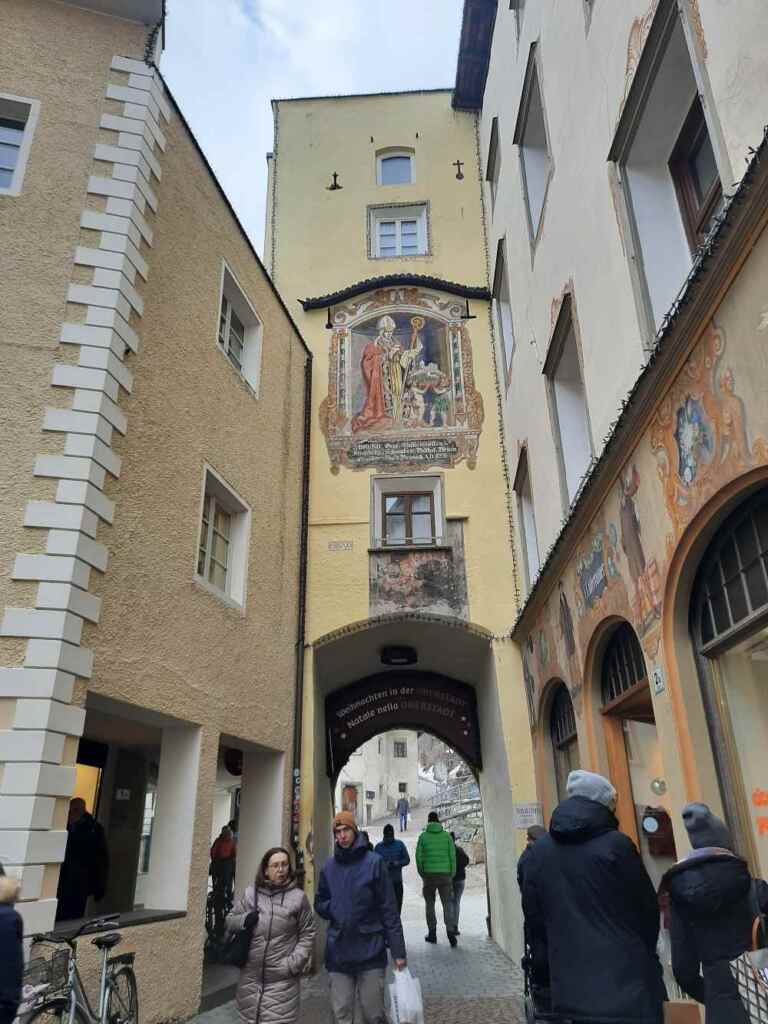
@RebeccaManzi/GreenMe
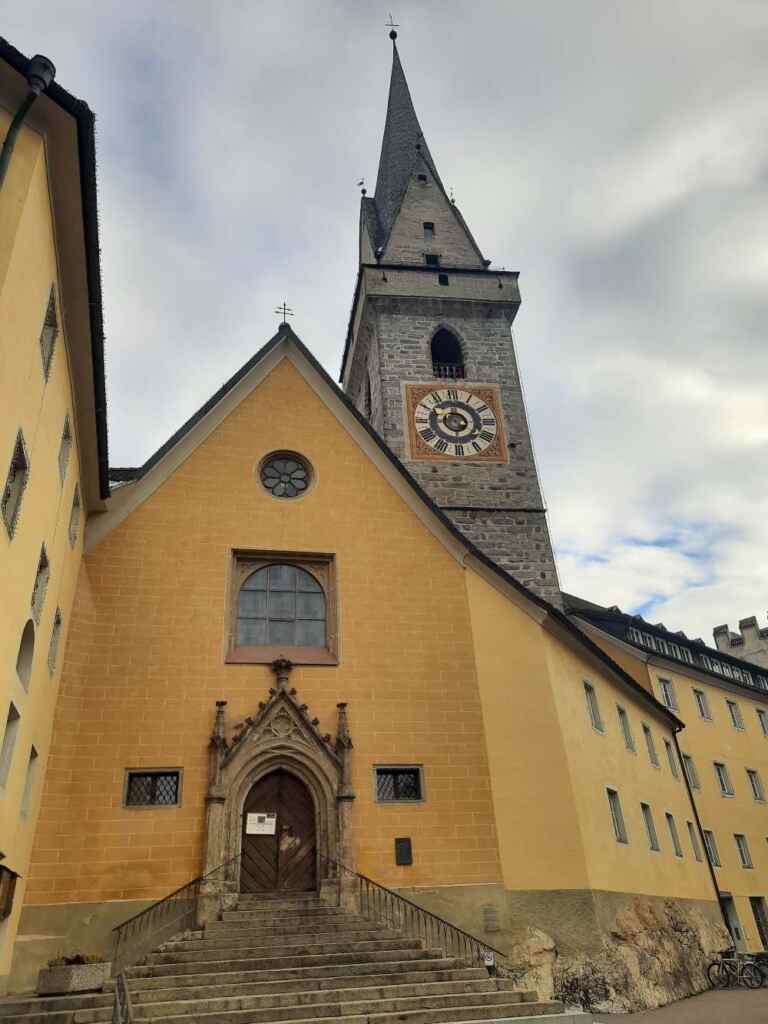
Walking along the street, our itinerary led us to the Ursuline Church, located next to the ancient convent and the city gate of the same name. We stopped to admire the refined late Gothic architecture of this religious complex, founded in the 17th century and which over the centuries has become a fundamental educational and spiritual center for the entire valley. The interior of the church, intimate and imbued with silence, contains precious painted altars and frescoes which testify to the profound devotion and artistic care preserved with devotion by the nuns over the centuries.
@RebeccaManzi/GreenMe
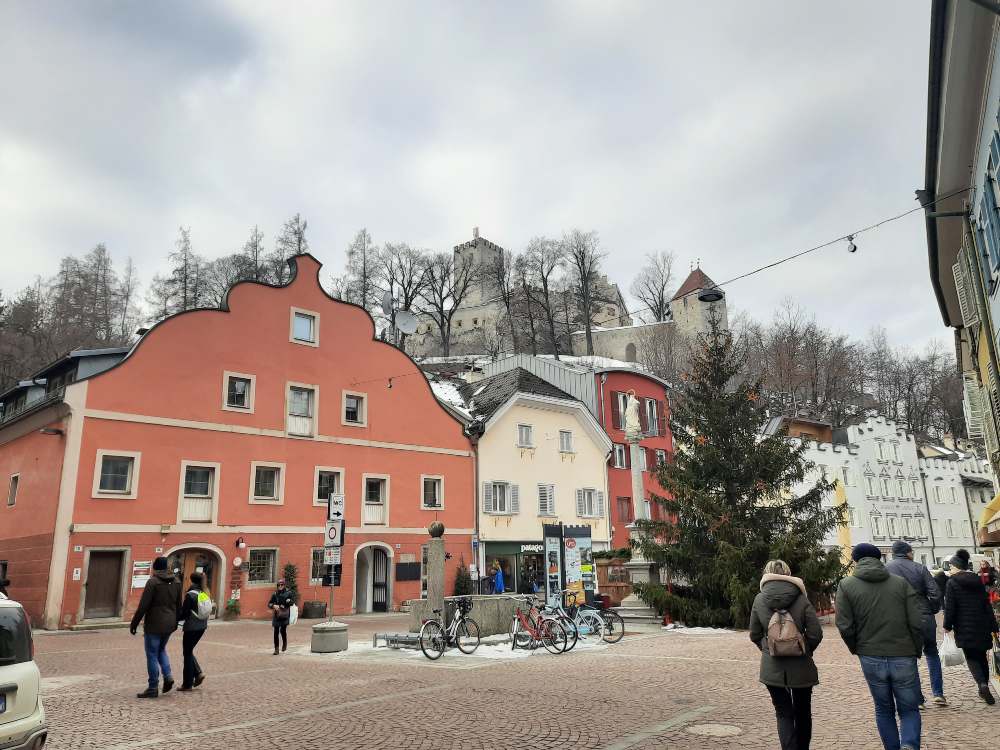
Looking towards the hill, our view was entirely captured by the silhouette of Brunico Castle, which dominates the valley from above and the Church of Santa Maria Assunta below. The manor has an inestimable cultural value: it hosts the MMM Ripa, the fifth node of the famous museum project created by the legendary mountaineer Reinhold Messner. In the Tibetan language, the word Ripa combines the concepts of mountain and man; crossing its thresholds, we rediscovered an exhibition itinerary entirely dedicated to the cultures, daily life and traditions of mountain populations from all over the world.
@RebeccaManzi/GreenMe
@RebeccaManzi/GreenMe
Vipiteno: the Tower of the Twelve and the miners’ homes
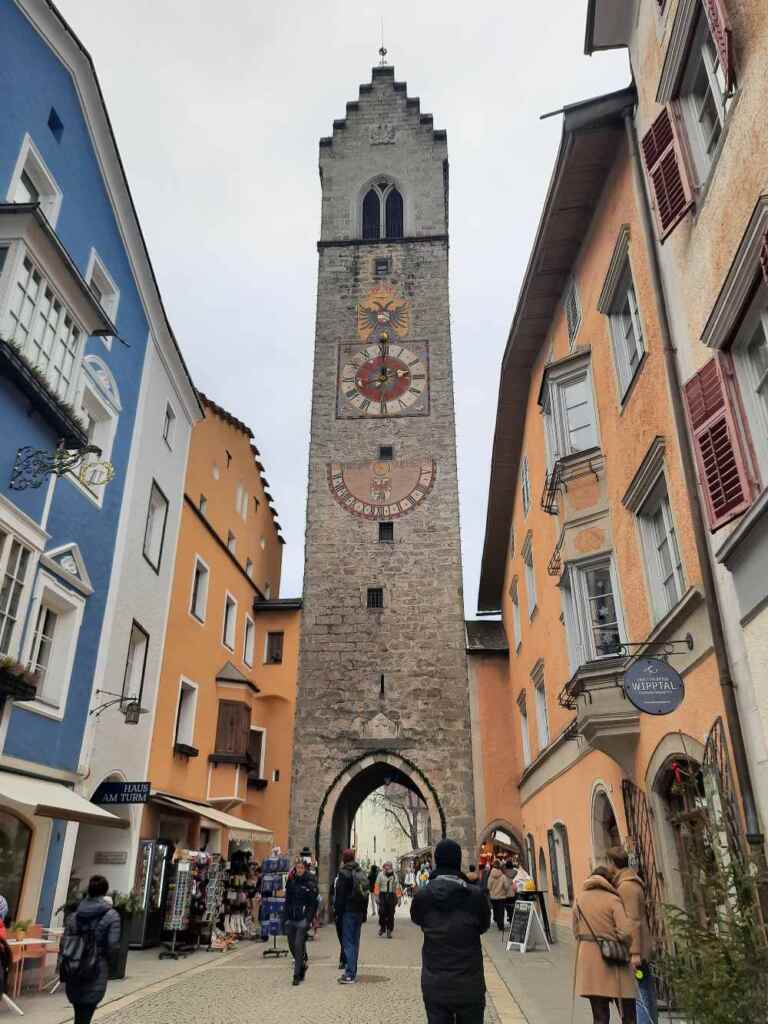
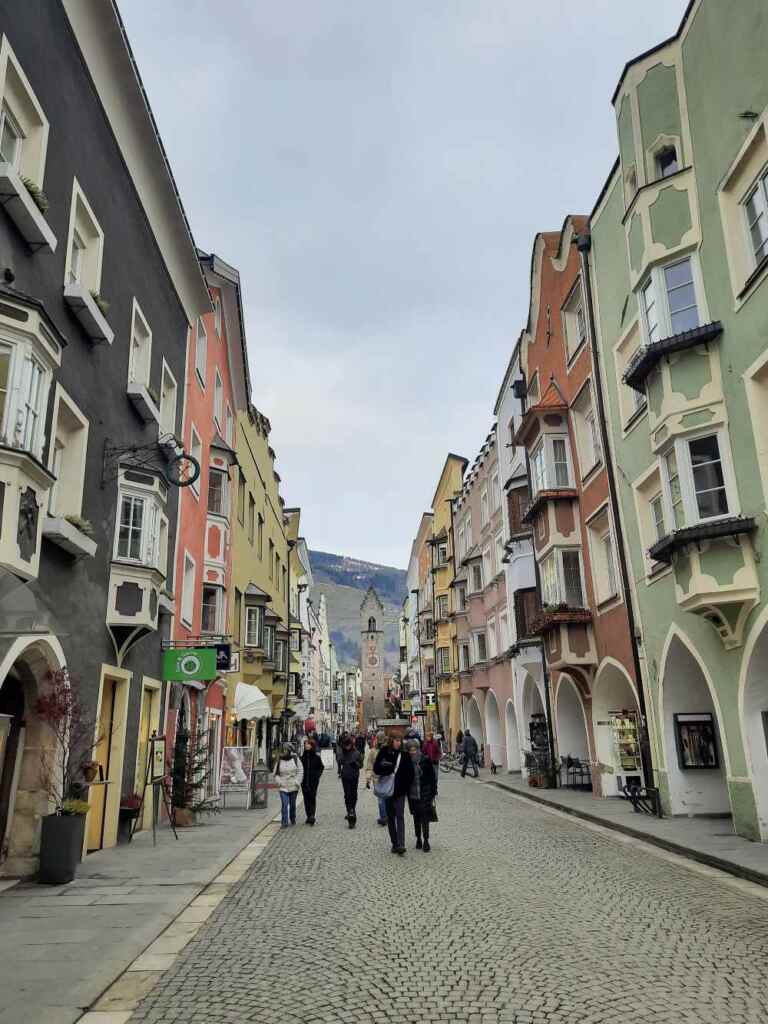
The final stage of our journey took us to Vipiteno, a village located in the Upper Isarco Valley at 950 meters above sea level, famous for its Latteria Vipiteno founded in 1884. The village is clearly divided in two by the suggestive Torre delle Dodici, which separates the Old Town from the New Town.
@RebeccaManzi/GreenMe
Walking along the central street, among characteristic flowered erker (bow windows), we admired late Gothic buildings of rare beauty. Among these, Casa Flamm stands out, with its frescoed porticoes, Casa Geizkofler and the House of Judgment, all evidence of the wealth accumulated by the mining entrepreneurs of the 15th and 16th centuries. Another point of interest is the Town Hall, with the splendid Council Hall entirely covered in wood and the seventeenth-century majolica stove. In the internal courtyard there are exceptional Roman finds, such as the Stele of the God Mithras and the milestone of the year 200 AD, the perfect conclusion to a journey that has remained in our hearts.
@RebeccaManzi/GreenMe
