
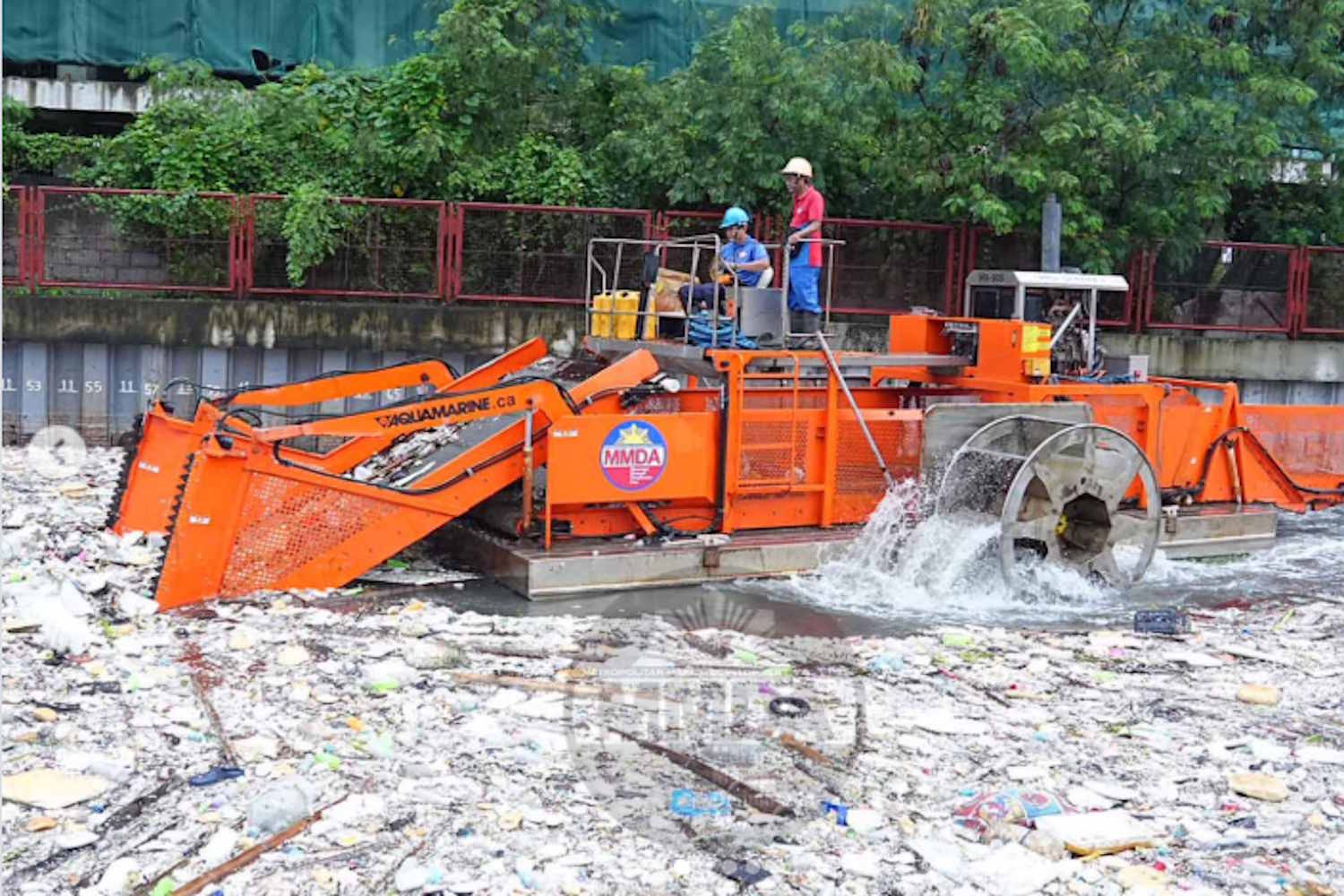
Roads transformed into rivers, thousands of people forced to abandon their homes and an impressive quantity of waste carried by the water. This is what is happening in the Philippines, where days of intense monsoon rains were worsened by the storm Dolphinhave hit Metro Manila hard.
One of the most critical situations occurs in Parañaquea coastal city overlooking Manila Bay. Here the authorities collected over 100 trucks of waste, including plastic, polystyrene and other debris transported by the water and accumulated along the river system and in flooded areas.
And not only that: in recent days over 12 thousand people have been displaced due to floods and torrential rain, while several cities and towns in the north of the country have ordered the closure of schools.
View this post on Instagram
In Parañaque, the flooding problem is exacerbated by the particular dynamic between the city river and Manila Bay. Here, in fact, during high tide, the water from the bay can rise towards the Parañaque river, hindering the normal flow of rainwater. And when very intense rainfall is added to the high tides, the system ends up becoming saturated: the water coming from the southern part of the metropolitan area is no longer able to reach the bay and instead returns towards the urban areas.
Those mountains of plastic dragged by the water
The Parañaque emergency also highlights once again an environmental problem that now frequently accompanies large urban floods: that of waste dispersed in the environment.
When rainfall becomes exceptionally heavy, abandoned or poorly managed plastic, packaging and other materials can be washed into canals and waterways. All waste which, in addition to ending up along the coasts and in marine ecosystems, undoubtedly contributes to clogging manholes and drainage systems, making it even more difficult to dispose of the enormous quantities of water.
View this post on Instagram
The over 100 trucks of debris collected in Parañaque give a measure of how closely linked waste management, urban infrastructure maintenance and hydrogeological risk prevention are problems.
And while the authorities study new works to protect the city from tides and extreme rains, those terrible mountains of plastic brought to the surface by the flood show with extreme clarity everything that remains hidden in the rivers, canals and urban drainage systems. Ours too. The tragedy is that it seems to be normal.
