
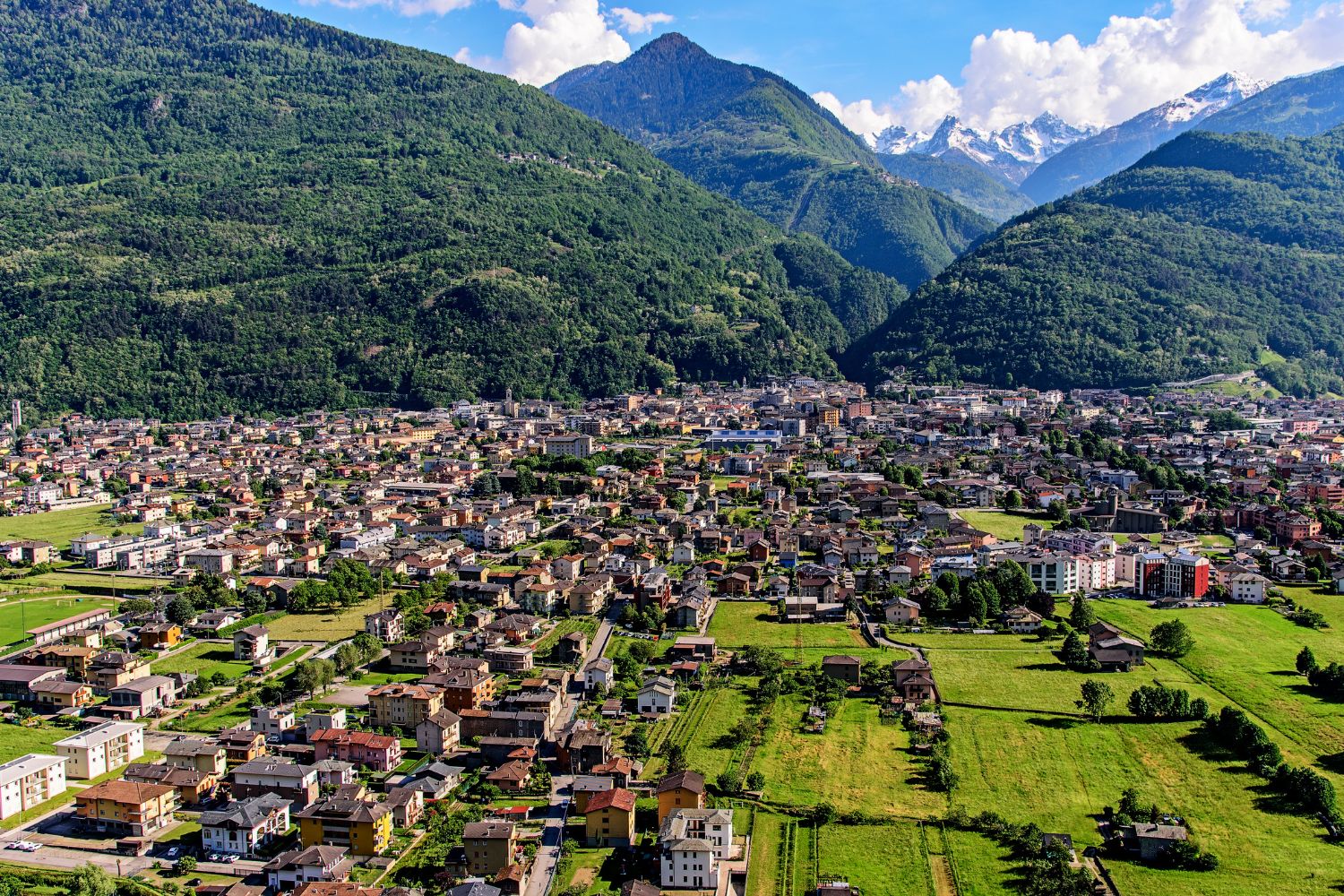
There is a vertical Italy, carved into the rock and designed by rows of vines that defy gravity, where the mountain is not just a backdrop but a way of life. Traveling in Valtellina means crossing a constellation of historic villages that house Renaissance palaces, masterpieces of hydraulic engineering and gastronomic traditions born from peasant ingenuity. To fully discover the most authentic soul of the province of Sondrio we followed a four-stage itinerary to discover magnificent villages between the valley bottoms and Alpine peaks.
Morbegno: the baroque elegance of Lower Valtellina
Our journey begins in Morbegno, strategically located between Lake Como and the Orobie Alps. Entering the heart of the historic center through Vicolo Colombo, you come across a large arched door bearing the words “Deposito Birra Spluga”. This place, which once housed the kegs, commemorates the famous local brewery founded in Valchiavenna in 1820. Under Austrian domination, master brewers exploited the crotti for the maturation of malt, giving life to the first bottom-fermented brewery in Italy.
@RebeccaManzi/GreenMe
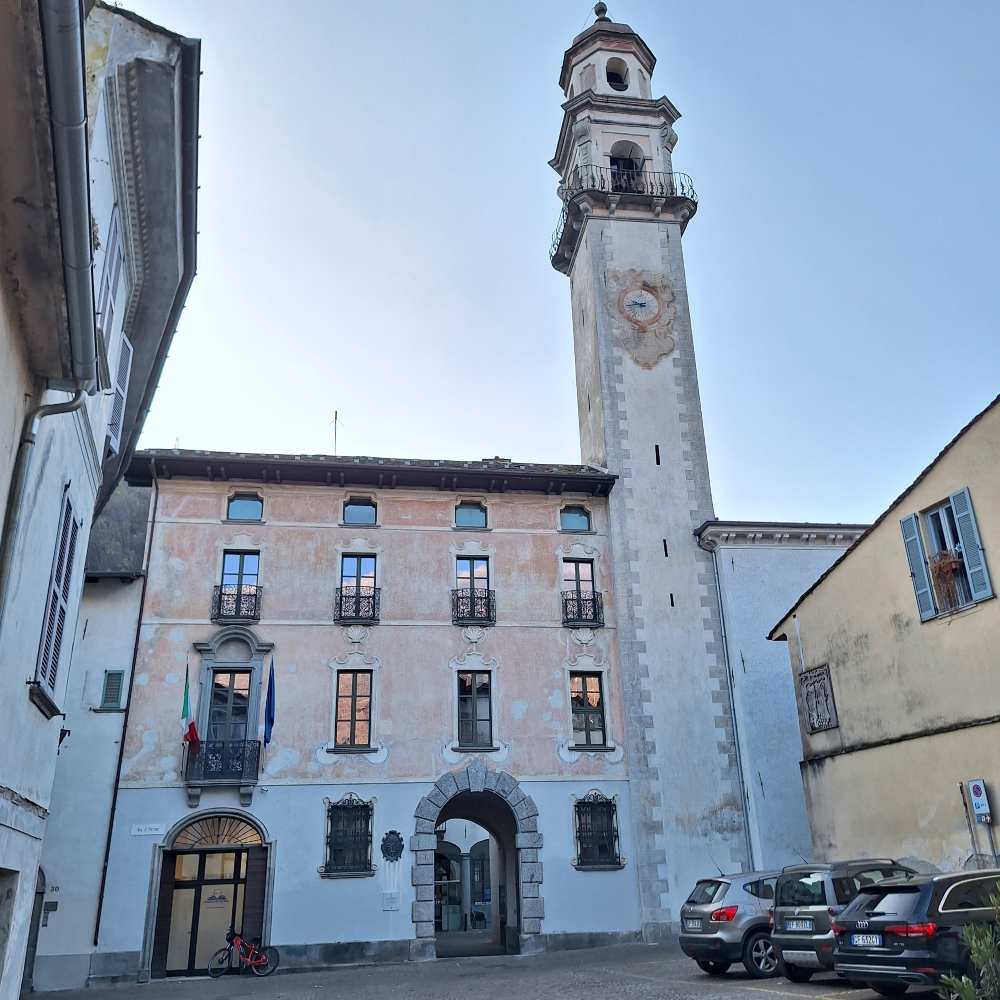
A little further on you reach Piazza San Pietro, a small and almost hidden square that houses the Morbegno Town Hall. The municipal offices are housed inside the fifteenth-century house of the Castelli di Sannazzaro family, renovated in the eighteenth century with a pastel-coloured façade, geometric patterned bas-reliefs and a small wrought iron balcony.
@RebeccaManzi/GreenMe
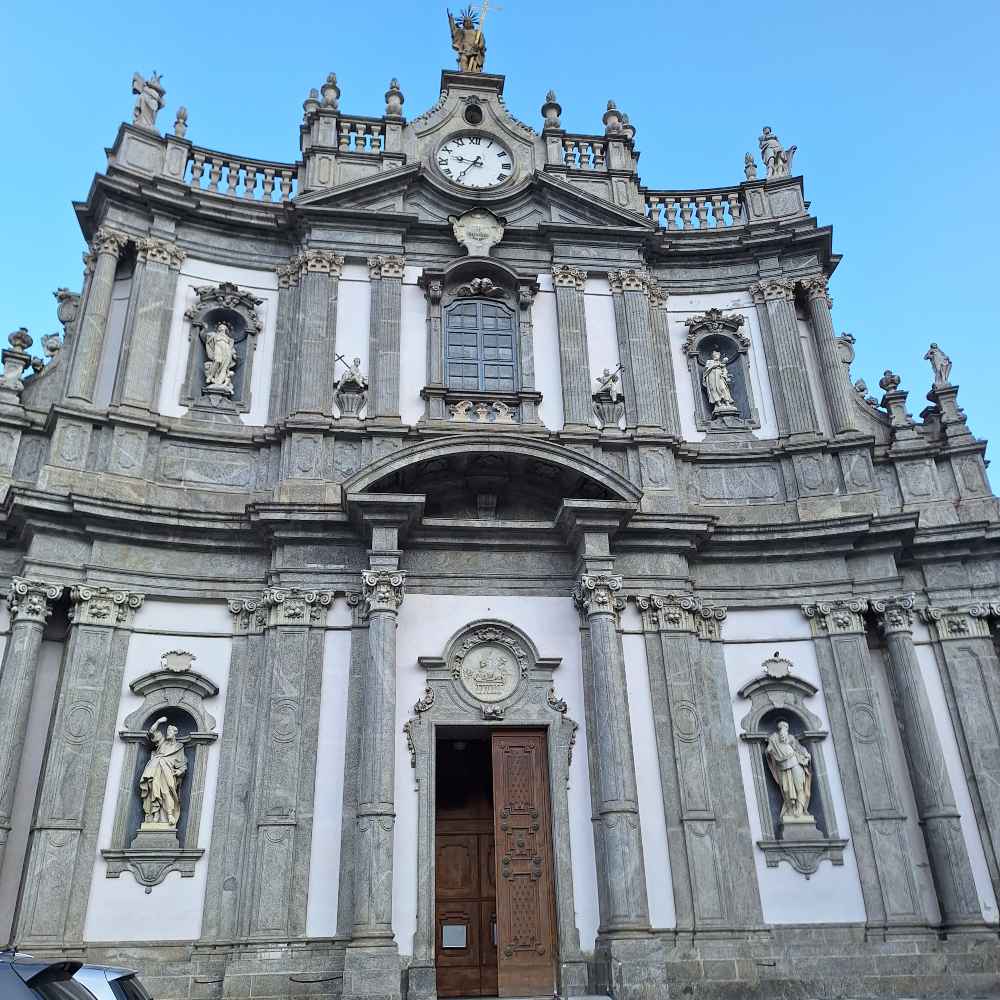
However, the true monumental fulcrum of the center is the Collegiate Church of San Giovanni Battista, the largest church in the village and the most important example of Baroque style in the whole of Valtellina. Built starting in 1680, its impressive curved and concave façade is decorated with nine statues, gray stone columns and an upper balustrade with a clock. The interior reveals itself to be a rich eighteenth-century Lombard art gallery, embellished with thirty-six oval paintings, a frescoed apse and a canvas The Madonna and Child with Saint Philip (1740) by Giambattista Pittoni. Inside are kept the body of Blessed Andrea Grego da Peschiera, the remains of Santa Costanza and a reliquary of the Holy Thorn.
@RebeccaManzi/GreenMe
Chiuro: the cradle of great red wines and leaders
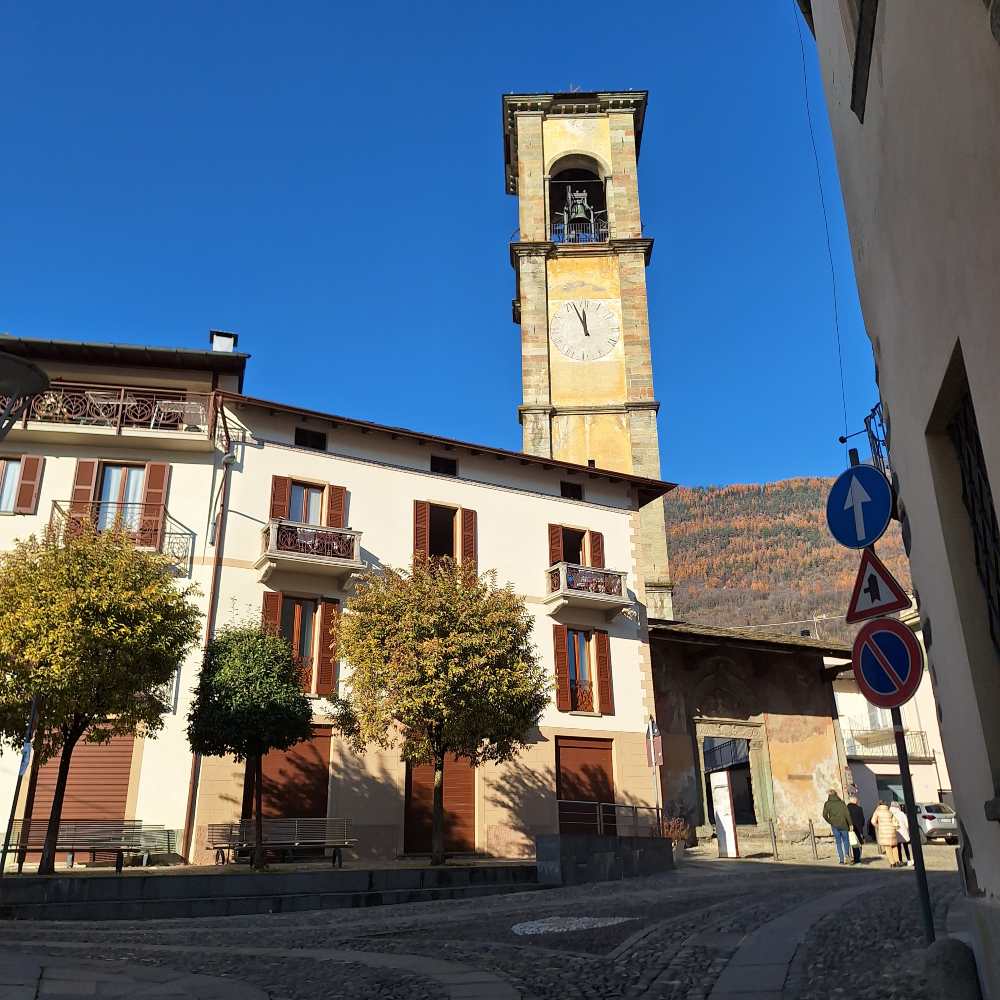
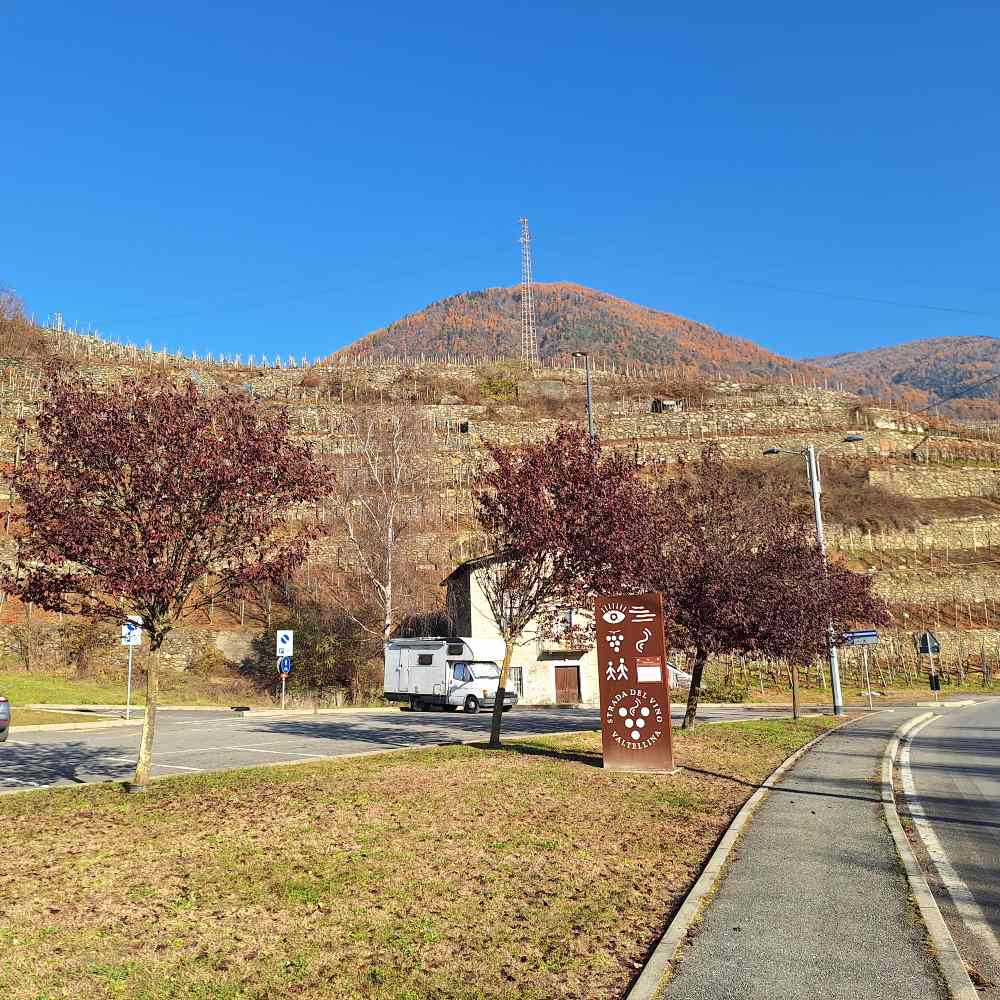
We then moved to the Middle Valtellina, on the Rhaetian shore, where we encountered Chiuro, a village where history is inextricably intertwined with heroic viticulture. The origins of the town are thousands of years old, as evidenced by the Eneolithic steles found in the hamlet of Castionetto. The historic center is an open-air museum: the Church of Saints Giacomo and Andrea amazes with the stuccos by Agostino Silva, while the adjacent Portico dei Disciplini displays frescoes by Cipriano Valorsa.
@RebeccaManzi/GreenMe
Chiuro is also an example of vernacular engineering thanks to the Us’cére, a system of mobile gates to divert rainwater. Today the village is the soul of Valtellina wine production, celebrated in September with the Grappolo d’Oro event, and offers privileged access to the Via dei Terrazzamenti, the cycle/pedestrian itinerary that crosses the historic vineyards.
@RebeccaManzi/GreenMe
Tirano: border crossroads and departure of the Red Train
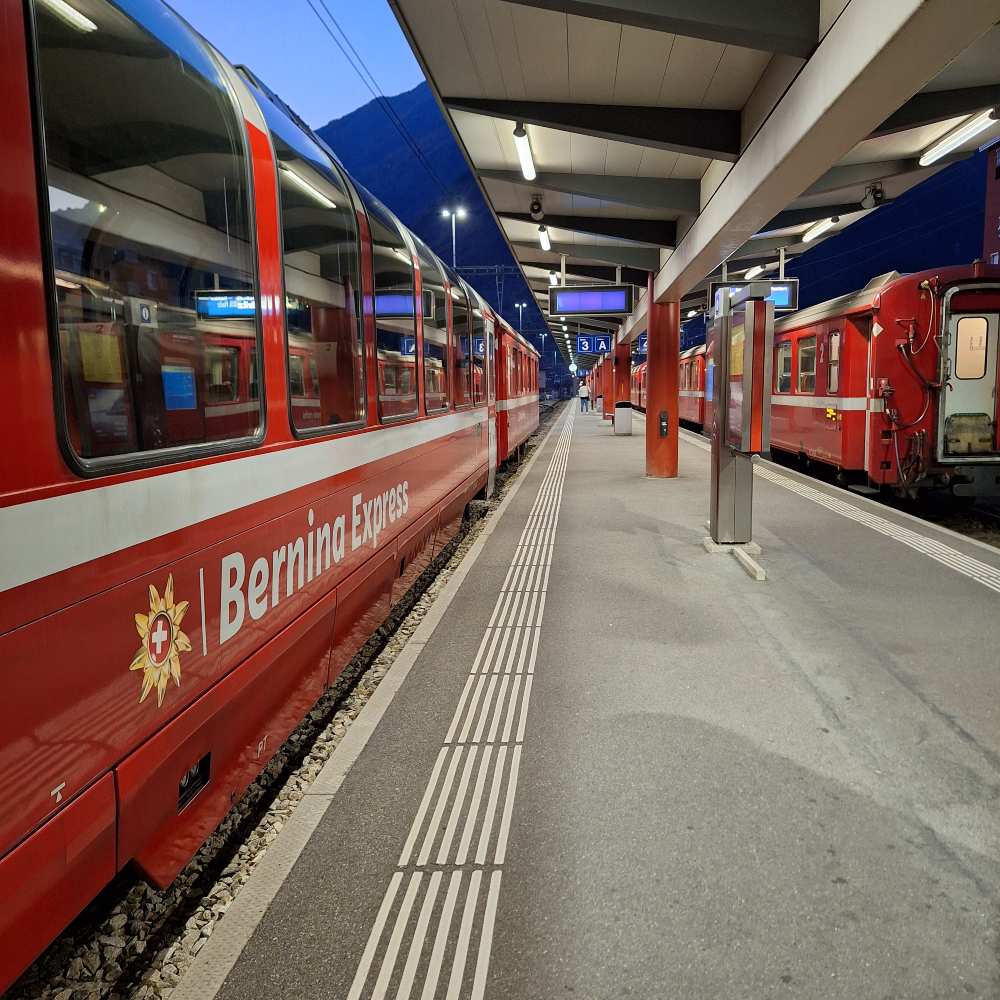
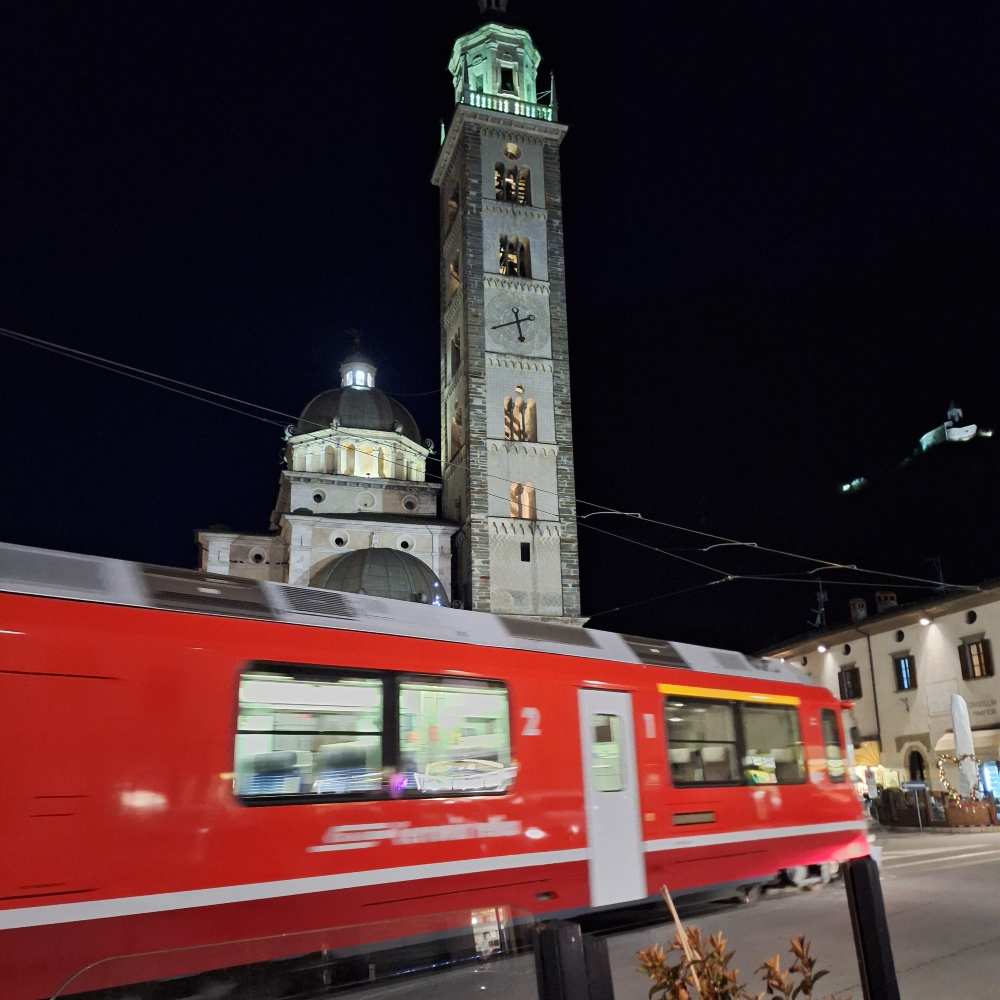
Continuing east you reach Tirano, a lively border town located at 441 meters above sea level, a meeting point between Italy and Switzerland. Here the adventure is tinged with red: Tirano is in fact the departure station of the famous Bernina Red Train, the UNESCO heritage panoramic railway that crosses the Alps to St. Moritz. The station itself is a unique architectural node, characterized by a dual gauge and an elegant Art Nouveau building.
@RebeccaManzi/GreenMe
@RebeccaManzi/GreenMe
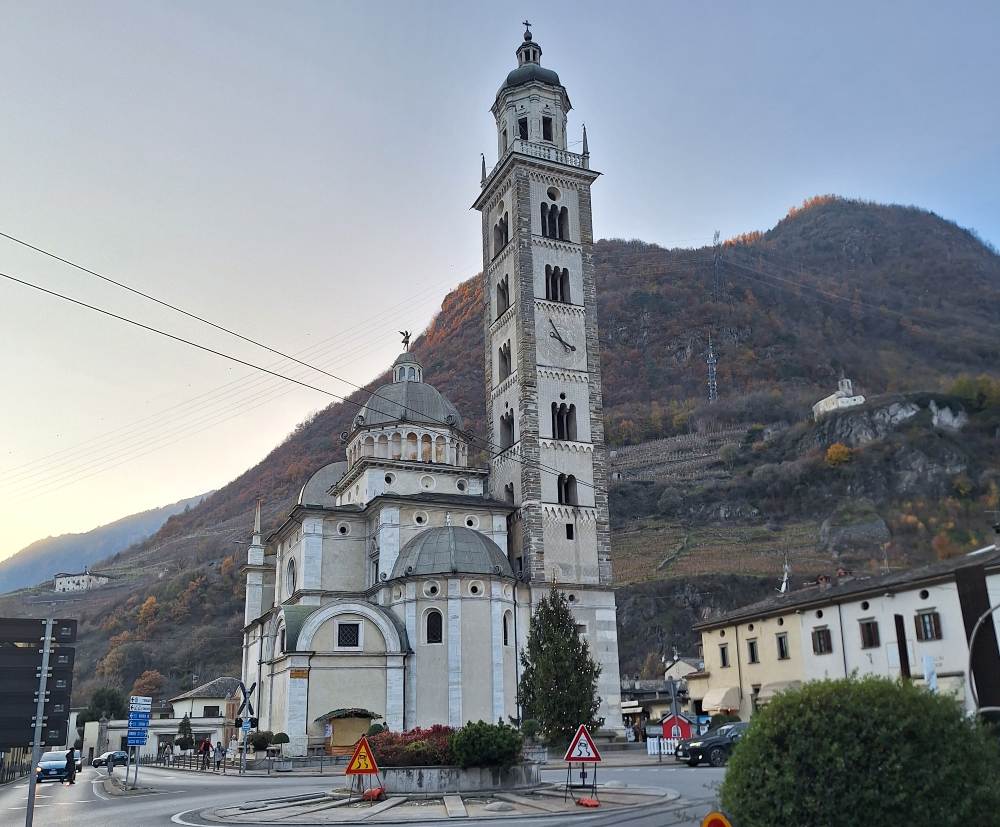
But Tirano deserves a prolonged stop well beyond the railway. In the heart of the city stands the Sanctuary of the Madonna of Tirano, the most important religious building in the province, built after the Marian apparition of 1504 to the Blessed Mario Omodei. The basilica square hosts the Tiranese Ethnographic Museum, while the gaze is captured, just above the village, by the medieval xenodochio of Santa Perpetua. The historic center is enclosed by the remains of the ancient Sforza walls with the three historic gates (Bormina, Milanese and Poschiavina) and develops among sumptuous house-museums such as Palazzo Salis and Palazzo d’Oro Lambertenghi.
@RebeccaManzi/GreenMe
Ponte in Valtellina: the village surrounded by apple orchards and telescopes
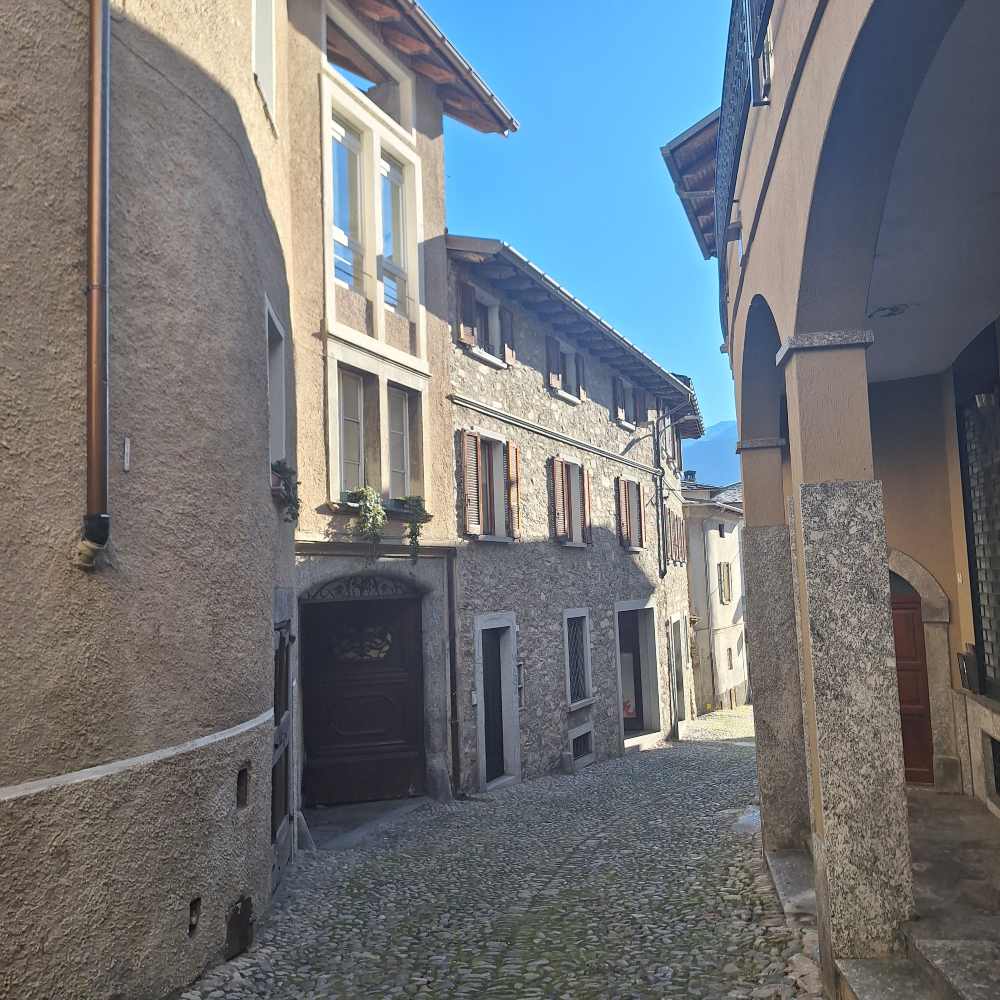
Our journey ends in Ponte in Valtellina, perched on the Rhaetian slopes and immersed in an expanse of apple orchards. Mentioned as early as 918 as “Vico Ponte”, the town boasts a glorious cultural and scientific past: in fact, the astronomer Giuseppe Piazzi was born here, discoverer of the dwarf planet Ceres, to whom the modern city Astronomical Observatory is dedicated today. The historic center is a pearl of stone, rustic courtyards and sculpted portals, animated every spring by the Ponte in Fiore festival.
@RebeccaManzi/GreenMe
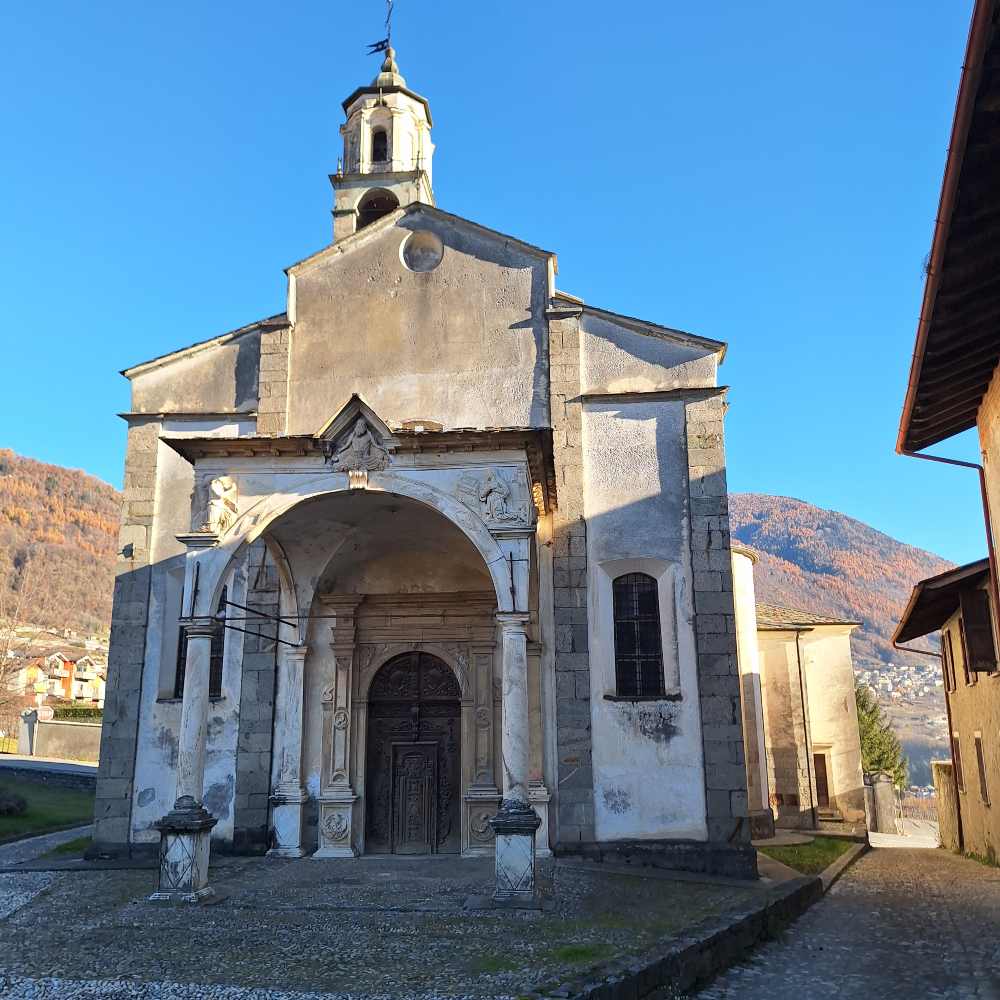
The Church of San Maurizio dominates the village and houses 15th century frescoes and an altarpiece by Giacomo Del Maino, while the 17th century Church of Sant’Ignazio is decorated with Baroque paintings by Cesare Ligari. Outside the centre, the Sanctuary of the Madonna di Campagna protects a rare working Renaissance organ. Rural memory is instead preserved in the Ethnographic Museum of Rural Civilization, set up in the former prisons. Before leaving the village, a walk along the panoramic Via Sant’Ignazio allows you to admire the Murunè, a centuries-old mulberry tree protected as a plant monument, symbol of the profound bond between the local community and its land.
@RebeccaManzi/GreenMe
