
The large European capitals continue to deal with mass tourism. However, there is another Europe that can be discovered more calmly, especially after August, when flows decrease and destinations find their rhythm again, and Poland is one of these.
If Krakow and Gdansk remain the best-known gateways, you just need to move a few dozen kilometers away to find cities where craftsmanship is still a part of daily life, mines transformed into cultural routes, villages immersed in the woods and workshops open to visitors. A trip that is also suitable for September and October, when the climate is still pleasant and you can visit these areas without the pressure of the high season.
Krosno: the town where glass is worked
In the south-east of Poland, near the border with Slovakia, Krosno is a destination that rarely appears on the most popular itineraries. Yet it is known for its glassmaking tradition. At the Glass Heritage Center you can observe master glassmakers at work and take part in workshops to understand how a blown glass object is created. The city is also a good starting point for visiting the Bieszczady National Park, one of the least frequented natural areas in the country.
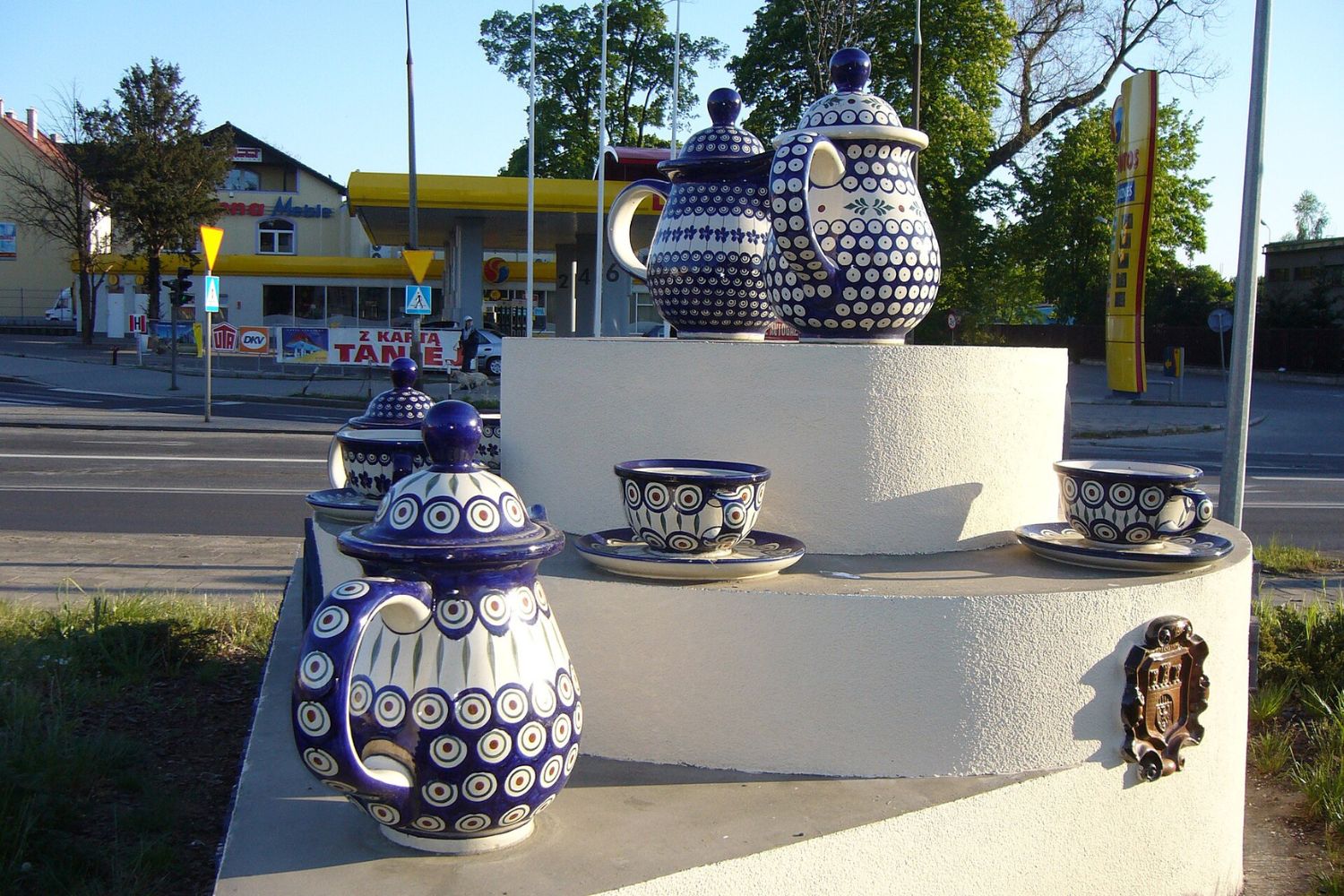
Bolesławiec: the capital of ceramics
@wikipedia
In Lower Silesia, Bolesławiec is famous for hand-decorated pottery with traditional blue motifs. The factories organize guided tours and workshops that allow you to follow all the processing phases, from modeling the clay to the final decoration.
It is a destination suitable for those who love slow tourism and want to dedicate a few days to a region still little known by international tourism.
The mines that tell the history of Poland
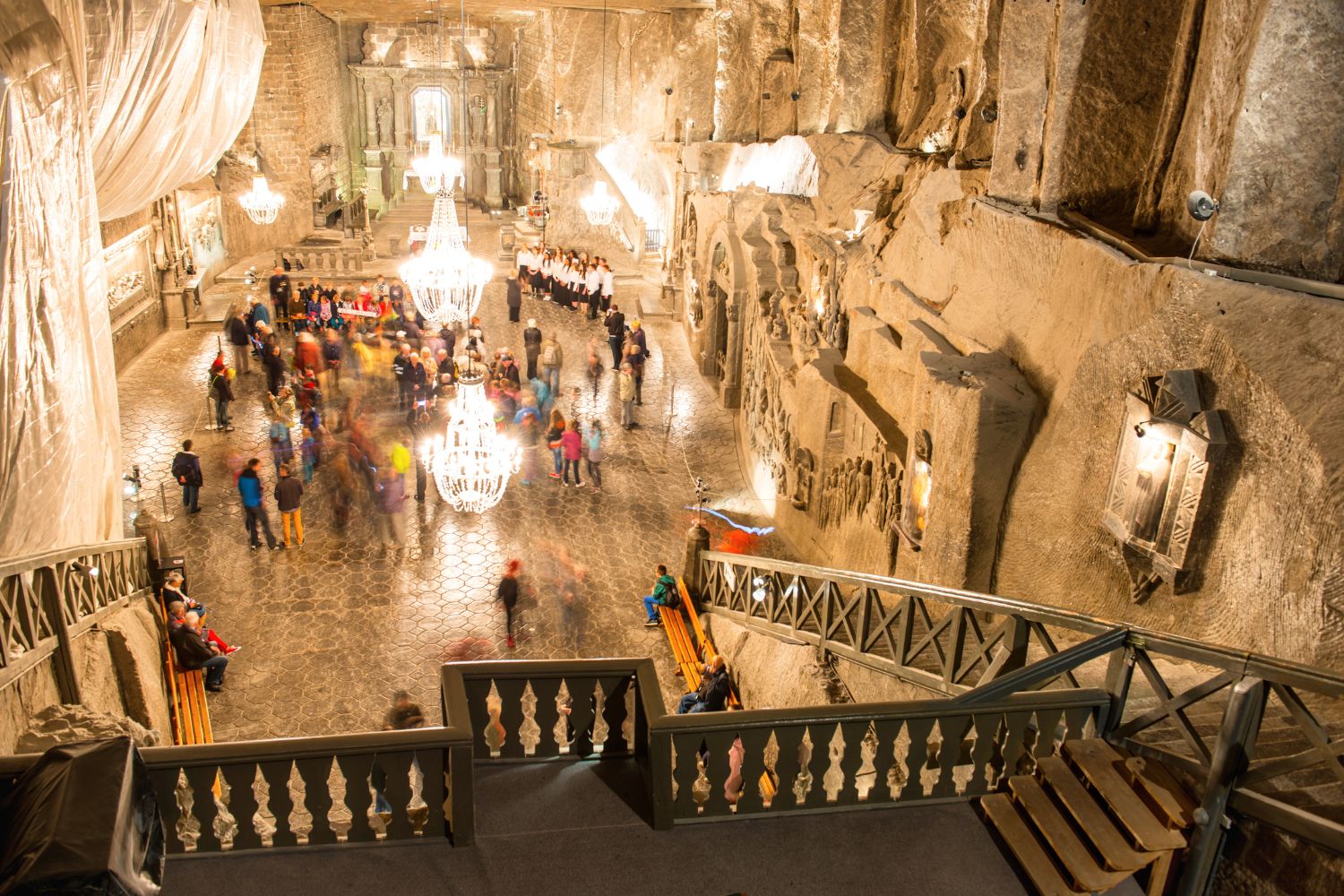
Many know the Wieliczka Salt Mine, near Krakow, but Poland’s mining heritage goes much further. In Złoty Stok you enter ancient tunnels dedicated to gold mining, while in Tarnowskie Góry, a UNESCO site, part of the visit takes place by boat along the underground canals built by the miners.
Two stops that allow you to get to know an important page of the country’s industrial history, far from the most crowded circuits.
The Carpathians and wooden churches
Among the mountains of the south-east there are some of the most beautiful wooden churches in Europe, included in the UNESCO World Heritage List. Built without metal nails and surrounded by woods and small villages, they tell of an architectural tradition that has been preserved over the centuries. Visiting this area also means crossing towns where wood carving continues to be practiced in local workshops.
Gdansk and the amber road
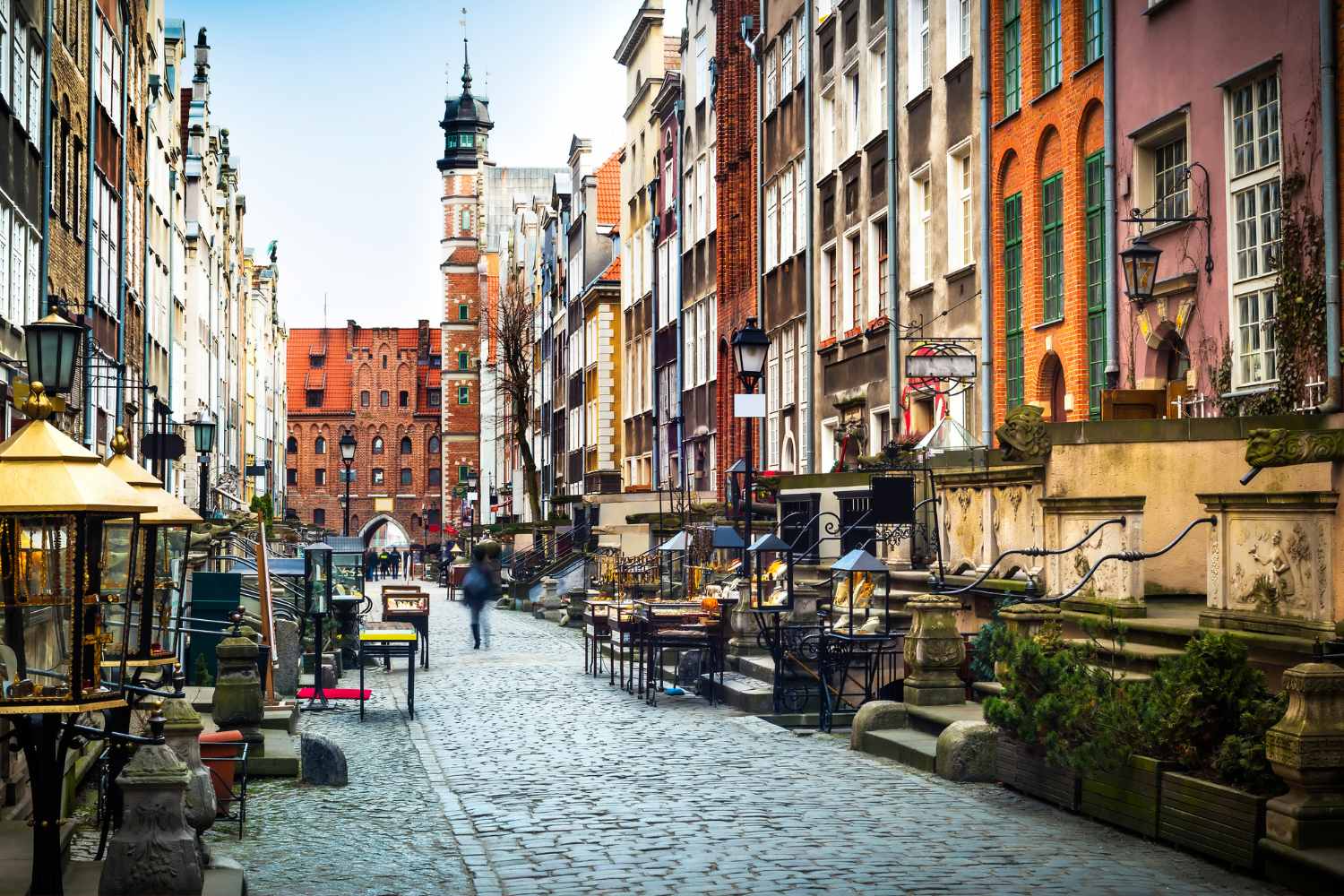
Even a city known as Gdansk can become the starting point for a different trip. After visiting the Amber Museum and the shops of the historic centre, it is worth moving along the Baltic coast, where smaller towns allow you to discover the tradition linked to fossil resin without the crowds of the summer months.
Podlasie, between linen and popular traditions
@wikipedia
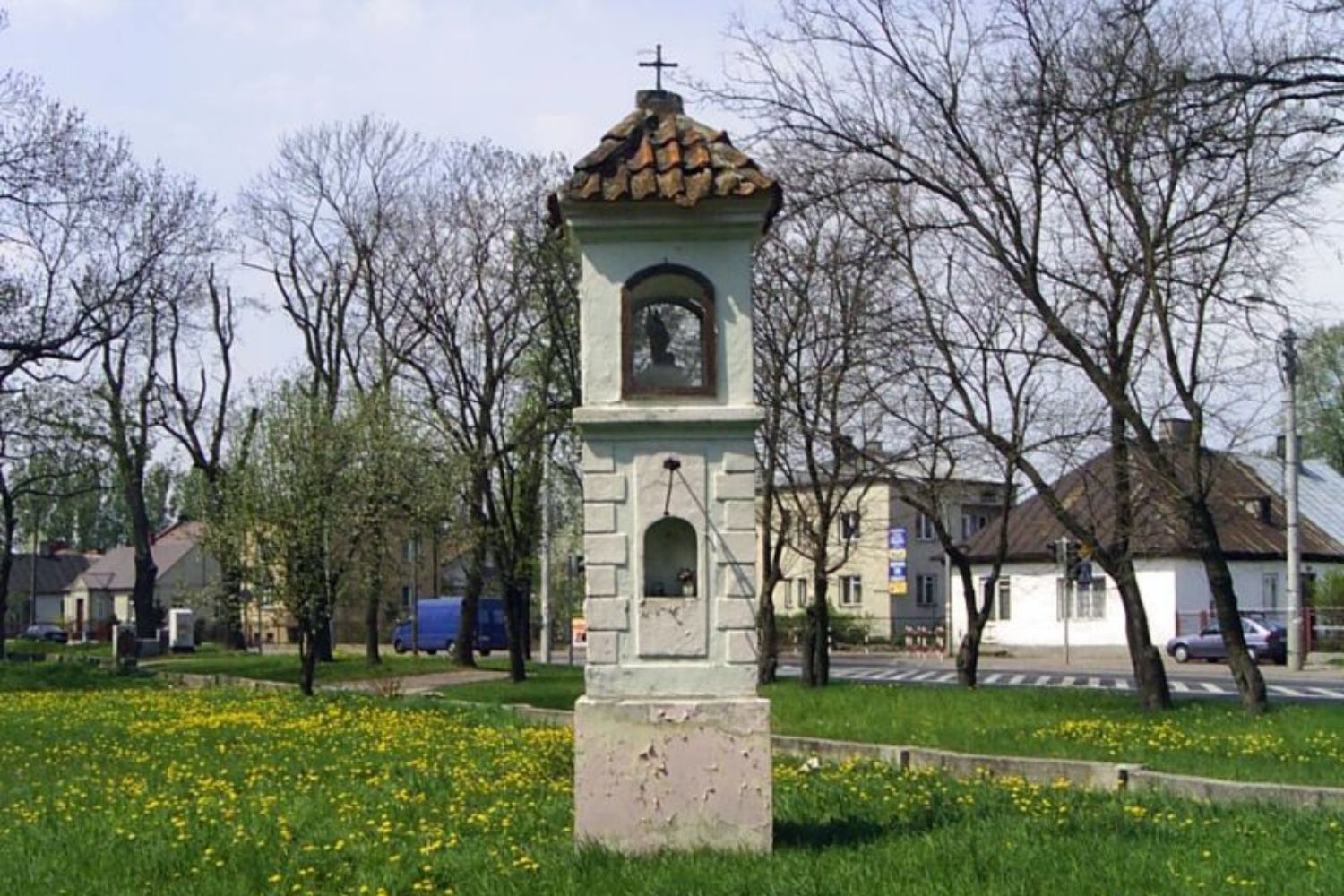
In eastern Poland, tourism is still proceeding at a slow pace. Linen is grown here and ancient weaving and embroidery techniques survive, while in the town of Łowicz the traditional colored paper decorations and the famous embroideries that identify Polish folklore continue to be made.
They are places where it is worth stopping for a few days, visiting the shops and learning about a cultural heritage that continues to live on thanks to the local communities.
A destination to consider even after August
September and early autumn are among the best times to explore these areas of Poland. The temperatures remain mild, the paths and historic centers are less crowded and you can enjoy experiences such as visits to artisan workshops, mining sites and small villages with greater tranquility.
For those who are planning a late summer holiday and want to avoid the most congested destinations, these itineraries show a side of Poland that is still little known, where the journey passes through people, professions and territories rather than through postcard attractions.
