
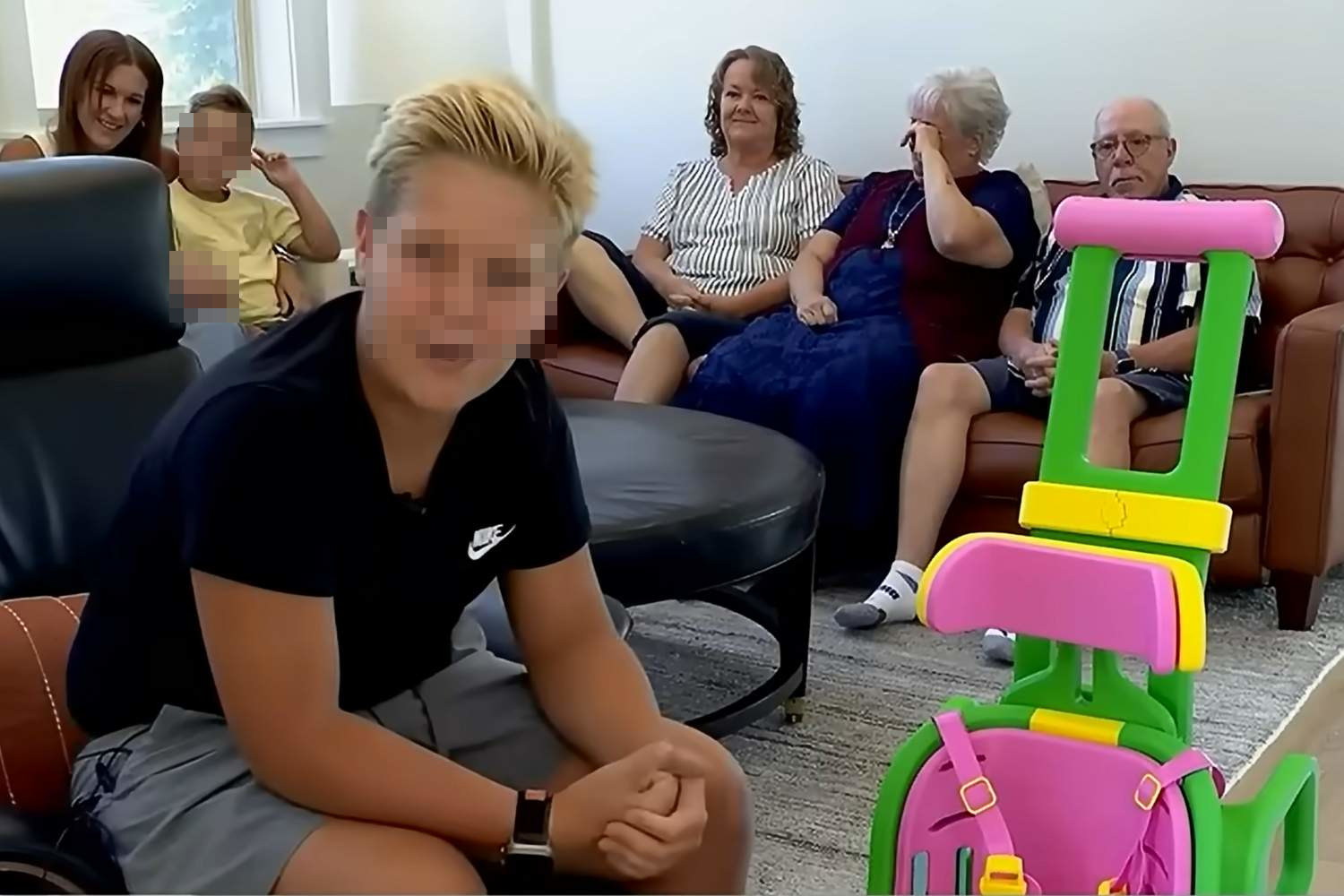
In Lehi, Utah, the summer holidays of Zac Waters, a 13-year-old boy, have taken a completely unusual turn compared to his peers. Fascinated by the potential of 3D printing after discovering the material through a series of videos on YouTube, Zac chose to channel his technological passion towards a charitable goal. Through the platform of the non-profit organization MakeGood, the young man identified a targeted project and decided to create a personalized medical device for a disabled 21-month-old girl.
The commitment required approximately 300 hours of continuous work between the phases of computerized design, machinery calibration, safety testing and final assembly of the components. The MakeGood Association, led by founder and president Noam Platt, shares free open-source models of assistive technology called Toddler Mobility Trainers (TMT), allowing volunteer makers around the world to produce custom-made medical devices at no cost to the recipients’ families. For Zac Waters, the manual assembly phase represented the most rewarding point of the entire production process, combining interest in technology with concrete support for others.
The technical characteristics of the customized device
The structure of the customized wheelchair has been engineered to guarantee stability, comfort and maximum adaptability to the little patient’s body. The frame integrates chromatic details in pink, the little girl’s favorite colour, enriched by finishing elements in yellow and green. From a functional point of view, the device is equipped with a removable tray table, an integrated cup holder and adjustable safety straps made of soft and flexible material to prevent chafing.
The rear section of the backrest has been reinforced and shaped specifically to accommodate and equip heavy medical equipment, essential for the minor’s daily life support. Additionally, to prevent the device from becoming unusable with cell growth, the adjustable footrest and adaptable headrest allow the chair to change its size over time, ensuring long operational durability.
Family support and MakeGood’s future prospects
The success of the project was supported by the boy’s family unit, which Zac Waters compared to the protective edges of a bowling alley for their ability to guide and refine his every idea. Proud of the milestone achieved, grandmother Charlotte Waters highlighted how the young man’s character and determination have overcome the limits linked to his young age, leaving a concrete mark in the community.
Excited by the feedback received and the smile of the family upon delivery, Zac expressed his desire to further refine his skills in the field of additive manufacturing. The boy’s long-term goal is to pursue a career in the technical field, continuing to collaborate with the MakeGood network to develop technological aids accessible to an ever-increasing number of people in need.
