
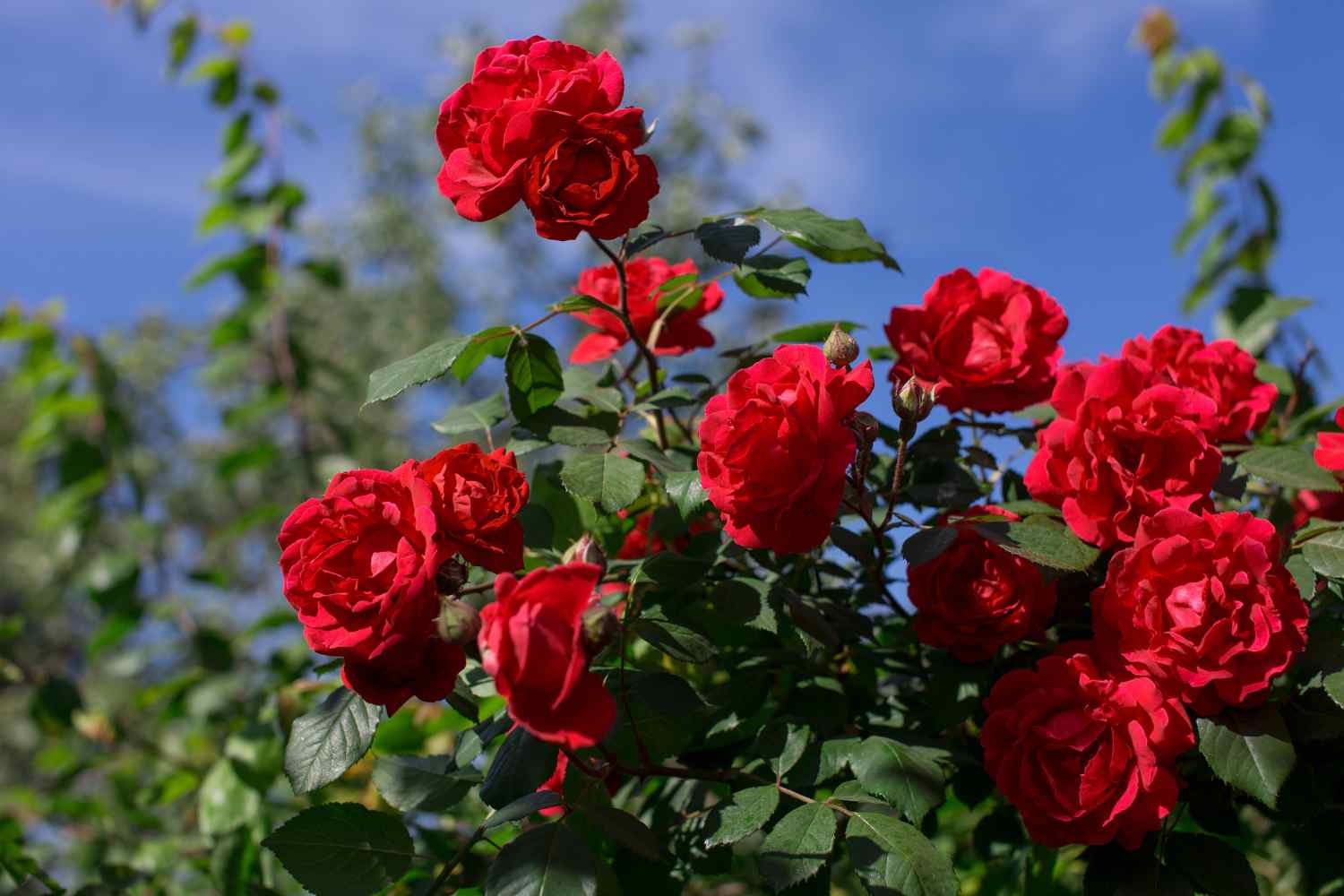
Roses, a symbol of beauty and elegance in gardens, are unfortunately subject to fungal diseases, especially during autumn, when the humid and cool climate favors the proliferation of harmful spores. If not adequately protected, these plants can suffer from diseases such as black spot and downy mildew, which can compromise their health and ability to withstand the rigors of winter. Fortunately, there is a simple but extremely effective gardening practice to prevent these problems: mulching.
Because roses are vulnerable to fungal diseases in autumn
Roses are plants with a “high demand” for nutrients. When soil is low in nutrients, roses become stressed, becoming more susceptible to fungal diseases. Furthermore, autumn is the time when the risk of fungal infections increases, as spores develop easily in damp and wet environments. Plants not yet fully prepared for the cold can weaken and not withstand harsh weather conditions, becoming a breeding ground for pathogens.
Mulching: a natural and fundamental remedy
A simple but extremely effective action to protect roses during the colder months is mulching. This protective layer of organic material provides a natural barrier against moisture and fungal spores. It works by insulating the soil, reducing erosion and preventing the dispersion of excess humidity which favors the proliferation of fungi. Furthermore, mulching helps maintain constant soil temperatures, improving root health and keeping the soil more fertile and rich in beneficial microorganisms.
When and how to apply mulch to roses
The ideal time to mulch roses is towards the end of November, when the plants begin to enter dormancy. This intervention is particularly important before the intense cold of winter arrives. Before proceeding, it is essential to prepare the soil by removing dead leaves, weeds and any other decaying material that could harbor diseases. Once cleaned, the mulch can be applied, taking care to distribute an even layer around the plant, but leaving a space around the stem to prevent accumulated moisture from causing rot. Among the best materials to use for mulching are straw, wood chips, mature manure and even dry leaves, which however must first be dried and shredded to encourage decomposition.
The benefits of mulching
Mulching not only protects roses from fungal diseases, but also helps improve soil quality by encouraging the growth of beneficial microorganisms that strengthen the plants’ root systems. This practice helps to ensure greater resistance of roses to adverse climatic conditions and, consequently, to encourage more vigorous and healthy flowering in the following season.
Mulching is a simple, but extremely effective technique for protecting roses during the fall and winter. This intervention, if done correctly, will guarantee optimal protection against fungal diseases, keeping the plants healthy and strong to face the most difficult seasons. Don’t underestimate the importance of this step: a small gesture now will ensure a thriving, flowering garden in the months to come.
