
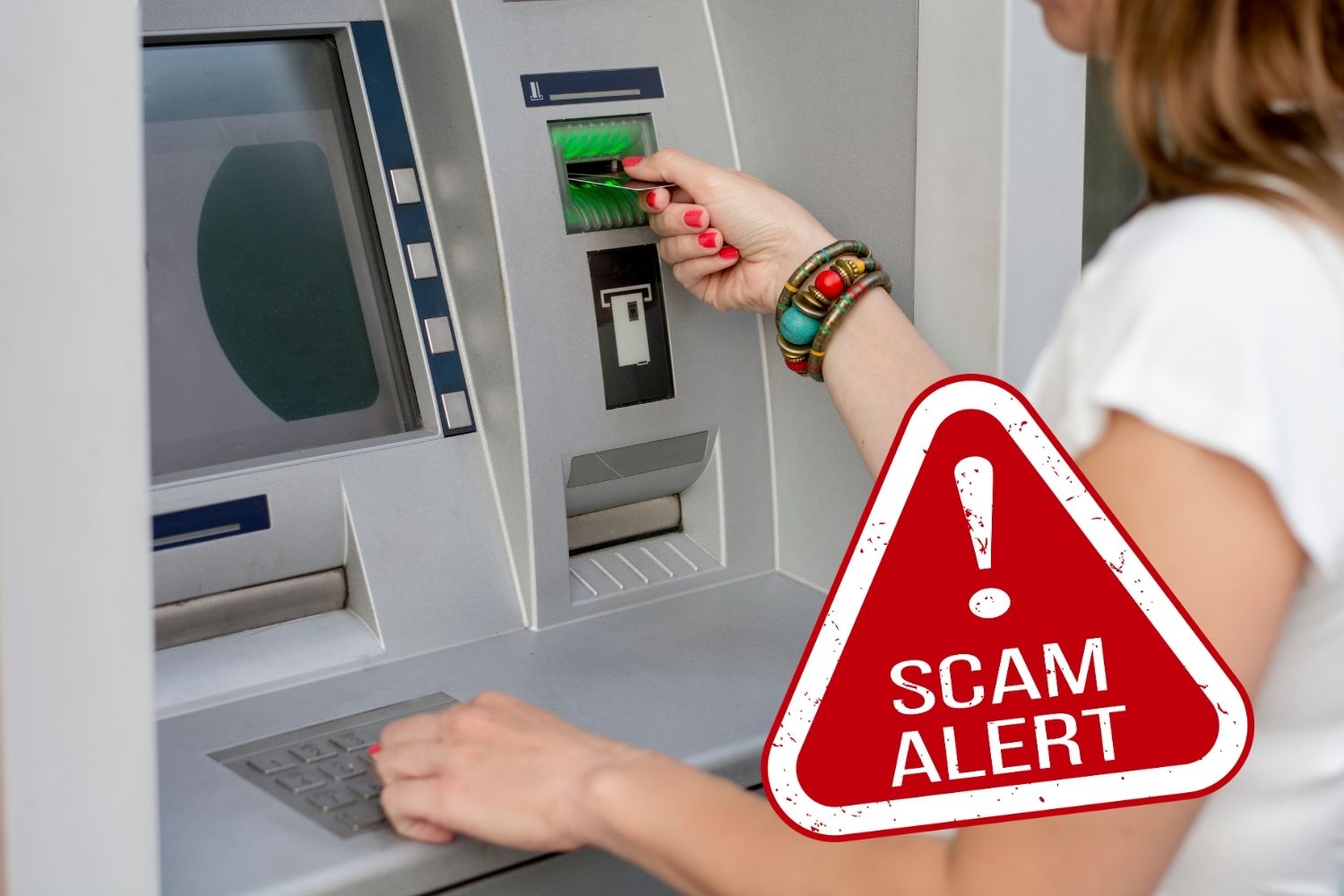
The ATM confirms the withdrawal, the account is debited and, however, nothing comes out of the slot. It is the moment in which cash trapping works best, i.e. the moment in which the customer, convinced of a failure, leaves to return to the bank the next day.
The facts
On Tuesday 1 September, in the afternoon, the Carabinieri of the Rome La Storta station intervened in via Marino Dalmonte, in the town of Cesano, after a report received at 112. A metal plate had been applied to the dispenser of an ATM, with the aim of retaining 50 euros just withdrawn by a customer of the credit institution. The military stopped the suspect, a 49-year-old Roman already known to the police, seriously suspected of attempted aggravated theft. Subsequent investigations identified him as responsible for two other similar incidents recently committed in the same area, for which he was reported to the judicial authorities. He was subjected to house arrest, awaiting the immediate trial. The proceeding is in the preliminary investigation phase and, as specified in the same press release from the Carabinieri, the suspect must be considered innocent until a possible final conviction.
This is not an isolated episode, given that just a few days earlier an almost identical case, in the Tor di Quinto area, had ended differently. A 49-year-old foreign customer, while withdrawing from an ATM at the post office in Viale di Tor di Quinto, noticed that the dispensing slot was blocked by an object. Immediately afterwards, a man and a woman arrived and, under the threat of a pair of scissors, stole the money he had just taken from him, fleeing on foot. The Carabinieri of the Rome Ponte Milvio station intercepted them and blocked them a short distance away: they are a 49-year-old and a 55-year-old, both Italian and already known to the police, seriously suspected of robbery.
How the trap works
The principle is simpler than the English name suggests. A plate is applied to the slot from which the banknotes exit which physically blocks their exit. For the bank, the operation is still completed, because the customer enters the amount and sees the withdrawal confirmation on the screen, even if the money does not appear. At that point, whoever tampered with the counter simply waits for the customer to leave before returning, removing the device and recovering the trapped banknotes. There is no need to clone a card or know the PIN, the weak point exploited is entirely psychological. Faced with an ATM that doesn’t seem to be working, instinct almost always leads you to move elsewhere or go to a branch, giving the fraudsters the time they need.
A growing phenomenon in Europe
The numbers tell of a phenomenon that is anything but episodic. According to the payment terminal fraud report published in April 2026 by the European Association for Secure Transactions (EAST), cash trapping attacks recorded in Europe in 2024 more than doubled compared to the previous year: from 4,795 to 9,811 cases, an increase of 105%. In the same period, card trapping also grew (+66%, a device blocks the card in the reader and then recovers it after the customer leaves), transaction reversal fraud (+367%, tampering that makes an operation that was actually successful appear to have failed, resulting in both the cash and the refund) and relay attacks (+505%, the chip data is intercepted and retransmitted in real time to clone the transaction on another branch), while the overall economic losses are fell to 71 million euros, down 59% compared to 173 million in 2023, especially due to the contraction of classic skimming (cloning of the magnetic stripe or chip via an overlay reader, often combined with a microcamera for the PIN). For criminals, the convenience is obvious, because older techniques such as skimming require technical skills and longer preparation times, while cash trapping, on the contrary, limits itself to intercepting authentic transactions, carried out by real customers.
How to defend yourself
The recommendations always remain the same. Before inserting the paper, it is worth looking at the door: glue residues, overlapping plates or components that seem out of place are alarm signs. It is better to prefer ATMs located in manned and illuminated places, avoiding isolated ones, especially in the evening and on holidays. If the account is debited but the banknotes do not come out, the most important rule would be not to move away from the counter, because remaining there prevents the fraudster from recovering the trapped money. It is best to immediately contact your bank and, if necessary, 112, avoid forcing the slot with objects that risk damaging the machine and altering the evidence, and document the incident by photographing both the screen and the dispenser.
