
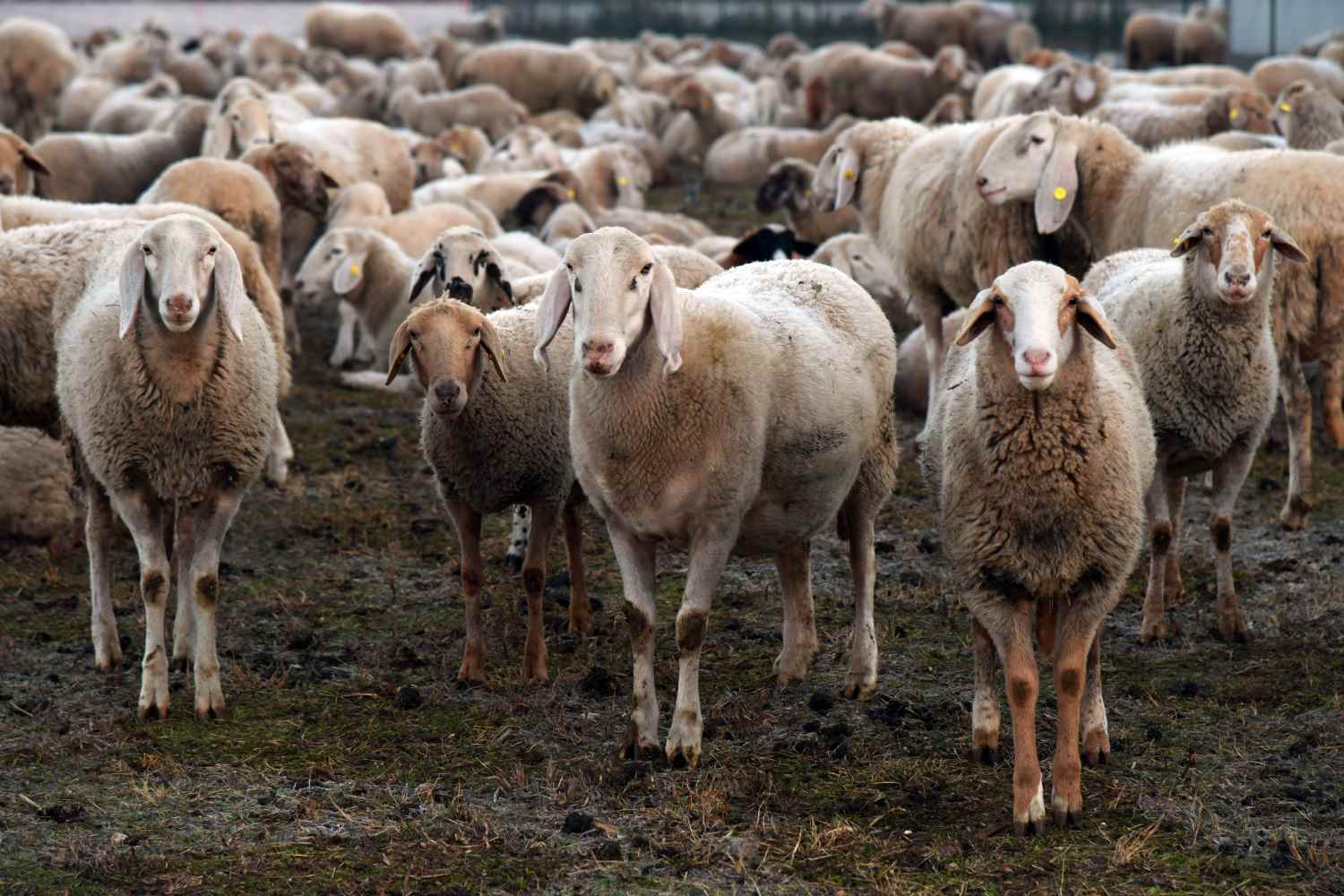
A ceramic capsule as long as a finger and weighing 52 grams is transforming the pastures of Veneto into a real bureaucratic and healthcare battlefield. Rio Levis, president of the Italian Farmers Confederation of Belluno, has launched a very harsh cry of alarm against the regional legislation which imposes the use of ruminal bolus for the traceability of sheep and goats, killing up to 35% of the animals.
Risks to animal health
This system involves the forced oral insertion of a cylindrical microchip destined to settle forever in the reticulum, the fourth stomach of the ruminant. Unlike the classic simple or electronic ear tag that many breeders clamor for, the hard capsule is causing a trail of dramatic biological consequences.
The testimonies collected among the shepherds of Valbelluna speak clearly and describe a daily war bulletin: animals that suffocate instantly during the insertion procedure carried out by authorized veterinarians, animals that regurgitate the device after a few days or lambs that suffer a clear slowdown in growth due to the functional alteration of the rumen. Dairy livestock farming, which represents 80-90% of the Belluno agricultural economy, thus finds itself on its knees amidst increasing costs, difficulties linked to transhumance and the abolition of the old regional exemptions which allowed the choice of microchipping under the skin or in the ear.
The institutional investigation and the rifts between Regions on the safety of the microchip
While the Veneto CIA, through its director Maurizio Antonini, loudly calls for the reinstatement of the exemptions and the Federation of Trentino breeders with its president Giacomo Broch vigorously defends the effectiveness of the system by equating it to microchips for dogs and horses, national politics moves to shed light on the matter. Senator Luca De Carlo, president of the competent commission, immediately contacted the Ministry of Health to verify the real extent of the phenomenon, confirming that the Veneto Region has adopted this line of traceability to protect the supply chain from illicit activities.
On the other hand, regional councilor Silvia Calligaro has started timely checks to ascertain whether the mass death reported by farmers is a systemic or isolated problem, while the veterinary services continue to maintain the absence of official critical issues. The fact remains that for hundreds of shepherds forced to deal with the new directives, the future of Alpine sheep farming appears increasingly at risk between bureaucratic impositions and the desperate defense of animal welfare.
