
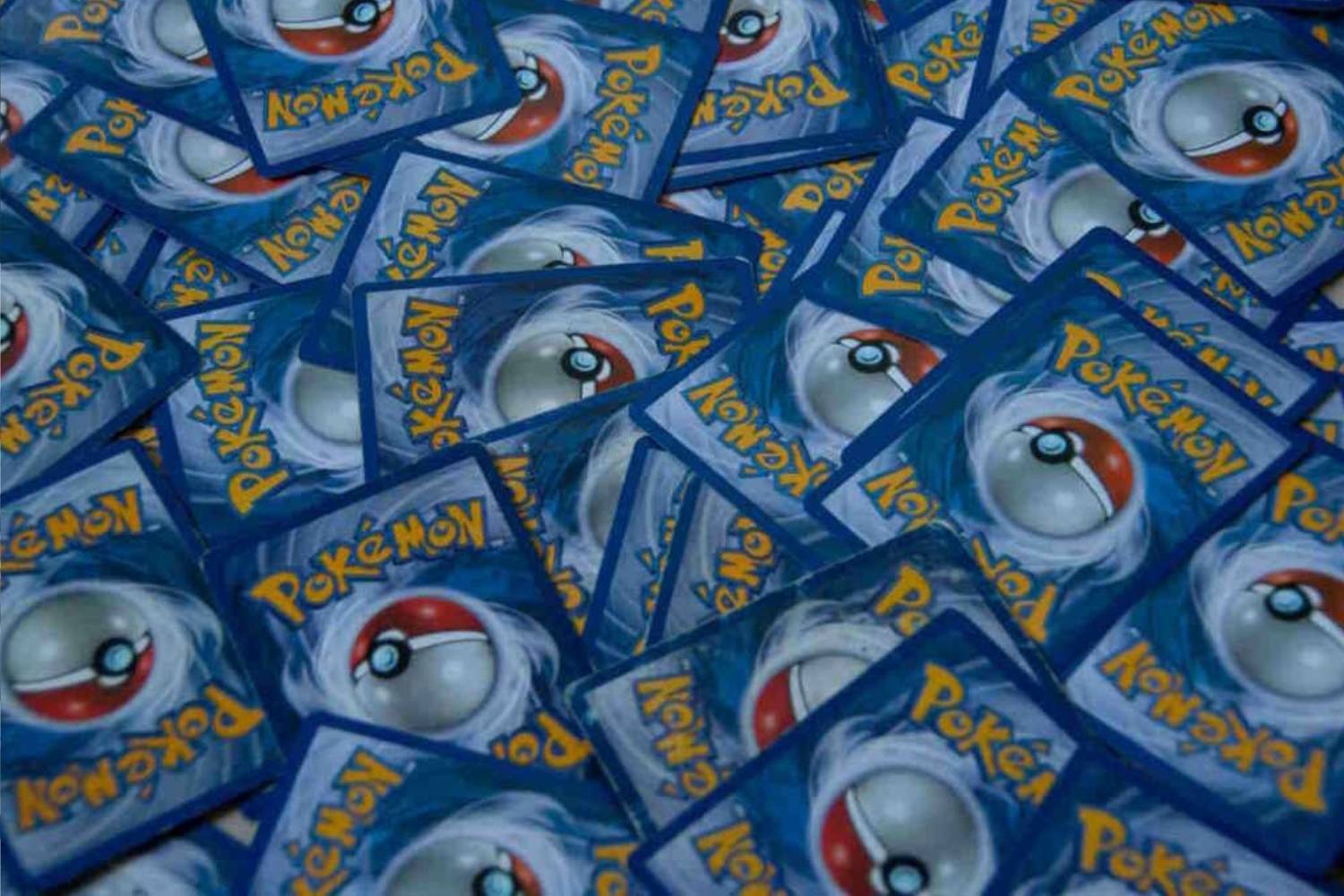
Sixteen and a half million dollars for a card measuring eleven by eight centimeters, printed twenty-eight years ago as a prize for a drawing competition organized by a Japanese magazine. Put like that, it seems madness, the point is that for the Pokémon-branded collectibles market today, it is simply the market price.
A turnover of 9 billion dollars
The phenomenon now has dimensions that are difficult to dismiss as a passing fad. According to an analysis reported by the Financial Times, based on data from the Chase Society platform, the overall turnover of Pokémon cards is now around 9 billion dollars, with the United States acting as the leading market and a diffusion that now affects Japan and Europe equally. A franchise born in 1996 as a children’s game which, thirty years later, behaves like a financial asset in all respects, with the notable difference that it does not produce dividends.
Because a card is worth millions
The reasons that the data suggest are more than one, and they are intertwined. First of all there is the nostalgia effect, reserved for those who exchanged sachets in the schoolyard in the 1990s and who are now over 30 or 40 and have an income to invest in what they consider, literally, a piece of their childhood. Then there is scarcity, the same logic that regulates the market for fine wines or vintage watches: the rarer and more well-preserved an example is, the more the appetite of those looking for it grows. And there is the far from marginal role of the web, which has transformed a niche hobby into a global exchange, as in the case of Jordan Dunne, a 34-year-old English collector, who left his job to dedicate himself full time to buying and selling cards, going so far as to found a company that this year could have a turnover of around 4 million pounds.
The record: the Pikachu Illustrator
At the top of this pyramid sits only one card. On February 16, 2026, the Goldin auction house sold a Pikachu Illustrator with PSA 10 classification (the only one in the world to have received the maximum degree of conservation) for 16,492,000 dollars, as certified by Guinness World Records. The seller was Logan Paul, who purchased it in 2021 for 5.275 million: in less than five years the value has more than tripled. The winner was AJ Scaramucci, son of former White House communications director Anthony Scaramucci, and the final price also set the all-time record for any trading card sold at auction, surpassing the 12.9 million paid a year earlier for a Michael Jordan and Kobe Bryant card.
@loganpaul/instagram
The Pikachu Illustrator, as I said in this article, was designed by Atsuko Nishida, the original creator of Pikachu, and distributed in 1998 only to the winners of an illustration competition on CoroCoro Comic: just around forty examples exist, and Paul’s is the only one judged perfect.
The 30th anniversary expansion
While the secondary market sets record after record, The Pokémon Company International is preparing the chapter that should accompany the thirty-year anniversary of the trading card game. The “30th Anniversary” expansion, available from September 16, 2026, marks a precedent in the history of the GCC, because it is the first release worldwide at the same time, without the delays of weeks or months that until now separated Japan, North America and Europe. Each card in the pack, including the basic energies, normally opaque, will be holographic, and a previously unreleased rarity will debut, the “Futuristic Rare”, signed by the Japanese artist Yoshirotten. Each pack will also contain one of thirty rare cards dedicated to Pikachu, each set in a different time of day, as well as the return of thirty historical cards that bring longtime collectors back.
