
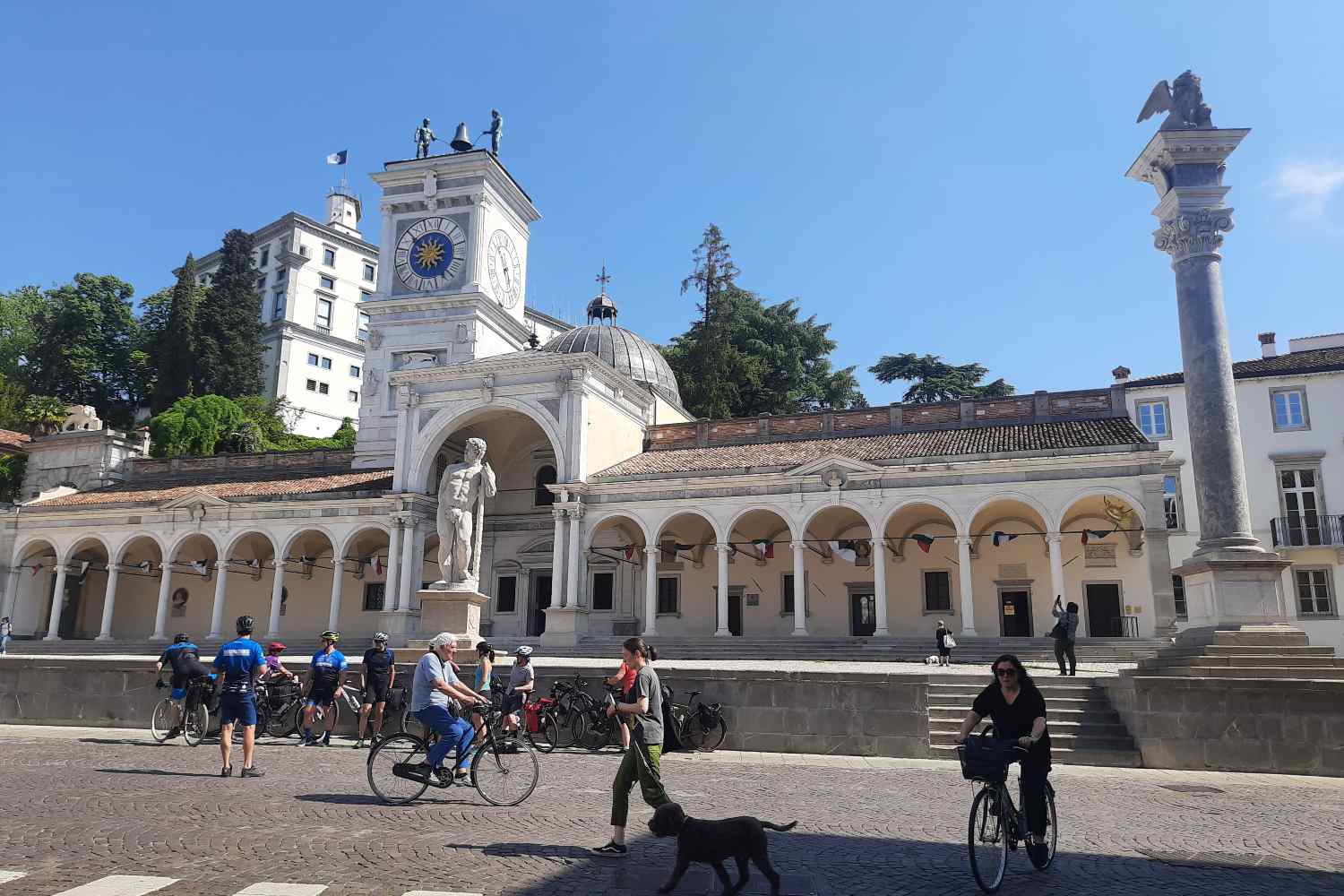
There is an Italy that doesn’t need to shout to be noticed, but calmly waits for someone to discover its authentic grace. Udine belongs exactly to this universe of sober elegance. Far from the most frenetic tourism routes, the city reveals itself with the pride of the Friulian land and a visual refinement that immediately recalls its historical proximity to the Serenissima. Visiting its historic center means immersing yourself in a dimension on a human scale, ideal for walking through monumental squares, Renaissance buildings and fascinating views.
From the majesty of Piazza della Libertà to the panoramic view from the Castle Hill
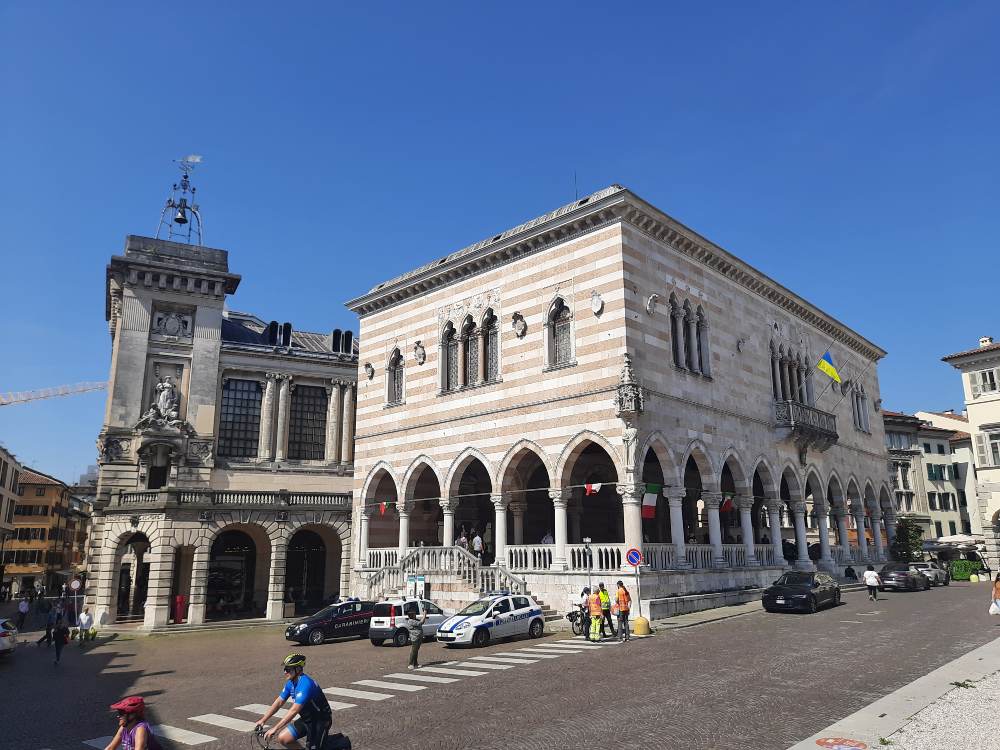
The natural starting point is Piazza della Libertà, considered the most beautiful Venetian-style square on the mainland. Here the Loggia del Lionello displays its pink and white marble arches in a perfect Gothic-Venetian balance, while opposite the Loggia di San Giovanni and the Clock Tower mark the time with the famous Moors striking the hours. Next to it, the Bollani Arch designed by Andrea Palladio and the Lippomano portico introduce the climb towards the city hill.
@RebeccaManzi/GreenMe
@RebeccaManzi/GreenMe
Continuing along the walk we reached the Castle of Udine, a fortress dating back to 1517 which has its roots in an ancient Roman castrum and dominates the plain from 138 meters above sea level. The complex contains the Parliament Hall, the ancient political heart of Friuli, and houses the Civic Museums of Udine. Inside there is the Archaeological Museum with finds from Aquileia, the Gallery of Ancient Art, the Museum of the Risorgimento, the Friulian Museum of Photography and the Gallery of Drawings and Prints. From the large square surrounding the building, the view opens out over the roofs of the center to embrace the Carnic and Julian Alps.
The baroque masterpieces of the Duomo
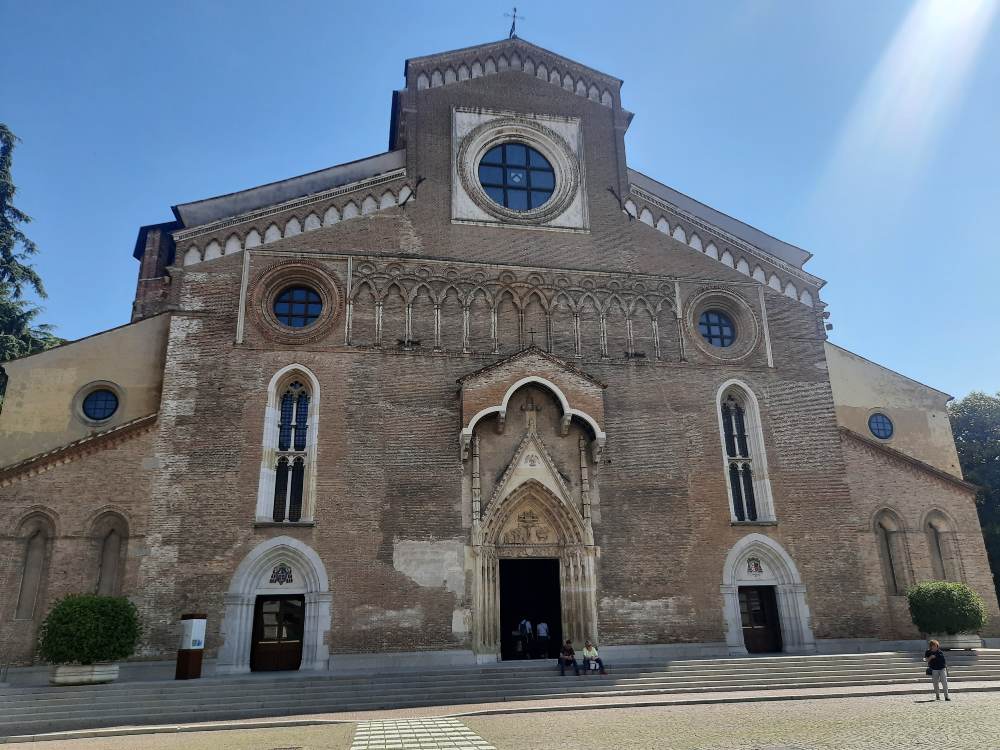
Descending from the hill we entered towards the Piazza del Duomo, dominated by the Cathedral of Santa Maria Annunziata. Built in 1236 by decision of the Patriarch of Aquileia, the cathedral boasts a fourteenth-century exterior enriched by the Portal of the Redemption and an imposing bell tower from 1441 with a free admission museum.
The interior contains a triumph of baroque art signed largely by the painter Giambattista Tiepolo, present with the splendid frescoes of the Chapel of the Blessed Sacrament and the altarpieces dedicated to the Holy Trinity and Saints Ermacora and Fortunato, to which are added the fourteenth-century paintings of the Chapel of San Nicolò. The legacy of the Venetian master continues in the adjacent Oratory of Purity, with its brilliantly colored sacred paintings, and in the Archbishop’s Palace, home to the Diocesan Museum. Here the Tiepolo Galleries house absolute masterpieces of European rococo painting such as The fall of the rebel angels.
@RebeccaManzi/GreenMe
The soul of Piazza Matteotti and shopping among the arcades of via Mercatovecchio
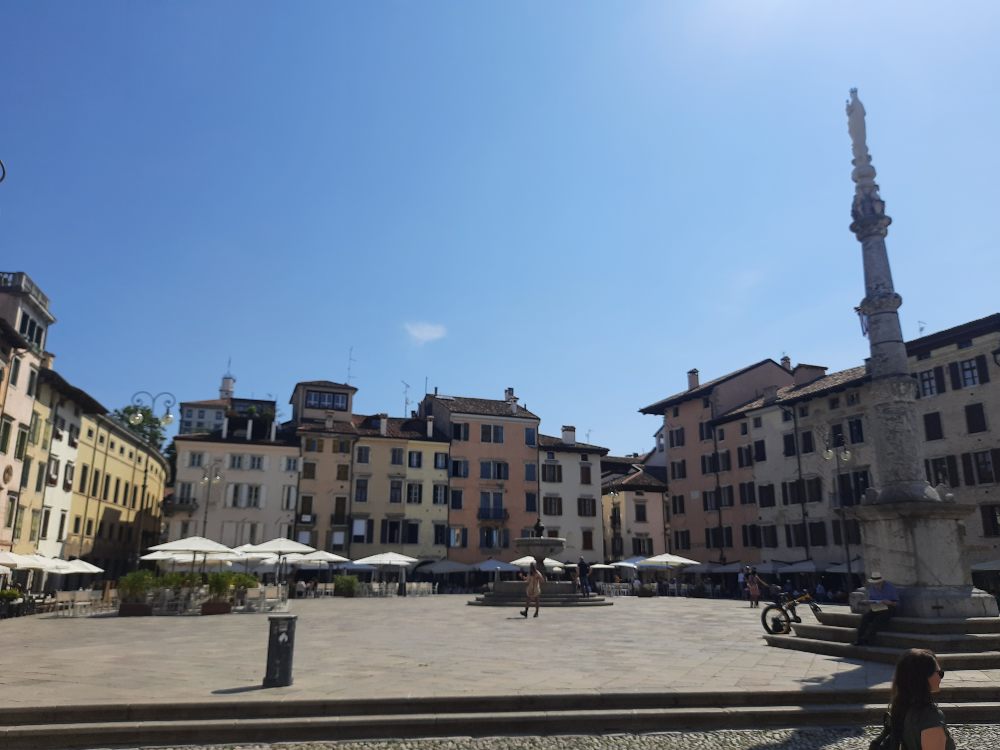
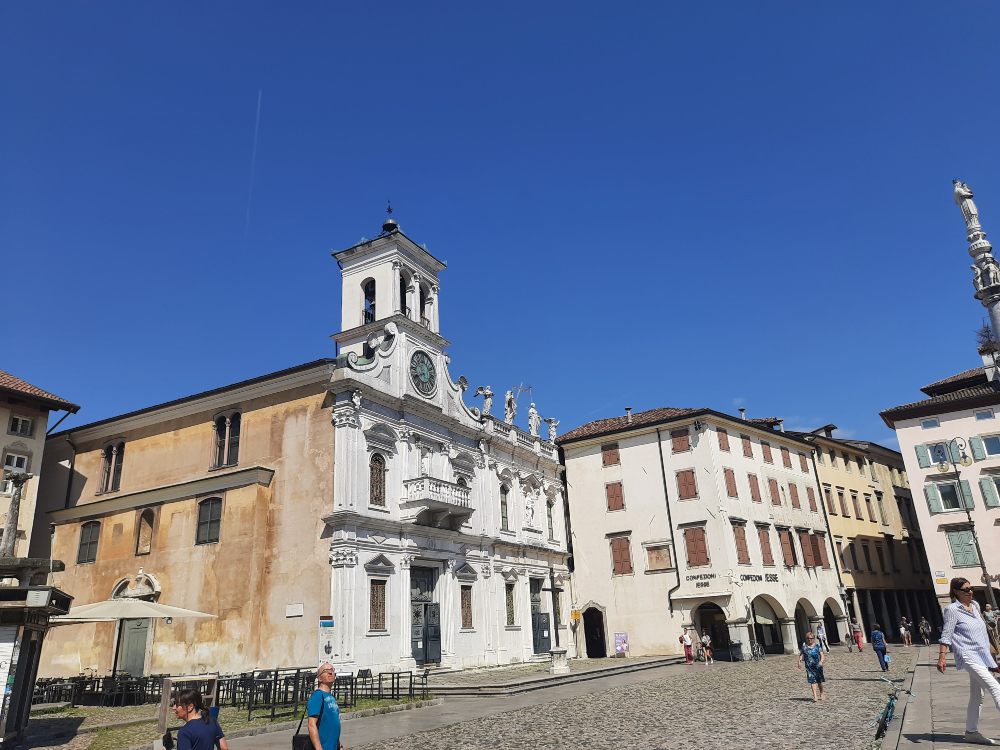
A few minutes’ walk away is the real pulsating living room of the city, Piazza Matteotti, also known as Piazza San Giacomo. Surrounded by brightly colored buildings and protected by large porticoes, this square is home to the Church of San Giacomo with the clock from 1525 and the Giovanni da Udine Fountain from 1543. It is the perfect place to experience authentic local conviviality, between the morning market and the evening ritual of tajthe traditional glass of wine tasted among the historic taverns.
@RebeccaManzi/GreenMe
@RebeccaManzi/GreenMe
Our walk comes to an end along Via Mercatovecchio, the medieval street that traces the ancient defensive moat of the castle. Protected by elegant porticoes and embellished with noble palaces such as the Monte di Pietà with the baroque Chapel of Santa Maria del Monte, the street represents the heart of the city’s shopping among boutiques, bookshops and historic venues.
The imposing memory of the Ossuary Temple of the Fallen of Italy
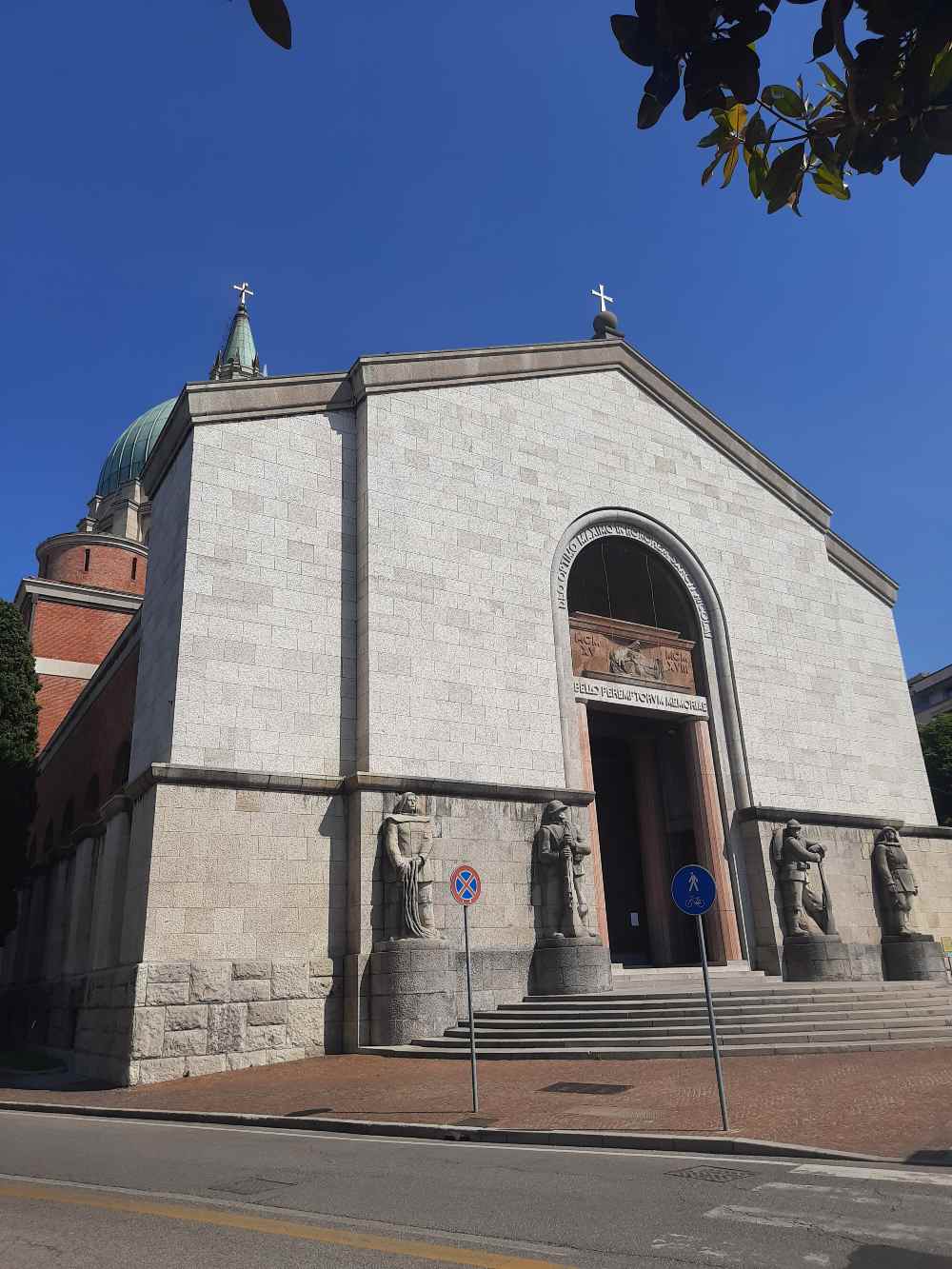
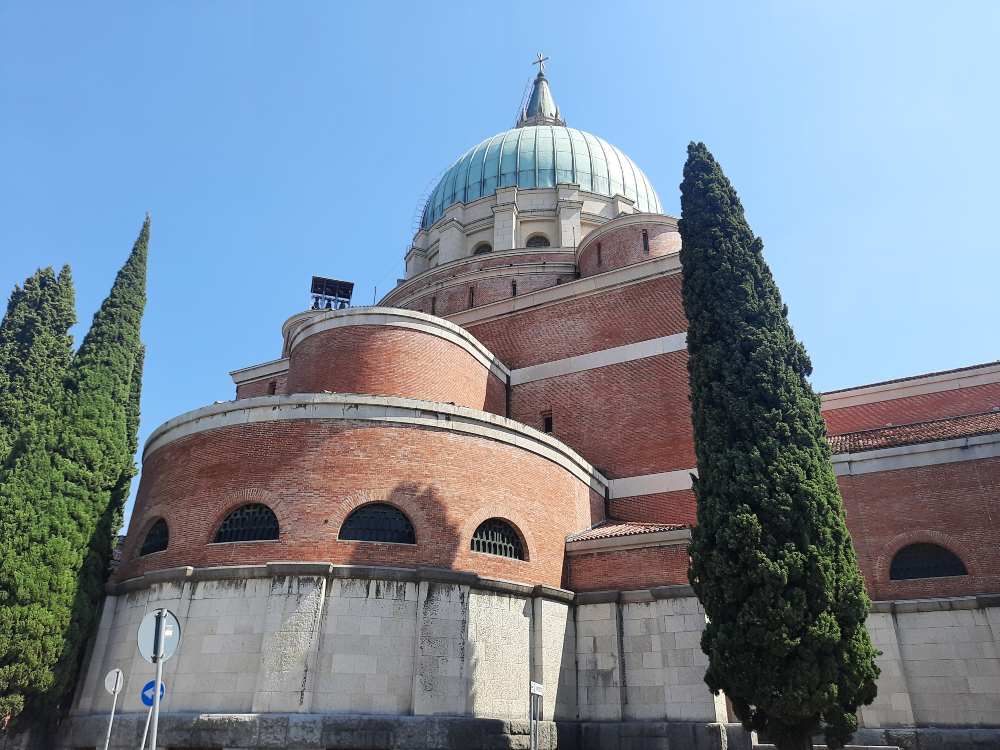
But among the places of profound memory and architectural suggestion that enrich the city’s heritage we could not fail to visit the Ossuary Temple of the Fallen of Italy, located in Piazzale XXVI Luglio. Designed in the 1930s by architects Provino Valle and Alessandro Limongelli, this monumental religious building immediately impresses with its majestic dome, 65 meters high, which dominates the urban skyline.
@RebeccaManzi/GreenMe
The interior houses the remains of over twenty-five thousand Italian soldiers who fell during the First World War on the Julian front and in the Eastern Alps, making it one of the most important military shrines in the entire region. The large naves, the sculptural terracottas and the underground crypts offer visitors a moment of solemn contemplation and great historical value, adding a fundamental piece to the story of Udine’s identity memory which thus confirms itself as a destination capable of surprising with its perfect balance between history, art and daily life.
@RebeccaManzi/GreenMe
