
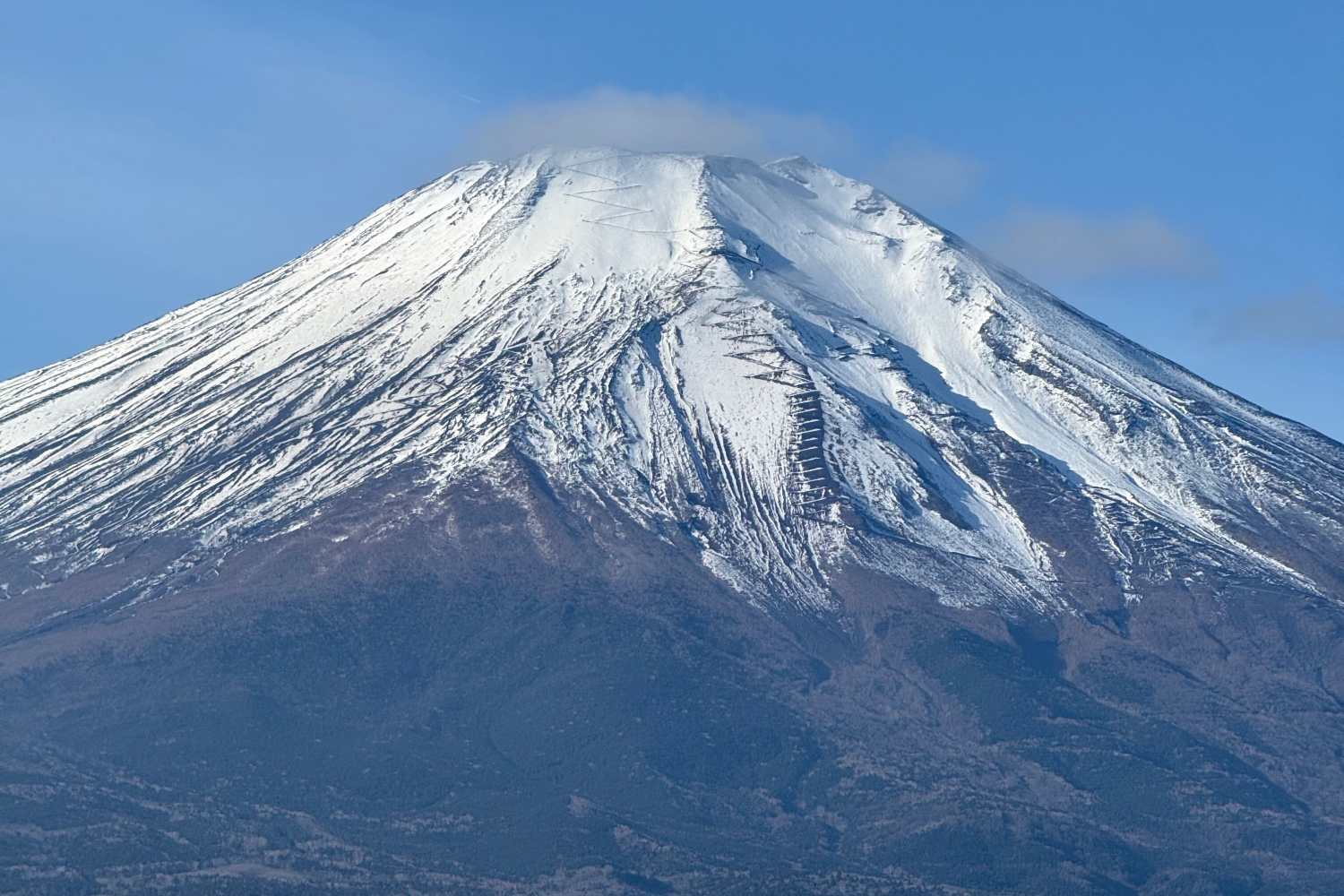
The age-old charm of Mount Fuji in Japan, 3,376 meters high and visited by around 200,000 hikers every year during the official summer season between July and early September, is facing an unprecedented crackdown. Starting next year and with the start of the low season, anyone who attempts to climb the famous Japanese mountain without adequate preparation and requires emergency assistance will have to pay for the helicopter rescue service out of their own pocket.
The restrictive measure was announced by Yamanashi prefecture, which manages the northern slope of the volcano, to stem the alarming phenomenon of improvised and reckless climbers. According to what was reported by the local media and taken up by the authorities, the bill for the aerial intervention will be calculated on out-of-pocket costs, estimated at around 8,000 yen (about 45 euros) for every 5 minutes of helicopter flight, borrowing a similar system already active in the nearby prefecture of Saitama. A necessary measure to combat winter climbing, when environmental conditions become prohibitive with temperatures below -20 degrees and gusts of wind exceeding 108 km/h.
The obligation of the climbing plan and the warning of local institutions
The crackdown is not limited to the introduction of economic tariffs for emergencies, but imposes rigorous planning on anyone who decides to challenge the volcano in the period between the beginning of September and the month of July. The Yamanashi authorities will in fact require the prior presentation of a detailed climbing plan, an indispensable document that will allow climbers equipped with suitable equipment and regularly registered to be exempt from paying for the rescue.
Governor Kotaro Nagasaki has issued a clear appeal for caution, inviting the public to refrain from off-season ascents to seriously reflect on the extreme risks involved in climbing the mountain in winter. Shizuoka prefecture, which governs the southern side, is moving along the same line and has promised severe sanctions for those who violate the rules or enter restricted areas. A drastic change that aims to make tourists responsible, transforming their love for the mountains into an exercise in respect and safety.
