
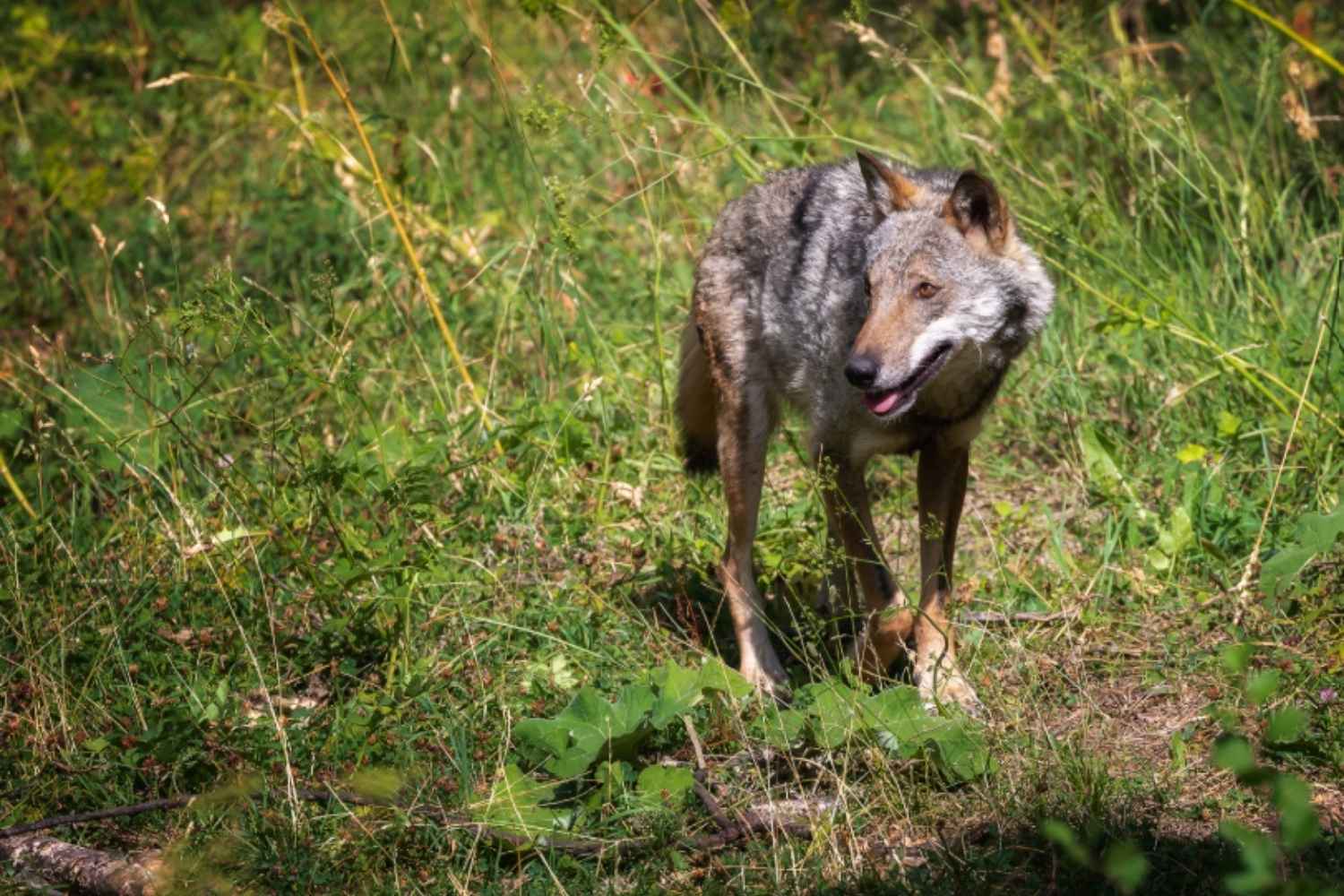
The operations conducted by the inter-institutional Task Force coordinated by the Prefecture of Bari led to a significant turning point in the countryside between Noicattaro and Torre a Mare, where a female wolf was captured in the late evening of Saturday 19 September. The animal, believed to be part of the herd that frequents the area and potentially linked to the episode of the summer attack against a little girl in the Lame area, was intercepted thanks to an impressive 24-hour monitoring effort started last August 5 and based on the combined use of camera traps, drones, inspections and analysis of biological samples.
DNA testing
The president of the Puglia Region, Antonio Decaro, and the regional councilor for Agriculture and Rural Development, Francesco Paolicelli, personally went to the site of the intervention to follow the operations and thank the operators involved in this complex activity. After capture, conducted in full compliance with ISPRA procedures and through targeted safety assessments, the specimen woke up regularly without presenting any clinical critical issues.
However, subsequent laboratory tests and comparative DNA testing had already confirmed without a shadow of a doubt that the attack on the little girl was a male wolf belonging to the same area. The female specimen just collected is therefore not directly responsible for the attack, but represents a fundamental element in monitoring the dynamics of the local herd, which has long worried residents and the municipal administration led by mayor Raimondo Innamorato.
The hospitalization in Bitetto and the appeal of experts against alarmism
After capture, the she-wolf was immediately transferred to the Bitetto wildlife center, where she will remain in isolation and under strict health observation before possibly being evaluated for release. The affair has inevitably reignited the debate on the management of wildlife in peri-urban contexts, prompting specialists to call for calm.
Wolves, in fact, maintain a shy behavior by nature and tend to rigorously avoid contact with human beings, making episodes of aggression exceptional and very rare events.
The concrete risk, highlighted by professionals, is that individual news episodes could fuel dangerous alarmism and feelings of unjustified hostility towards a protected species, forgetting that the primary objective must remain the behavioral study of the single problematic individual without triggering any generalized witch hunt.
